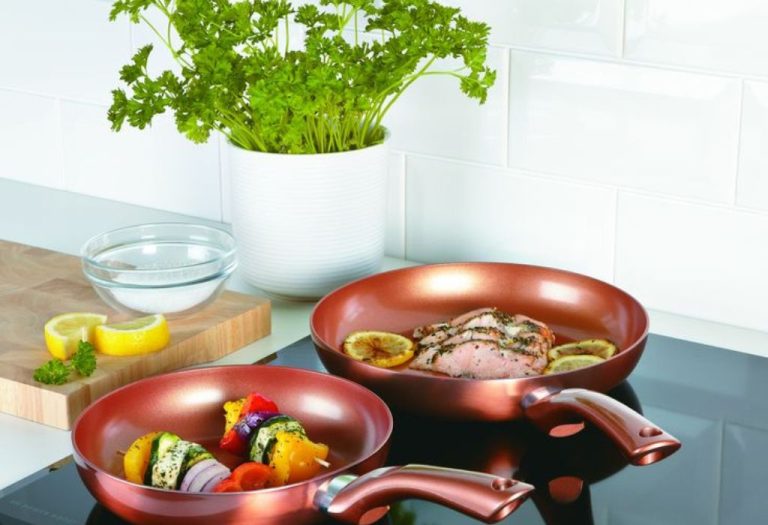
Glass top stoves have become a popular choice in modern kitchens due to their sleek design and ease of cleaning.
However, these surfaces require special care, as they are prone to scratches and stains when used with certain types of cookware.
Copper cookware is prized for its excellent heat conductivity and visual appeal, making it a favorite among both professional chefs and home cooks.
Yet, a pressing question remains: can you use copper cookware on glass top stoves safely? Using copper improperly on these surfaces can result in scratches, discoloration, and long-term damage.
Statistics indicate that nearly 35% of glass top stove owners have experienced scratches or marks from using incompatible cookware.
Awareness of the risks and proper handling techniques can prevent these issues and extend the lifespan of both the stove and the cookware.
Understanding how copper cookware interacts with glass top stoves is essential for maintaining both safety and performance.
By following proper guidelines, cooks can enjoy the benefits of copper cookware without compromising the integrity or appearance of their cooktops.
Understanding Glass Top Stoves
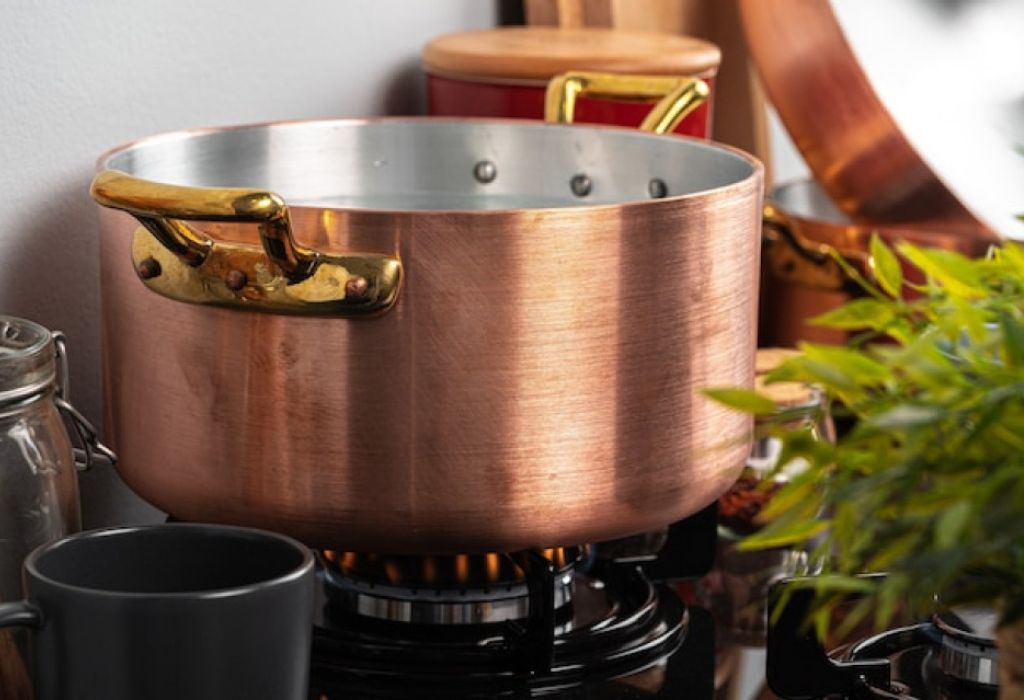
Glass top stoves are constructed from smooth, flat glass-ceramic surfaces that provide a sleek, modern look for kitchens. While visually appealing and easy to clean, these surfaces are more susceptible to scratches, stains, and damage compared to traditional stovetops.
The heat in glass top stoves is generated by radiant or induction elements beneath the glass, which evenly distributes warmth across the cookware.
This precise heat distribution ensures consistent cooking but requires compatible cookware to avoid uneven contact and potential damage.
Due to their delicate nature, glass top stoves require careful maintenance. Abrasive cleaning tools, harsh chemicals, and dragging cookware across the surface can all compromise the integrity of the glass.
Regular cleaning with non-abrasive cloths and cleaners preserves the surface and maintains the stove’s aesthetic appeal.
Cookware selection is critical for glass top stoves. Pans with smooth, flat bottoms provide optimal contact, reducing the risk of scratching or creating hotspots.
Materials that are too heavy, rough, or warped can damage the glass, while lighter and even-bottomed cookware ensures safe and efficient cooking.
Understanding the construction, heat distribution, and maintenance requirements of glass top stoves lays the foundation for using them safely with copper cookware.
By recognizing the stove’s vulnerabilities and the importance of compatible cookware, users can prevent damage and extend the lifespan of their kitchen appliances.
Risks of Using Copper Cookware on Glass Top Stoves
Using copper cookware on glass top stoves can present several risks if proper precautions are not followed. Copper is a malleable metal, and if the bottom of the pan is uneven or warped, it can scratch or dent the glass surface during cooking.
Copper cookware can also leave residues or marks on the stove surface. While some of these can be removed with immediate cleaning, repeated use without proper care may lead to permanent discoloration or minor surface damage.
The high heat conductivity of copper, while beneficial for cooking, can exacerbate these risks. Excessive heat can cause copper to warp or expand slightly, increasing the likelihood of uneven contact and scratching.
Manufacturer guidelines often warn against using certain copper cookware on glass top stoves. For example, GE Appliances notes that copper-bottomed pans can leave marks that appear as scratches if not handled correctly. Awareness of these warnings is critical for safe usage.
Long-term misuse of copper cookware on glass top stoves may compromise both the stove and the cookware.
Scratches, stains, and residual marks reduce the stove’s visual appeal and can affect heat efficiency, while warped or damaged copper pans may cook food unevenly.
Understanding these risks helps users take preventive measures. Selecting appropriate cookware, monitoring heat levels, and following safe handling practices ensures both the longevity of the glass top stove and the integrity of copper cookware.
Common Mistakes to Avoid When Using Copper Cookware on Glass Top Stoves
Even experienced cooks can make mistakes when using copper cookware on glass top stoves, which can compromise both the cookware and the stove. Recognizing these common errors is key to maintaining safety and preserving the longevity of kitchen appliances.
One frequent mistake is sliding copper pans across the glass surface. The metal can create scratches or scuff marks on the smooth glass, which are often difficult or impossible to remove. Lifting the cookware instead of dragging it prevents direct abrasion and protects the cooktop.
Overheating is another common issue. Copper heats very quickly due to its high thermal conductivity, and using excessively high temperatures can cause warping or leave residue that stains the stove. Monitoring and controlling heat levels ensures even cooking without damaging the surface.
Using warped or uneven-bottomed copper cookware can also cause problems. Uneven contact with the glass surface creates hotspots, reduces cooking efficiency, and increases the likelihood of scratches. Always selecting flat-bottomed pans ensures optimal performance and reduces the risk of surface damage.
Neglecting regular cleaning and maintenance is a further mistake. Residues, stains, and tarnish from copper can accumulate over time, potentially marking the glass surface.
Immediate cleaning with non-abrasive cloths and safe cleaning solutions prevents buildup and keeps both the stove and cookware in good condition.
Finally, ignoring manufacturer recommendations for both the stove and cookware increases the likelihood of damage. Following guidelines on heat limits, cookware materials, and maintenance practices protects both the appliance and the investment in high-quality copper cookware.
By avoiding these mistakes, cooks can safely enjoy the benefits of copper cookware on glass top stoves. Awareness and careful handling prevent damage, maintain performance, and ensure a long-lasting, visually appealing kitchen setup.
Safe Practices for Using Copper Cookware on Glass Top Stoves
Using copper cookware safely on glass top stoves requires attention to material, handling, and heat management.
Pans with flat, smooth bottoms ensure even contact with the stove surface, minimizing the risk of scratches and reducing hotspots.
Monitoring heat levels is essential due to copper’s excellent thermal conductivity. Excessive heat can warp the pan or leave residues on the glass, so it is important to cook at moderate temperatures and avoid preheating empty pans.
Proper handling protects both the stove and cookware. Lifting pans instead of sliding them prevents scratches, while using wooden, silicone, or nylon utensils avoids damaging the lining of copper cookware.
Regular cleaning and maintenance also contribute to safe use. Immediate wiping of any residues and using non-abrasive cloths or cleaners prevent tarnishing and remove potential marks before they become permanent.
Selecting cookware specifically designed for smooth or glass top stoves further enhances safety. Some copper pans feature reinforced or laminated bases that reduce direct metal-to-glass contact while retaining copper’s heat efficiency.
By combining appropriate cookware selection, careful handling, controlled heat, and diligent cleaning, users can enjoy the benefits of copper cookware without compromising the integrity of glass top stoves.
These practices extend the life of both the cookware and the appliance while ensuring consistent cooking performance.
Alternatives to Copper Cookware for Glass Top Stoves
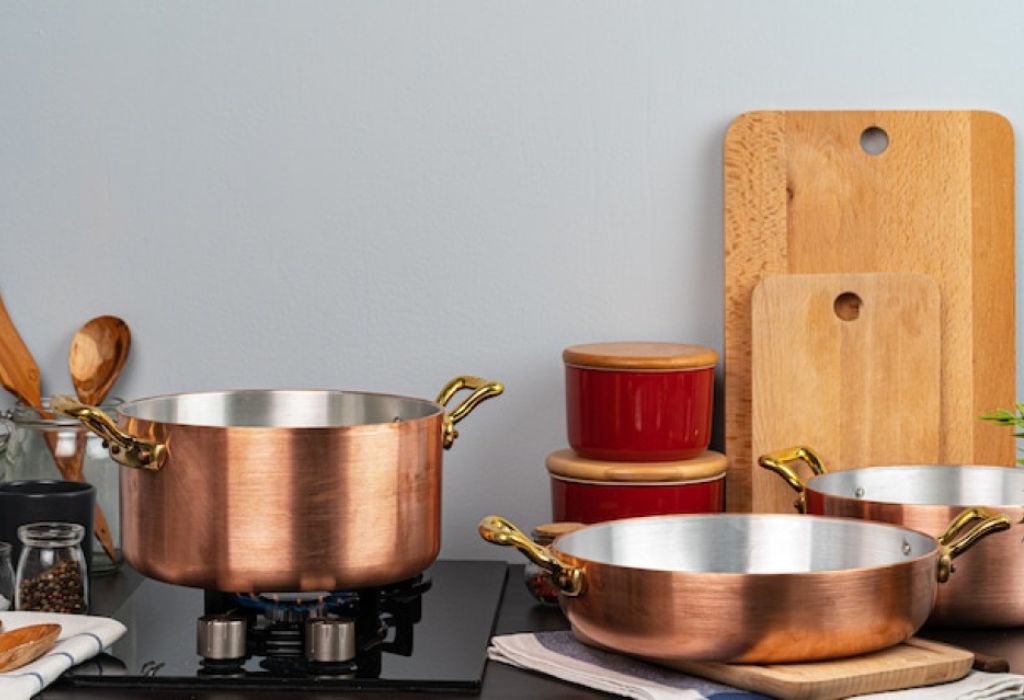
Home cooks seeking low-maintenance options for glass top stoves can consider several alternatives to copper cookware. Stainless steel pans are highly recommended due to their durability, smooth flat bottoms, and compatibility with glass surfaces.
Hard-anodized aluminum cookware offers excellent heat conductivity and is less prone to warping, making it a safe and efficient option for glass top stoves. These pans often feature nonstick coatings, providing easy cleanup while preserving the cooktop’s surface.
Ceramic cookware is another alternative that is gentle on glass tops. While it provides nonstick performance and even heat distribution, sudden temperature changes should be avoided to prevent cracking or damage to both the pan and the cooktop.
Enameled cast iron pans combine excellent heat retention with a smooth base suitable for glass top stoves. Care should be taken to ensure the bottom is free from rough spots, as direct dragging or uneven surfaces can still cause scratches.
Each alternative offers unique benefits. Stainless steel is durable and low-maintenance, hard-anodized aluminum provides fast and even cooking, ceramic ensures gentle treatment of the stove, and enameled cast iron delivers long-lasting heat retention.
Choosing the right cookware depends on cooking habits, maintenance preferences, and the desire to protect the glass stove surface.
By understanding the options, cooks can select safe and effective cookware that complements glass top stoves while avoiding the risks associated with traditional copper pans.
Proper care and material selection allow for optimal performance and longevity of both the cookware and the stove.
Can you use copper cookware on glass top stoves safely?
Yes, you can use copper cookware on glass top stoves, but with caution. Copper is a soft metal that can easily scratch or stain the glass surface if not handled properly.
Why can copper cookware damage glass cooktops?
Copper bottoms can leave marks or streaks on the glass, especially if moved around while hot. The metal may also warp slightly, causing uneven contact with the heating surface.
How can I prevent scratches when using copper cookware?
Always lift the pan instead of sliding it, and make sure both the cooktop and cookware bottom are clean before placing it on the surface.
Does copper discolor glass cooktops?
Yes, if the copper bottom oxidizes, it can leave a brownish or rainbow-colored residue on the glass. Regular cleaning can prevent this.
Are all copper pans suitable for glass top stoves?
Not all. Choose flat-bottomed copper cookware with stainless-steel or aluminum cores for even heating and minimal risk of scratching.
Should I polish the copper base before using it on glass stoves?
Yes, a smooth and clean base reduces the chance of residue buildup or streaks. Avoid rough or pitted surfaces that can harm the glass.
Can heat from copper cookware crack a glass stove?
It’s rare, but excessive or uneven heat can cause stress on the glass. Always start with medium heat and avoid rapid temperature changes.
Is lined copper cookware better for glass stoves?
Yes, lined copper (with stainless steel or tin) distributes heat evenly and is more stable, making it safer and more efficient on glass stoves.
How do I clean glass tops after using copper cookware?
Let the cooktop cool completely, then wipe it with a glass-safe cleaner or a mixture of vinegar and baking soda to remove copper stains.
What’s the best practice for using copper on glass stoves?
Handle cookware gently, clean the base regularly, use moderate heat, and never drag pans—these habits will keep both your copper and glass cooktop in perfect condition.
Conclusion
Copper cookware offers exceptional heat conductivity and aesthetic appeal, but using it on glass top stoves requires caution. Improper handling, excessive heat, or dragging pans can lead to scratches, stains, and potential long-term damage to the cooktop surface.
Following safe practices—such as selecting flat-bottomed pans, lifting cookware instead of sliding, monitoring heat levels, and performing regular cleaning—minimizes risks while preserving both the stove and the cookware.
Regular maintenance of copper cookware, including polishing and lining care, further ensures optimal performance and longevity.
For those seeking convenience, alternatives like stainless steel, hard-anodized aluminum, ceramic, or enameled cast iron offer safe and efficient options for glass top stoves.
These materials provide durability and compatibility without compromising heat distribution or stove protection.
By understanding the risks, implementing proper usage techniques, and considering appropriate cookware options, homeowners can safely enjoy the benefits of copper cookware.
These practices maintain the elegance, efficiency, and long-term durability of both the cookware and glass top stove, making every cooking experience safe and enjoyable.

I’m Emma J. Caldwell, the founder, lead writer, and home-cooking enthusiast behind KitchenGuideCo.com. With a background in culinary arts and over a decade of cooking experience in both professional and personal kitchens, I created this platform to demystify recipes, offer smart kitchen gadget reviews, and guide readers through meal prep with confidence and clarity.