Cast aluminum cookware has become a popular choice in kitchens due to its lightweight design and fast, even heating. Millions of home cooks and professional chefs rely on it for everything from everyday meals to intricate recipes.
Despite its popularity, questions about safety persist. Concerns about aluminum leaching into food have led many to wonder whether cast aluminum cookware is safe for daily use.
Health-conscious cooks often worry about potential long-term effects of aluminum exposure, particularly when cooking acidic foods such as tomatoes, citrus, or vinegar-based sauces.
Research shows that properly manufactured cast aluminum cookware, especially anodized or coated varieties, significantly reduces the risk of aluminum migration into food. Source
Expert analysis indicates that, for most people, the levels of aluminum exposure from daily cookware use remain well below thresholds associated with health risks. Source
Understanding the science behind aluminum leaching, the benefits of cast aluminum, and safe usage practices is essential for making informed decisions.
By learning how to choose, maintain, and use cookware correctly, home chefs can enjoy the advantages of cast aluminum without unnecessary worry.
What Is Cast Aluminum Cookware?
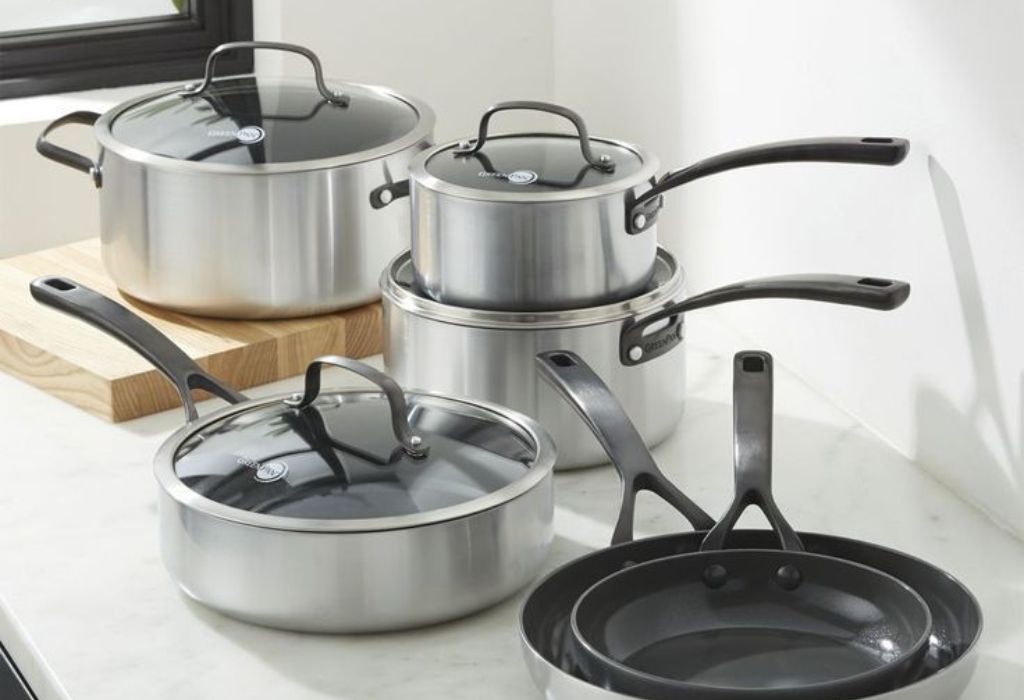
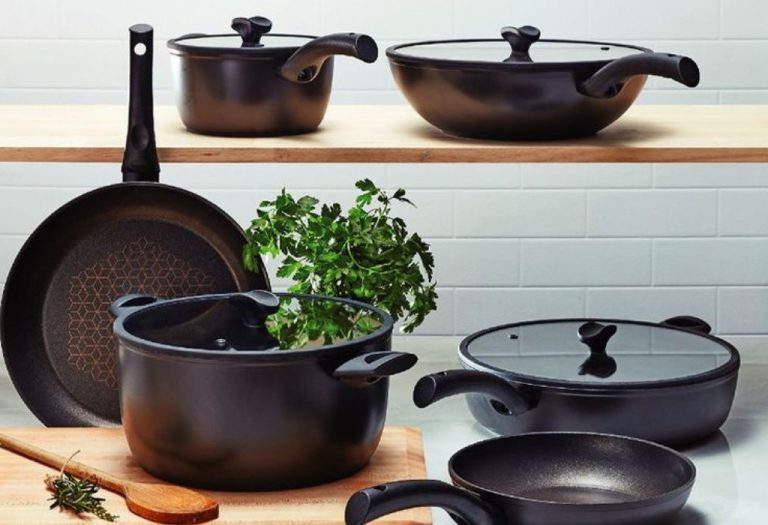
Cast aluminum cookware is created by pouring molten aluminum into molds to form pots, pans, and other kitchen items. This process allows for intricate designs, consistent shapes, and durable construction, making it a versatile option for both home and professional kitchens.
Unlike traditional aluminum sheets or rolled pans, cast aluminum has a thicker and more uniform structure. This enhances heat retention and allows for even distribution of temperature, which is crucial for cooking delicate dishes without hot spots.
Its lightweight design, compared to cast iron, makes it easier to handle, especially for larger pans or those frequently used on the stovetop.
Modern cast aluminum cookware often comes anodized or coated with non-stick surfaces. Anodization creates a hard, non-reactive layer that prevents aluminum from interacting with food.
This treatment not only improves safety but also increases the cookware’s resistance to scratches and corrosion.
Non-stick coatings, such as PTFE or ceramic layers, further enhance convenience, making cooking and cleaning more efficient while minimizing the risk of aluminum leaching into food.
Cast aluminum can also be finished with ergonomic handles, heat-resistant grips, and lids designed to fit tightly for moisture retention.
These features improve the overall cooking experience, making it easier to control temperature, reduce splatter, and maintain food quality. The material’s fast heating properties mean recipes cook more quickly, saving time and energy in the kitchen.
Durability is another advantage. High-quality cast aluminum pans can last for years, maintaining performance and appearance when properly cared for.
However, users should avoid excessive high heat, abrasive cleaning methods, and metal utensils, which can damage the surface or reduce the lifespan of the cookware.
Understanding what cast aluminum cookware is, how it is made, and the benefits of its structural and surface treatments sets the stage for evaluating its safety, health considerations, and practical use in daily cooking.
By recognizing the differences between raw aluminum, anodized, and coated cast aluminum, cooks can select the right type for their kitchen while minimizing risks.
Health Considerations and Safety
Safety concerns are among the most frequently discussed aspects of cast aluminum cookware. Aluminum is a reactive metal, which has led some consumers to worry about potential leaching into food and its long-term health effects.
These concerns are particularly focused on non-anodized or scratched cookware, where direct contact with food can increase metal transfer.
Modern cast aluminum cookware is often anodized or coated with non-stick surfaces, which significantly reduces the likelihood of aluminum migration.
Anodized aluminum forms a hard, non-reactive surface that prevents food from contacting the raw metal. Non-stick coatings, such as PTFE or ceramic, also act as a protective barrier, enhancing safety and simplifying cleaning. Source
Scientific studies indicate that typical use of anodized or coated cast aluminum cookware does not pose significant health risks for the general population.
Research shows that while small amounts of aluminum can leach into food under specific conditions, exposure levels remain far below thresholds associated with adverse effects. Source
Certain populations may require extra caution. Individuals with impaired kidney function may have difficulty eliminating excess aluminum from the body, which could result in accumulation over time. Pregnant women or those with specific health concerns may prefer non-reactive alternatives like stainless steel or ceramic to further minimize exposure.
Acidic or highly salty foods are more likely to increase aluminum migration from untreated cookware.
Using anodized or coated pans for these dishes can reduce risk, while avoiding prolonged cooking at high temperatures further minimizes leaching.
Proper maintenance, including avoiding metal utensils and abrasive cleaning, helps maintain the integrity of the protective layer.
In summary, cast aluminum cookware, when manufactured with anodization or high-quality non-stick coatings, is generally safe for daily use.
Awareness of cookware type, proper usage, and maintenance practices allows consumers to enjoy the benefits of aluminum cooking without unnecessary health concerns.
Understanding these considerations is essential before evaluating its advantages, limitations, and best practices for safe use.
Advantages of Cast Aluminum Cookware
Cast aluminum cookware offers several advantages that make it a popular choice for both home kitchens and professional settings.
One of its primary benefits is its lightweight design, which makes handling large pans or deep pots easier compared to heavier alternatives like cast iron. This convenience is especially valuable for frequent cooks or those preparing large meals.
Another key advantage is excellent heat conductivity. Cast aluminum distributes heat evenly across the cooking surface, reducing hot spots and promoting consistent cooking.
This property allows for precise temperature control, making it ideal for delicate recipes, sautéing vegetables, or simmering sauces. The rapid heating also shortens cooking times, saving energy and enhancing efficiency in the kitchen.
Durability is another strength of cast aluminum, particularly when anodized or coated with high-quality non-stick surfaces. These treatments increase scratch resistance, reduce corrosion, and prevent aluminum from interacting with food. As a result, well-maintained cast aluminum pans can last for many years while maintaining performance and appearance.
Cost-effectiveness is an additional benefit. Compared to other premium cookware materials, cast aluminum offers an affordable option without compromising essential cooking features.
This makes it accessible to a wide range of consumers, from budget-conscious home cooks to aspiring professional chefs.
Ergonomic design is often incorporated into cast aluminum cookware. Features such as heat-resistant handles, well-fitting lids, and flat, stable bases enhance usability and comfort during cooking.
Non-stick or coated surfaces also simplify cleaning, further improving the overall cooking experience.
Finally, cast aluminum cookware’s versatility makes it suitable for a variety of cooking methods. It works well on gas, electric, and most ceramic stovetops, and some models are oven-safe. This flexibility, combined with its lightweight, durable, and heat-conductive nature, explains why cast aluminum continues to be a trusted choice in kitchens worldwide.
Understanding these advantages helps cooks appreciate why cast aluminum is both practical and efficient. Recognizing its unique combination of performance, affordability, and ease of use sets the stage for evaluating its limitations and safe practices in the next sections.
Limitations and Considerations
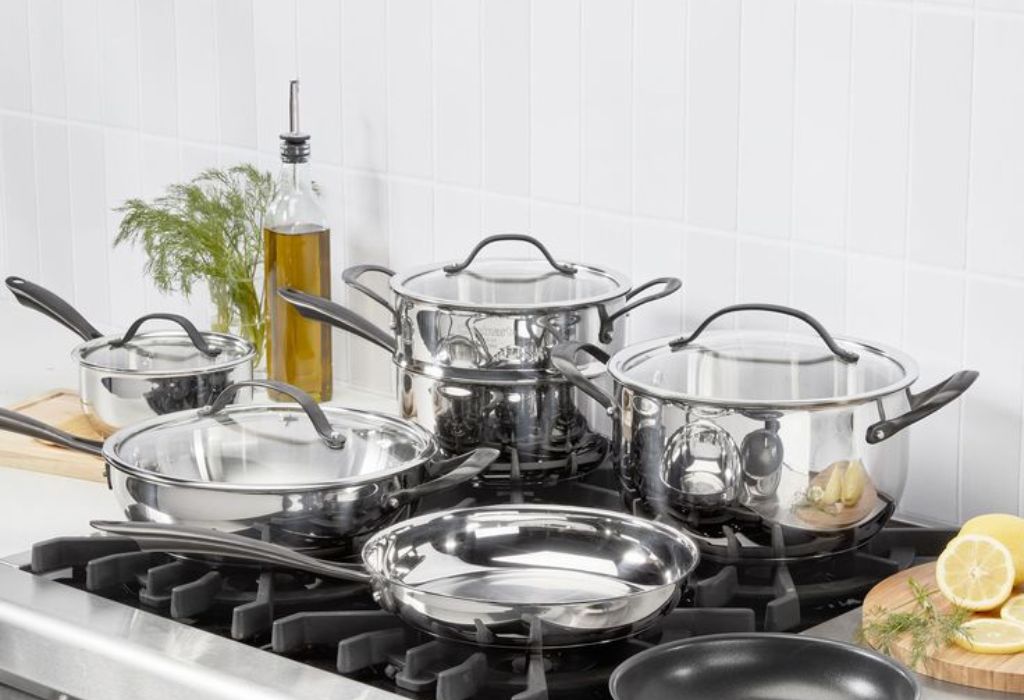
While cast aluminum cookware offers numerous benefits, it also has certain limitations that users should consider. One notable drawback is its sensitivity to scratching and damage.
Even with anodized or coated surfaces, using metal utensils or abrasive cleaning tools can compromise the protective layer, increasing the risk of aluminum exposure and reducing the cookware’s longevity.
Another consideration is high heat sensitivity. Cast aluminum heats quickly, which is beneficial for many recipes but can also lead to overheating or scorching if not monitored carefully.
Prolonged exposure to extremely high temperatures may damage non-stick coatings or warp thinner pans, making careful temperature control essential.
Compatibility with induction cooktops is another factor. Since aluminum is not naturally magnetic, standard cast aluminum pans may not work on induction stoves unless a magnetic base is added.
Users with induction cooktops need to verify compatibility before purchasing to avoid cooking inefficiencies.
Durability varies depending on the quality of the aluminum and surface treatment. Lower-quality or non-anodized pans may degrade faster, leading to scratches, pitting, or discoloration over time. Investing in high-quality, anodized, or coated cookware improves lifespan and maintains both safety and performance.
Maintenance requirements can also be a limitation. Cast aluminum pans often require hand washing, avoiding harsh detergents, and using non-metal utensils to preserve coatings. While these practices are simple, they may be less convenient than dishwasher-safe or more resilient cookware options.
Finally, aluminum cookware may not suit all cooking styles or recipes. Heavy-duty searing, prolonged oven use at very high temperatures, or acidic dishes in non-anodized pans can present challenges. Being aware of these limitations helps users apply best practices and avoid potential risks.
Despite these drawbacks, understanding and managing limitations allows cooks to safely and effectively use cast aluminum cookware.
Awareness of temperature control, utensil selection, induction compatibility, and maintenance ensures that its advantages outweigh potential concerns in most everyday cooking scenarios.
Best Practices for Safe Use
Proper usage and maintenance are key to ensuring that cast aluminum cookware remains safe and long-lasting. Using anodized or coated pans helps minimize aluminum leaching, but additional precautions can further reduce potential risks and enhance performance.
Avoid metal utensils, which can scratch or damage the protective surface. Wooden, silicone, or plastic utensils are ideal for stirring, flipping, and serving, preserving both the non-stick coating and the anodized layer. Scratches not only compromise cookware safety but also reduce cooking efficiency over time.
Hand washing is recommended for most cast aluminum cookware. Harsh detergents, steel wool, or abrasive sponges can degrade coatings and increase the likelihood of aluminum exposure. Gently cleaning with mild soap and a soft sponge ensures durability and maintains non-stick properties.
Acidic or highly salty foods can accelerate aluminum leaching in non-anodized cookware. Using anodized or coated pans for these dishes reduces this risk.
Additionally, limiting cooking times and avoiding excessively high heat protects both the food and the pan’s surface.
Storing cookware properly prevents damage and extends lifespan. Avoid stacking aluminum pans directly without protective padding, which can cause scratches and dents.
Periodically inspecting cookware for signs of wear, pitting, or coating degradation helps determine when replacement is necessary.
Selecting high-quality cookware and following manufacturer instructions ensures optimal safety and performance. Consistently applying these best practices allows users to enjoy the benefits of cast aluminum cookware while minimizing health concerns.
Safe usage is not only about choosing the right material but also about understanding how to maintain it properly for everyday cooking.
By combining careful utensil use, gentle cleaning, proper storage, and mindful cooking techniques, cooks can confidently rely on cast aluminum cookware for a wide range of dishes.
Awareness and adherence to these practices make it possible to maximize both safety and culinary performance.
Alternatives to Cast Aluminum Cookware
For individuals concerned about aluminum exposure or seeking different cooking characteristics, several alternatives provide safe and reliable options.
Stainless steel, cast iron, and ceramic-coated cookware are among the most popular choices, each offering unique benefits and considerations.
Stainless steel cookware is non-reactive, durable, and resistant to corrosion. It does not leach metals into food, making it particularly suitable for acidic dishes. While it may heat less evenly than aluminum, many stainless steel pans incorporate layered bases or aluminum cores to improve heat distribution.
Cast iron cookware provides excellent heat retention and durability. Over time, seasoned cast iron develops a natural non-stick surface while adding small amounts of dietary iron to meals. It is heavier than aluminum but excels in searing, baking, and slow-cooking applications. Regular seasoning and careful maintenance are required to preserve performance and prevent rust.
Ceramic-coated cookware features a non-reactive, smooth surface that prevents metal leaching and promotes easy food release. It is lightweight, visually appealing, and easy to clean. However, ceramic coatings can be fragile and may wear down over time if scratched or exposed to sudden temperature changes.
Choosing the right alternative depends on cooking habits, preferred heat performance, and maintenance willingness. Stainless steel is ideal for long-term durability with minimal maintenance.
Cast iron suits recipes requiring high heat or long cooking times. Ceramic-coated cookware appeals to those seeking non-stick convenience with a chemical-free surface.
Other options, such as titanium, hard-anodized aluminum, or hybrid materials, are also emerging in the market.
These blends aim to combine aluminum’s heat conductivity with non-reactive, durable surfaces, offering additional choices for safety-conscious cooks.
Consumer Insights and Expert Opinions
Cast aluminum cookware has been widely reviewed by consumers and evaluated by culinary experts, providing valuable insights into its safety and performance.
Most user feedback emphasizes its lightweight design, fast and even heating, and affordability as primary advantages.
Many home cooks appreciate that it allows them to prepare meals quickly without the bulk of heavier alternatives like cast iron.
Experts, including professional chefs and food safety authorities, generally agree that anodized or coated cast aluminum cookware is safe for daily use.
They highlight that proper maintenance, avoiding scratched surfaces, and using non-metal utensils are key factors in minimizing aluminum exposure.
Scientific evidence supports these recommendations, showing that typical use of high-quality cast aluminum does not pose significant health risks. Source
Consumer reviews also indicate that non-stick and anodized coatings improve both cooking performance and convenience. Users report reduced sticking, easier cleaning, and a longer lifespan compared to untreated aluminum cookware.
These factors contribute to overall satisfaction and reinforce expert recommendations regarding quality and maintenance practices.
Some experts caution that lower-quality or non-anodized cast aluminum may be more reactive with acidic foods. For this reason, they advise investing in higher-quality products and following safe usage guidelines.
Regular inspection for scratches, pitting, or coating degradation is recommended to ensure ongoing safety.
Professional guidance also emphasizes versatility. Cast aluminum cookware works well on most stovetops, including gas, electric, and ceramic, and many models are oven-safe.
Experts recommend selecting cookware that matches one’s cooking habits, focusing on material quality, ergonomic design, and durability.
By combining consumer feedback and expert advice, it becomes clear that cast aluminum cookware can be a reliable and safe choice.
Awareness of its proper use, quality differences, and maintenance ensures optimal performance while addressing potential health concerns. This insight helps users make informed decisions for daily cooking, balancing convenience, safety, and efficiency.
Future Trends and Innovations in Cast Aluminum Cookware
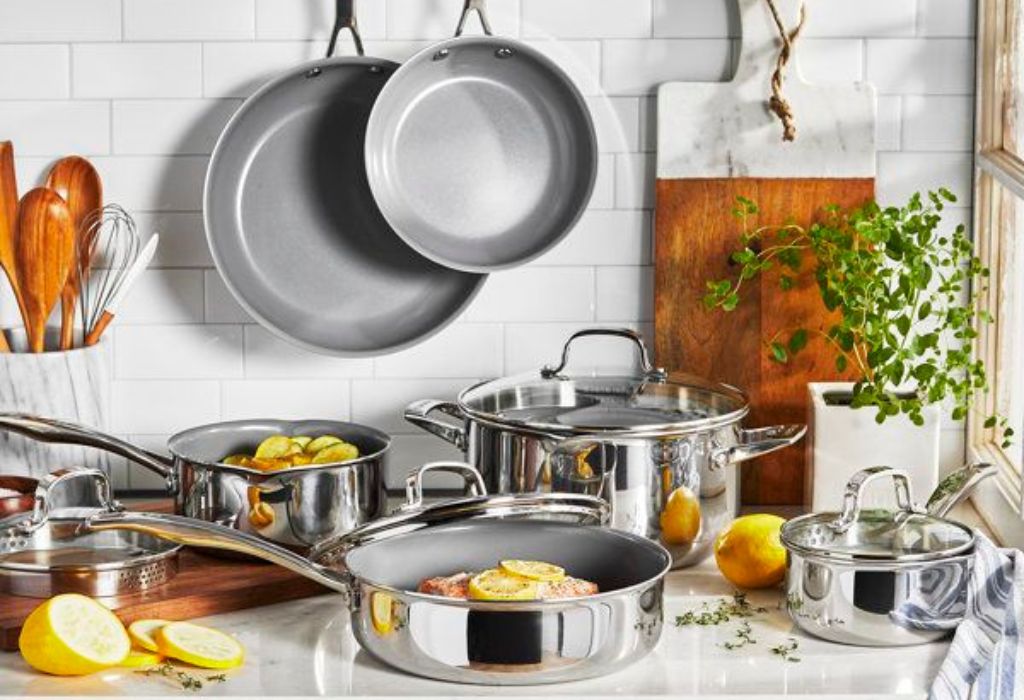
Cast aluminum cookware continues to evolve, driven by advancements in materials, coatings, and consumer preferences. Modern trends focus on improving safety, durability, performance, and environmental sustainability, making cookware more versatile for contemporary kitchens.
One significant trend is the development of hybrid surfaces that combine anodized aluminum with ceramic or advanced non-stick coatings.
These innovations enhance heat distribution, increase scratch resistance, and provide non-reactive surfaces that minimize aluminum leaching.
The result is cookware that is both safe and highly functional for a wide range of cooking methods.
Sustainability is also shaping the future of aluminum cookware. Aluminum is highly recyclable, and manufacturers are increasingly using recycled materials to reduce environmental impact.
Energy-efficient production methods and eco-friendly coatings are gaining popularity, appealing to consumers who prioritize both performance and environmental responsibility. Source
Smart cookware innovations are emerging, incorporating temperature indicators and sensor technology.
These features allow precise heat management, helping prevent overheating, food burning, or degradation of non-stick coatings. While still niche, this trend reflects the broader integration of technology into traditional kitchen tools.
Consumer demand is also influencing design and usability. Lightweight, ergonomic handles, stackable sets, and compatibility with multiple heat sources are becoming standard features.
Manufacturers are addressing common pain points such as cleaning convenience, storage efficiency, and versatility across stovetop and oven cooking.
Additionally, research on coating durability and non-reactive surfaces continues. New generations of PTFE-free, PFOA-free, and ceramic coatings offer safer alternatives, longer-lasting performance, and chemical-free cooking options.
These improvements ensure that cast aluminum remains a competitive choice alongside stainless steel, cast iron, and ceramic cookware.
The combination of technological innovation, sustainability, and user-centric design suggests that cast aluminum cookware will continue to adapt to modern cooking needs.
Consumers can expect safer, more durable, and highly functional products that maintain the material’s traditional advantages while meeting evolving culinary and environmental standards.
Is cast aluminum cookware safe for daily use?
Yes, cast aluminum cookware is generally safe for everyday cooking, especially if it’s anodized or coated. These layers prevent aluminum from leaching into your food.
What is cast aluminum cookware?
Cast aluminum cookware is made by pouring molten aluminum into molds. This gives it a thicker, more durable structure and excellent heat retention compared to regular pressed aluminum pans.
Does cast aluminum leach into food?
Uncoated cast aluminum can leach small amounts of metal when cooking acidic or salty foods. Anodized or nonstick-coated versions prevent this and are safer for daily use.
Is anodized cast aluminum safer than regular aluminum?
Yes. The anodizing process creates a hard, non-reactive layer on the surface, preventing corrosion, leaching, and interaction with food ingredients.
Can cast aluminum cookware cause health problems?
There’s no strong evidence that cooking with anodized or coated cast aluminum poses any health risks. The small amount of aluminum that may leach from uncoated cookware is minimal.
Is cast aluminum cookware nonstick?
Not naturally, but many modern cast aluminum pans come with a nonstick ceramic or PTFE coating, which makes cooking and cleaning much easier.
Can I use cast aluminum cookware on high heat?
Yes, but moderate heat is best. Overheating can damage nonstick coatings or warp the cookware over time. Always follow the manufacturer’s temperature guidelines.
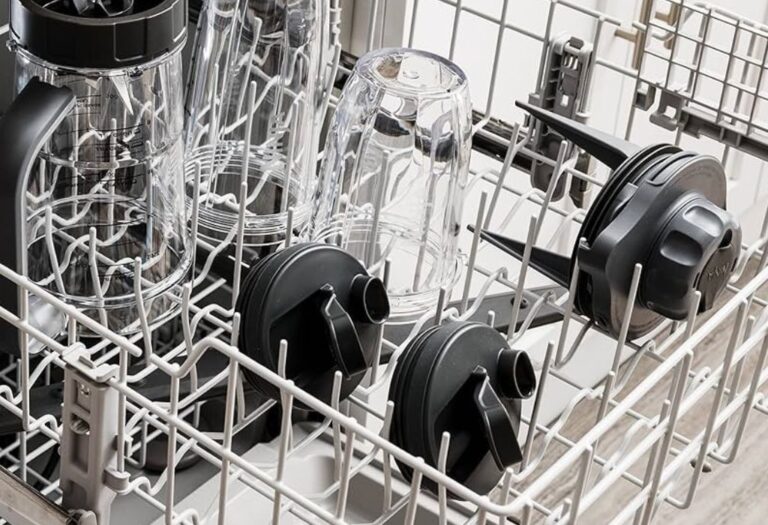
Is cast aluminum cookware dishwasher safe?
It’s best to hand-wash. Dishwasher detergents and high temperatures can dull the surface or degrade nonstick coatings over time.
How can I maintain cast aluminum cookware for long-term use?
Clean gently with mild soap, use non-metal utensils, and avoid sudden temperature changes. Regular care will preserve its coating and cooking performance.
What are the benefits of using cast aluminum cookware daily?
Cast aluminum is lightweight, heats evenly, cools quickly, and is more affordable than stainless steel—making it a practical and safe choice for daily cooking.
Conclusion
Cast aluminum cookware offers a practical combination of lightweight design, rapid and even heat distribution, and affordability. With modern anodized or non-stick coatings, it provides a safe option for daily cooking while minimizing potential aluminum exposure.
Awareness of cookware type, maintenance, and cooking practices is essential for maximizing both safety and performance.
Health concerns surrounding aluminum primarily focus on metal leaching, especially when cooking acidic foods or using scratched cookware. Scientific studies and expert guidance indicate that properly manufactured cast aluminum cookware is safe for most people.
Following best practices, such as using non-metal utensils, hand washing, and avoiding prolonged high heat, ensures ongoing safety and durability.
The advantages of cast aluminum include quick heating, ergonomic design, affordability, and versatility across different cooking methods.
Its lightweight nature makes it easier to handle than heavier alternatives, while coatings and anodization improve non-stick performance and longevity. Consumer reviews and expert opinions support its use as a reliable, everyday kitchen tool.
Alternatives such as stainless steel, cast iron, and ceramic cookware provide additional options for those seeking non-reactive surfaces or different cooking characteristics. Each material has unique benefits, allowing home cooks to balance safety, convenience, and performance according to their needs.
Future trends in cast aluminum cookware focus on enhanced coatings, hybrid materials, smart cooking features, and sustainable production methods.
These innovations continue to improve performance, safety, and environmental impact, ensuring that cast aluminum remains a competitive choice in modern kitchens.
In conclusion, cast aluminum cookware can be a safe, efficient, and versatile addition to any kitchen. By selecting high-quality products, following proper maintenance, and understanding its strengths and limitations, home cooks can confidently enjoy its benefits.
Choosing the right cookware and applying informed practices allows for worry-free cooking, better meal results, and long-term durability.

I’m Emma J. Caldwell, the founder, lead writer, and home-cooking enthusiast behind KitchenGuideCo.com. With a background in culinary arts and over a decade of cooking experience in both professional and personal kitchens, I created this platform to demystify recipes, offer smart kitchen gadget reviews, and guide readers through meal prep with confidence and clarity.