Aluminum cookware is a common topic of debate in professional kitchens. Its lightweight design, fast heating, and affordability make it appealing, but many wonder if it meets the demands of high-volume restaurant cooking.
Restaurants require durable, efficient, and safe cookware to maintain consistent food quality. Concerns about durability, reactions with acidic foods, and non-stick coatings often make chefs cautious when selecting aluminum pans.
A 2022 survey found that 63% of commercial kitchens use some form of aluminum cookware, though preferences vary widely depending on cuisine and cooking style (source).
Curiosity also surrounds why some restaurants rely heavily on aluminum while others prefer stainless steel or cast iron. Understanding the benefits and limitations of aluminum cookware can help both professional chefs and home cooks make informed choices.
Characteristics of Aluminum Cookware

Aluminum cookware is known for its lightweight construction and excellent heat conductivity, which allows for fast and even cooking. These traits make it ideal for high-volume kitchens where precise temperature control and quick response are essential.
Many commercial aluminum pans feature anodized or non-stick coatings. These coatings enhance durability, prevent food from sticking, and reduce chemical interactions with acidic ingredients, making them safer for professional use.
The combination of lightweight design, heat conductivity, and protective coatings gives aluminum cookware versatility in a variety of cooking applications. Chefs can sauté, fry, or simmer with confidence, knowing that the pan responds quickly to changes in heat while maintaining consistent cooking performance.
Aluminum cookware is also relatively affordable compared to stainless steel or copper alternatives, allowing restaurants to equip large kitchens without excessive expense. Its durability, when properly maintained, ensures it can withstand frequent, high-volume use over time.
In summary, aluminum cookware’s key characteristics—lightweight construction, rapid and even heat distribution, and optional coatings—make it a practical choice in commercial kitchens. Understanding these features helps explain why many restaurants incorporate aluminum into their cookware arsenal.
Benefits of Aluminum Cookware in Restaurants
Aluminum cookware provides several advantages that make it popular in professional kitchens. Its lightweight design allows chefs to handle large pans easily, improving workflow efficiency and reducing fatigue during long service hours.
Heat conductivity is another key benefit. Aluminum distributes heat evenly across the pan, preventing hot spots and ensuring consistent cooking results for high-volume food preparation.
Coated or anodized aluminum pans offer additional advantages. Non-stick surfaces reduce food sticking, simplify cleaning, and minimize the risk of chemical reactions with acidic ingredients, enhancing both safety and performance.
Cost-effectiveness is also a factor. Aluminum is generally more affordable than stainless steel or copper, enabling restaurants to equip multiple stations without excessive expenditure. Despite its lower cost, high-quality aluminum cookware remains durable and suitable for repeated, heavy-duty use.
Versatility further enhances aluminum’s appeal. It can be used for sautéing, frying, simmering, and other cooking techniques, making it an all-around solution in commercial kitchens where adaptability is essential.
In summary, aluminum cookware combines lightweight handling, rapid and even heat distribution, easy cleaning, cost efficiency, and versatility. These benefits explain why many restaurants include aluminum pans as a key component of their kitchen equipment.
Potential Risks and Limitations of Aluminum Cookware
Despite its advantages, aluminum cookware has limitations that restaurants must consider. Raw aluminum can react with acidic foods such as tomatoes or citrus, potentially affecting flavor and appearance if the pan is uncoated.
Thin or low-quality aluminum pans may warp under high heat, leading to uneven cooking and reduced durability. Frequent exposure to extreme temperatures can also degrade non-stick or anodized coatings over time.
Another concern is the longevity of coatings. Low-grade non-stick surfaces may chip or flake with repeated use, which can compromise both performance and food safety. Proper maintenance is essential to prevent damage and ensure safe use in busy commercial kitchens.
Some restaurants avoid aluminum entirely for certain applications, preferring stainless steel or cast iron for durability and resistance to wear. While aluminum is lightweight and fast-heating, it may not withstand the extreme demands of all cooking environments without careful selection and maintenance.
In summary, the main risks of aluminum cookware involve potential reactions with acidic foods, warping, and coating degradation. Understanding these limitations helps chefs and kitchen managers make informed decisions and maintain safe, efficient, and high-quality cooking operations.
Maintenance and Safe Use Tips for Aluminum Cookware
Proper maintenance is essential to ensure aluminum cookware remains safe and durable in commercial kitchens. Using gentle cleaning methods and avoiding abrasive scrubbers preserves both anodized and non-stick coatings.
Hand washing with mild detergents and soft sponges is recommended, as harsh chemicals or dishwashers can degrade coatings and reduce the lifespan of the cookware. Regular inspection of pans for scratches, warping, or flaking ensures continued safety and performance.
Utensil choice is also important. Wooden, silicone, or plastic tools prevent scratching and preserve the pan’s surface, while metal utensils can damage coatings and compromise food safety.
Storage practices influence durability as well. Avoid stacking unprotected pans to prevent scratches or dents, and store them in a way that maintains flat, even surfaces.
By following these guidelines, restaurants can maximize the benefits of aluminum cookware while minimizing risks. Proper handling, cleaning, and storage ensure that lightweight, fast-heating aluminum pans remain reliable and safe for high-volume cooking environments.
Comparison With Other Commercial Cookware
Aluminum cookware offers distinct advantages compared to other common commercial kitchen materials such as stainless steel, cast iron, and copper. Each material affects heat distribution, weight, durability, and cost in different ways.
Cast iron retains heat exceptionally well but is heavy, which can be cumbersome in high-volume kitchens. Stainless steel is highly durable and non-reactive but may heat unevenly unless layered with aluminum or copper for improved conductivity. Copper heats evenly and responds quickly to temperature changes but is expensive and requires careful maintenance.
Aluminum cookware strikes a balance between these extremes. Its lightweight design allows chefs to handle large quantities of food easily, while fast, even heating ensures efficient cooking without the weight or cost of cast iron or copper.
Coated or anodized aluminum pans also offer easy cleaning and reduce the risk of chemical reactions with acidic ingredients, a benefit over raw stainless steel or copper.
From a cost perspective, aluminum is generally more affordable, making it practical for equipping multiple stations in a restaurant without compromising quality. Its versatility allows it to be used for frying, sautéing, and simmering, whereas heavier or more specialized materials may be limited to specific tasks.
In summary, aluminum cookware provides a practical combination of efficiency, affordability, and ease of use, offering commercial kitchens the benefits of lightweight handling and fast heating without sacrificing performance. Compared to other cookware types, it remains a popular choice in many professional kitchens due to this balance.
Expert Opinions on Aluminum Cookware in Restaurants
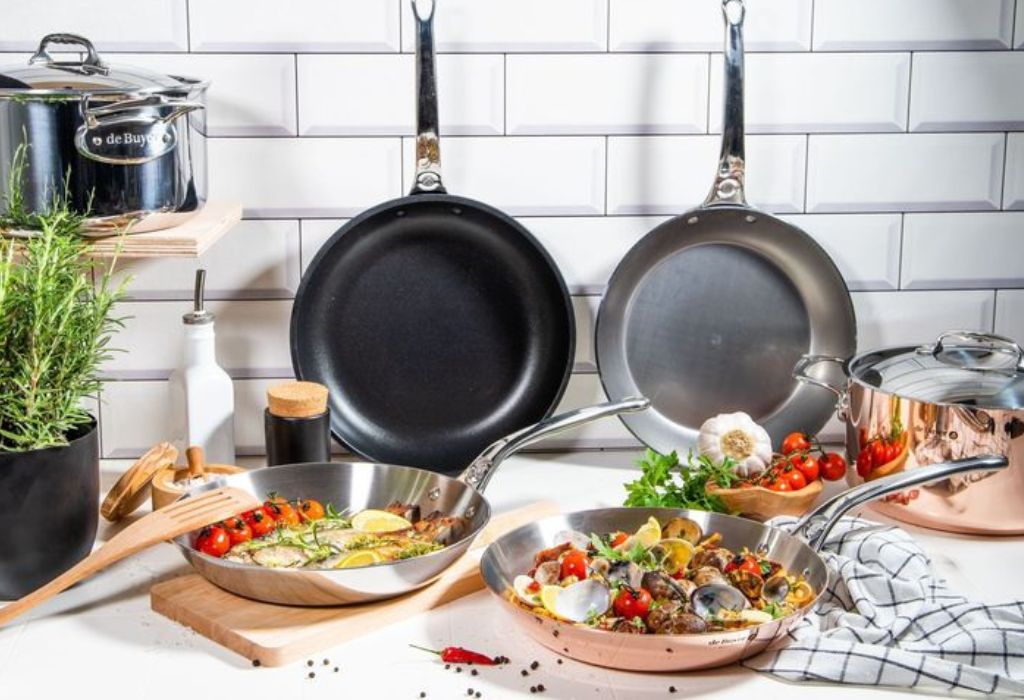
Chefs and restaurant owners often praise aluminum cookware for its speed, affordability, and ease of handling in commercial kitchens. Many experts note that when properly coated or anodized, aluminum pans provide safe and reliable performance for high-volume cooking.
Professional chefs emphasize the importance of quality. Low-grade aluminum can warp or react with acidic foods, but high-quality anodized or non-stick aluminum reduces these risks while maintaining fast and even heat distribution.
Experts also highlight versatility as a key advantage. Aluminum cookware can be used for frying, sautéing, simmering, and other common cooking techniques, making it a practical choice for busy kitchens where adaptability is essential.
Some chefs prefer combining aluminum with other materials. While aluminum is ideal for quick, high-heat tasks, stainless steel or cast iron may be used for slow cooking or searing to maximize durability and maintain consistent results.
In summary, industry professionals recognize aluminum cookware as a valuable tool in restaurants, provided it is of high quality and properly maintained. With the right selection and handling, aluminum delivers efficiency, safety, and consistent cooking performance that meets the rigorous demands of commercial kitchens.
Do restaurants use aluminum cookware?
Yes, many restaurants use aluminum cookware because it’s lightweight, affordable, and an excellent heat conductor—perfect for fast, high-volume cooking in busy kitchens.
Why do chefs prefer aluminum cookware?
Chefs love aluminum cookware for its quick and even heat distribution, which helps them cook dishes consistently without hot spots, saving both time and energy.
Is aluminum cookware safe for restaurant use?
Yes, it’s safe when used correctly. Most commercial aluminum pans are anodized or coated, preventing aluminum from reacting with food or leaching into dishes.
Do restaurants use uncoated or anodized aluminum cookware?
Professional kitchens typically use anodized aluminum cookware because it’s non-reactive, scratch-resistant, and more durable than raw aluminum.
Does aluminum cookware affect the taste of food?
Uncoated aluminum can slightly alter the taste of acidic foods like tomato sauce or lemon-based dishes. That’s why most restaurants use lined or anodized versions.
Is aluminum cookware durable enough for restaurant kitchens?
Yes, it’s built to withstand heavy, daily use. Anodized or hard-anodized aluminum pans are especially durable and resistant to warping or corrosion.
Do professional chefs prefer aluminum over stainless steel?
It depends on the task. Chefs use aluminum for sautéing and frying because it heats fast, but prefer stainless steel for searing, simmering, or acidic recipes.
Does aluminum cookware save energy in restaurants?
Yes, aluminum heats up and cools down quickly, allowing chefs to cook efficiently and use less energy compared to heavier materials like cast iron.
Can aluminum cookware handle high heat in restaurants?
Yes, but extreme heat should be avoided with nonstick or coated pans. Hard-anodized aluminum, however, can safely handle high-temperature cooking.
What’s the main reason restaurants choose aluminum cookware?
Its combination of affordability, fast heat response, and lightweight design makes aluminum cookware a reliable, practical choice for professional kitchens worldwide.
Conclusion
Aluminum cookware is widely used in restaurants due to its lightweight design, fast and even heating, and affordability. Its versatility allows chefs to handle large volumes of food efficiently while maintaining consistent cooking quality.
High-quality anodized or non-stick aluminum minimizes risks of chemical reactions and enhances durability, making it suitable for high-volume commercial kitchens.
Proper maintenance, including careful cleaning, utensil choice, and storage, ensures safety and prolongs the lifespan of the cookware.
While some limitations exist, such as potential warping or coating degradation, expert chefs and kitchen managers confirm that aluminum remains a practical and reliable choice.
Understanding its benefits, limitations, and safe use practices allows restaurants to maximize efficiency, maintain food quality, and reduce operating costs.
Ultimately, aluminum cookware provides a balance of performance, cost-effectiveness, and convenience. With proper selection and handling, it can serve as a dependable kitchen tool that meets the rigorous demands of professional cooking environments.

I’m Emma J. Caldwell, the founder, lead writer, and home-cooking enthusiast behind KitchenGuideCo.com. With a background in culinary arts and over a decade of cooking experience in both professional and personal kitchens, I created this platform to demystify recipes, offer smart kitchen gadget reviews, and guide readers through meal prep with confidence and clarity.