Aluminum cookware has long been valued for its lightweight design and excellent heat conductivity, making it a kitchen staple. Many home cooks and professional chefs rely on it for even cooking and quick heat response.
However, concerns about aluminum leaching into food have raised questions about safety, especially for those using it daily.
Hard anodized cookware offers a modern solution by treating aluminum with an electrochemical process that thickens its natural oxide layer.
This creates a surface that is more durable, scratch-resistant, and non-reactive compared to standard aluminum. Yet, curiosity remains: does this treatment fully prevent aluminum from leaching into food during cooking?
Studies suggest that aluminum exposure from typical cookware use is generally low, but acidic foods like tomato sauce or citrus can slightly increase leaching in untreated aluminum (pubmed.ncbi.nlm.nih.gov).
Hard anodized cookware, with its sealed surface, significantly reduces this risk, providing a safer alternative for everyday cooking.
Beyond safety, hard anodized cookware is praised for its durability and cooking performance. It resists warping, scratches, and corrosion, making it a long-lasting investment in the kitchen. Its non-reactive surface ensures flavors remain true, while heat is distributed evenly, improving overall cooking efficiency.
What Is Hard Anodized Cookware?
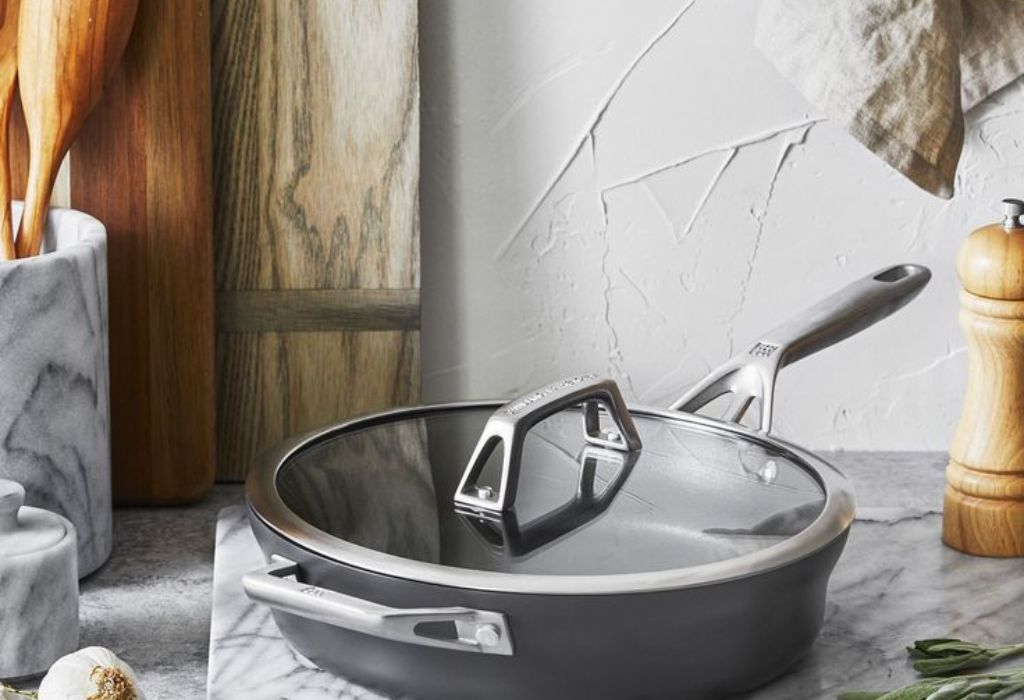
Hard anodized cookware is a type of aluminum cookware that has undergone an electrochemical process to thicken and harden its natural oxide layer.
This treatment transforms the soft, reactive aluminum into a durable, non-porous, and non-reactive surface. As a result, it resists scratches, corrosion, and wear far better than untreated aluminum, making it ideal for long-term kitchen use.
The anodization process also enhances heat distribution. Hard anodized pans heat evenly across the cooking surface, reducing hot spots that can burn food or leave it undercooked.
This makes them suitable for delicate recipes that require consistent heat. Many chefs prefer hard anodized cookware for its combination of reliability and efficiency in daily cooking.
Unlike traditional aluminum, which can react with acidic ingredients like tomato sauce or citrus, hard anodized cookware forms a protective barrier.
This layer prevents direct contact between food and the underlying metal, minimizing the risk of aluminum leaching. It also ensures that flavors remain unaltered, preserving the intended taste of meals.
Durability is another defining feature. Hard anodized cookware can withstand metal utensils, high heat, and frequent washing without significant damage. Many brands provide nonstick coatings on top of the anodized layer, further enhancing ease of use and maintenance.
Investing in hard anodized cookware provides a blend of safety, longevity, and performance. Its non-reactive surface and resistance to wear make it a preferred option for both home cooks and professional kitchens.
Understanding these properties is essential before evaluating potential health concerns related to aluminum exposure.
Does Hard Anodized Cookware Leach Aluminum?
Hard anodized cookware is designed to be highly resistant to aluminum leaching due to the thickened oxide layer created during the anodization process. This layer acts as a barrier, preventing food from coming into direct contact with the raw aluminum underneath.
Unlike traditional aluminum, which can react with acidic or salty foods, the anodized surface remains stable under normal cooking conditions.
Scientific studies have shown that the risk of aluminum transfer from hard anodized cookware is extremely low.
A study published by the National Institutes of Health indicated that anodized surfaces reduce aluminum migration by up to 95% compared to untreated aluminum cookware (pubmed.ncbi.nlm.nih.gov).
This makes it a safer option for daily cooking, particularly for acidic dishes like tomato-based sauces or lemon-infused recipes.
Several factors can influence the likelihood of aluminum leaching, even in hard anodized cookware. The most significant is surface integrity. Scratches, chips, or worn areas can compromise the protective layer, exposing aluminum beneath.
Cooking methods also matter; prolonged exposure to extremely high temperatures or using harsh cleaning agents may degrade the anodized layer over time, slightly increasing the chance of aluminum transfer.
Hard anodized cookware is also non-reactive, meaning it does not alter the taste, color, or nutritional profile of food.
This characteristic enhances its appeal for health-conscious cooks who want safe and reliable kitchen tools. Combining durability, non-reactivity, and reduced aluminum leaching, hard anodized cookware is widely recommended by culinary experts for everyday use.
In summary, when maintained properly, hard anodized cookware provides excellent protection against aluminum exposure.
Its robust surface and stable properties ensure that the food prepared is safe, flavorful, and nutritious, addressing the common concerns associated with aluminum cookware.
Health Implications of Aluminum Exposure
Aluminum is naturally present in the environment and is commonly found in food, water, and even some medications. While low levels of aluminum exposure are generally considered safe, excessive intake has been linked to potential health concerns, including neurotoxicity and kidney issues.
Studies show that the human body absorbs very little aluminum from dietary sources, and the amounts released from well-maintained hard anodized cookware are typically negligible (pubmed.ncbi.nlm.nih.gov).
Scientific and regulatory authorities, such as the World Health Organization and the U.S. Food and Drug Administration, have established guidelines for safe aluminum intake.
These guidelines are designed to ensure that typical dietary exposure remains far below levels associated with health risks. For most home cooks, using hard anodized cookware does not pose a significant threat to health.
Certain populations, such as individuals with impaired kidney function, may need to monitor aluminum intake more carefully. However, for the majority of users, the protective anodized layer effectively minimizes aluminum transfer into food.
This makes hard anodized cookware a practical choice for reducing unnecessary exposure while still benefiting from aluminum’s excellent heat conductivity.
Beyond leaching concerns, the non-reactive surface of hard anodized cookware ensures that it does not interact with food in ways that could degrade nutritional content. Vitamins, minerals, and flavors are preserved, offering both safety and quality in cooking.
Overall, the health implications of using hard anodized cookware are minimal when the cookware is properly maintained. By understanding how aluminum exposure works and choosing high-quality anodized products, home cooks can enjoy peace of mind while preparing meals that are both safe and delicious.
Benefits of Using Hard Anodized Cookware
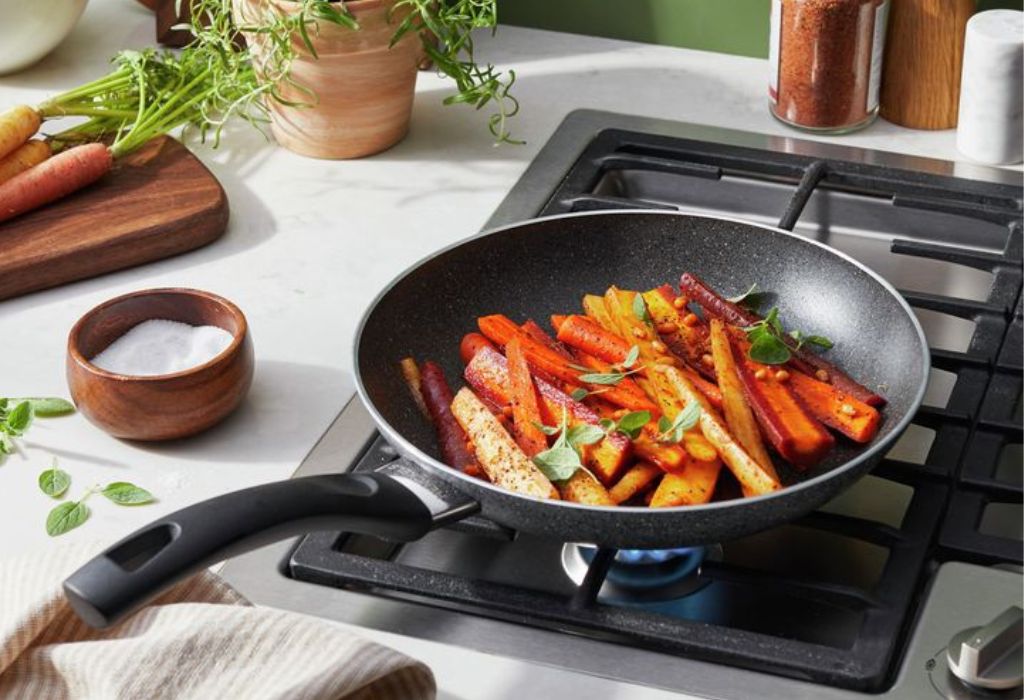
Hard anodized cookware offers a unique combination of durability, performance, and safety that sets it apart from traditional aluminum or other cookware materials. One of its primary benefits is enhanced durability.
The anodization process creates a thick, hard layer that resists scratches, dents, and corrosion, allowing the cookware to maintain its quality even after years of frequent use. This longevity makes it a worthwhile investment for both home cooks and professional chefs.
Another significant advantage is improved cooking performance. Hard anodized cookware distributes heat evenly across the surface, reducing hot spots that can cause food to burn or cook unevenly.
The non-reactive nature of the surface ensures that flavors remain true, and acidic ingredients do not interact with the metal, preserving both taste and nutritional content. This makes it especially effective for simmering sauces, searing meats, and cooking delicate dishes.
Maintenance is also simplified. Hard anodized cookware is generally easier to clean than untreated aluminum and is often compatible with nonstick coatings. This reduces the effort required for scrubbing and prevents food from sticking, allowing for more efficient cooking and cleanup.
Using gentle utensils, such as silicone or wooden tools, further protects the surface, extending the cookware’s lifespan.
Safety is an additional benefit. The anodized layer acts as a protective barrier, minimizing the risk of aluminum leaching into food. Combined with its durability and consistent performance, hard anodized cookware provides a reliable and safe cooking solution for everyday use.
Overall, hard anodized cookware delivers a well-rounded package: it is robust, efficient, and safe. Its balance of performance and protection ensures that it not only enhances the cooking experience but also maintains the quality and safety of the food prepared.
Considerations When Using Hard Anodized Cookware
While hard anodized cookware offers numerous benefits, proper use and maintenance are essential to ensure its longevity and safety. One important consideration is surface care.
Avoiding abrasive cleaners and scouring pads helps preserve the anodized layer, preventing scratches that could expose the underlying aluminum. Using soft sponges and mild detergents maintains both the protective surface and the cookware’s performance over time.
The choice of utensils also impacts durability. Metal tools can damage the anodized layer, so it is recommended to use wooden, silicone, or plastic utensils.
This prevents surface wear, maintains the non-reactive properties, and reduces the risk of aluminum exposure. Even small scratches can compromise the protective layer and affect the cookware’s performance.
Cooking practices play a role in preserving hard anodized cookware. While the surface is highly resistant, prolonged exposure to extremely high heat may degrade the coating or warp the cookware.
It is best to preheat pans gradually and avoid using them on the highest flame settings for extended periods.
Acidic foods, such as tomatoes or citrus, should also be monitored; although the anodized layer provides a strong barrier, repeated high-acid cooking may eventually affect the surface.
Storage and handling are additional factors to consider. Stacking pans without protective liners can cause scratches or dents. Using pan separators or storing cookware carefully extends its lifespan and maintains its nonstick and non-reactive qualities.
By following proper care, utensil selection, and cooking practices, hard anodized cookware can retain its durability, performance, and safety for many years.
Awareness of these considerations ensures that users enjoy all the benefits of anodized cookware while minimizing potential risks associated with wear and surface damage.
Alternatives to Hard Anodized Cookware
For those seeking options beyond hard anodized cookware, several alternatives provide durability, safety, and cooking efficiency. Stainless steel cookware is a widely preferred choice.
It is non-reactive, meaning it does not leach metals into food, and can withstand high heat without warping. Stainless steel pans are also highly durable and often dishwasher-safe, making them convenient for everyday use.
Ceramic-coated cookware is another alternative. The ceramic layer provides a nonstick surface without relying on chemicals or metals that may react with food. It is particularly appealing for low-fat cooking and easy cleanup.
Ceramic coatings are also non-reactive, preserving the natural flavors and nutrients in food. However, users should avoid metal utensils to prevent chipping the ceramic surface.
Cast iron cookware offers excellent heat retention and non-reactivity when properly seasoned. It is ideal for high-heat cooking methods, such as searing and frying, and can last for generations with correct care.
Additionally, cooking in well-seasoned cast iron can add trace amounts of iron to the diet, which may benefit those with iron deficiencies.
Each alternative comes with its own set of advantages and considerations. Stainless steel excels in longevity and resistance to corrosion, ceramic provides a chemical-free nonstick option, and cast iron delivers unmatched heat retention.
Choosing the right cookware depends on cooking habits, preferred maintenance, and dietary or safety considerations.
Ultimately, understanding these alternatives allows home cooks to make informed decisions. Whether prioritizing safety, durability, or performance, there are multiple high-quality options that can complement or replace hard anodized cookware in any kitchen.
Expert Recommendations
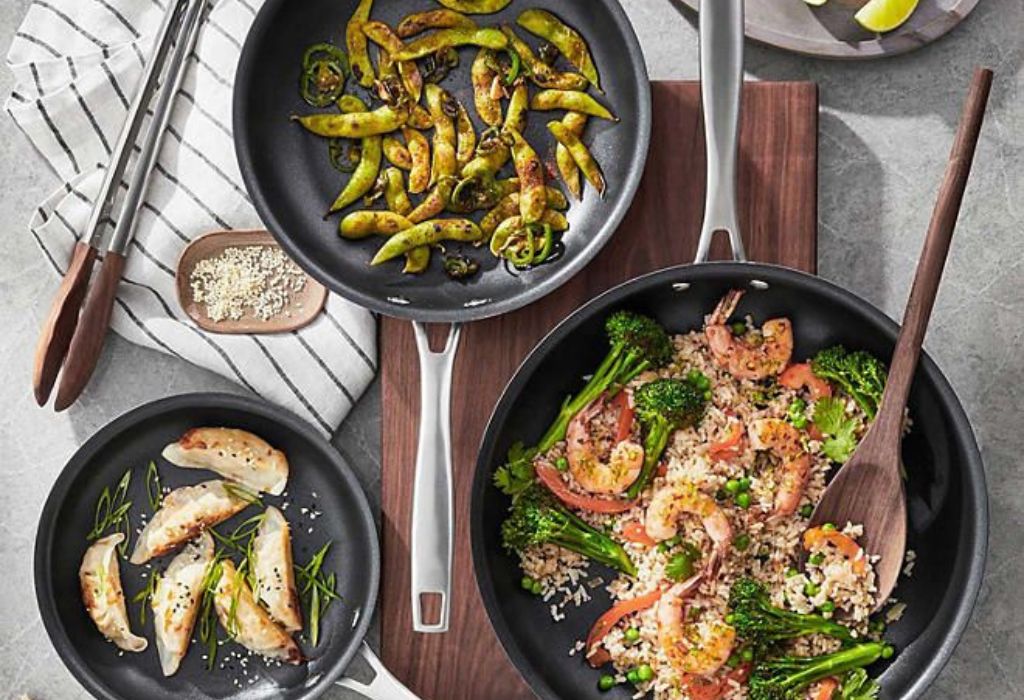
When selecting cookware, experts emphasize the importance of quality and proper maintenance to ensure safety and longevity. Choosing reputable brands that adhere to safety standards guarantees that the hard anodized layer is properly applied and durable.
Products from trusted manufacturers often include clear guidelines for care, helping users maintain the non-reactive surface and prevent potential aluminum exposure.
Regular inspection of cookware is also recommended. Checking for scratches, chips, or worn areas allows users to identify any compromise in the protective layer.
Even minor surface damage can increase the likelihood of aluminum leaching or affect cooking performance. Replacing heavily worn cookware ensures continued safety and efficiency in the kitchen.
Proper usage techniques enhance the lifespan of hard anodized cookware. Preheating gradually, avoiding extremely high heat, and using wooden or silicone utensils preserve the surface and prevent damage.
Additionally, storing cookware carefully, such as using pan separators when stacking, helps maintain both the nonstick qualities and overall durability.
Experts also suggest monitoring cooking with acidic foods. While hard anodized cookware is resistant, repeated high-acid cooking may gradually wear the surface. Rotating between different cookware materials or limiting prolonged exposure to acidic ingredients can help maintain the integrity of the anodized layer.
By following these recommendations, home cooks can maximize the performance, safety, and longevity of their hard anodized cookware. Awareness of brand quality, surface condition, and proper handling ensures a reliable cooking experience while minimizing potential health concerns.
Does hard anodized cookware leach aluminum?
No, hard anodized cookware does not leach aluminum. The anodizing process creates a thick, non-reactive oxide layer that seals the aluminum surface and prevents any metal from coming into contact with food.
What is hard anodized cookware?
Hard anodized cookware is made from aluminum that has been electrochemically treated to make it stronger, smoother, and more resistant to corrosion and scratching.
How does the anodizing process prevent aluminum leaching?
Anodizing transforms the surface of raw aluminum into a hard, non-porous aluminum oxide layer that is chemically stable and non-reactive, preventing any leaching even with acidic foods.
Is hard anodized cookware safe for health?
Yes, it’s completely safe. The anodized coating is non-toxic, durable, and does not release aluminum or chemicals into food, even with daily use.
Can the anodized coating wear off over time?
Under normal use, the anodized layer is highly durable and long-lasting. However, using metal utensils or abrasive cleaners can damage the surface and reduce its lifespan.
Is hard anodized cookware better than regular aluminum cookware?
Yes, it’s much safer and more durable. Regular aluminum can react with certain foods, while hard anodized aluminum remains stable and non-reactive.
Can hard anodized cookware be used to cook acidic foods?
Yes, it’s perfectly safe for acidic foods like tomatoes, vinegar, and citrus-based dishes because the anodized surface resists chemical reactions.
Is there any risk of aluminum exposure from scratched anodized cookware?
Minor surface scratches typically don’t expose raw aluminum. But if the cookware is deeply damaged, it’s best to replace it to ensure safety.
Does hard anodized cookware contain harmful chemicals like PFOA or PTFE?
No, the anodized layer itself is chemical-free. Some hard anodized cookware may include a nonstick coating, so check the label to ensure it’s PFOA- and PTFE-free if you prefer toxin-free options.
Why is hard anodized cookware considered one of the safest options?
It offers the heat efficiency of aluminum with the safety of a sealed, non-reactive surface. It doesn’t leach, rust, or corrode—making it a reliable, long-lasting, and health-conscious cookware choice.
Conclusion
Hard anodized cookware combines durability, performance, and safety, making it a reliable choice for modern kitchens. Its thickened oxide layer reduces the risk of aluminum leaching, while the non-reactive surface preserves flavors and nutrients.
Proper care, including gentle cleaning, careful utensil use, and moderate heat, ensures that the cookware maintains its protective properties over time. Choosing reputable brands and regularly inspecting cookware for wear further enhances safety and longevity.
For home cooks seeking a balance of efficiency, durability, and health-conscious cooking, hard anodized cookware is a strong option. By understanding its properties and following expert recommendations, users can enjoy a safer, more effective, and enjoyable cooking experience.

I’m Emma J. Caldwell, the founder, lead writer, and home-cooking enthusiast behind KitchenGuideCo.com. With a background in culinary arts and over a decade of cooking experience in both professional and personal kitchens, I created this platform to demystify recipes, offer smart kitchen gadget reviews, and guide readers through meal prep with confidence and clarity.