Aluminum camping cookware is a popular choice for outdoor enthusiasts due to its lightweight design and excellent heat conductivity. Campers rely on it for efficient cooking while backpacking, camping, or during long hikes.
Despite its widespread use, questions often arise about the safety of aluminum cookware. Concerns about potential health risks, including aluminum leaching into food, have led many to reconsider their options.
Understanding the facts is essential for making informed decisions. Proper use, maintenance, and selecting the right type of cookware can minimize risks while maximizing performance.
Statistics indicate that aluminum is the third most abundant element in the Earth’s crust, and daily exposure through food and water is common for most people (CDC).
Additionally, experts recommend using anodized or non-stick aluminum for cooking acidic foods to reduce metal leaching (Homes & Gardens).
Understanding Aluminum Camping Cookware
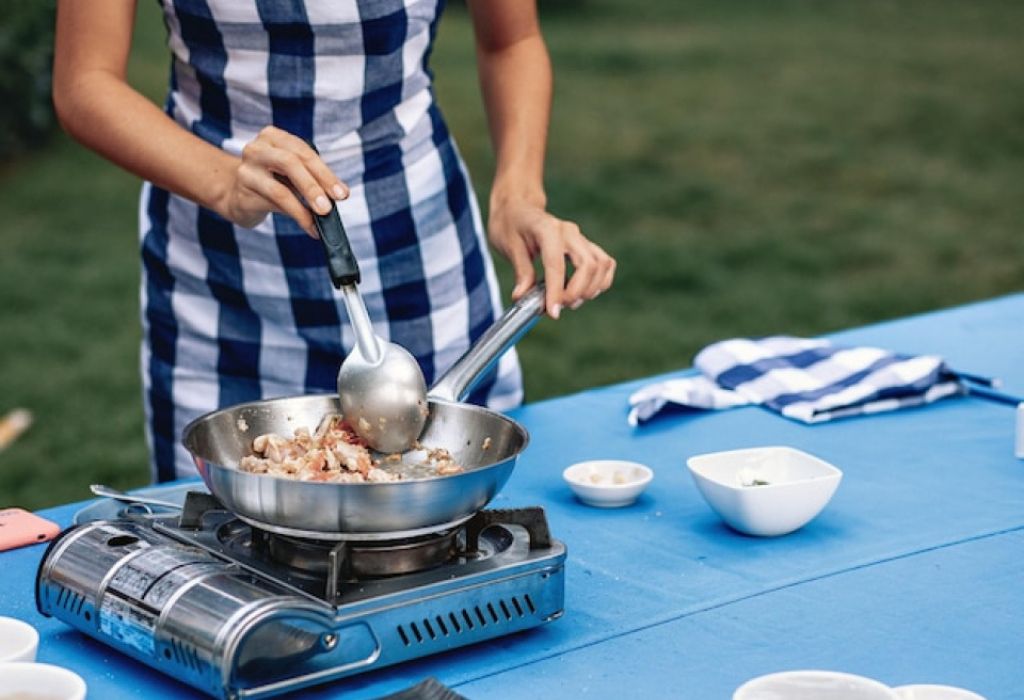
Aluminum camping cookware is valued for its lightweight design and excellent heat conductivity, making it a top choice for outdoor enthusiasts. Its portability and quick response to heat allow campers to prepare meals efficiently while reducing the burden of heavy gear.
There are different types of aluminum cookware, each with distinct characteristics that affect safety and performance. Uncoated aluminum is economical but can react with acidic foods and is prone to scratches.
Anodized aluminum undergoes an electrochemical process that creates a hard, non-reactive surface, making it more resistant to corrosion and chemical reactions.
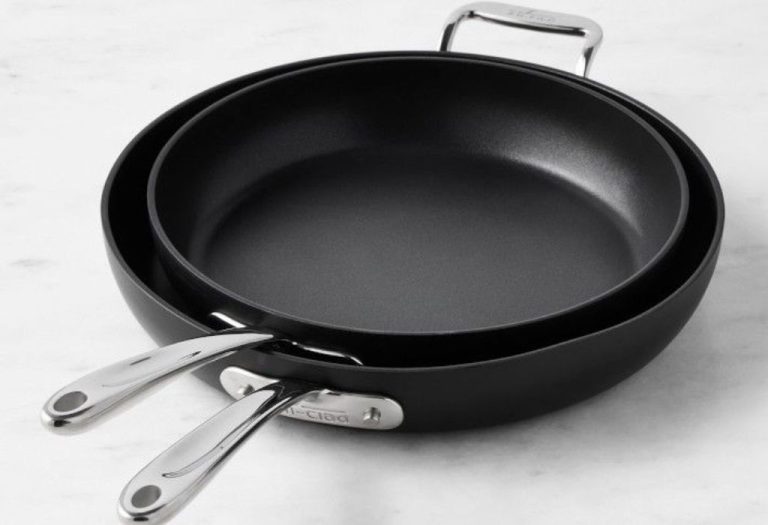
Non-stick aluminum is coated with a smooth layer that allows easy food release, but it requires careful handling to prevent damage.
Knowing the type of aluminum cookware is crucial for safe and effective use. Understanding how each variety responds to heat, utensils, and acidic foods helps prevent discoloration, sticking, or surface degradation.
Proper care tailored to the cookware type ensures durability and maintains performance throughout multiple camping trips.
Maintaining aluminum cookware also contributes to food safety. Using the right cooking techniques, avoiding abrasive utensils, and following recommended cleaning methods help minimize any potential aluminum exposure.
With informed use, aluminum camping cookware can remain both safe and reliable for a wide range of outdoor cooking needs.
Health and Safety Concerns
Aluminum camping cookware is generally considered safe, but certain precautions are necessary to ensure healthy cooking. Concerns arise from the potential for aluminum to leach into food, especially when cooking acidic or salty meals.
Most studies, including guidance from the FDA and CDC, indicate that aluminum exposure from cookware is minimal and not harmful for the general population (CDC).
However, damaged or worn cookware may increase the risk of leaching, which can affect taste and potentially lead to higher metal exposure over time.
Leaching can be influenced by the type of aluminum used. Anodized aluminum forms a hard, non-reactive surface that limits metal transfer to food, while uncoated aluminum is more susceptible, particularly with acidic foods like tomatoes or citrus.
Non-stick coatings provide additional protection but require careful maintenance to avoid scratches that compromise safety.
Regulatory bodies have also issued warnings regarding some imported cookware that may contain lead or unsafe levels of other metals (allrecipes.com).
Choosing high-quality anodized or non-stick aluminum cookware reduces these risks and ensures safer outdoor cooking experiences.
Understanding these health and safety factors allows campers to use aluminum cookware confidently. Following recommended guidelines for use, maintenance, and food types ensures that meals are safe, nutritious, and free from potential metal contamination.
Cleaning and Maintenance Tips for Aluminum Camping Cookware
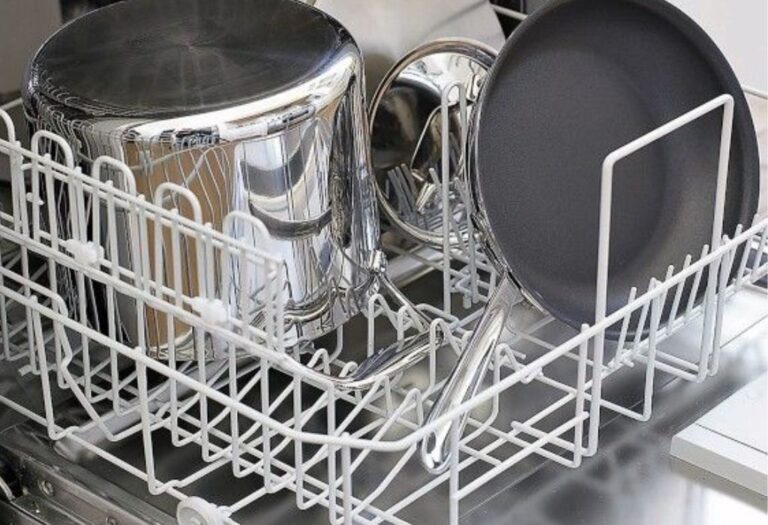
Proper cleaning and maintenance are essential to preserve the safety and performance of aluminum camping cookware. Hand washing with warm water and mild detergent is recommended, as dishwashers can cause discoloration, scratches, and degradation of non-stick coatings.
For stubborn stains or residue, natural solutions such as a paste of baking soda and water or a vinegar-and-water mixture are effective. Soft sponges or cloths prevent abrasion, ensuring that anodized and non-stick surfaces remain intact and functional.
Avoid using metal scrubbers or harsh chemicals, as these can compromise the cookware’s protective layers and increase the risk of aluminum leaching.
After cleaning, thorough drying is critical to prevent water spots and potential corrosion. Storing cookware in a dry, ventilated area ensures longevity and protects against moisture-related issues.
Regular inspection for scratches, dents, or worn coatings allows campers to address potential problems early, maintaining both safety and performance.
Consistent cleaning and maintenance also improve cooking efficiency. A well-maintained surface reduces sticking, promotes even heat distribution, and ensures that meals are cooked safely.
By incorporating these habits into outdoor routines, campers can extend the lifespan of their cookware while minimizing health risks and enhancing overall outdoor cooking experiences.
Best Practices for Safe Use
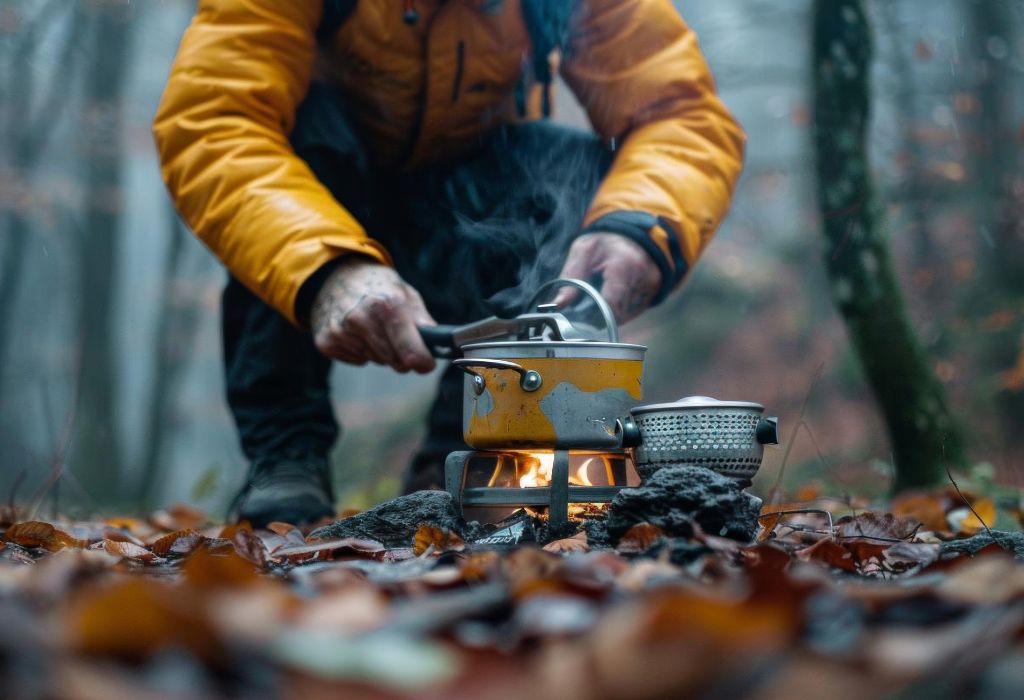
Using aluminum camping cookware safely requires attention to cooking techniques, utensils, and maintenance. Avoid cooking highly acidic or salty foods in uncoated aluminum, as these can react with the metal and increase leaching into food.
Proper utensil selection helps preserve the cookware’s surface. Wooden, silicone, or plastic utensils prevent scratches on anodized and non-stick aluminum, while metal utensils can damage coatings and reduce safety.
Regular maintenance is essential to keep cookware in optimal condition. Inspect pans for scratches, dents, or corrosion, and clean them according to the manufacturer’s instructions to maintain their protective surfaces.
Choosing quality cookware enhances safety and performance. Hard-anodized or well-coated non-stick aluminum reduces the risk of leaching and offers more durable protection, while stainless steel alternatives can be used for acidic foods when extra caution is needed.
By combining careful food selection, appropriate utensils, consistent cleaning, and high-quality cookware, campers can ensure that aluminum cookware remains safe, functional, and long-lasting. Following these practices allows for worry-free outdoor cooking and a reliable meal preparation experience.
Cooking Techniques for Aluminum Camping Cookware
Using proper cooking techniques is essential to maintain the safety and longevity of aluminum camping cookware.
Avoid exposing uncoated aluminum to extremely high heat, as this can warp the cookware, cause discoloration, and increase the likelihood of aluminum leaching into food.
Medium or low heat is ideal for most outdoor cooking scenarios, ensuring even heat distribution and preserving the pan’s surface.
Utensil choice plays a critical role in maintaining cookware integrity. Wooden, silicone, or plastic utensils are recommended, as metal tools can scratch anodized and non-stick coatings, reducing their protective qualities.
Scratches not only damage the cookware but also increase the potential for food to come into contact with bare aluminum, which may react with acidic ingredients.
When cooking acidic foods such as tomatoes, citrus, or vinegar-based sauces, using anodized or non-stick aluminum cookware is highly recommended. These surfaces prevent chemical reactions and minimize leaching, ensuring both food safety and optimal taste.
For uncoated aluminum, it is best to limit acidic food preparation or consider using a liner, such as a small stainless steel insert, to reduce direct contact with the metal.
Preheating cookware gradually is another effective technique. Sudden exposure to high heat can cause warping and compromise surface coatings, while gradual heating improves heat retention and cooking consistency.
Additionally, cleaning cookware promptly after use prevents buildup of oils, residues, and carbonized food, which can affect performance and safety in future cooking sessions.
By following these techniques, campers can maximize the performance, durability, and safety of their aluminum cookware. Thoughtful heat management, careful utensil use, and awareness of food types ensure safe outdoor meals while extending the lifespan of cookware for years of reliable use.
Expert Recommendations
Food safety and outdoor cooking experts generally agree that aluminum camping cookware is safe when used and maintained correctly. Experts advise selecting anodized or non-stick aluminum to minimize the risk of metal leaching and surface damage.
Dr. Ryan Marino notes that the amount of aluminum that may transfer to food during cooking is minimal and unlikely to pose health risks for the general population (Homes & Gardens). Following proper cooking and cleaning practices ensures that cookware remains safe even during frequent outdoor use.
Environmental scientists recommend avoiding cookware with visible scratches or worn coatings, as these can compromise safety and increase metal exposure. Hard-anodized or ceramic-coated aluminum is preferred for cooking acidic foods, offering an extra layer of protection.
Experienced campers and backpackers continue to rely on aluminum cookware safely by combining high-quality gear with careful handling.
Proper utensil use, heat management, and routine maintenance help maintain performance and reduce potential risks, ensuring meals are safe and enjoyable in any outdoor setting.
Choosing the Right Aluminum Camping Cookware
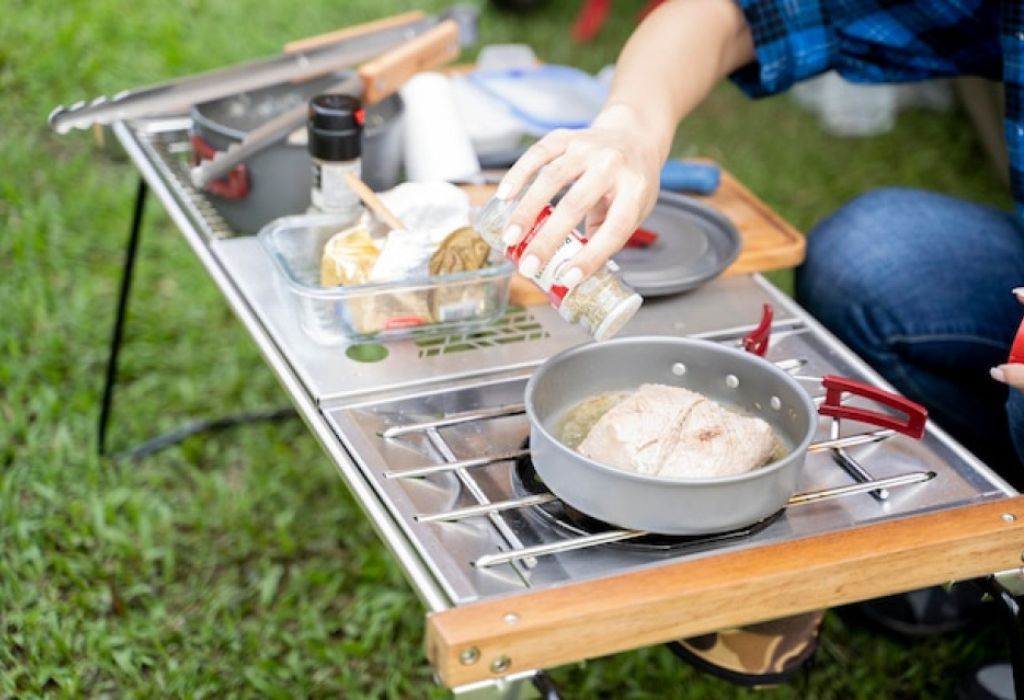
Selecting the right aluminum cookware is crucial for safe and efficient outdoor cooking. Anodized aluminum is highly recommended for its non-reactive, durable surface, which minimizes metal leaching and resists scratches.
Non-stick aluminum adds convenience for easy food release and simple cleaning, but it requires careful handling to avoid damaging the coating.
Campers should consider cookware size and weight, balancing portability with functionality. Lightweight, compact sets are ideal for backpacking, while larger pans may be more suitable for family camping trips.
Cooking style also matters—choosing cookware designed for open flame or stovetop use ensures even heat distribution and prevents warping.
High-quality brands often provide safety certifications and clear usage guidelines, helping users make informed decisions. Avoiding low-quality, imported cookware with unknown safety standards reduces potential health risks.
Selecting cookware based on material, coating, and intended use ensures safe, reliable, and enjoyable outdoor cooking every time.
Is aluminum camping cookware safe for everyday outdoor use?
Yes, aluminum camping cookware is generally safe for outdoor cooking and daily use. It’s lightweight, affordable, and conducts heat efficiently—ideal for camping and backpacking.
Does aluminum camping cookware leach into food?
Uncoated aluminum can leach small amounts of metal into food, especially when cooking acidic dishes. However, the amount is minimal and not harmful for occasional or moderate use.
Is anodized aluminum camping cookware safer?
Yes, anodized aluminum cookware is much safer. The anodizing process creates a non-reactive, scratch-resistant surface that prevents leaching and corrosion.
Can aluminum cookware handle campfire heat?
Yes, but use moderate heat. Direct exposure to intense flames can cause warping or discoloration. It’s better to place the cookware slightly above the fire or use a grill grate.
Is aluminum cookware durable enough for camping?
Yes, aluminum cookware is sturdy yet lightweight, making it perfect for outdoor adventures. Anodized or hard-anodized versions are even more resistant to dents and scratches.
Does aluminum camping cookware affect the taste of food?
Uncoated aluminum can slightly alter the taste of acidic foods like tomato sauce, but anodized or coated cookware prevents this issue completely.
Is aluminum cookware better than stainless steel for camping?
For portability, yes. Aluminum is lighter and heats faster, while stainless steel is heavier but more durable. Many campers prefer aluminum for convenience and quick cooking.
Can aluminum camping cookware go in dishwashers?
It’s best not to. Hand-washing with mild soap and a soft sponge preserves the surface and prevents discoloration from harsh detergents.
Is aluminum camping cookware safe for boiling water?
Yes, it’s perfectly safe for boiling water, making coffee, or cooking pasta outdoors. Just avoid letting water evaporate completely to prevent overheating.
What’s the best way to maintain aluminum camping cookware?
Clean it after every use, dry thoroughly to prevent oxidation, avoid cooking highly acidic foods in uncoated pans, and store it in a dry, covered space when not in use.
Conclusion
Aluminum camping cookware can be safe for everyday outdoor use when chosen carefully and maintained properly. Following expert recommendations, using appropriate utensils, and avoiding cooking highly acidic foods help minimize potential risks.
Selecting high-quality anodized or non-stick aluminum reduces leaching and ensures durability over multiple camping trips. Regular cleaning, inspection, and mindful cooking practices keep cookware safe, reliable, and long-lasting.
By understanding the benefits and limitations of aluminum cookware, campers can make informed decisions that enhance safety, convenience, and overall cooking performance. Proper care ensures enjoyable and worry-free outdoor meals while maximizing the value and lifespan of the cookware.

I’m Emma J. Caldwell, the founder, lead writer, and home-cooking enthusiast behind KitchenGuideCo.com. With a background in culinary arts and over a decade of cooking experience in both professional and personal kitchens, I created this platform to demystify recipes, offer smart kitchen gadget reviews, and guide readers through meal prep with confidence and clarity.