Calphalon anodized aluminum cookware has become a staple in many kitchens due to its combination of durability and nonstick performance.
Home cooks often praise its hard-anodized surface for even heat distribution, but questions about safety and chemical exposure persist.
Understanding whether Calphalon anodized aluminum cookware is safe is essential for those who want both effective cooking and peace of mind.
Concerns often focus on the aluminum base, nonstick coatings, and potential chemical leaching, especially when exposed to high heat.
Hard-anodized aluminum creates a non-reactive surface, preventing most food interactions, while Calphalon’s nonstick coatings are PFOA-free, addressing previous health concerns associated with older cookware (source).
Research indicates that proper use of anodized aluminum cookware does not result in harmful aluminum exposure (source).
What Is Calphalon Anodized Aluminum Cookware?
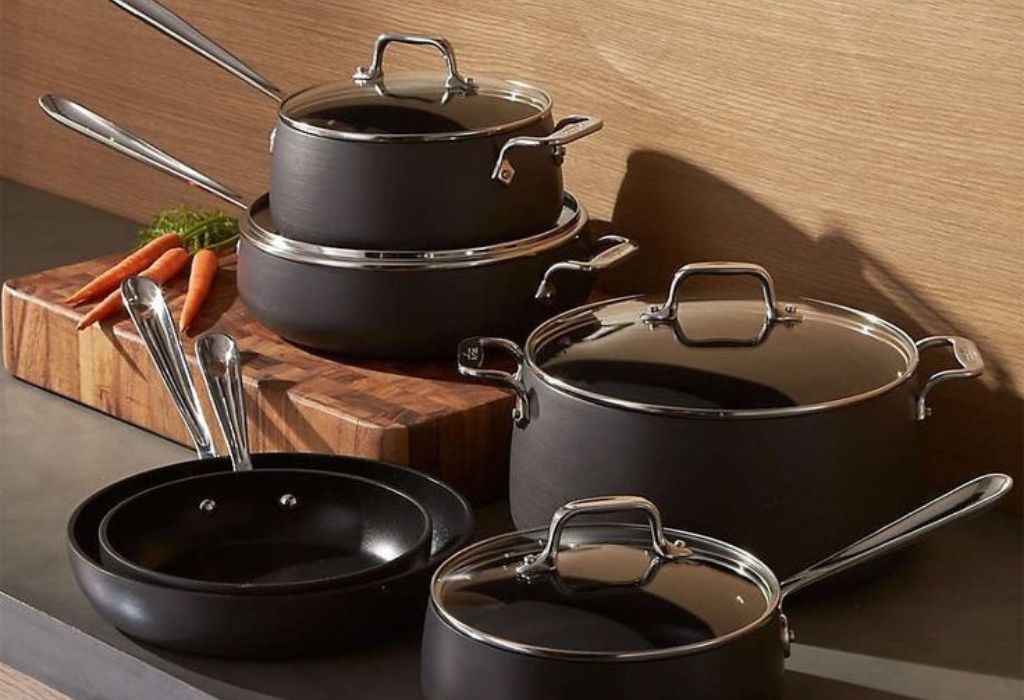
Calphalon anodized aluminum cookware is crafted with a hard-anodized aluminum base, which is created through an electrochemical process that hardens the metal.
This process increases durability, prevents corrosion, and makes the cookware non-reactive with acidic foods such as tomatoes, citrus, or vinegar-based sauces.
The cookware features a nonstick coating, typically made with PTFE, which allows for easy food release and effortless cleaning.
Calphalon ensures their nonstick surfaces are PFOA-free, addressing health concerns associated with older nonstick technologies and reducing the risk of chemical exposure during cooking (prudentreviews.com).
Calphalon’s design focuses on even heat distribution, making it ideal for a variety of cooking methods, including sautéing, frying, and simmering.
The combination of a durable anodized base and high-quality nonstick coating provides both performance and convenience, making it a popular choice among home cooks.
Understanding the materials, coating, and manufacturing process of Calphalon anodized aluminum cookware allows cooks to make informed decisions about safety, performance, and proper use. Awareness of these features is essential to maximize both longevity and cooking efficiency.
Proper care, including using appropriate utensils and avoiding overheating, ensures that Calphalon cookware remains safe and effective for everyday cooking.
By knowing the composition and safety considerations, home cooks can confidently use this popular cookware line.
Safety Considerations of Calphalon Anodized Aluminum Cookware
Calphalon anodized aluminum cookware is designed with safety in mind, thanks to its hard-anodized, non-reactive surface. The anodization process ensures that the aluminum does not leach into food, even when cooking acidic ingredients, making it safe for everyday use (cooking.stackexchange.com).
The nonstick coating, made with PTFE and guaranteed to be PFOA-free, reduces the risk of chemical exposure during cooking. Using the cookware within recommended temperature limits prevents degradation of the nonstick surface and minimizes the release of fumes.
While the cookware can withstand high heat, overheating should be avoided. Excessive temperatures can damage the nonstick coating, reduce its effectiveness, and potentially release harmful fumes.
Calphalon adheres to federal and state safety regulations, ensuring that the materials and coatings meet rigorous standards. Regular use following manufacturer guidelines, including avoiding metal utensils and abrasive cleaners, maintains both performance and safety.
Understanding these safety aspects allows home cooks to confidently use Calphalon anodized aluminum cookware. Proper care and adherence to temperature and cleaning recommendations ensure that the cookware remains safe, durable, and effective for years of cooking.
Cleaning and Maintenance Best Practices
Proper cleaning and maintenance are essential to ensure the longevity and safety of Calphalon anodized aluminum cookware. One of the most important practices is hand washing with mild dish soap and a soft sponge.
Abrasive scrubbers or harsh detergents can scratch the nonstick surface, reducing its effectiveness and potentially exposing the aluminum base.
Avoid using cooking sprays frequently, as they can leave a residue that is difficult to remove and may affect the nonstick coating over time.
Regular cleaning after each use prevents buildup of grease and food particles that could degrade the surface.
Rinsing immediately after cooking and allowing cookware to cool slightly before washing helps maintain the integrity of the coating.
Proper storage is another key factor. Stacking cookware without protective liners can lead to scratches, chips, or wear on the nonstick surface. Using cloth or silicone liners between stacked pans prevents contact damage and preserves both appearance and function.
Inspecting the cookware periodically is recommended. Look for signs of peeling, flaking, or surface irregularities. If any damage is noticed, replacing the affected cookware ensures continued safe use and prevents accidental exposure to degraded materials.
By following these cleaning and maintenance best practices, home cooks can enjoy optimal performance, safe cooking, and a longer lifespan for their Calphalon anodized aluminum cookware.
Awareness of cleaning techniques, storage solutions, and regular inspection ensures the cookware remains a reliable tool in the kitchen.
Durability and Maintenance
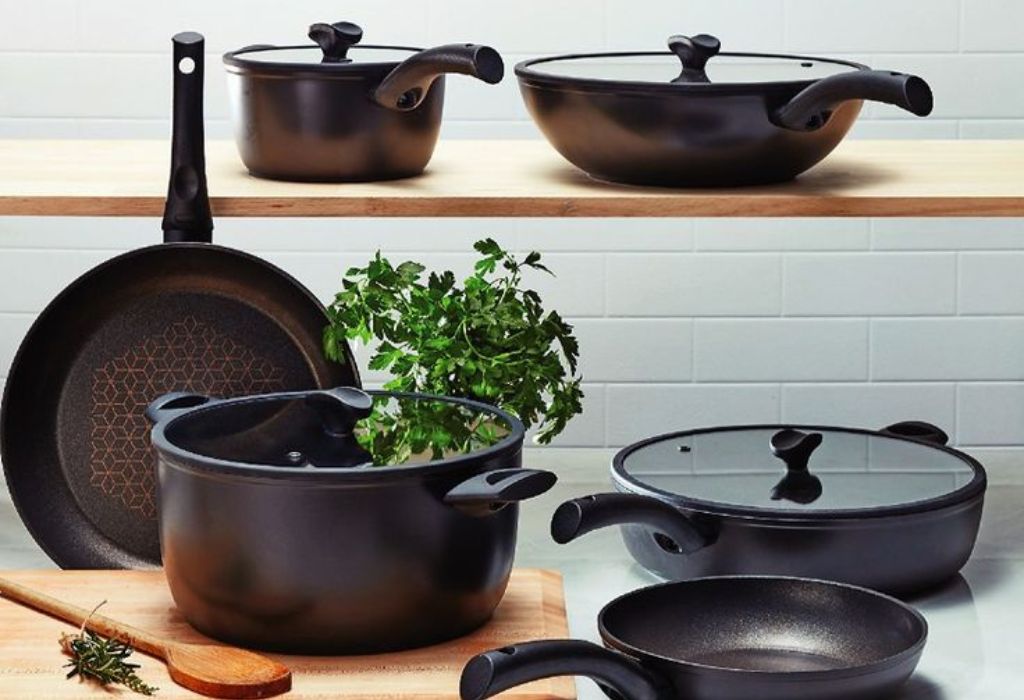
Calphalon anodized aluminum cookware is known for its long-lasting durability, thanks to the hard-anodized aluminum base. This surface resists scratches, corrosion, and warping, making it ideal for everyday cooking.
Proper maintenance is essential to extend the life of both the anodized base and the nonstick coating. Avoiding metal utensils and abrasive cleaning tools preserves the integrity of the surface and prevents damage.
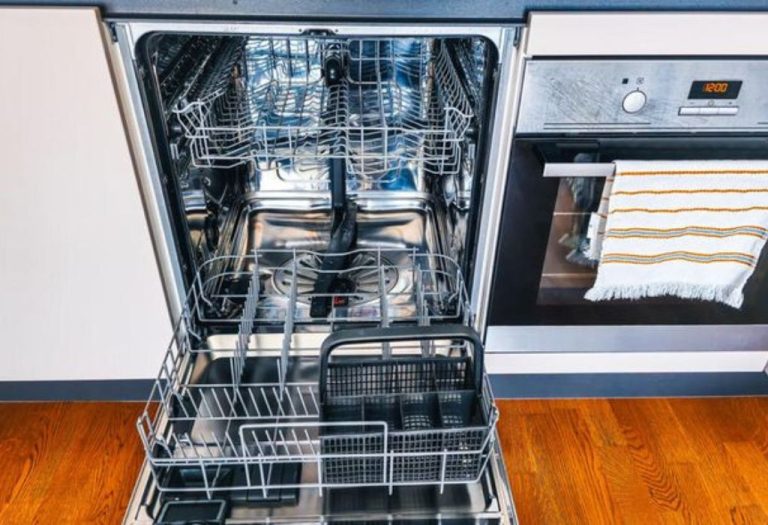
Hand washing with mild dish soap and a soft sponge is recommended to maintain the nonstick coating and ensure longevity. While some pieces are dishwasher-safe, frequent use of harsh detergents or scouring pads can degrade the coating over time.
Storage practices also affect durability. Stacking cookware without protective liners can lead to scratches and wear on the nonstick surface, so using separators or cloth layers between pans is advised.
By following proper care and maintenance guidelines, Calphalon anodized aluminum cookware can provide reliable performance and safe cooking for many years. Awareness of handling, cleaning, and storage practices maximizes both safety and efficiency in the kitchen.
High-Heat Cooking Guidelines
Calphalon anodized aluminum cookware is designed to withstand relatively high cooking temperatures, but proper usage is essential for safety and durability. Exceeding recommended heat limits can damage the nonstick coating, reduce cooking efficiency, and potentially release fumes.
Preheating the pan empty should be avoided, as this can cause rapid temperature spikes that stress both the anodized base and the nonstick surface.
Using medium or low heat for most cooking tasks ensures even heating and preserves the integrity of the cookware.
High heat should be reserved for specific applications, such as searing meats or quick sautéing, while monitoring the temperature carefully.
Selecting the right utensils is critical during high-heat cooking. Wooden, silicone, or heat-resistant plastic utensils prevent scratching or chipping of the nonstick surface. Metal utensils can compromise the coating, leading to reduced performance and potential safety concerns.
Proper ventilation is also important during high-heat cooking. Although PFOA-free nonstick coatings are generally safe, avoiding prolonged exposure to any fumes is recommended. Opening windows or using an exhaust fan can reduce airborne particles and odors.
By following these high-heat cooking guidelines, home cooks can safely use Calphalon anodized aluminum cookware for a wide range of recipes. Awareness of temperature limits, utensil selection, and ventilation ensures both longevity and safe cooking experiences.
Expert Opinions and Consumer Feedback
Experts generally consider Calphalon anodized aluminum cookware safe for everyday use. The hard-anodized surface is non-reactive, and the nonstick coatings are PFOA-free, addressing common health concerns associated with older nonstick cookware (prudentreviews.com).
Consumers frequently praise the cookware for its durability, even heat distribution, and ease of cleaning. Many report that the nonstick surface significantly reduces the need for cooking oils, making meal preparation healthier and more convenient.
Some users note that over time, the nonstick coating can wear if not properly maintained, highlighting the importance of following care instructions. Proper utensil use, gentle cleaning, and avoiding excessive heat are key to preserving the cookware’s performance and safety.
Overall, both expert reviews and consumer experiences suggest that Calphalon anodized aluminum cookware is a reliable choice for home kitchens. Awareness of proper use and maintenance ensures that the cookware remains safe, effective, and long-lasting.
Choosing the Right Set of Calphalon Anodized Aluminum Cookware
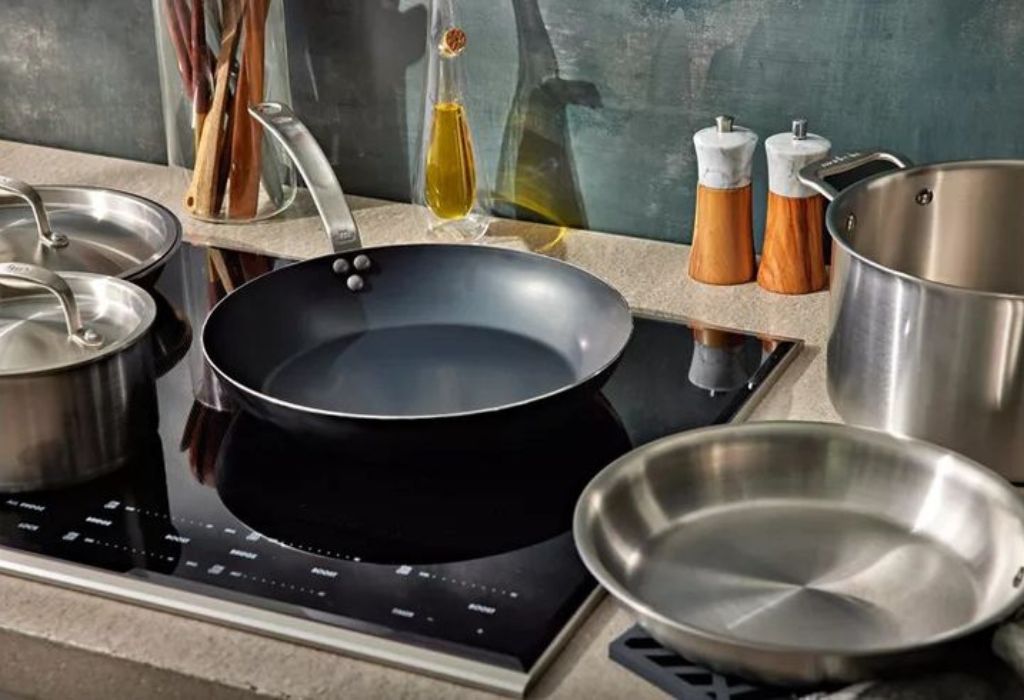
Selecting the appropriate Calphalon anodized aluminum cookware set depends on individual cooking habits, kitchen size, and desired functionality. Assessing the types of meals frequently prepared helps determine which pieces are essential, such as frying pans, saucepans, or sauté pans.
Consider the size and number of pieces in the set. A smaller set may be ideal for compact kitchens or minimal cooking needs, while larger sets offer versatility for preparing multiple dishes simultaneously.
Matching cookware to stovetop compatibility, including induction or gas burners, ensures optimal performance and efficiency.
Material quality and nonstick coating type are critical when choosing a set. Hard-anodized aluminum provides durability and even heat distribution, while PFOA-free nonstick coatings reduce chemical exposure and enhance cooking convenience.
Selecting reputable models from trusted Calphalon lines guarantees adherence to safety standards and high-quality performance.
Ease of maintenance should also influence the decision. Sets that are dishwasher-safe or easy to clean by hand save time, but care must still be taken to prevent scratching or coating damage.
Protective storage solutions, such as liners or separators, can preserve the nonstick surface and extend the lifespan of the cookware.
By carefully evaluating the number of pieces, materials, coating type, and maintenance requirements, home cooks can choose the right Calphalon anodized aluminum cookware set for their kitchen.
Making informed choices ensures both safety and efficiency while maximizing the utility and longevity of the cookware. Proper selection contributes to enjoyable, consistent, and safe cooking experiences.
What is Calphalon hard-anodized cookware?
It’s aluminum cookware treated through an anodizing process to make it stronger, non-reactive, and more durable.
Is Calphalon hard-anodized cookware safe?
Yes, it’s safe for everyday use as the anodized layer prevents aluminum from leaching into food.
Does Calphalon cookware leach aluminum?
No, the sealed anodized surface blocks any contact between food and the aluminum core.
Is the nonstick coating safe?
Yes, it’s PTFE-based but PFOA-free, meaning it’s non-toxic when used below 500°F.
Can I use metal utensils with Calphalon cookware?
No, metal utensils can scratch the coating. Use wooden or silicone tools instead.
Is Calphalon cookware oven-safe?
Yes, most pans are oven-safe up to 450–500°F, depending on the specific product line.
Can I use Calphalon cookware on induction stoves?
Only models with a magnetic stainless-steel base work on induction cooktops.
How long does Calphalon cookware last?
With proper care, it can last for many years thanks to its hard, corrosion-resistant surface.
Is it dishwasher safe?
No, hand-washing is recommended to preserve the anodized and nonstick coating.
What’s the verdict on Calphalon cookware safety?
It’s completely safe, durable, and ideal for home cooking when used properly and not overheated.
Conclusion
Calphalon anodized aluminum cookware is a safe, durable, and high-performing option for home cooking. Its hard-anodized base is non-reactive, while the PFOA-free nonstick coating ensures minimal chemical exposure when used correctly.
Following manufacturer guidelines, including proper utensil use, temperature control, and gentle cleaning, preserves the cookware’s integrity and safety. Awareness of care and maintenance practices ensures long-lasting performance and effective cooking results.
By understanding the materials, safety considerations, and proper maintenance of Calphalon anodized aluminum cookware, home cooks can confidently use this popular cookware line. Informed use allows for safe, efficient, and enjoyable cooking experiences in any kitchen.

I’m Emma J. Caldwell, the founder, lead writer, and home-cooking enthusiast behind KitchenGuideCo.com. With a background in culinary arts and over a decade of cooking experience in both professional and personal kitchens, I created this platform to demystify recipes, offer smart kitchen gadget reviews, and guide readers through meal prep with confidence and clarity.