Cast aluminum cookware has become a popular choice for many kitchens due to its lightweight design, even heat distribution, and affordability. Despite these benefits, concerns remain regarding its safety and potential health risks.
Many home cooks ask the critical question: is cast aluminum cookware toxic? Understanding the answer is important for making informed decisions about the cookware used in everyday meal preparation.
Health experts note that improperly coated or damaged aluminum cookware can leach metals into food, particularly when cooking acidic dishes like tomatoes or citrus (marthastewart.com). Research also shows that imported aluminum cookware has occasionally been found to contain lead, posing additional health concerns (fda.gov).
Despite these concerns, many experts agree that well-maintained, anodized, or properly coated cast aluminum cookware can be used safely.
Understanding how to identify quality cookware, maintain it correctly, and avoid common risks allows home cooks to enjoy the benefits of aluminum without compromising health.
What Is Cast Aluminum Cookware?
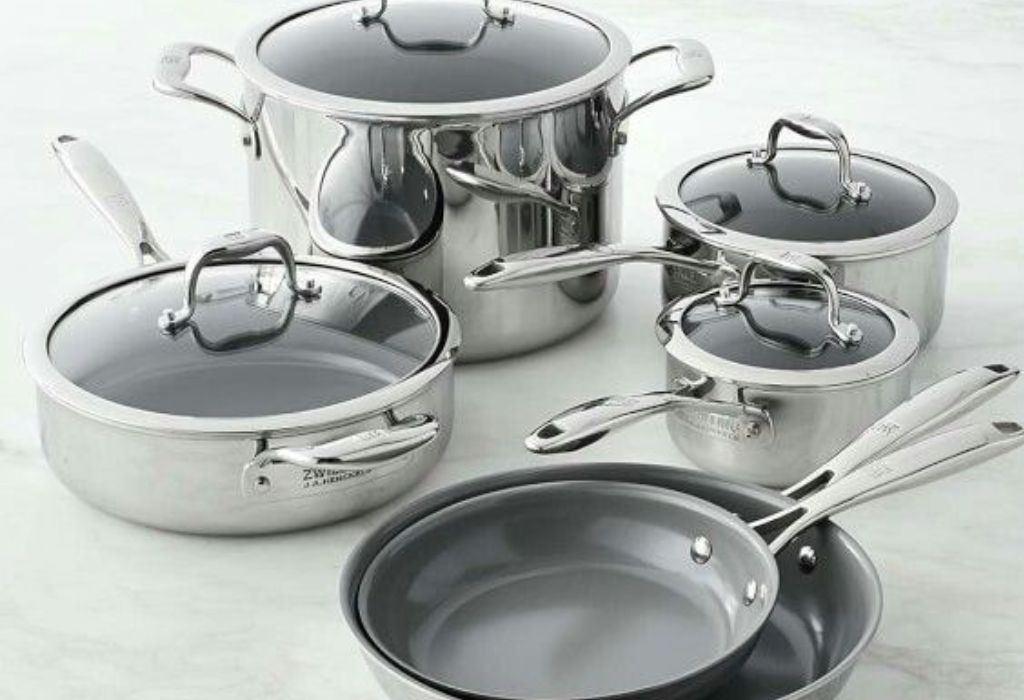
Cast aluminum cookware is made by pouring molten aluminum into molds to create various cooking vessels such as frying pans, saucepans, and Dutch ovens. The casting process allows for uniform thickness, which contributes to even heat distribution and efficient cooking.
To enhance durability and cooking performance, cast aluminum cookware is often coated with nonstick or anodized layers. These coatings prevent food from sticking, reduce the need for excess oil, and protect the aluminum from reacting with acidic ingredients like tomatoes or citrus.
The lightweight nature of cast aluminum makes it easy to handle, especially when compared to heavier materials such as cast iron. Its affordability, combined with quick heating and even heat distribution, makes it a popular choice for everyday home cooking.
Some varieties are anodized, which involves an electrochemical process that hardens the surface, making it non-reactive and resistant to corrosion. This process significantly reduces the likelihood of aluminum leaching into food and increases the cookware’s lifespan.
Understanding the composition and features of cast aluminum cookware is crucial for evaluating its safety and effectiveness. Knowledge of coatings, anodization, and material properties allows home cooks to choose cookware that is both safe and suitable for a wide range of culinary applications.
Proper care, such as using appropriate utensils, avoiding overheating, and gentle cleaning, ensures that cast aluminum cookware remains reliable, safe, and effective for years of use.
Health Risks Associated with Cast Aluminum Cookware
While cast aluminum cookware offers convenience and efficiency, potential health risks should be considered. One primary concern is aluminum leaching into food, particularly when the cookware is uncoated or damaged, and acidic ingredients such as tomatoes or citrus are cooked.
Lead contamination is another potential risk, especially with imported or low-quality cast aluminum cookware. The FDA has issued warnings about certain products that may leach lead into food, emphasizing the importance of purchasing cookware from reputable manufacturers (fda.gov).
Excessive aluminum intake has been linked to neurological concerns in long-term studies, although conclusive evidence for standard cooking practices is limited. Maintaining cookware in good condition and using anodized or coated surfaces significantly reduces the risk of exposure.
Proper usage, including avoiding high heat that can degrade coatings, also minimizes potential health hazards. Selecting high-quality, well-maintained cast aluminum cookware ensures that the benefits of lightweight and efficient cooking are enjoyed without compromising safety.
Awareness of these potential health risks allows home cooks to make informed decisions. Understanding how to identify safe cookware, maintain it properly, and avoid common pitfalls ensures that cast aluminum cookware remains a reliable and non-toxic option for everyday kitchen use.
Common Mistakes to Avoid with Cast Aluminum Cookware
Even though cast aluminum cookware can be safe when used correctly, many home cooks unknowingly make mistakes that reduce safety and lifespan. One frequent error is using metal utensils, which can scratch the nonstick or anodized surface, leading to potential aluminum exposure and reduced performance.
Overheating the cookware is another common issue. Exposing cast aluminum to excessive heat can degrade nonstick coatings, warp the pan, and release fumes, potentially affecting both safety and cooking results.
Another mistake is improper cleaning. Using abrasive scrubbers or harsh detergents can damage coatings, while failing to clean food residues promptly may promote corrosion or surface deterioration.
Stacking cookware without protective liners also contributes to scratches and wear over time. Home cooks should use cloth, silicone, or paper liners between pans to preserve the integrity of the surface.
Finally, neglecting regular inspection is a mistake. Checking cookware for peeling, flaking, or other signs of damage ensures early detection of issues that could pose health risks. Replacing damaged cookware maintains safe cooking conditions and prevents contamination.
By avoiding these common mistakes, users can maximize both the safety and longevity of their cast aluminum cookware.
Awareness of proper usage, cleaning, storage, and inspection ensures consistent performance and minimizes potential health risks, allowing cooks to enjoy the benefits of lightweight, efficient cookware with confidence.
Safety Measures to Consider
To ensure safe use of cast aluminum cookware, proper care and maintenance are essential. Regularly inspecting the cookware for scratches, dents, or damaged coatings helps prevent aluminum or other metals from leaching into food.
Avoid cooking at extremely high temperatures, as overheating can degrade nonstick coatings and increase the risk of chemical exposure. Using medium to low heat for most cooking tasks preserves the integrity of the surface and ensures consistent performance.
Selecting appropriate utensils is crucial to maintaining safety. Wooden, silicone, or plastic utensils prevent scratches, while metal tools can damage the nonstick surface and compromise its protective properties.
Choosing cookware from reputable brands that adhere to safety standards reduces exposure to contaminants such as lead or degraded coatings. Investing in high-quality, PFOA-free or anodized cookware minimizes potential risks while providing durability and reliable cooking performance.
Following these safety measures allows home cooks to enjoy the benefits of cast aluminum cookware with confidence. Awareness of temperature limits, utensil selection, regular inspections, and proper maintenance ensures safe, efficient, and long-lasting cookware use.
Alternatives to Cast Aluminum Cookware
Home cooks who are concerned about potential health risks may consider alternatives to cast aluminum cookware. Stainless steel is a popular option due to its non-reactive properties, durability, and suitability for a wide range of cooking techniques.
Cast iron is another safe alternative, providing excellent heat retention and naturally nonstick properties when properly seasoned. It is heavier than aluminum but offers long-term durability and can even add dietary iron to meals.
Ceramic-coated cookware provides a non-toxic, nonstick surface that avoids the risks associated with metal leaching. These coatings are typically free of PFOA and PTFE, making them a safe choice for low-fat and delicate cooking.
Other options include anodized aluminum cookware, which combines the lightweight and heat conductivity benefits of aluminum with a hardened, non-reactive surface. Choosing high-quality, well-maintained cookware from trusted brands reduces the potential risks associated with cooking materials.
By understanding these alternatives, home cooks can make informed decisions that balance convenience, performance, and safety. Selecting the right material for individual cooking needs ensures both effective meal preparation and peace of mind.
Expert Opinions and Research Findings
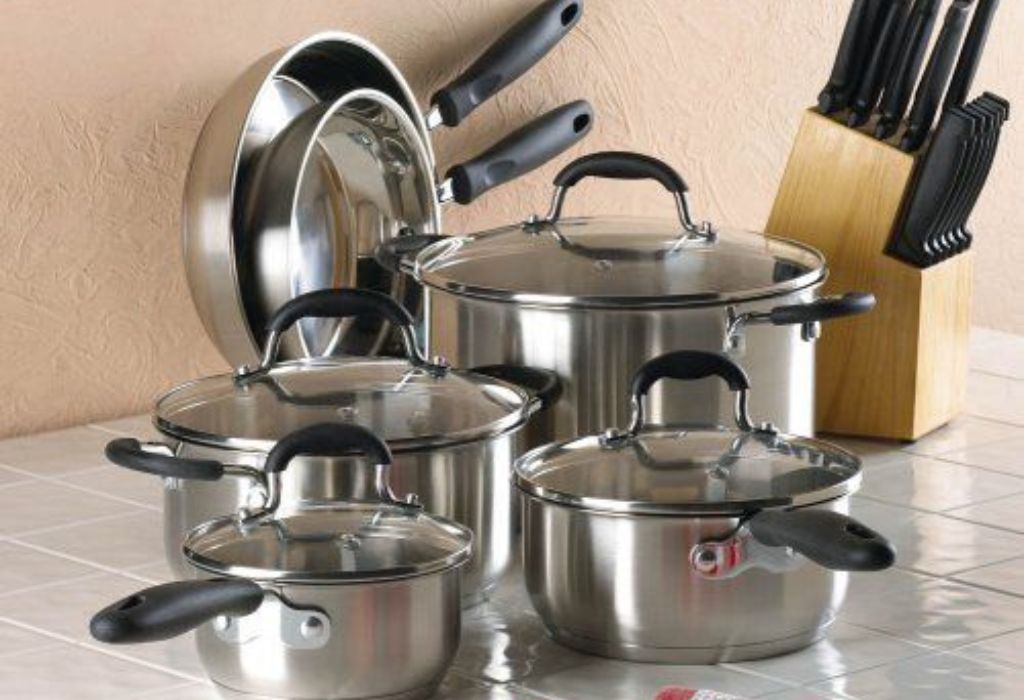
Health experts generally agree that properly maintained cast aluminum cookware can be safe for everyday use. The primary concerns arise when the cookware is uncoated, damaged, or of low quality, which may increase aluminum or lead exposure (marthastewart.com).
Scientific studies indicate that anodized or coated aluminum significantly reduces the risk of metal leaching into food. Research has shown that exposure from properly coated cookware remains well below levels considered harmful for healthy adults (pubmed.ncbi.nlm.nih.gov).
Regulatory agencies, including the FDA, advise consumers to purchase cookware from reputable manufacturers and to avoid products that may contain lead or degraded coatings. Following these guidelines ensures safe cooking practices while maintaining the benefits of lightweight and efficient aluminum cookware.
Experts also emphasize the importance of proper usage, including avoiding high heat, using appropriate utensils, and inspecting cookware regularly. These measures help prevent coating damage, minimize health risks, and extend the life of the cookware.
Overall, expert consensus suggests that cast aluminum cookware, when properly coated, maintained, and used according to guidelines, is a reliable and safe choice for home kitchens.
Awareness of expert recommendations allows home cooks to enjoy the convenience, efficiency, and performance of aluminum cookware without compromising safety.
Is cast aluminum cookware toxic?
No, cast aluminum cookware is not toxic. It’s safe for cooking when properly coated or anodized, which prevents any metal from reacting with food.
Can cast aluminum leach into food?
Bare aluminum may leach tiny amounts into acidic foods, but modern cast aluminum cookware is often coated or anodized, making it non-reactive and safe.
Is cast aluminum cookware safe for daily use?
Yes, it’s safe for daily cooking as long as the coating is intact and the cookware is not damaged or heavily scratched.
Does cooking with cast aluminum cause health problems?
There’s no scientific evidence linking aluminum cookware to health issues. The body naturally eliminates small amounts of aluminum absorbed from food.
Is anodized cast aluminum safer?
Yes, anodized cast aluminum is the safest version. The anodizing process seals the surface, preventing aluminum from leaching and adding durability.
Can acidic foods react with cast aluminum cookware?
Yes, acidic dishes like tomato sauce or vinegar can react with uncoated aluminum. Use coated or anodized pans for those recipes.
Is cast aluminum cookware eco-friendly?
Yes, aluminum is recyclable and energy-efficient to produce, making it a sustainable option when used long-term.
Can scratched cast aluminum cookware be harmful?
If the pan is uncoated, deep scratches may expose raw aluminum, slightly increasing leaching. Replace heavily worn cookware when necessary.
Is cast aluminum cookware nonstick?
Some models have nonstick or ceramic coatings that make them easy to clean and prevent food from sticking—safe as long as they’re PFOA- and PTFE-free.
What’s the verdict on cast aluminum cookware safety?
Cast aluminum cookware is safe, lightweight, and efficient for everyday use. Choose anodized or coated versions and avoid overheating or harsh cleaning to keep it toxin-free and long-lasting.
Conclusion
Cast aluminum cookware remains a popular choice in modern kitchens due to its lightweight design, excellent heat conductivity, and versatility for a wide range of cooking techniques.
While questions about toxicity and aluminum leaching persist, research and expert guidance indicate that properly coated and well-maintained cookware is safe for everyday use.
Health risks are minimal when using anodized or nonstick-coated cast aluminum cookware, especially when high-quality products from reputable brands are selected.
Careful attention to proper cooking practices—such as avoiding overheating, using wooden or silicone utensils, and avoiding acidic foods in damaged pans—further reduces potential exposure to metals.
Maintenance is key to maximizing safety and longevity. Regular cleaning with mild detergents, gentle handling, and protective storage prevent scratches, peeling, or degradation of coatings, ensuring that the cookware continues to perform efficiently over time.
Periodic inspection allows home cooks to identify wear or damage early and replace compromised cookware before it poses any risk.
Experts also recommend considering alternatives, such as stainless steel, cast iron, or ceramic-coated cookware, for those who prefer additional peace of mind regarding chemical exposure.
Understanding the benefits, limitations, and safe usage practices of each type of cookware enables informed decision-making and enhances overall kitchen safety.
Ultimately, cast aluminum cookware can be a reliable, efficient, and safe option when users follow proper guidelines and choose quality products.
By combining knowledge of materials, health considerations, and maintenance strategies, home cooks can enjoy the convenience, performance, and versatility of cast aluminum cookware while minimizing any potential risks.

I’m Emma J. Caldwell, the founder, lead writer, and home-cooking enthusiast behind KitchenGuideCo.com. With a background in culinary arts and over a decade of cooking experience in both professional and personal kitchens, I created this platform to demystify recipes, offer smart kitchen gadget reviews, and guide readers through meal prep with confidence and clarity.