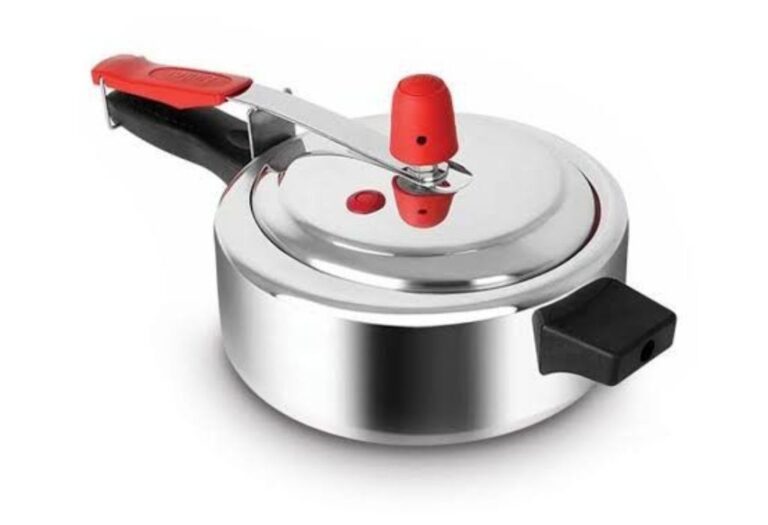
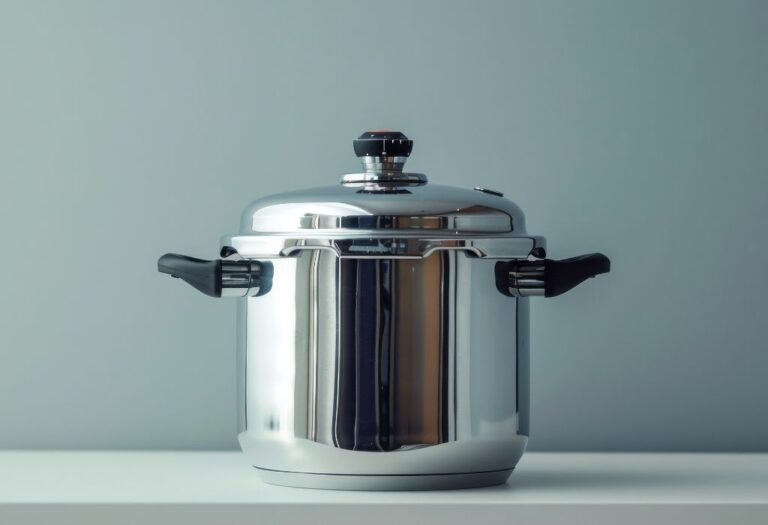
Enameled aluminum cookware has gained popularity for combining the lightweight benefits of aluminum with a durable, non-reactive enamel coating. Its attractive design, ease of cleaning, and efficient heat distribution make it a common choice in many home kitchens.
Despite these advantages, questions about safety persist. Some consumers worry that damaged or poorly manufactured enamel coatings could lead to leaching of aluminum, lead, or cadmium into food, raising potential health concerns (allrecipes.com).
Understanding whether enameled aluminum cookware is safe is essential for informed cooking choices. According to Health Canada, properly manufactured enameled cookware that meets safety standards poses minimal risk of metal leaching during normal use (canada.ca).
What Is Enameled Aluminum Cookware?
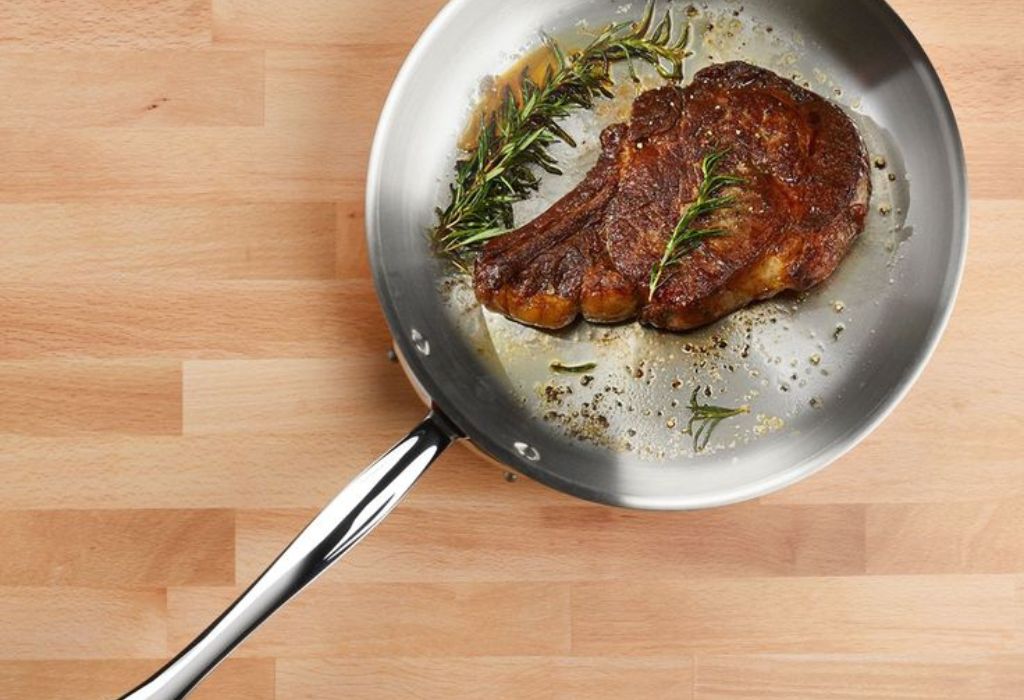
Enameled aluminum cookware is made by applying a vitreous enamel coating to aluminum pots and pans.
This enamel creates a non-reactive barrier that prevents direct contact between food and the aluminum, reducing the risk of metal leaching while maintaining the lightweight and heat-conductive properties of aluminum.
The enamel coating also enhances the cookware’s aesthetic appeal, offering colorful, smooth surfaces that are easy to clean. It prevents food from sticking and protects the underlying aluminum from corrosion, scratches, and wear, extending the lifespan of the cookware.
High-quality enameled aluminum cookware is manufactured to meet safety standards, with coatings that are free from harmful substances such as lead and cadmium. Choosing reputable brands ensures that the enamel is applied correctly and evenly, minimizing potential health risks associated with improper manufacturing.
Enameled aluminum cookware is versatile, suitable for a range of cooking methods including sautéing, simmering, and boiling. Its combination of durability, safety, and visual appeal makes it a practical option for everyday cooking in home kitchens.
Understanding the composition and features of enameled aluminum cookware allows home cooks to make informed decisions about safety, performance, and care.
Awareness of materials, coatings, and potential risks is essential to maximize both the convenience and longevity of this popular cookware.
Health Risks Associated with Enameled Aluminum Cookware
Although enameled aluminum cookware is designed to be safe, potential health risks can arise under certain conditions. If the enamel coating is chipped, cracked, or poorly applied, food may come into direct contact with the aluminum, increasing the risk of metal leaching.
Some enamel coatings, especially in lower-quality or imported products, may contain trace amounts of lead or cadmium.
These heavy metals can be harmful if they leach into food and are ingested over time, which has led regulatory agencies like the FDA to issue warnings about specific cookware products (allrecipes.com).
Acidic foods, such as tomato sauces or citrus-based dishes, can accelerate leaching if the enamel is compromised. While properly manufactured and intact enamel largely prevents this, damaged cookware should be avoided to minimize exposure.
Health authorities recommend purchasing enameled cookware from reputable brands and regularly inspecting it for signs of wear or damage. Using intact, high-quality cookware ensures minimal risk of exposure to aluminum or potentially harmful substances.
By understanding these risks, home cooks can make informed choices about their cookware. Awareness of product quality, proper use, and careful maintenance is key to enjoying the benefits of enameled aluminum cookware safely.
FDA Warnings and Consumer Safety
The U.S. Food and Drug Administration (FDA) has issued warnings regarding certain enameled cookware that may leach lead or other harmful metals into food. These alerts primarily target imported or low-quality products that do not meet federal safety standards (allrecipes.com).
Consumers are advised to verify the source of their enameled aluminum cookware and choose products from reputable manufacturers. High-quality cookware undergoes strict testing to ensure enamel coatings are free from lead, cadmium, and other hazardous substances.
Proper use and maintenance are also emphasized by the FDA. Avoid using cookware with chipped or damaged enamel, and follow manufacturer guidelines for heat limits and cleaning methods to prevent degradation of the coating.
Education on product safety empowers consumers to make informed decisions. Being aware of FDA recommendations and recognizing the risks associated with low-quality or damaged cookware helps maintain safe cooking practices at home.
By adhering to these guidelines, home cooks can enjoy the advantages of enameled aluminum cookware while minimizing potential health risks. Awareness of safety standards and careful selection ensures peace of mind in everyday cooking.
Expert Recommendations for Safe Use
Experts recommend purchasing enameled aluminum cookware from trusted brands that adhere to strict safety standards. Choosing high-quality products reduces the risk of exposure to heavy metals such as lead or cadmium, which can be present in poorly manufactured enamel coatings.
Regular inspection of cookware is essential. Check for chips, cracks, or signs of wear in the enamel surface, as damaged cookware can compromise safety and increase the likelihood of metal leaching.
Proper usage also plays a significant role in maintaining safety. Avoid using metal utensils that can scratch the enamel, and do not exceed recommended heat levels, as overheating can degrade the coating and release harmful substances.
Cleaning practices are equally important. Hand washing with mild detergents and non-abrasive sponges preserves the enamel and prolongs the lifespan of the cookware. Avoid harsh scrubbing or dishwasher detergents that could damage the surface over time.
Following these expert recommendations allows home cooks to enjoy the benefits of enameled aluminum cookware safely. By selecting quality products, maintaining the enamel coating, and practicing proper usage, consumers can ensure safe, efficient, and long-lasting cookware for everyday cooking.
Alternatives to Enameled Aluminum Cookware
For those concerned about potential health risks, there are several safe alternatives to enameled aluminum cookware. Stainless steel is a popular choice because it is non-reactive, durable, and suitable for a wide range of cooking methods.
Cast iron offers excellent heat retention and, when properly seasoned, provides a naturally nonstick surface. While heavier than aluminum, it is long-lasting and can even add dietary iron to meals.
Ceramic-coated cookware is another safe option, offering a non-toxic, nonstick surface free of PFOA and PTFE. It is ideal for low-fat cooking and delicate foods while minimizing the risk of metal leaching.
Other anodized aluminum cookware combines the lightweight and heat-conductive benefits of aluminum with a hardened, non-reactive surface. Choosing high-quality, well-maintained cookware from reputable brands reduces the risks associated with metal exposure and ensures consistent performance.
Understanding these alternatives allows home cooks to make informed decisions about cookware that meets their health, safety, and cooking needs. Selecting the right material ensures both efficient meal preparation and peace of mind.
Expert Opinions and Research Findings
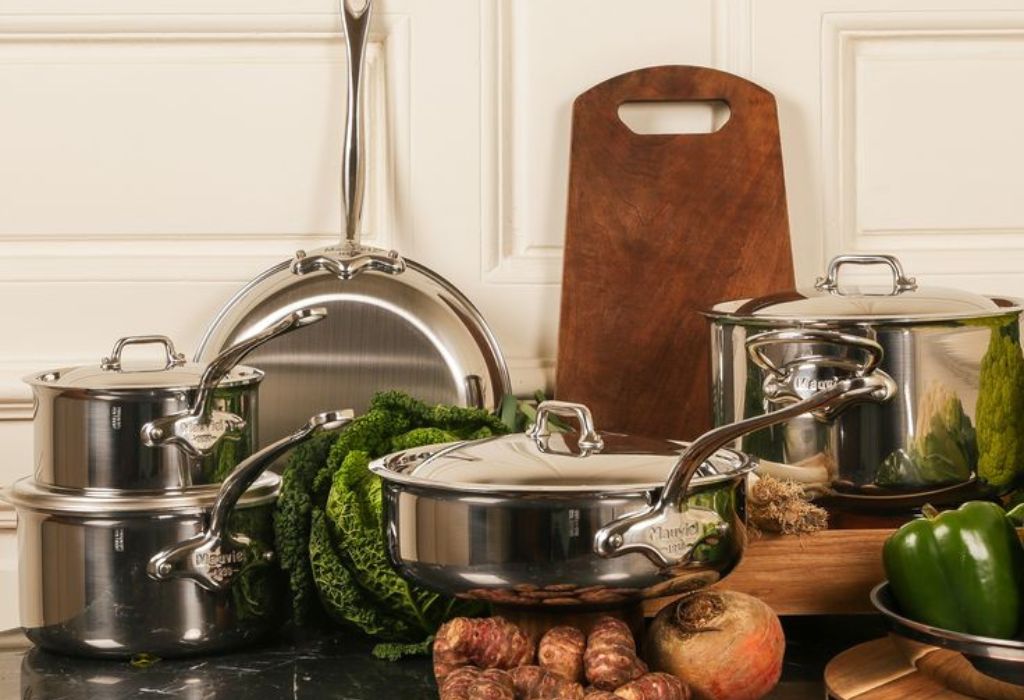
Health experts generally agree that enameled aluminum cookware can be safe when manufactured properly and maintained well. The enamel coating prevents direct contact between food and aluminum, minimizing the risk of metal leaching, while high-quality products are free from harmful substances like lead or cadmium (canada.ca).
Scientific studies indicate that intact enamel coatings effectively prevent aluminum migration into food during normal cooking conditions. Research confirms that exposure levels from properly manufactured enameled cookware remain below thresholds considered harmful for healthy adults (pubmed.ncbi.nlm.nih.gov).
Regulatory agencies, including the FDA, emphasize selecting cookware from reputable brands and avoiding damaged or low-quality products. Following these recommendations ensures both safety and optimal performance while maintaining the benefits of lightweight, heat-conductive cookware.
Experts also advise adhering to proper usage practices. Avoid overheating, use appropriate utensils such as silicone or wooden tools, and regularly inspect cookware for chips or cracks. These measures help prevent coating damage, reduce potential exposure to metals, and extend the cookware’s lifespan.
Overall, expert consensus supports the safe use of enameled aluminum cookware when guidelines for selection, usage, and maintenance are followed. Awareness of research findings and professional recommendations empowers home cooks to make informed decisions for health-conscious and efficient cooking.
Is enameled aluminum cookware safe for everyday cooking?
Yes, enameled aluminum cookware is safe for daily use. The enamel coating prevents aluminum from leaching into food and creates a smooth, non-reactive cooking surface.
What is enameled aluminum cookware?
It’s aluminum cookware coated with a layer of enamel (a type of glass-based material) that enhances durability, prevents corrosion, and provides a non-toxic, easy-to-clean surface.
Does enameled aluminum leach metal into food?
No, the enamel coating seals the aluminum base completely, preventing any contact between the metal and your food.
Is the enamel coating safe for health?
Yes, high-quality enamel coatings are non-toxic, lead-free, and cadmium-free, making them safe for cooking all types of dishes.
Can I cook acidic foods in enameled aluminum cookware?
Absolutely. The non-reactive enamel surface allows you to cook acidic foods like tomato sauce or citrus-based recipes without any metallic taste.
Is enameled aluminum cookware nonstick?
While not as slick as Teflon, enamel provides a semi-nonstick surface that’s easy to clean and doesn’t require chemical coatings.
Is enameled aluminum cookware dishwasher safe?
Some brands are labeled dishwasher safe, but hand-washing is best to preserve the enamel finish and prevent chipping.
Can enameled aluminum cookware handle high heat?
Yes, it’s heat resistant, but excessive or uneven heating can cause enamel to crack. Use low to medium heat for longer durability.
Can I use metal utensils with enameled aluminum cookware?
It’s better to use wooden, silicone, or nylon utensils. Metal utensils can chip or scratch the enamel coating.
What makes enameled aluminum cookware good for everyday cooking?
It’s lightweight, distributes heat evenly, resists corrosion, and is easy to clean—making it a safe, stylish, and practical choice for daily kitchen use.
Conclusion
Enameled aluminum cookware offers a combination of lightweight convenience, efficient heat distribution, and aesthetic appeal, making it a popular choice for home kitchens.
While concerns about potential metal leaching exist, properly manufactured and well-maintained cookware significantly reduces health risks.
High-quality enameled cookware with intact coatings prevents direct contact between food and aluminum, while reputable brands ensure the absence of harmful substances such as lead or cadmium. Regular inspection, careful handling, and adherence to manufacturer guidelines further minimize any potential exposure.
Proper usage practices, including avoiding overheating, using wooden or silicone utensils, and gentle cleaning, help maintain the integrity of the enamel coating and extend the lifespan of the cookware.
Awareness of these practices allows home cooks to safely enjoy the benefits of enameled aluminum cookware for everyday cooking.
For those seeking alternatives or additional peace of mind, materials such as stainless steel, cast iron, or ceramic-coated cookware provide non-reactive and durable options.
Understanding the differences among cookware types enables informed decisions tailored to personal cooking needs and safety preferences.
Ultimately, enameled aluminum cookware can be a safe, durable, and efficient option when consumers prioritize quality, maintenance, and proper usage.
By following expert recommendations and staying informed about potential risks, home cooks can confidently enjoy versatile cookware that enhances both health and cooking performance.

I’m Emma J. Caldwell, the founder, lead writer, and home-cooking enthusiast behind KitchenGuideCo.com. With a background in culinary arts and over a decade of cooking experience in both professional and personal kitchens, I created this platform to demystify recipes, offer smart kitchen gadget reviews, and guide readers through meal prep with confidence and clarity.