Choosing the right cookware can be confusing, especially with so many materials on the market. Forged aluminum cookware has gained attention for its lightweight design and excellent heat conductivity.
Many home cooks and professionals ask whether this type of cookware is truly reliable. Studies indicate that aluminum cookware accounts for a significant share of global kitchen use, reflecting its popularity and practical benefits (Statista).
Forged aluminum is created by shaping solid aluminum under high pressure, resulting in a denser and stronger material than traditional cast aluminum. This process enhances durability, prevents warping, and promotes even heat distribution, making it appealing for everyday cooking.
Despite these advantages, concerns about aluminum exposure and potential leaching remain. Experts note that anodized or coated forged aluminum reduces these risks while maintaining the performance benefits of aluminum (Harvard T.H. Chan School of Public Health).
Understanding the pros and cons of forged aluminum cookware is essential for anyone seeking both safety and cooking efficiency. This article explores its features, health considerations, practical tips, and comparisons with other cookware materials.
What Is Forged Aluminum Cookware?
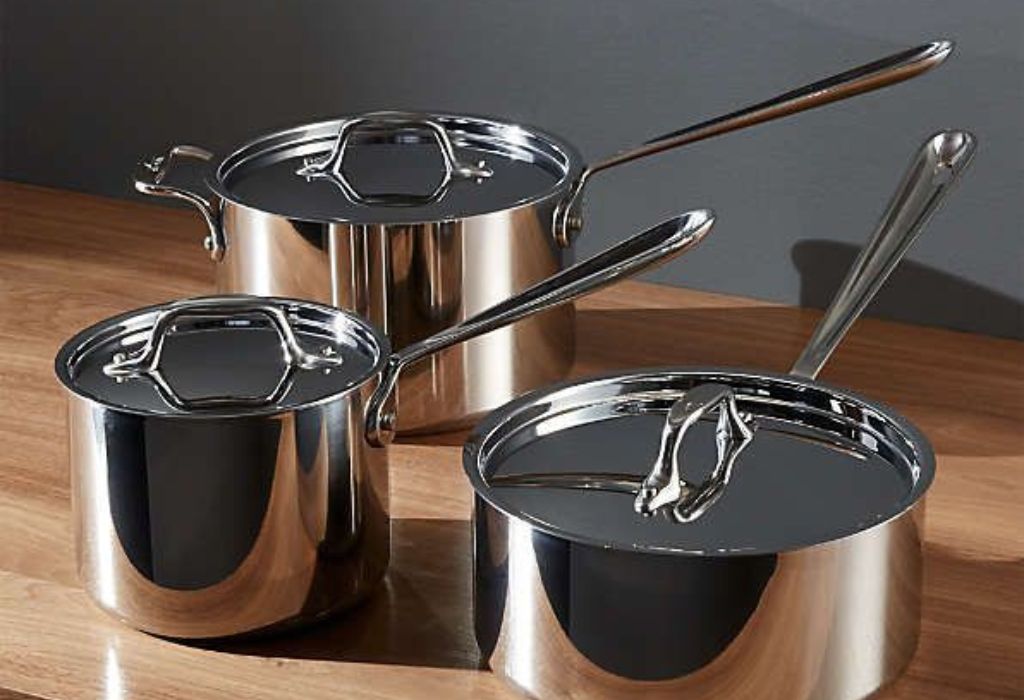
Forged aluminum cookware is made by shaping solid aluminum under high pressure, producing a dense and strong material. This manufacturing process differs from casting, which involves pouring molten aluminum into molds, and it results in a pan that is less prone to warping and more durable over time.
The forging process enhances heat distribution, allowing the cookware to cook food evenly and reduce hotspots. This ensures that delicate dishes like sauces or seared proteins achieve consistent results, improving both efficiency and meal quality.
Forged aluminum is lightweight compared to materials like cast iron, making it easier to handle during cooking. Despite its light weight, it maintains durability and structural integrity, offering a balance of convenience and performance that appeals to home cooks and professional chefs alike.
In addition to heat performance and durability, forged aluminum cookware can be anodized or coated to enhance safety and reduce the risk of aluminum leaching.
These protective layers create a non-reactive cooking surface, making the cookware suitable for a wide variety of recipes, including those involving acidic ingredients.
Overall, forged aluminum cookware combines the benefits of traditional aluminum with improved strength, stability, and safety. Its thoughtful design addresses both cooking performance and long-term usability, making it a versatile choice for modern kitchens.
Pros of Forged Aluminum Cookware
Forged aluminum cookware offers excellent heat conductivity, allowing food to cook quickly and evenly. This property minimizes hotspots, which can prevent burning and ensure consistent results across a variety of recipes.
Its lightweight design makes it easy to handle compared to heavier materials like cast iron or stainless steel. Home cooks can easily lift, move, and maneuver pans, reducing strain and improving overall kitchen efficiency.
Forged aluminum is generally more affordable than high-end cookware materials such as copper or premium stainless steel. This cost-effectiveness allows users to enjoy durable, high-performing cookware without a significant financial investment.
Durability is another major advantage, as the forging process produces a stronger and more warp-resistant pan than standard cast aluminum. The cookware maintains its shape and structural integrity even under frequent, high-temperature use.
Many forged aluminum pans feature anodized or coated surfaces, providing resistance to corrosion and reducing the risk of aluminum leaching into food. These protective layers also improve the pan’s non-stick properties and simplify cleaning, making the cookware convenient for everyday use.
Overall, forged aluminum cookware combines performance, ease of use, and durability. Its design enhances both cooking efficiency and safety, making it a practical choice for a wide range of cooking styles.
Cons of Forged Aluminum Cookware
One of the main concerns with forged aluminum cookware is the potential for aluminum leaching when cooking acidic foods. Although anodized or coated surfaces minimize this risk, uncoated pans may react with ingredients like tomatoes or citrus, affecting both flavor and safety.
Forged aluminum surfaces can be susceptible to scratches if abrasive utensils or cleaning tools are used. Scratches may compromise non-stick properties or the protective coating, reducing the cookware’s lifespan and performance.
Aluminum is not naturally compatible with induction cooktops because it is non-magnetic. Cookware with a magnetic base or specialized design is required for induction, which may add to the cost or limit compatibility with certain stovetops.
High heat can also pose a challenge for some forged aluminum pans, as excessive temperatures may affect coating integrity over time. Following proper cooking practices and avoiding prolonged exposure to extreme heat helps maintain performance and safety.
Lastly, while forged aluminum is lightweight and durable, it may not retain heat as effectively as heavier materials like cast iron. This can be a limitation for cooking techniques that benefit from prolonged heat retention, such as slow searing or simmering.
Despite these limitations, careful selection and proper maintenance allow forged aluminum cookware to remain a safe and efficient option for everyday cooking. Awareness of these cons helps users maximize both performance and longevity.
Safety Considerations
Safety is a key concern when using forged aluminum cookware, particularly regarding potential aluminum exposure. Properly coated or anodized cookware significantly reduces the risk of aluminum leaching, making it safe for most cooking applications.
Cooking highly acidic foods in uncoated aluminum can cause reactions, but selecting anodized or non-reactive surfaces prevents this issue. These coatings create a durable barrier between food and the aluminum core, maintaining both safety and flavor.
Regular maintenance also plays a critical role in ensuring safe use. Avoiding abrasive cleaning tools, inspecting for scratches, and following manufacturer guidelines helps preserve the integrity of the pan and its protective layers.
Choosing cookware free of harmful chemicals like PFOA and PTFE further enhances safety. Modern forged aluminum pans often meet these standards, providing peace of mind while cooking daily meals.
Ultimately, awareness of these safety considerations allows home cooks to enjoy the benefits of forged aluminum cookware without compromising health.
With proper selection and care, this cookware is a reliable and secure option for everyday kitchen use.
Comparing Forged Aluminum with Other Cookware Materials
Forged aluminum offers advantages over cast iron by being much lighter while still providing efficient heat distribution.
Cast iron retains heat for longer periods but requires more effort to handle and maintain, making forged aluminum a more convenient choice for everyday cooking.
Compared to stainless steel, forged aluminum heats up faster and distributes heat more evenly. Stainless steel is highly durable and non-reactive but can create hotspots and requires more energy to reach desired cooking temperatures.
Nonstick cookware provides convenience for food release and cleaning but often comes with concerns over coating degradation. Forged aluminum with a non-stick or anodized surface offers similar ease of use without the same long-term coating risks.
Copper cookware is known for exceptional heat control but is expensive and requires maintenance such as lining for safe use.
Forged aluminum delivers comparable heat performance at a more affordable price, offering a practical balance between cost and functionality.
Overall, forged aluminum cookware combines heat efficiency, lightweight handling, and safety features that many alternative materials cannot fully match. Its versatility makes it suitable for a wide range of cooking techniques while maintaining durability and reliability.
How to Choose the Right Forged Aluminum Cookware
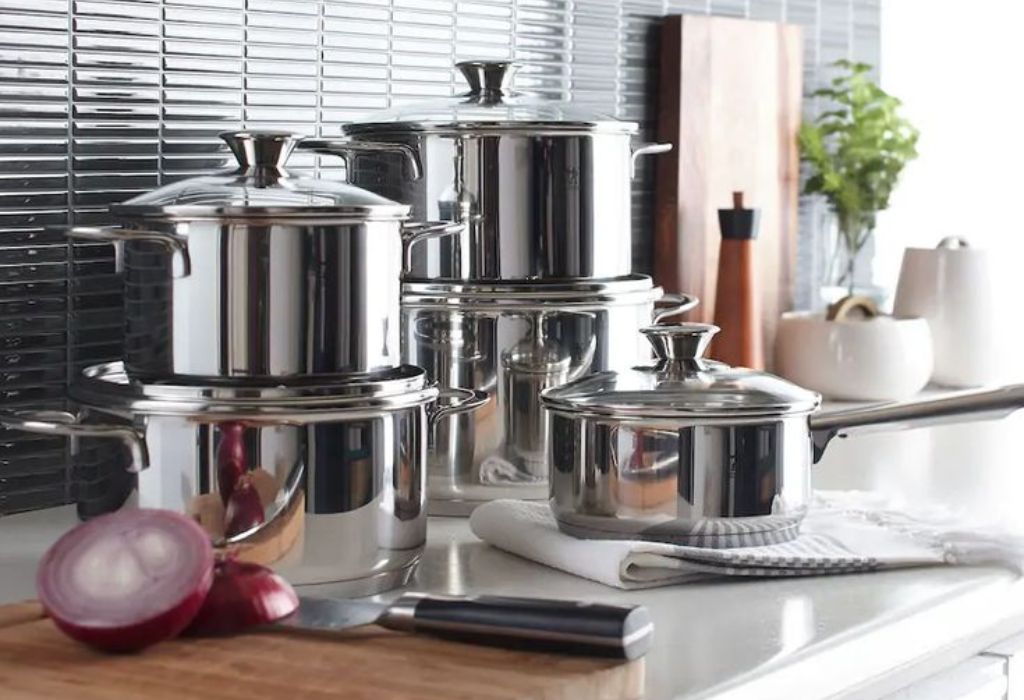
Selecting the right forged aluminum cookware involves more than just picking a pan that looks good. Key factors such as material quality, coating type, heat conductivity, and overall durability should guide the decision-making process.
Choosing high-quality forged aluminum ensures that the cookware will perform efficiently and last for years, making it a worthwhile investment for any kitchen.
One of the first considerations is the type of coating or finish on the pan. Anodized or non-stick surfaces provide additional protection against aluminum leaching, improve food release, and make cleaning easier.
Cookware without a protective layer may still perform well but could require more careful use, especially when cooking acidic foods. Understanding these differences helps ensure both safety and longevity.
The pan’s thickness and heat distribution are also critical. Thicker forged aluminum pans tend to retain heat better and provide more even cooking, reducing the risk of hotspots.
This is particularly important for tasks such as searing, simmering sauces, or baking delicate dishes. High-quality pans often include reinforced bases to enhance stability and prevent warping under high heat.
Consider compatibility with your cooktop. Not all aluminum pans are naturally induction-ready, so checking for magnetic bases or multi-layer construction ensures that the cookware works efficiently with your stovetop. Additionally, handle design and ergonomics affect usability, with sturdy, heat-resistant handles enhancing safety and comfort during use.
Brand reputation and warranty are also valuable indicators of quality. Established brands often test their cookware for performance, durability, and safety, and a good warranty provides peace of mind for long-term use. Reading reviews and product specifications can further guide consumers toward the best options.
Ultimately, choosing the right forged aluminum cookware involves evaluating safety, performance, and convenience.
By carefully considering these factors, cooks can select a pan that not only meets their cooking needs but also provides consistent, reliable results over time. Proper selection sets the foundation for a safe, efficient, and enjoyable cooking experience.
Is forged aluminum cookware good?
Yes, forged aluminum cookware is excellent for everyday cooking. It offers fast, even heating, great durability, and a sleek, modern design—perfect for both beginners and experienced cooks.
What is forged aluminum cookware?
It’s cookware made from a solid piece of aluminum that’s heated and pressed into shape under high pressure, resulting in a stronger and thicker structure than standard stamped aluminum pans.
Is forged aluminum cookware durable?
Yes, it’s highly durable. Forging strengthens the aluminum, making it resistant to warping, denting, and daily wear.
Does forged aluminum cookware heat evenly?
Yes, aluminum’s natural conductivity ensures quick and even heat distribution, reducing hot spots while cooking.
Is forged aluminum cookware safe for health?
Yes, it’s safe when coated or anodized. Most forged aluminum cookware has non-toxic nonstick coatings that prevent aluminum from leaching into food.
Can forged aluminum cookware go on all cooktops?
It works on gas, electric, and glass stoves. However, it only works on induction cooktops if it has a magnetic stainless-steel base.
Is forged aluminum cookware dishwasher safe?
Some models are labeled dishwasher safe, but hand-washing is recommended to preserve the nonstick coating and exterior finish.
Can I use metal utensils with forged aluminum cookware?
No, avoid metal utensils. Use wooden, silicone, or nylon tools to protect the surface and extend the cookware’s lifespan.
What are the advantages of forged aluminum cookware?
It’s lightweight, strong, heats evenly, and looks premium. It’s also typically nonstick, making it easy to clean and efficient for everyday meals.
What are the disadvantages of forged aluminum cookware?
It’s not as long-lasting as stainless steel or cast iron, and if the nonstick coating wears off, it may lose performance. Some cheaper versions may also warp under very high heat.
Conclusion
Forged aluminum cookware is a practical choice for home cooks seeking a balance of durability, heat efficiency, and affordability. Its lightweight design, even heat distribution, and protective coatings make it suitable for a wide range of cooking applications.
While potential concerns like aluminum leaching, scratches, or induction incompatibility exist, they can be effectively managed through proper selection, maintenance, and mindful cooking practices. Choosing anodized or coated cookware minimizes these risks while maximizing performance.
Compared to alternatives such as cast iron, stainless steel, or nonstick pans, forged aluminum offers a versatile option that combines convenience, safety, and reliability. Its performance advantages make it especially appealing for daily use in modern kitchens.
By understanding both the pros and cons, cooks can make informed decisions that align with their cooking needs and safety preferences. Investing in quality forged aluminum cookware and following recommended care guidelines ensures meals are prepared efficiently, safely, and consistently.

I’m Emma J. Caldwell, the founder, lead writer, and home-cooking enthusiast behind KitchenGuideCo.com. With a background in culinary arts and over a decade of cooking experience in both professional and personal kitchens, I created this platform to demystify recipes, offer smart kitchen gadget reviews, and guide readers through meal prep with confidence and clarity.