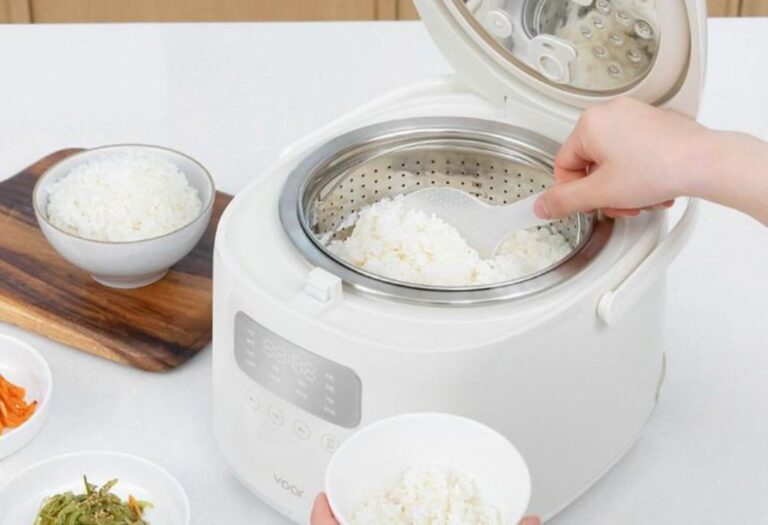
Cooking with a rice cooker is super easy, right? Well, it usually is! But like any kitchen appliance, there are a few things to keep in mind. Knowing the proper rice cooker safety precautions is especially important if you’re new to using one. This guide will help you understand all the basics. We’ll explore everything you need to know to cook delicious rice safely, so you can enjoy your meals worry-free. Let’s get started!
Choosing the Right Rice Cooker
Picking the correct rice cooker is the first step toward safe operation. Think about your needs and cooking habits before buying. There are many types, from basic models to smart cookers with fancy features. The size of your household and how often you cook rice will influence your choice. Choosing a cooker that fits your lifestyle is essential for both convenience and safety. A cooker that’s too big might be awkward to handle, while one that’s too small could lead to overheating if you frequently cook a large volume.
Features to Consider
Several features can affect how safe a rice cooker is. Look for models with automatic shut-off functions; this is a key safety element. A well-designed cooker should stop heating when the cooking cycle is complete. Check for cool-touch handles and exteriors. These features prevent burns if you accidentally touch the cooker. Think about the lid’s design as well. A snug-fitting lid will keep steam and heat contained, reducing the risk of spills and accidents. Good construction and safety certifications are also helpful.
- Automatic Shut-Off: This feature is very important. It turns off the cooker when the rice is done, preventing overcooking and possible overheating.
- Cool-Touch Exterior: A rice cooker with a cool exterior is much safer, particularly if you have children or pets. It reduces the chance of accidental burns.
- Sturdy Construction: A well-built rice cooker will last longer and be less likely to have electrical problems. Look for durable materials and quality craftsmanship.
- Safety Certifications: Look for certifications like UL or ETL. These indicate that the cooker has been tested and meets safety standards.
Size Matters: Finding the Right Capacity
The size, or capacity, of your rice cooker significantly impacts its safety and how well it cooks rice. If you usually cook for a single person or a couple, a smaller cooker, like a 3-cup model, might be adequate. However, a family of four or more will benefit from a larger capacity, like a 10-cup or even larger model. Cooking too little rice in a large cooker can potentially cause the heating element to become exposed, which could cause a problem. Conversely, overloading a small cooker could lead to boiling over and overheating.
- Small Cookers (3-5 cups): Great for singles, couples, or anyone who cooks rice occasionally. They heat up quickly and use less energy.
- Mid-Size Cookers (6-8 cups): A good choice for small families or those who cook rice several times a week.
- Large Cookers (10+ cups): Best for large families, gatherings, or people who want to cook a big batch of rice for meal prep.
Materials and Construction
The materials used to build a rice cooker directly affect its safety and longevity. Look for cookers made with high-quality, non-toxic materials. The inner pot, where the rice cooks, is especially important. Many cookers use a non-stick coating. Be sure to check what the coating is made of. If the coating is damaged, the material can flake off into your food. The exterior material should be durable and resistant to heat.
- Inner Pot Materials: Stainless steel and ceramic are great choices for the inner pot. They are durable, safe, and easy to clean.
- Non-Stick Coatings: If you choose a non-stick pot, make sure the coating is safe and in good condition. Avoid using metal utensils that could scratch it.
- Exterior Materials: Look for exteriors made of heat-resistant plastics or metals.
Essential Rice Cooker Safety Precautions During Use
Using a rice cooker safely requires paying close attention during the cooking process. Even with a well-designed cooker, certain steps are necessary to avoid potential risks. This includes everything from proper placement to safe handling practices. Knowing these things can prevent accidents and ensure your rice is cooked perfectly every time. Following these simple steps will help you enjoy delicious rice safely and worry-free.
Proper Placement and Stability
Where you place your rice cooker can greatly impact its safety. Always put it on a stable, flat surface. Avoid placing it near the edge of a counter where it could be knocked off. Make sure the surface is heat-resistant. Some materials can be damaged by the heat emitted from the cooker. Keep the cooker away from water and damp areas, as these can be a hazard with electrical appliances. Proper placement will help you avoid tipping or spills.
- Stable Surface: A level surface will prevent the cooker from tipping over.
- Heat Resistance: Make sure the surface can handle the heat generated by the cooker.
- Away From Water: Keep the cooker away from sinks or wet areas to prevent electrical hazards.
- Clearance: Provide enough space around the cooker for steam to escape.
Water and Ingredient Guidelines
The amount of water and other ingredients you add is very important. Always follow the manufacturer’s instructions for the correct water-to-rice ratio. Using too much water can cause the rice to boil over, while too little can result in burnt rice and potential damage to the cooker. When adding other ingredients, like vegetables or spices, add them in the correct amount according to the cooker’s guidelines. Improper ingredient ratios can affect cooking and make it unsafe.
- Follow the Instructions: Always check the user manual for the correct water-to-rice ratio.
- Measure Accurately: Use the measuring cup that came with your cooker.
- Avoid Overfilling: Do not exceed the maximum fill line on the inner pot.
- Add Ingredients Safely: Add ingredients in the quantities that the manual recommends.
Operating Procedures and Practices
Correct operating practices are essential for rice cooker safety. Before starting, always inspect the cooker for any signs of damage. Make sure the power cord is in good condition. Plug the cooker directly into a wall outlet; avoid using extension cords, which can overheat. Never touch the cooker while it is operating, especially the steam vent. Allow the cooker to cool completely before cleaning or moving it. Doing this will prevent burns or electrical shocks.
- Inspect Before Use: Check for any damage to the cord or cooker before plugging it in.
- Plug-In Safely: Plug the cooker directly into a wall outlet.
- Avoid Contact: Do not touch the hot surfaces or steam vent while the cooker is on.
- Cool Down Before Cleaning: Allow the cooker to cool completely before cleaning it.
Cleaning and Maintenance for Rice Cooker Longevity
Regular cleaning and maintenance are key to keeping your rice cooker safe and working well. Proper care extends the life of the appliance and prevents potential issues. Cleaning your rice cooker after each use will help remove any leftover food particles that could cause odors or affect the taste of your rice. Regular cleaning is important to keep the cooker in good shape.
Cleaning Frequency and Procedures
Cleaning your rice cooker regularly is crucial. After each use, let the cooker cool down completely. Remove the inner pot and wash it with warm, soapy water. Use a non-abrasive sponge or cloth to avoid scratching the surface. Clean the lid and any removable parts. Wipe down the exterior of the cooker with a damp cloth. Never immerse the entire cooker in water, as this could damage the electrical components. Following these steps helps maintain hygiene and the lifespan of the appliance.
- Clean After Each Use: Wash the inner pot and lid after each use.
- Use Mild Soap and Water: Avoid harsh chemicals or abrasive cleaners.
- Wipe Down the Exterior: Keep the exterior clean with a damp cloth.
- Dry Thoroughly: Make sure all parts are completely dry before putting them back together.
Maintaining the Inner Pot and Lid
The inner pot and lid require special attention to ensure their longevity. The inner pot is the most used part of the cooker, and its non-stick coating can wear down over time. Avoid using metal utensils that could scratch the surface. Replace the pot if the coating becomes damaged. The lid also needs proper care. Clean it regularly to remove any food residue that may accumulate. Check the rubber seal on the lid periodically and make sure it is clean and in good condition.
- Avoid Metal Utensils: Use wooden or silicone utensils to avoid scratching the non-stick coating.
- Inspect the Pot Regularly: Replace the inner pot if the coating is damaged.
- Clean the Lid: Regularly clean the lid to prevent food build-up.
- Check the Seal: Make sure the rubber seal on the lid is clean and in good shape.
Troubleshooting and Common Issues
Sometimes, problems come up with a rice cooker. Learning how to troubleshoot these common issues can save you time and potential safety issues. If your rice is sticking to the bottom, try adjusting the water-to-rice ratio. If your rice is undercooked or overcooked, there may be an issue with the heating element. If the cooker is not turning on, check the power cord and outlet. Most issues can be resolved with some simple troubleshooting steps.
- Sticky Rice: Adjust the water-to-rice ratio and make sure the inner pot is clean.
- Undercooked/Overcooked Rice: Check the heating element and make sure you’re using the right settings.
- Cooker Not Turning On: Check the power cord and outlet, and make sure the cooker is plugged in correctly.
- Strange Odors: Clean the inner pot and lid thoroughly to remove any food residue.
Avoiding Common Rice Cooker Hazards
Certain situations can lead to potential hazards when using a rice cooker. Knowing how to avoid these risks will help ensure safe cooking. For example, leaving a rice cooker unattended while it is operating can be dangerous. Spills and electrical issues can lead to accidents. Understanding common hazards and how to avoid them is very important.
Steam Burns and Scalds
Steam burns are a common hazard. The steam released from a rice cooker is very hot and can cause serious burns. Always avoid leaning over the cooker while it is operating. When opening the lid, stand back and allow the steam to dissipate before reaching in. Be careful when handling the inner pot, as it can also be very hot. Protect your hands with oven mitts or pot holders when removing the pot or serving rice. Always use caution around steam to prevent injuries.
- Avoid Direct Contact: Keep your face and hands away from the steam vent and lid.
- Open Carefully: When opening the lid, stand back and let the steam escape.
- Use Oven Mitts: Protect your hands when handling the inner pot.
- Be Mindful of Hot Surfaces: Remember that the cooker itself can get very hot.
Electrical Safety and Fire Prevention
Electrical safety is very important when using a rice cooker. Never use the cooker with a damaged cord or plug. Make sure the cord is not frayed or worn. Always unplug the cooker when not in use. Avoid using the cooker near water. Never immerse the cooker in water or expose it to moisture, as this could cause an electrical shock. Following these steps helps reduce the risk of fire and electrical hazards.
- Inspect the Cord: Regularly check the power cord for damage.
- Avoid Water: Keep the cooker away from water and wet areas.
- Unplug When Not in Use: Unplug the cooker when it is not in use or during cleaning.
- Use Proper Outlets: Use grounded outlets and avoid using extension cords.
Spills, Overflows, and Other Hazards
Spills and overflows can be messy and can also create hazards. Always measure the rice and water accurately to prevent spills. Do not overfill the cooker. If you see water or steam escaping, turn off the cooker immediately and allow it to cool before addressing the issue. Be aware of the placement of the cooker to prevent spills and accidents. Following these steps will help you enjoy your meal safely.
- Measure Accurately: Always use the correct rice-to-water ratio.
- Avoid Overfilling: Do not exceed the maximum fill line in the inner pot.
- Handle with Care: Always handle the cooker with care to avoid dropping or spilling.
- Monitor the Cooker: Pay attention to any signs of overflow or unusual behavior.
Frequently Asked Questions
Question: Is it safe to leave a rice cooker unattended while it cooks?
Answer: It is generally safe to leave a rice cooker unattended because most models have an automatic shut-off feature. However, it’s always a good idea to keep an eye on it to ensure nothing goes wrong, especially if you have an older model without this feature.
Question: Can I cook other foods in a rice cooker besides rice?
Answer: Yes, you can. Many rice cookers can cook things like oatmeal, quinoa, steamed vegetables, and even some types of meat and fish. Always check your cooker’s manual for specific instructions and recommended recipes to ensure safe and effective use.
Question: How often should I replace my rice cooker?
Answer: The lifespan of a rice cooker varies depending on its quality, how often you use it, and how well you take care of it. With proper care and maintenance, a good-quality rice cooker can last for several years. Replace it if it shows signs of damage or if it is no longer cooking rice properly.
Question: What do I do if my rice cooker starts smoking?
Answer: If your rice cooker starts smoking, immediately unplug it from the power source to stop it from working. Allow it to cool completely before inspecting it to see what might have caused the issue. Do not use it again until you’ve identified and fixed the problem.
Question: Can I put the inner pot of my rice cooker in the dishwasher?
Answer: It depends on the manufacturer’s instructions. Some inner pots are dishwasher-safe, while others are not. Always check the manual to confirm whether your inner pot can be cleaned in the dishwasher to avoid damaging the cooker.
Final Thoughts
Cooking with a rice cooker can be a fantastic way to enjoy delicious, perfectly cooked rice with minimal effort. However, to get the best results, keeping rice cooker safety precautions in mind is very important. This involves choosing the right model, following safe operating procedures, and practicing regular cleaning and maintenance. By taking these simple steps, you can help ensure that your rice cooker lasts for many years and provides you with consistently great meals. Remember to always prioritize safety, and you’ll be well on your way to enjoying perfectly cooked rice every time! Remember to always refer to your cooker’s user manual for specific instructions and guidelines to guarantee safe use.

I’m Emma J. Caldwell, the founder, lead writer, and home-cooking enthusiast behind KitchenGuideCo.com. With a background in culinary arts and over a decade of cooking experience in both professional and personal kitchens, I created this platform to demystify recipes, offer smart kitchen gadget reviews, and guide readers through meal prep with confidence and clarity.