Making fresh juice at home can be amazing, but a common problem is how to stop juice from separating. This can be frustrating, especially if you’re new to juicing. Luckily, it’s a fixable issue! We’ll explore the reasons behind this and the best methods to keep your juices looking and tasting their best. We’ll go through the steps you can take to make sure your juice stays mixed and delicious. Let’s get started!
Why Does Juice Separate? Understanding the Science
Juice separation, also known as sedimentation, happens because the solid particles in the juice, like pulp and fibers, are heavier than the liquid. Over time, these particles settle at the bottom, creating a layered appearance. This is a completely natural process, but it can make your juice look less appealing and potentially affect the flavor and texture. The separation rate depends on several factors, including the type of fruit or vegetable, the juicing method, and the presence of natural stabilizers. The good news is that by learning the factors, you can dramatically slow down the separation and keep your juice looking fresh.
The Role of Pulp and Fiber
The pulp and fiber are the solid components left after juicing fruits and vegetables. They contain crucial nutrients and give juice its body and texture. When the juice sits, these heavier particles naturally sink to the bottom due to gravity. This is why you often see a clear liquid on top and a thicker layer at the bottom. The amount of pulp left in the juice directly influences how quickly it separates. Juices with a higher pulp content, like those made with a masticating juicer, tend to separate slower than juices made with a centrifugal juicer. The size and weight of the pulp particles affect their settling time. For example, finely ground pulp may stay suspended in the liquid longer than large, heavy chunks. The fiber also contributes to the juice’s viscosity, which can slow down separation.
- Pulp: Pulp, made up of tiny bits of the fruit or vegetable, adds flavor and nutrients to the juice.
- Fiber: Fiber, the part that is not broken down during digestion, slows down the separation process.
- Particle Size: The size of these particles plays a big part in how fast the juice separates. The bigger the particles, the faster they will sink.
- Juicing Method: Different juicers extract pulp differently, impacting how quickly separation occurs.
The Impact of Different Juicing Methods
The type of juicer you use plays a big role in how quickly your juice separates. There are mainly two types of juicers: centrifugal and masticating. Centrifugal juicers are faster and use spinning blades to extract juice, which can introduce air and result in more pulp. Masticating juicers, on the other hand, slowly crush and squeeze the produce, extracting more juice and less air. This results in juice with less separation. Masticating juicers often produce juice with a smoother texture and a longer shelf life because of the reduced oxidation. The amount of air introduced during the juicing process also affects separation. Oxidation can speed up the process, making the juice look less fresh more quickly.
- Centrifugal Juicers: These juicers are quick but tend to create juices that separate faster.
- Masticating Juicers: These are slower but produce juice that separates less quickly.
- High-Speed Blenders: Blenders can also produce juice, but the results can be different.
- Air Exposure: The amount of air that mixes with the juice affects how fast it separates.
Fruit and Vegetable Composition Matters
The natural composition of the fruits and vegetables you use affects how quickly your juice separates. Some produce contains more soluble fiber and natural stabilizers that help keep the juice mixed. For example, apples, with their pectin content, help to slow down separation. The amount of water in the fruits and vegetables also plays a part. Fruits and vegetables with high water content tend to separate more quickly. Fruits with high sugar content can also affect the juice’s stability. When you select your ingredients, knowing their properties can help you make juice that lasts longer without separating. Different fruits and vegetables have different levels of nutrients and stabilizers, which affect separation rates.
- Pectin: Found in apples, pectin helps to thicken juice and slow down separation.
- Water Content: Fruits and vegetables with more water tend to separate faster.
- Acidity: Acidic fruits may help stabilize the juice to some degree.
- Sugar Levels: High sugar content can affect juice stability.
Ways to Prevent Juice Separation
There are several methods you can use to prevent or slow down juice separation and maintain a consistent texture and appearance in your juice. These methods vary in complexity and effectiveness, so you can explore which ones work best for your needs. From simple stirring techniques to specific ingredient additions, each method offers a unique approach to addressing the separation issue. Try mixing different techniques to ensure your juice is the way you want it!
Stirring or Shaking Before Drinking
One of the easiest ways to deal with separation is to give the juice a good stir or shake right before you drink it. This helps redistribute the pulp and fiber that have settled at the bottom. Shaking is especially effective when you store juice in a container with a tight lid. Just a few seconds of shaking can return the juice to its original, mixed state, ensuring each sip has the same flavor and texture. If you’re drinking the juice immediately after making it, a quick stir is often sufficient. If you plan to store the juice for later, always give it a thorough shake right before you drink it. Stirring or shaking is a quick fix but doesn’t change the separation over time. It is a good idea to stir just before consumption.
- Quick Fix: Simple and effective for immediate consumption.
- Redistribution: Mixes settled pulp and fiber back into the juice.
- Storage: Shake well before drinking juice that has been stored.
- No Extra Ingredients: No need to add anything extra.
Using a High-Speed Blender
Instead of a traditional juicer, a high-speed blender can be used to make juice. Blenders can combine the ingredients, creating a more blended mixture compared to the separated texture of some juicer-made juices. Blenders keep more of the fiber in the juice, which helps keep the ingredients mixed together. If you prefer a less pulpy drink, you can strain the juice after blending. This method is effective for maintaining a consistent texture, but it can be more time-consuming. You can modify your blending process to your liking to control the thickness. Blending helps to keep the juice mixed, making it a good choice for people who want less separation.
- Added Fiber: Blending keeps the fiber in the juice, which aids in preventing separation.
- Uniform Texture: Creates a smooth, mixed texture.
- Adjustable Pulp: You can control the pulp level by straining.
- Time: Blending is more time-consuming than some juicing methods.
Adding Natural Stabilizers
You can add natural stabilizers to your juice to help slow down separation. Some ingredients, like chia seeds, flax seeds, or even a small amount of citrus juice, can help to thicken the juice and bind the pulp. Chia seeds and flax seeds, when soaked, form a gel-like consistency that helps keep the juice mixed. Citrus juices, such as lemon or lime juice, can also help by increasing the acidity, which can stabilize the pulp. Experiment with different amounts to find what works best for your taste and the specific fruits and vegetables you are using. These natural additions can improve the texture and the nutritional value of your juice. Stabilizers can also help improve the shelf life of your juice.
- Chia Seeds: Thicken the juice with a gel-like consistency.
- Flax Seeds: Similar to chia seeds, also offer a thickening effect.
- Citrus Juice: Increases acidity for stability.
- Flavor Impact: Choose stabilizers that enhance, not ruin, the juice’s flavor.
Choosing the Right Juicer for Minimal Separation
The type of juicer you choose affects how much your juice separates. Not all juicers are the same, and different models operate in different ways. Understanding how each juicer works can help you pick the best one to reduce separation. Consider your needs and how much you will use the juicer. The right juicer can produce juice that stays mixed for a longer time, which will improve your experience. Investing in the right juicer will make a big difference in the quality of your juice and how well it keeps.
Masticating Juicers: The Best Choice
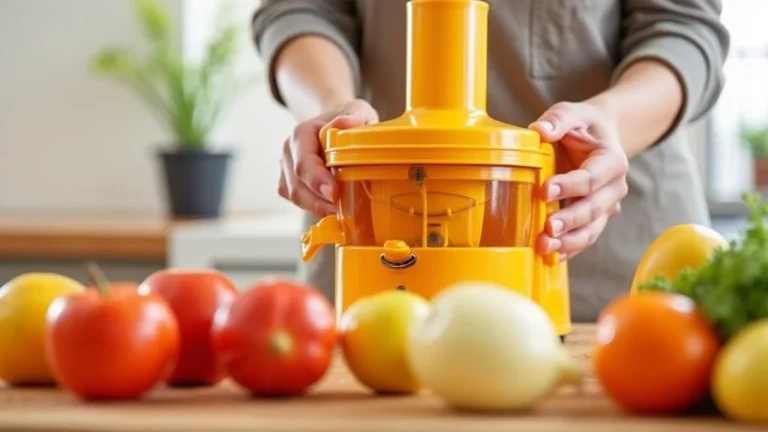
Masticating juicers, also known as slow juicers, are the best choice for minimal separation. These machines use a slow-moving auger to crush and squeeze the produce, extracting juice without introducing a lot of air. This process reduces oxidation and results in juice with less separation. Because they gently extract the juice, they preserve more nutrients and produce a juice with a smoother texture. They’re ideal if you want juice that stays mixed for a longer time. The juice created by these juicers often lasts longer in the fridge without separating. They do have some drawbacks, such as being slower and sometimes more expensive than other types of juicers. Many people who want the best-quality juice prefer masticating juicers because of their ability to minimize separation.
- Slow Squeezing: Extracts juice gently with less air.
- Reduced Oxidation: Minimizes separation and preserves nutrients.
- Smoother Texture: Produces juice with a consistent texture.
- Longer Shelf Life: Juice made by these juicers separates less quickly.
Centrifugal Juicers: A Faster Option
Centrifugal juicers are fast and easy to use, making them a good option if you are in a hurry. These juicers use a spinning blade to shred produce, then spin it against a mesh filter to extract juice. However, the high speed of these juicers introduces more air into the juice, which can cause faster oxidation and separation. While centrifugal juicers are convenient, the juice often separates more quickly than juice made with a masticating juicer. If you choose a centrifugal juicer, drink your juice quickly or consider methods like stirring or adding stabilizers to slow down separation. You can often find them at a lower price point than masticating juicers. Although they may cause more separation, they are a good option if you want a quick juicing experience.
- High Speed: Makes juicing fast and simple.
- Air Introduction: Can lead to faster oxidation and separation.
- Pulp: Can have more pulp.
- Cost: Usually more affordable.
Other Juicer Types and Blenders
Besides masticating and centrifugal juicers, other options can also make juice, each with pros and cons. Some people use triturating juicers, which use twin gears to crush produce, producing high-quality juice with minimal separation, similar to masticating juicers. High-speed blenders can also make juice, though they keep more of the fiber, leading to a thicker texture and less separation. Some blenders have a juicing setting. These are a good choice if you like to have all the fiber. When choosing, consider how much you value texture, nutrient preservation, and ease of use. Every method has its own benefits and drawbacks, so pick the best one for your needs. Always look at the juicer’s specifications and what other users say about it.
- Triturating Juicers: Use twin gears to gently extract juice.
- Blenders: Keep more fiber, resulting in a thicker juice.
- Citrus Juicers: Best for citrus fruits, with little separation.
- Ease of Use: Weigh up ease of use against juice quality.
Experimenting With Juice Recipes
Creating juice recipes and trying out new combinations of fruits and vegetables is fun. Learning how different ingredients work together will help you find ways to prevent separation and create delicious and visually appealing juices. When exploring new recipes, remember that some combinations are more stable than others. Adding ingredients with natural stabilizers or experimenting with the order in which you add ingredients can greatly affect the final result. Be sure to consider your favorite flavor profiles and then explore recipes that minimize separation. Learning to make your own juices is a way to make better choices about what you eat.
Recipes with Low Separation
Some recipes naturally result in less separation due to their ingredients. For example, recipes that use apples or other pectin-rich fruits as a base tend to separate less because pectin acts as a natural stabilizer. You could try recipes that focus on low-water fruits and vegetables like carrots, beets, and apples. Using a combination of ingredients that has a higher fiber content helps. The recipes that combine a blend of textures, such as adding a small amount of leafy greens, also do a good job of creating a more consistent mixture. These types of juice recipes often keep their texture and visual appeal for longer. When you pick your recipes, remember that some recipes have lower separation by their nature.
- Apple Base: Apples contain pectin, a natural stabilizer.
- Low-Water Ingredients: Carrots and beets help reduce separation.
- Fiber Content: Recipes with high fiber separate less.
- Texture Blend: Adding leafy greens can help to stabilize the juice.
Ingredient Order Matters
The order in which you add ingredients to your juicer or blender can affect how the juice mixes. When using a juicer, adding softer fruits and vegetables first, followed by harder ones, can help create a more stable mixture. For example, starting with cucumber, followed by apples, and ending with carrots, can yield a juice with less separation. When using a blender, try adding the liquid ingredients and softer produce before the harder ones. Experimenting with ingredient order helps distribute pulp and fiber for a consistent mix. Proper ordering helps to create a better mix, preventing separation and improving the final texture and taste of the juice. By learning how to arrange your ingredients, you can make juices that stay mixed for longer.
- Juicers: Soft fruits first, then harder produce.
- Blenders: Liquids and soft ingredients first.
- Pulp Distribution: Helps in consistent distribution.
- Texture: Impacts the final texture of the juice.
Recipe Ideas to Explore
There are many juice recipes you can explore to find your favorites and minimize separation. Green juices that combine leafy greens with fruits and vegetables are popular and often separate less due to the fiber content of the greens. Beet and carrot juice with a touch of ginger and apple can be a delicious combination that also minimizes separation. You can add a small amount of citrus juice, like lemon or lime, to add flavor and a little stability. Experiment with adding a small amount of chia seeds or flax seeds for additional thickness and nutrients. Consider a recipe with a balance of sweet, tart, and earthy flavors to make the most enjoyable juice while keeping it well mixed. Try new things and keep experimenting to find the recipes that you like!
- Green Juice: Combine spinach, kale, cucumber, apple, and lemon for a balanced, low-separation juice.
- Beet and Carrot Boost: Mix beets, carrots, apple, and ginger for an earthy, well-mixed juice.
- Tropical Blend: Blend pineapple, mango, and a splash of lime for a flavorful, low-separation juice.
- Berry Blast: Mix berries, banana, and a touch of flaxseed for a thicker, less-separating smoothie-like juice.
Storage and Serving Tips
Proper storage and serving methods are key to keeping your juice fresh and preventing separation. Understanding how to correctly store your juice and serving it right can make a huge difference in how it looks and tastes. Using the proper techniques, you can keep your juice from separating and maintain its quality. Here’s a look at ways to store and serve your freshly made juice.
Best Containers for Juice Storage
The type of container you use to store juice can have a big impact on how long it stays fresh and mixed. Air can speed up separation and oxidation, so choosing the right container is vital. Glass containers with airtight lids are ideal because they prevent air exposure and do not react with the juice. Avoid using plastic containers, as they can absorb flavors and chemicals from the juice. If you are using plastic, be sure that the container is BPA-free. Make sure the lids are tightly sealed to prevent air from entering the container. Storing juice in the right container can help to keep your juice fresh for longer and slow down separation.
- Glass: Ideal for storing juice.
- Airtight Lids: Prevent air exposure.
- BPA-Free Plastics: Safe option.
- Container Size: Choose containers in the right size to minimize air.
Refrigeration Techniques
Proper refrigeration is important for slowing down separation and maintaining the freshness of your juice. Always refrigerate your juice immediately after making it. Keep the juice in the coolest part of your refrigerator. Try to avoid storing your juice in the refrigerator door, as the temperature fluctuates. This helps to reduce the rate of oxidation and slow down the separation process. The colder temperature helps the juice keep its flavor and look better for longer. Proper storage will extend your juice’s shelf life. It also keeps the juice more flavorful and visually appealing. A colder temperature will greatly reduce how quickly the juice separates.
- Immediately Refrigerate: Store juice as soon as you have made it.
- Coolest Part of Fridge: Store the juice away from the door.
- Temperature Stability: Avoid temperature changes.
- Shelf Life: Proper refrigeration increases the juice’s shelf life.
Serving Your Juice
How you serve your juice can impact its appearance and taste. Always give the juice a good shake or stir just before serving to re-mix any settled pulp and fiber. Use a clear glass to serve your juice so you can see its color and texture. Serve juice chilled for the best flavor experience. You can also add ice cubes to the juice to keep it cold and maintain a consistent texture. If you are adding ice, you should add it right before serving so that the ice will not water down the juice. Make your juice more enjoyable by serving it properly and enjoying the flavors!
- Shake or Stir: Mix before serving.
- Clear Glass: Showcases color and texture.
- Chill: Enhances flavor and freshness.
- Ice: Keeps the juice cold and reduces separation.
Frequently Asked Questions
Question: Why does the pulp settle at the bottom of my juice?
Answer: The pulp settles because the solid particles in the juice are heavier than the liquid. They sink to the bottom over time due to gravity.
Question: Does the juicer type affect separation?
Answer: Yes, masticating juicers produce juice with less separation than centrifugal juicers because they introduce less air and extract more pulp.
Question: Can I stop juice from separating completely?
Answer: It’s difficult to stop separation completely, but you can slow it down by using the right juicer, adding stabilizers, and storing the juice correctly.
Question: How do I re-mix the juice after it separates?
Answer: Simply shake or stir the juice thoroughly before drinking to re-mix the pulp and fiber.
Question: What can I add to my juice to make it less likely to separate?
Answer: You can add chia seeds, flax seeds, or a bit of citrus juice to act as stabilizers and thicken the juice.
Final Thoughts
Preventing juice separation doesn’t have to be difficult. By exploring the basics of why juice separates, you can make better choices about your juicing methods, ingredients, and storage techniques. Using a masticating juicer, adding stabilizers like chia seeds, and storing juice in airtight glass containers can help significantly. Remember that giving your juice a quick stir or shake right before you drink it is often enough to enjoy its fresh, mixed texture. Don’t let separation put you off! With the right knowledge and some easy steps, you can create delicious, visually appealing juices that stay fresh and flavorful. So, explore different recipes, experiment with ingredients, and enjoy your homemade juices to the fullest. Happy juicing!

I’m Emma J. Caldwell, the founder, lead writer, and home-cooking enthusiast behind KitchenGuideCo.com. With a background in culinary arts and over a decade of cooking experience in both professional and personal kitchens, I created this platform to demystify recipes, offer smart kitchen gadget reviews, and guide readers through meal prep with confidence and clarity.