A common question for juicer owners is, can juicer parts go in dishwasher? It’s a valid concern! Figuring out the best cleaning method is essential for keeping your juicer hygienic and in good working order. Some parts might be dishwasher-safe, while others need a gentler touch. Don’t worry, we’re going to break it down simply. Let’s explore how to identify what can go in the dishwasher and how to clean your juicer parts for optimal performance.
Dishwasher Safety for Juicer Parts
The first and often most important question when cleaning your juicer is whether the parts can be cleaned in a dishwasher. It’s often easier and more convenient, but not all juicer components are created equal. The heat and harsh detergents used in dishwashers can potentially damage certain materials, leading to warping, cracking, or discoloration. Therefore, the key is to correctly identify the parts that are safe for the dishwasher. This often depends on the material the part is made of and the design of the juicer itself. Checking your juicer’s manual is the best first step. It provides specific instructions and lists which parts, if any, are dishwasher-safe.
Material Matters: Plastic vs. Other Components
The type of material a juicer part is made of heavily influences whether it’s dishwasher-safe. Plastic parts are often the most vulnerable. High heat can cause plastics to warp or melt, affecting their fit and function. Some juicers use BPA-free plastics, which are generally considered safer, but even these can be susceptible to damage. Metal parts, such as blades or some filters, are generally more durable. However, they can sometimes corrode or rust if exposed to harsh detergents or prolonged moisture. It’s always a good idea to inspect metal parts for any signs of wear and tear, especially after repeated dishwasher cycles.
- Plastic Components: Check the juicer’s manual for dishwasher safety. If safe, place on the top rack to avoid direct heat from the heating element.
- Metal Blades: While often dishwasher-safe, check for rust or dullness. Hand washing is often preferred for longevity.
- Rubber Seals: These are susceptible to heat damage. Hand wash to maintain their elasticity and sealing ability.
- Electronic Components: These must always be kept away from water. Never put the juicer’s base or motor in the dishwasher.
A study published by the University of California found that high temperatures in dishwashers can degrade the polymers in certain plastics, potentially leading to the release of harmful chemicals.
Assessing Your Juicer’s Manual for Guidance
Your juicer’s manual is your best friend when it comes to cleaning. It is the definitive source for whether can juicer parts go in dishwasher. The manual will typically include a detailed cleaning section with specific instructions for each component. It often features diagrams or lists that clearly identify which parts are dishwasher-safe and which ones require hand washing. If your manual is lost or misplaced, you can usually find a digital copy online on the manufacturer’s website. Be sure to look for specific instructions regarding the recommended type of detergent to use, whether a rinse aid is needed, and any specific placement instructions within the dishwasher, such as which rack to use.
Understanding Symbols and Labels
Most juicer parts will have some kind of symbol on them that helps you understand if it is dishwasher safe. These symbols help you figure out how to clean the parts. The most common symbol is a square with plates inside. This means the item is dishwasher-safe. If the symbol is crossed out, it’s not safe for the dishwasher. You might also find other symbols, like a wavy line that represents washing the item in water, or a hand, which indicates the item should be hand washed. It’s important to know what these mean to ensure the item lasts. Always prioritize the manual over the symbols if they don’t agree, as the manufacturer knows the item best.
Best Practices for Dishwasher Cleaning Juicer Parts
If your juicer’s parts are dishwasher-safe, there are practices to follow to ensure they are cleaned thoroughly without causing any damage. Loading the dishwasher correctly, selecting the right cycle, and maintaining your dishwasher are all essential steps. These practices will protect the juicer parts and extend their life, allowing you to enjoy fresh juice daily. Following these cleaning tips will help keep your juicer in good condition for longer, which can save you time and help you create healthy juice.
Proper Loading and Placement
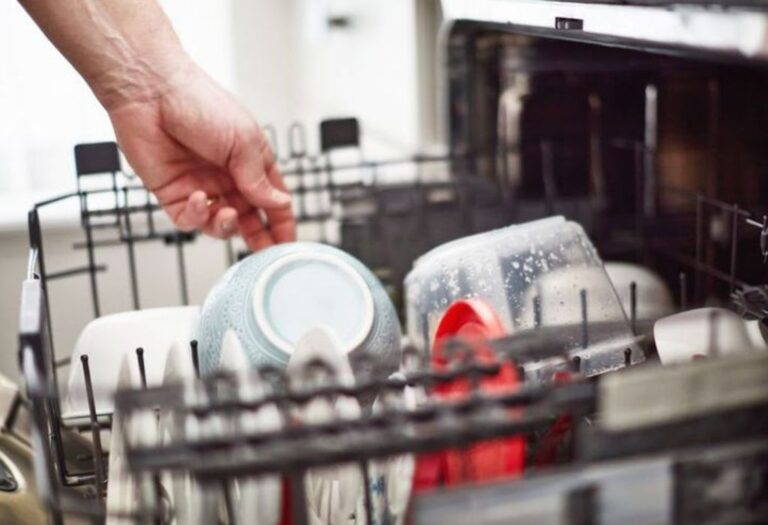
The placement of juicer parts in the dishwasher is important. Always refer to your juicer manual for specific instructions, but generally, place plastic parts on the top rack. This part of the dishwasher is typically further from the heating element, reducing the risk of warping or melting. Metal components, such as blades and filters, can often be placed on the bottom rack, but avoid overcrowding. This ensures that water and detergent can reach every part effectively. Make sure to separate the parts to allow water to circulate and clean efficiently.
Selecting the Right Dishwasher Cycle
Choosing the correct dishwasher cycle is important. Select a cycle that uses a moderate water temperature. Avoid the “sanitize” or “high-heat” options, as these settings can damage the plastic parts of your juicer. Also, use a gentle detergent. Avoid using harsh, abrasive cleaners or excessive amounts of detergent, as these can leave residue on the juicer parts. Regularly check the dishwasher’s filter and clean it to remove food particles that can clog the spray arms and reduce cleaning effectiveness. Always consider the recommended cycle to keep your juicer in the best condition.
- Gentle Cycle: Choose a gentle cycle with a lower water temperature to protect plastic parts.
- Mild Detergents: Use a mild dishwasher detergent to avoid harsh chemicals that can damage parts.
- Air Dry: If possible, select an air-dry function to avoid excessive heat exposure, or open the dishwasher door after the cycle to allow the parts to cool down.
According to the Association of Home Appliance Manufacturers, using the right dishwasher cycle can significantly extend the life of your kitchen appliances.
Maintaining Your Dishwasher
A well-maintained dishwasher is vital for cleaning your juicer parts safely and effectively. Regularly clean the dishwasher’s filter to prevent food particles from recirculating and potentially redepositing on the juicer components. Run the dishwasher on an empty cycle with a dishwasher cleaner every few months to remove mineral buildup and soap residue. Check the spray arms for clogs, and make sure they rotate freely to ensure proper cleaning. These steps will keep the dishwasher and juicer parts clean and ready to go.
Hand Washing: The Preferred Method
While some parts can be cleaned in a dishwasher, hand washing is a safer choice for many juicer components. It gives you greater control over the cleaning process and the ability to use milder soaps and lower water temperatures. Also, this method reduces the risk of damage to the parts and ensures a longer lifespan for your juicer. Hand washing requires a few simple steps, but it’s often the best approach for keeping your juicer in top condition.
Steps for Effective Hand Washing
Hand washing your juicer parts is easy, but it requires a careful approach. Rinse the parts immediately after juicing to remove pulp and prevent it from drying and sticking. Disassemble the juicer completely before cleaning. Use warm, soapy water and a soft sponge or brush to gently scrub each part, removing any residue. Pay special attention to hard-to-reach areas, like the mesh filter, using a small brush. Rinse each part thoroughly with clean water, ensuring all soap is removed. Dry the parts completely with a soft towel or allow them to air dry before reassembling the juicer.
- Rinse Immediately: Rinse the parts after each use to prevent pulp from drying and sticking.
- Warm, Soapy Water: Use warm, soapy water and a soft sponge or brush to gently scrub each part.
- Thorough Rinse: Rinse all parts to remove all soap residue.
Research shows that hand washing removes more bacteria than dishwashers.
Cleaning Difficult-to-Reach Areas
Juicer parts often have intricate designs, which can make it hard to clean those hard-to-reach areas. The juicing screen, in particular, can be prone to pulp buildup. Here are some strategies for efficiently cleaning these tricky spots. For the juicing screen, a small, soft-bristled brush or an old toothbrush is useful. Gently scrub the screen from both sides to remove pulp. Toothpicks or skewers can help dislodge stubborn bits of pulp from small holes or crevices. Regular cleaning of these areas will prevent the growth of bacteria and ensure the juicer performs efficiently. Using these methods will help you keep your juicer clean and in good working condition.
- Use a small brush or an old toothbrush to remove pulp.
- Toothpicks can help dislodge stubborn bits of pulp.
- Soak the parts in warm, soapy water for a few minutes.
Drying and Storage Tips
Proper drying and storage are important for maintaining the hygiene and longevity of your juicer parts. After washing, ensure all parts are completely dry before reassembling the juicer or storing them. Use a clean, soft towel to wipe them down or allow them to air dry on a clean surface. Storing the juicer in a dry, well-ventilated area prevents mold growth and extends the life of the parts. When storing, consider keeping the parts separate to avoid scratches. Use these tips to ensure that your juicer is always ready for use and in top condition.
Specific Juicer Parts and Cleaning Instructions
Different parts of your juicer require different cleaning techniques. The juicing screen, blades, and base of the juicer each present their own challenges. Understanding the best approach for each part ensures thorough cleaning and prevents damage. It’s a key part of extending the lifespan of your juicer. Following these guidelines will ensure you maintain your juicer correctly.
Cleaning the Juicing Screen
The juicing screen is one of the most important parts, and it requires careful cleaning. The mesh screen can quickly clog with pulp and fiber, affecting the juicer’s performance. The first step is to rinse the screen immediately after juicing to prevent pulp from drying and hardening. Use a small brush, like a toothbrush, to scrub the screen gently, working from both sides to remove stuck-on particles. For stubborn residue, soak the screen in warm, soapy water for a few minutes before scrubbing. Check the screen regularly for any signs of damage. After cleaning, rinse the screen thoroughly and let it air dry completely before reassembling the juicer. By following these steps, you can keep the screen clean, ensuring optimal juicing.
Cleaning the Blades and Grinding Components
The blades and grinding components are vital to the juicer’s efficiency. They can be particularly challenging to clean due to their sharp edges and tight spaces. Always exercise caution when cleaning blades, using a brush or sponge to avoid direct contact with the sharp edges. For blades and grinding components, rinse immediately after juicing to remove any pulp. Soak the components in warm, soapy water for a few minutes to loosen any stuck-on pieces. Use a soft brush to carefully scrub the blade and remove any lingering residue. Rinse thoroughly under running water, making sure to remove all soap. Allow the components to air dry completely or dry them with a clean towel. Proper care keeps these components working efficiently.
Cleaning the Juicer Base and Motor Housing
The juicer base and motor housing are sensitive components that must be treated carefully. Never submerge the base in water or put it in the dishwasher. Unplug the juicer before cleaning the base and motor housing. Wipe the exterior with a damp cloth to remove any juice spills or residue. For tougher stains, use a mild detergent. Avoid getting water inside the motor housing. Be sure to dry the base thoroughly before reassembling or storing the juicer. This procedure keeps the juicer safe and functional.
Troubleshooting Common Cleaning Problems
Even with careful cleaning, you might run into some common issues. Residue buildup, odor issues, and stains can occur. Identifying these problems and knowing how to solve them will help you maintain your juicer. These problems are often solvable with a few adjustments to your cleaning routine. These solutions will improve the performance of your juicer, allowing you to enjoy your juice longer.
Dealing with Pulp Buildup and Stains
Pulp buildup and stains are common. Pulp can cling to the juicer parts, making it hard to clean. The best way to deal with pulp is to rinse the parts immediately after juicing. Soak the parts in warm, soapy water for 15 minutes before washing. For stains, you can use a mixture of baking soda and water to create a paste. Apply the paste to the stain and let it sit for a few minutes before scrubbing and rinsing. White vinegar can also be a useful cleaning agent. Soak the stained parts in a solution of vinegar and water, and rinse thoroughly. Always ensure you thoroughly rinse all parts after cleaning to prevent residue buildup.
Addressing Odors and Unpleasant Smells
Unpleasant smells in your juicer can be a common problem. Odors can arise from trapped pulp or bacteria buildup. To eliminate odors, start by thoroughly cleaning all the juicer parts. After cleaning, fill the juicer with warm water and a small amount of white vinegar, and run it for a few minutes. Then, rinse all parts well and let them air dry completely. For more stubborn odors, you can use baking soda. Mix baking soda with water to create a paste and apply it to the affected parts. Let it sit for a few minutes before scrubbing and rinsing. Ensure the juicer is completely dry before storage to prevent mold.
Preventing and Resolving Clogs
Clogs can hinder the performance of your juicer. Clogs occur in the juicing screen and other parts. Rinsing the juicer parts immediately after each use helps prevent clogs. Use a small brush or toothpick to dislodge any pulp from the screen or other tight areas. If a clog has occurred, soak the affected parts in warm, soapy water. Then, use a small brush or toothpick to gently remove the pulp. For persistent clogs, you can try using a mixture of vinegar and water. Soak the parts in the solution for a while before rinsing them. Regular cleaning and attention to these potential problem areas will keep your juicer running well.
Frequently Asked Questions
Question: Can I put all juicer parts in the dishwasher?
Answer: No, not all juicer parts are dishwasher-safe. Always check your juicer’s manual for specific instructions.
Question: Which parts are typically dishwasher-safe?
Answer: Usually, plastic and metal parts like the pulp container and some blades are dishwasher-safe, but always check the manual.
Question: Is hand washing better for my juicer parts?
Answer: Yes, hand washing is often preferred as it allows for gentler cleaning and can extend the life of your parts.
Question: How do I clean the juicing screen effectively?
Answer: Rinse the screen immediately after use, then use a small brush to remove pulp and soak if necessary.
Question: What should I do if my juicer has an odor?
Answer: Thoroughly clean all parts, and you can run the juicer with warm water and vinegar to remove odors.
Final Thoughts
Maintaining a clean juicer is crucial for both hygiene and ensuring its long life. You now know about can juicer parts go in dishwasher and the safest and most efficient cleaning methods for your juicer. Identifying the dishwasher-safe components and hand washing those that need a gentler touch is the key. Proper cleaning techniques, including thorough rinsing and drying, prevent pulp buildup and odors, ensuring your juicer operates at its best. Knowing which parts of your juicer can go in the dishwasher, you’ll be able to prepare healthier juices with ease, without the stress of complicated cleaning routines. With the guidance provided, you can keep your juicer in top condition for years, allowing you to enjoy fresh, nutritious juices regularly. So, get juicing and take care of your appliance with confidence!

I’m Emma J. Caldwell, the founder, lead writer, and home-cooking enthusiast behind KitchenGuideCo.com. With a background in culinary arts and over a decade of cooking experience in both professional and personal kitchens, I created this platform to demystify recipes, offer smart kitchen gadget reviews, and guide readers through meal prep with confidence and clarity.