Figuring out how juicer extract nutrients can be a little tricky when you first start. There’s a lot of talk about different types of juicers and what they can do. Don’t worry, though! It’s not as hard as it sounds. This post will show you, step by step, exactly what happens when you juice fruits and vegetables. We’ll explore the basics and give you some easy tips to help you get the most out of your juicing experience. Let’s get started!
The Basics of Juicing and Nutrient Extraction
Juicing is all about getting the good stuff – the nutrients – from fruits and vegetables. This process is essentially separating the juice from the pulp. The juice is packed with vitamins, minerals, and enzymes that your body needs to stay healthy. The pulp, on the other hand, contains the fiber. So, when we talk about how juicer extract nutrients, we’re focusing on how these machines break down produce and extract the nutrient-rich liquid, leaving the fiber behind or integrating it, based on the type of juicer used. This makes the nutrients easier for your body to absorb.
Many people start juicing to improve their health. It’s a fast way to consume a lot of fruits and vegetables. Because the fiber is removed (in most juicing methods), your body can absorb the nutrients quickly. This is especially good for people who have trouble eating enough fruits and vegetables. By learning about this process, you can make better choices about what you juice and how you do it, ensuring you get the most benefits from your efforts.
How Different Juicers Work
There are a couple of main types of juicers, and each works differently. Learning how each kind works is key to making sure you’re getting the most nutrients. The two most popular types are centrifugal juicers and masticating (or slow) juicers. Centrifugal juicers are usually faster and cheaper, using blades that spin at high speeds. Masticating juicers are slower but often more effective at extracting nutrients.
- Centrifugal Juicers: These juicers use a fast-spinning blade to chop the produce into small pieces. The produce is then pushed against a mesh filter, and the juice is forced out.
- Masticating Juicers (Slow Juicers): These juicers crush and press the produce slowly. They’re more like a “chewing” process.
- Twin-Gear Juicers: A more advanced type, twin-gear juicers use two gears that slowly crush the produce.
Centrifugal juicers, are the most common type. They are easy to use and clean, making them a good choice for beginners. However, the high speed can produce heat, which can sometimes break down some of the nutrients. This heat can reduce the overall nutritional value of the juice. They are best for harder produce like apples and carrots.
Masticating juicers, also known as slow juicers, are known for producing higher-quality juice. They use a slow-moving auger to crush the produce and extract the juice. This process produces less heat, which helps preserve the nutrients. They also tend to extract more juice from the produce and can handle leafy greens better. These are great for leafy greens and wheatgrass.
Twin-gear juicers, sometimes called triturating juicers, are the top of the line. They use two gears that rotate inward, crushing the produce and extracting the juice. They’re excellent at extracting juice from a wide range of produce. These are very efficient at extracting the most nutrients, including vitamins, minerals, and enzymes.
Factors Affecting Nutrient Extraction
Many things can affect how well a juicer extracts nutrients. The type of juicer you use is important, but so is the produce you choose and how you prepare it. For instance, fresh, ripe produce will always have more nutrients than produce that’s been sitting around for a while. Proper preparation, like washing and cutting the produce, also makes a difference.
Understanding these factors can help you get the most out of your juicing. It can impact the nutrient content of your juice, ensuring you’re getting the best possible health benefits. Remember, juicing is not just about turning fruits and vegetables into liquid; it is also about maximizing the nutritional value of what you consume.
Choosing the Right Produce for Juicing
The type of fruits and vegetables you use has a big impact on the nutrients in your juice. Some fruits and veggies are packed with specific vitamins and minerals. Others provide a lot of fiber or have unique health benefits. Knowing what each produce item brings to the table is an important factor when considering how juicer extract nutrients.
If you choose the right produce, you can create juices that address specific health needs. Some juices help boost your immune system, while others support digestion or provide extra energy. The key is knowing which ingredients offer these benefits. Choosing produce carefully ensures that you’re getting the most nutrients possible from your juicing efforts.
Best Fruits and Vegetables for Juicing
When selecting produce for juicing, consider the types of nutrients you want. Certain fruits and vegetables are high in specific vitamins or minerals. Leafy greens, such as spinach and kale, are good choices for getting vitamins A and K. Carrots are rich in beta-carotene. Citrus fruits provide a large dose of vitamin C.
- Leafy Greens: Spinach, kale, and collard greens are excellent sources of vitamins and minerals.
- Root Vegetables: Carrots, beets, and sweet potatoes are packed with nutrients.
- Citrus Fruits: Oranges, lemons, and grapefruits provide a good dose of vitamin C.
- Berries: Berries are high in antioxidants and vitamins.
Leafy greens are packed with nutrients and low in sugar. They’re a great base for many juices. These greens provide vital vitamins and minerals, including vitamins A, C, and K, as well as several antioxidants. The antioxidants can protect your cells from damage. It’s important to properly prepare these by washing and cutting them before juicing for optimal nutrient extraction.
Root vegetables are rich in vitamins, minerals, and fiber. Carrots are well known for beta-carotene, which your body converts to vitamin A. Beets can help improve blood flow, and sweet potatoes give you energy. You can also mix them with other vegetables to increase the variety of nutrients. Remember, always wash root vegetables well before juicing to remove any dirt or residue.
Citrus fruits are known for their high vitamin C content, which is good for your immune system. They add a fresh, bright flavor to your juices. Vitamin C is a powerful antioxidant and can help protect your cells from damage. These fruits can also help in the absorption of iron. So, include citrus fruits to boost your daily nutrient intake and add flavor.
Berries are small but mighty when it comes to nutrients. They are loaded with antioxidants and vitamins, which help protect cells and boost overall health. They also add a burst of flavor. When juicing berries, use them in moderation. They can be quite sweet, and it’s good to balance them with other vegetables.
Preparing Produce for Juicing
Proper preparation makes a big difference in how well your juicer works. It also helps you extract more nutrients. Cleaning and cutting your fruits and vegetables the right way can prevent your juicer from getting clogged. It can also help the machine run more smoothly, which means you’ll end up with more juice and fewer wasted ingredients.
By taking the time to prepare your produce, you can make sure you get the most out of your juicing. You can also make your juicing experience easier and more enjoyable. From washing to cutting, each step matters, and the outcome will be a glass filled with nutrient-rich juice. That’s why preparing the produce correctly is essential when learning about how juicer extract nutrients.
Optimizing the Juicing Process for Nutrient Retention
Preserving nutrients during juicing is a balancing act. You want to extract as much juice as possible, while also making sure you don’t damage the vitamins and minerals in the produce. Understanding how each step in the juicing process affects nutrients helps you make smart choices. This includes the kind of juicer you choose, how you prepare your ingredients, and how quickly you drink your juice.
Juicing isn’t just about getting juice; it’s about getting the most out of every fruit and vegetable. Learning this helps you to fine-tune your technique and get all of the health benefits. By making some small changes, you can greatly increase the nutrient content of your juice. The following provides a deeper look into the best approaches.
Minimizing Oxidation
Oxidation happens when the juice is exposed to air. It can cause nutrients, especially vitamins, to break down. You can slow down oxidation by drinking your juice quickly after making it. You can also store your juice in an airtight container to reduce its exposure to air. This helps preserve the nutrients and maintains the fresh taste.
Oxidation can affect both the taste and nutritional value of your juice. It can make your juice less nutritious over time. Minimizing oxidation is key to enjoying the freshest, most nutrient-rich juice possible. By making a few simple changes, such as storing juice properly, you can make the most of every glass.
- Juice Immediately: Drink your juice as soon as possible after juicing to minimize air exposure.
- Store Properly: Use airtight containers to store juice in the fridge.
- Use a Lid: If you need to store your juice, use a container with a lid that is a perfect fit.
The freshest juice is always the best juice. The sooner you drink it, the more nutrients you’ll get. The longer the juice sits out, the more it loses its vitamins and flavor. You can make more juice and store it for later, but drinking it right away is ideal. If you can, juice just before you drink.
Airtight containers help to keep oxygen out and keep the juice fresh. This can extend the life of your juice for a day or two. Remember to fill the container to the top to reduce the amount of air inside. Using airtight containers keeps the juice fresh and tasty.
Lids stop air from getting in and out. This keeps the juice from oxidizing and losing nutrients. A lid can also stop the juice from absorbing any strange odors from your fridge. A good lid helps keep your juice fresh for longer.
The Role of Enzymes in Juicing
Enzymes are natural catalysts that help your body function. They are present in fresh produce. When you juice, you release these enzymes, making them easier to digest. They also help your body absorb nutrients. By choosing the right ingredients and handling them correctly, you can make sure your juice has a high enzyme content.
Eating foods rich in enzymes can provide a wide range of benefits. These can help with digestion, increase energy, and even support overall health. Enzymes are often lost due to heat during cooking or processing. The juicing process allows you to enjoy these valuable enzymes in their natural, most potent form. These are essential parts of how juicer extract nutrients and why juicing is good for your body.
Avoiding Heat
High temperatures can break down certain vitamins and enzymes in your juice. This is especially true for heat-sensitive nutrients like vitamin C. Choosing the right juicer is one of the best ways to control heat. Slow juicers, for example, produce less heat than high-speed centrifugal juicers. Preparing your ingredients and juicing them quickly can also help.
Keeping your juice cool ensures that you’re getting the full nutritional benefits. Avoiding heat is an important step in making sure you’re drinking the most nutritious juice possible. By taking some care, you can make sure that your juice is not only tasty but also packed with nutrients.
Cleaning and Maintaining Your Juicer
Keeping your juicer clean is important. It helps keep your juice safe and keeps your juicer working at its best. Regular cleaning removes any pulp or debris that could affect how it performs. It also prevents bacteria from growing. A well-maintained juicer will last longer and extract nutrients more effectively. It can ensure that your juicing routine is safe, efficient, and healthy. Taking care of your juicer is a simple step, yet it’s very important.
The best way to keep your juicer is clean is to rinse the parts immediately after each use. Remove the pulp and any other residue, and then wash all the parts thoroughly. You can also deep clean your juicer regularly to remove any buildup that washing alone won’t remove. A little care will go a long way.
Cleaning Your Juicer After Each Use
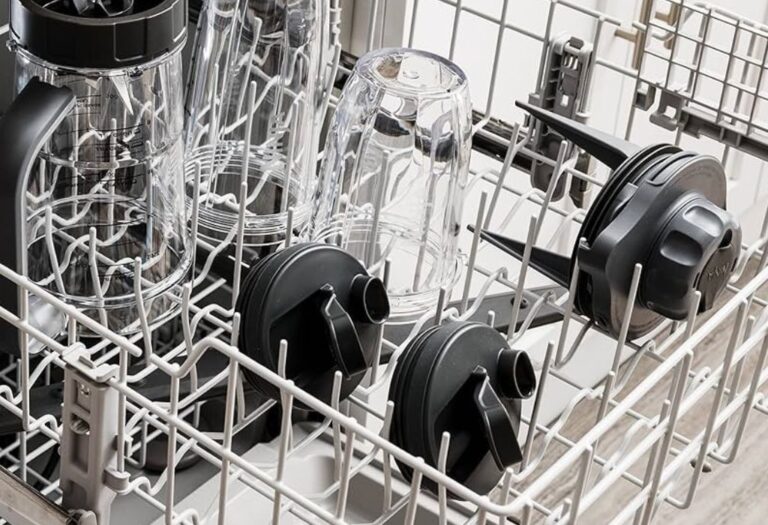
The best way to maintain your juicer is to clean it immediately after using it. This will prevent pulp and other residue from drying and sticking to the parts. It will also help stop bacteria from growing. You can easily remove the parts and rinse them. Then use warm, soapy water to wash everything. Rinse again to remove all the soap and let everything dry completely before reassembling.
- Disassemble Immediately: Take apart your juicer right after you finish juicing.
- Rinse Thoroughly: Rinse each part of the juicer with warm water.
- Wash with Soap and Water: Use warm, soapy water to wash all the parts.
Taking your juicer apart right away stops pulp and juice from drying and sticking to the parts. This makes the cleaning easier and helps to preserve your juicer. You will want to learn how your juicer comes apart and how to put it back together again. This way you can do this efficiently and effectively. This practice can add years to the life of your appliance.
Rinsing the parts removes loose pulp and juice. Use a faucet or a sink to remove all the debris from the parts. Pay close attention to the blades and any other crevices where pulp might be hiding. A good rinse can save you time later, during the actual cleaning process. It will prevent pulp from sticking to your juicer.
Using warm, soapy water can remove any remaining pulp or juice residue. Make sure to use a mild dish soap to avoid damaging the juicer. Use a soft brush or sponge to scrub all parts, including the blades. Rinse everything very well. Soap residue can affect the taste of your next batch of juice.
Deep Cleaning Your Juicer
Regular deep cleaning can keep your juicer in good shape. Over time, pulp and juice residue can build up, which can affect the juicer’s performance. Deep cleaning can remove this buildup and make sure that the juicer continues to function properly. It also reduces the risk of bacteria growth and preserves the life of the machine.
Deep cleaning is an important part of juicer maintenance. It is a good idea to deep clean your juicer about once a month, depending on how often you juice. Some machines may need more frequent cleaning. Always check the manual for specific instructions for your model. Take your time, and the results will be a clean, efficient juicer.
Frequently Asked Questions
Question: Can I juice whole fruits and vegetables?
Answer: It depends on your juicer. Some juicers can handle whole fruits and vegetables, while others need them to be cut into smaller pieces. Always follow your juicer’s instructions.
Question: How long does fresh juice last?
Answer: Fresh juice is best consumed immediately. If you need to store it, it is best to drink it within 24-48 hours. Store the juice in an airtight container in the refrigerator.
Question: Should I peel fruits and vegetables before juicing?
Answer: Some peels contain important nutrients. However, it’s best to peel any produce that has a thick or waxy peel. Always wash your produce well.
Question: What’s the difference between a juicer and a blender?
Answer: A juicer extracts juice from fruits and vegetables, separating it from the pulp. A blender blends whole fruits and vegetables, including the pulp, into a smoothie.
Question: Can I add supplements to my juice?
Answer: Yes, you can add supplements to your juice. However, it’s best to consult with a doctor or a nutritionist to ensure you are taking the correct supplements.
Final Thoughts
We’ve explored how juicer extract nutrients, from the different types of juicers to the best ways to prepare your produce. You learned that choosing the right fruits and vegetables and handling them with care makes a big difference in how many nutrients you get. The key is to start by understanding the basics. Then, consider how the juicer you use, the ingredients you choose, and your preparation steps affect the final product.
By keeping your juicer clean and drinking your juice fresh, you can make the most of every glass. You can now go ahead and experiment with different recipes and ingredients. See what kind of juice combinations you like the best. Juicing can be a simple way to add more vitamins and minerals to your diet. Start today, and enjoy the benefits of fresh, homemade juice.

I’m Emma J. Caldwell, the founder, lead writer, and home-cooking enthusiast behind KitchenGuideCo.com. With a background in culinary arts and over a decade of cooking experience in both professional and personal kitchens, I created this platform to demystify recipes, offer smart kitchen gadget reviews, and guide readers through meal prep with confidence and clarity.