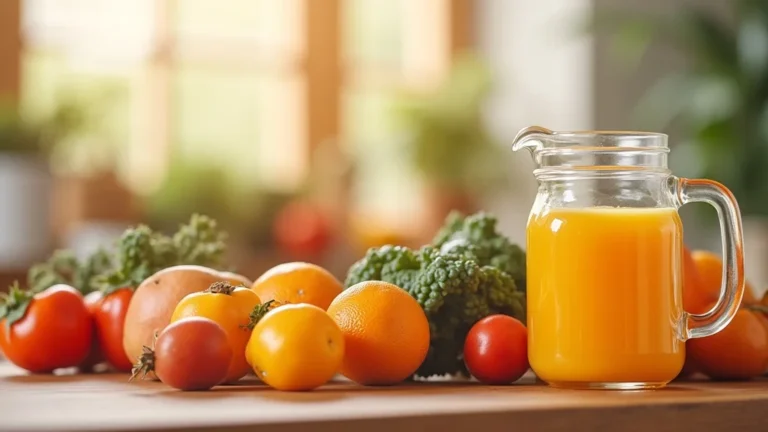
Making your own juice sounds healthy, but sometimes it doesn’t taste quite right. Many people wonder how to sweeten natural juice because they expect a sweet, delicious drink. The taste can be a bit sour or bland, especially if you’re used to store-bought juices that have added sugar. Don’t worry, though! It’s easy to make your juice taste amazing. We’ll explore simple ways to boost the sweetness naturally, making it a treat you’ll enjoy.
Choosing the Right Fruits for Sweetness
The first step in achieving a delicious and naturally sweetened juice starts with the selection of your fruits. Different fruits have varying levels of natural sugar, which dictates how sweet your final juice will be. For instance, some fruits like apples and grapes are naturally sweet, while others, like lemons and grapefruits, are quite tart. The secret to a perfectly sweetened juice lies in carefully choosing the fruits that complement each other. By combining fruits that are naturally sweet with those that are less so, you can achieve a balanced and enjoyable flavor profile.
Consider the use of a refractometer. This device measures the sugar content of liquids. It gives you the precise Brix value, which helps determine the exact sweetness. It’s a tool that helps juice makers select the best fruits for their recipes.
Sweet Fruit Selection
Selecting the right fruits is essential. Certain fruits act as the foundation for the sweetness. These are the ones you’ll want to choose to create a sweet base for your juice. Choosing sweet fruits allows you to use less of an additional sweetener, keeping your juice healthy.
-
Apples: Apples are a readily available and naturally sweet option. Different apple varieties offer varying levels of sweetness. Fuji and Gala apples are particularly sweet, providing a delightful base for your juice.
Fuji apples are known for their crisp texture and balanced sweetness, making them a popular choice. Gala apples, on the other hand, have a milder sweetness with a hint of floral notes. They blend well with other fruits. These varieties are ideal for those who prefer a less tart taste.
-
Grapes: Grapes offer a naturally sweet flavor and are available in various types. Red grapes and green grapes each have different flavors.
The sweetness of grapes depends on their type and ripeness. The sweetness level will increase as they ripen. Grapes have essential vitamins. They provide a juicy and sweet element.
-
Mangoes: Mangoes are a tropical fruit that provide a sweet and rich flavor. They add a creamy texture to juices and are packed with vitamins and antioxidants.
Ripe mangoes are soft to the touch and release a sweet aroma. Their sweetness level is high. Using a mango in a juice provides a natural sweetness. Mangoes have a unique flavor that enhances juice recipes.
Balancing Tartness
Even though you want your juice to be sweet, it’s also important to have a balance of tartness. Certain fruits that are more tart will add a refreshing aspect to the juice. This can prevent it from tasting too sugary. Think about fruits like oranges and pineapples.
-
Oranges: Oranges have a natural sweetness combined with a refreshing tang. This makes them a great choice. They are high in Vitamin C and add a bright flavor that balances sweeter fruits.
Oranges contain citric acid, giving them their characteristic tangy taste. This acid helps to balance the sweetness, preventing the juice from becoming overly sugary. Oranges are also a great source of natural sugars.
-
Pineapples: Pineapples offer a tropical flavor and a balance of sweetness and tartness. The enzymes in pineapple also aid in digestion, making your juice beneficial for your health.
Pineapples contain bromelain, an enzyme known for its anti-inflammatory properties. This enzyme helps to break down proteins. They offer a unique flavor to your juice.
-
Berries: Berries add a touch of tartness and a rich flavor. Strawberries, blueberries, and raspberries have different sweetness levels. They work well with other fruits to make a blend of flavors.
Berries are packed with antioxidants. These compounds help to protect your body from damage. They add nutrients and a refreshing tartness that makes the juice enjoyable.
Sweetening Your Juice Naturally
Once you’ve got your fruits chosen, the next step is how to sweeten your natural juice. There are several techniques you can use to amplify the sweetness. These methods focus on enhancing the existing flavors in the juice without adding artificial sugars. This keeps the health benefits of your freshly made juice intact.
Consider using a juice extractor. A juice extractor separates juice from the pulp of fruits and vegetables. This method allows you to create highly concentrated juice. Extractors also let you remove solids that might make the juice taste bitter.
Adding Sweeteners
Adding natural sweeteners is a good way to amplify the sweetness of your juice. These sweeteners are more natural choices compared to processed sugars. They bring flavor and additional health benefits to your drink.
-
Honey: Honey is a natural sweetener with a unique flavor. It can add sweetness to your juice and give it a pleasant taste.
The type of honey used can impact the final flavor. For instance, clover honey offers a mild sweetness. Buckwheat honey has a strong flavor. Honey also has trace amounts of vitamins and minerals. These provide a little extra nutrition in your juice.
-
Maple Syrup: Maple syrup is extracted from maple trees. It’s a good choice for people who want a natural sweetener with a distinct taste. It provides a sweet flavor to juice recipes.
Maple syrup is often graded based on its color and flavor. Lighter grades are usually less intense in flavor, while darker grades have a more robust taste. It’s an easy way to add sweetness.
-
Stevia: Stevia is derived from the stevia plant. It’s a natural, calorie-free sweetener that can be used to add sweetness to your juice.
Stevia is known for its high sweetness intensity. A small amount goes a long way. It is a good choice for those watching their sugar intake. Using Stevia lets you sweeten your juice without adding any calories.
Techniques to Enhance Sweetness
Besides adding sweeteners, you can boost the sweetness of your juice using several techniques. These methods do not add any additional ingredients. Instead, they manipulate the characteristics of the fruits. They also improve the overall flavor profile of your juice.
-
Ripening Fruits: When the fruits are perfectly ripe, their sugar content is at its peak. Choosing fully ripe fruits will naturally increase the sweetness of your juice.
Ripe fruits have a higher concentration of sugars. The process of ripening breaks down complex carbohydrates into simpler sugars, making them taste sweeter. Allowing fruits to ripen at room temperature before juicing helps enhance the sweetness.
-
Combining Fruits: Juicing with combinations of fruits helps balance the sweetness. The mix-and-match method allows you to complement each fruit’s specific flavors.
The goal is to create a well-balanced flavor profile. It involves combining fruits with naturally high sugar content with those that are less sweet. This approach results in a taste that is satisfying and not overwhelming.
-
Using Concentrated Juices: If you need extra sweetness, using concentrated juice can do the trick. A concentrated juice is made by removing the water content. This intensifies the flavor and sugar level.
Concentrated juices are often available in the form of frozen juice. These are very convenient. The taste will be far more intense than using whole fruits directly. Use these with caution, as they are higher in sugar than fresh juice.
Avoiding Common Mistakes When Sweetening Juice
To ensure your juice tastes great, it is important to avoid a few common mistakes. These mistakes can affect the taste. Knowing these mistakes helps you to make healthier and more delicious juices.
Consider the process of cold-pressed juicing. This technique preserves more of the nutrients and enzymes found in fruits and vegetables. It does not add heat. It creates juices with a richer flavor and higher nutritional value.
Incorrect Fruit Selection
One common mistake is using fruits that aren’t sweet enough or using too many tart fruits. This can result in a less pleasant taste. It is essential to choose the right combination of fruits.
-
Using Too Many Tart Fruits: Tart fruits like lemons and limes can make your juice taste sour. This is a common issue for those trying to add some tang.
Citrus fruits add acidity to juice. While a touch of acidity is often welcomed to create balance, too much can overpower the sweet flavors. Start with small amounts. You can always add more to taste.
-
Not Using Ripe Fruits: Fruits that are not ripe will not taste as sweet. Unripe fruits also lack the full flavor. They may make the juice taste bland or sour.
Unripe fruits have not yet converted their starches into sugars. This means the juice will taste less sweet than desired. Waiting until the fruit is fully ripe will improve the flavor. You can check the ripeness by smelling the fruit.
-
Not Considering the Sugar Content: Make sure you know the sugar content of the fruits you are using. This helps in balancing the flavors. It prevents your juice from becoming overly sweet.
Some fruits, like apples and bananas, are naturally high in sugar. Others, like berries, have less. Knowing how much sugar is in each fruit helps you control the amount of added sweeteners.
Over-Sweetening
Another common mistake is adding too much sweetener. Using too much of a sweetener can mask the natural flavors of the fruits. It makes the juice taste unhealthy.
-
Using Too Much Added Sweetener: Adding too much sweetener, like honey or maple syrup, can make your juice taste too sugary.
Adding too much sweetener can overpower the natural taste of the fruit. This makes the juice less refreshing and potentially unhealthy. Start with a small amount. Always taste and adjust as needed.
-
Not Tasting and Adjusting: It is important to taste the juice as you add sweeteners. The process of tasting helps you find the right level of sweetness.
Taste your juice at different stages while sweetening. This way, you can prevent it from being overly sweet. Adding sweeteners in small increments gives you better control over the final flavor.
-
Relying Only on Sweeteners: Don’t only depend on sweeteners to enhance the flavor. It is better to use the inherent sweetness of the fruit. Relying only on added sweeteners can make your juice taste artificial.
Using a variety of fruits allows you to create complex flavors. This means you will need less sweetener. This way, your juice will be both naturally sweet and delicious.
Poor Preparation
Poor preparation techniques can also ruin the taste of your juice. This can involve not cleaning the fruits properly. It might also involve not using the right equipment.
-
Not Washing Fruits: It is essential to wash fruits well before juicing. This can remove any pesticides or dirt. This keeps your juice clean and safe to drink.
Dirt and pesticides on the fruit can affect the taste. Using a brush or fruit wash is a good option. Washing fruits properly prevents unwanted flavors from getting into your juice.
-
Using the Wrong Equipment: Using poor equipment can affect the quality of your juice. Make sure you use the right juicer to get the best results.
If you are using a blender, you’ll need to strain the pulp to get a smooth juice. Different types of juicers extract juice in different ways. Some juicers produce more heat, which might damage the nutrients and the taste.
-
Improper Storage: If you don’t store the juice properly, it can impact the taste and quality. Freshly made juice is best consumed immediately. If you need to store it, use airtight containers.
Juice can start to lose its nutrients and flavor after some time. Improper storage can lead to oxidation. This changes the taste and nutritional value of the juice. Store your juice in the fridge.
Sample Juice Recipes
If you’re unsure where to begin, here are a few simple recipes that can help you understand how to sweeten natural juice and explore different combinations. These recipes can be adapted to your liking, as they are only a starting point. Feel free to try different variations and enjoy creating your own unique blends. The goal is to discover what flavors you like best.
Consider the process of fractional distillation. This technique separates different liquids. It lets you create new flavor combinations. It is used in the flavoring of fruit juices.
Apple and Carrot Juice
This recipe provides a combination of sweetness from apples with the earthiness of carrots. This juice is both delicious and nutritious. It’s perfect for those who want a simple, healthy start to their day.
-
Ingredients:
- 2 medium apples (like Fuji or Gala)
- 3 medium carrots
- 1/2 inch piece of ginger (optional, for added flavor)
-
Instructions:
- Wash and prepare the apples and carrots.
- Run the apples, carrots, and ginger through your juicer.
- Stir well and serve immediately.
- Notes: This recipe offers a good base for beginners. It is easy to customize. Adjust the amount of carrots to balance the sweetness. You can also add a squeeze of lemon juice for an extra zing.
Tropical Mango and Orange Juice
This recipe creates a taste of the tropics. It blends the sweetness of mango with the citrus notes of orange. It is a refreshing and energizing drink.
-
Ingredients:
- 1 ripe mango, peeled and diced
- 2 oranges, peeled
- 1/4 cup water (optional)
-
Instructions:
- Combine the mango and oranges in a juicer or blender.
- Add a little water if needed to help the blending.
- Strain the pulp to get a smooth juice.
- Serve chilled.
- Notes: If the mango isn’t sweet enough, you can add a touch of honey or a few drops of stevia. This recipe can also include a touch of pineapple. It boosts the tropical flavor.
Berry and Beet Juice
This juice recipe blends different berries, beets, and apples. It’s a great choice for those seeking a nutritious and flavorful drink. Beets add a rich sweetness and a vibrant color.
-
Ingredients:
- 1 medium beet, peeled and chopped
- 1/2 cup mixed berries (strawberries, blueberries, raspberries)
- 1 apple
- 1/4 inch piece of ginger (optional)
-
Instructions:
- Wash and prepare all the ingredients.
- Run the beets, berries, apple, and ginger through a juicer.
- Stir the juice well.
- Serve immediately.
- Notes: Beets can sometimes be earthy. The berries and apples balance the flavor. If the juice is too strong, you can add more apple or a little water.
Frequently Asked Questions
Question: Can I use frozen fruits to make juice?
Answer: Yes, you can use frozen fruits. They can make your juice colder and thicker. Just thaw them slightly before juicing or blending.
Question: What’s the best way to store fresh juice?
Answer: Store fresh juice in an airtight container in the fridge. Consume it within 24-48 hours to preserve its nutrients and flavor.
Question: Should I peel all the fruits and vegetables before juicing?
Answer: It depends. Some peels, like those on apples, contain beneficial nutrients. Make sure to wash them well. For others, like citrus fruits, it’s best to peel them.
Question: Can I add vegetables to make my juice less sweet?
Answer: Yes, adding vegetables is a great way to balance sweetness. Vegetables like spinach, kale, and celery can provide a less sweet flavor profile.
Question: How can I adjust the sweetness of my juice after it’s made?
Answer: You can adjust the sweetness by adding a bit of honey, maple syrup, or stevia. Start with a small amount, taste, and adjust until it’s just right.
Final Thoughts
Learning how to sweeten natural juice gives you the freedom to create drinks that are both healthy and delicious. It starts with choosing the right fruits. Sweet fruits like apples and grapes will form the base, while tart options like oranges add balance. You can sweeten your juice with natural choices such as honey or stevia. The key to success is in combining the right fruits, avoiding common mistakes like adding too much sweetener, and experimenting with different combinations. By following these steps, you can create the perfect drink for any occasion. Explore, have fun, and enjoy your delicious, naturally sweetened juice!

I’m Emma J. Caldwell, the founder, lead writer, and home-cooking enthusiast behind KitchenGuideCo.com. With a background in culinary arts and over a decade of cooking experience in both professional and personal kitchens, I created this platform to demystify recipes, offer smart kitchen gadget reviews, and guide readers through meal prep with confidence and clarity.