Thinking about making your own juice? That’s awesome! A common question for people starting out is how to juice soft fruits. These fruits can be a little tricky because they’re, well, soft! It can get messy, and sometimes you don’t get a lot of juice. But don’t worry, we’ll make this super easy for you. This guide will show you simple ways to get the most juice from your soft fruits. We’ll go step by step, so let’s get juicing!
Choosing the Right Fruits for Juicing
Picking the perfect fruits is the first step toward amazing juice. Not all fruits are created equal when it comes to juicing. Some are naturally juicy, while others are more solid. It’s important to select fruits that will give you the best results. This ensures you get a good amount of juice and a tasty drink. You’ll want to focus on fruits that are ripe and in season. This generally guarantees they’ll be sweet and flavorful. Also, be mindful of any allergies you might have when selecting your ingredients. Always wash your produce very well before juicing.
Best Soft Fruits to Juice
The best soft fruits for juicing offer a wealth of flavors. These fruits release their juices easily, which makes them ideal for beginners. They usually provide a rich, refreshing drink. Here’s a look at some of the best choices for juicing soft fruits:
-
Berries (Strawberries, Raspberries, Blueberries): Berries are wonderful for juicing. They offer a burst of flavor and antioxidants. They also provide a beautiful color to your juice. Strawberries, for example, are packed with Vitamin C and are easy to juice. Raspberries and blueberries provide similar benefits and taste great.
Juicing berries is not difficult. First, wash the berries thoroughly. Then, you can juice them using a masticating or centrifugal juicer. A masticating juicer works well because it presses the fruit to extract the juice. A centrifugal juicer can also be used, but it might produce a little more foam. Try mixing different types of berries to create your favorite flavor!
-
Melons (Watermelon, Cantaloupe, Honeydew): Melons offer refreshing juices, especially on a hot day. Watermelon is particularly easy to juice and provides lots of hydration. Cantaloupe and honeydew are also great options, providing sweetness and beneficial nutrients.
When juicing melons, cut the fruit into manageable pieces. Remove the rind and seeds before juicing. The inner flesh is where the juice and flavor are. The amount of juice you get depends on the type of melon and its ripeness. Remember, a ripe melon will give you more juice and a better taste.
-
Grapes: Grapes offer delicious, sweet juice. They are available in many varieties, offering various flavors. Red and green grapes are common choices. They are great for juicing.
Juicing grapes is easy. You can use whole grapes, which saves time. Washing the grapes beforehand is important. You can use a juicer or a blender. If you use a blender, strain the pulp to remove the seeds and skins. Grape juice is great on its own or mixed with other fruits.
-
Peaches and Plums: Peaches and plums create flavorful juice with a slightly thick texture. They have a natural sweetness that makes for a great drink.
Before juicing peaches and plums, remove the pits. Cut the fruit into pieces. Peaches and plums can be a bit messy to juice, but the effort is worth it. They provide a unique taste and offer essential vitamins. The juiced flesh should be smooth and tasty.
Tips for Selecting Ripe Fruits
Choosing ripe fruit is key for great juice. Ripe fruit has the best flavor and more juice. It also tends to be easier to juice. Here are some tips for picking ripe soft fruits:
-
Look for Color: The color of the fruit can tell you a lot about its ripeness. For example, ripe strawberries are a deep red, while green strawberries are not ripe. The color varies depending on the fruit. It’s a good idea to know the typical color of the fruit. This will help you identify the best choices.
For cantaloupe, look for a pale yellow or light tan color on the rind. For peaches and plums, look for a vibrant color with no green areas. If the fruit is green, it’s not ready. Berries also show color change when they’re ready to eat. Always look for bright, rich colors to ensure your fruit is ripe.
-
Check for Texture: The texture of the fruit is a sign of ripeness. Gently feel the fruit. It should be slightly soft, but not mushy. It should give a little when you press on it. This means the fruit is ripe and ready to be juiced.
Mushy fruit is often overripe, and the juice may not be as good. Firm fruit, on the other hand, is underripe and won’t have as much juice. Berries, for instance, should be plump and not hard. Melons should be firm but yield slightly to pressure.
-
Smell the Fruit: Ripe fruit often has a distinct smell. If you can, sniff the fruit. A good smell is a sign it is ready. This is particularly useful for melons and peaches.
A ripe cantaloupe has a sweet, musky smell. A ripe peach has a sweet and fruity fragrance. If the fruit has no smell, it may not be ripe yet. Remember to use your senses to choose the best fruit for juicing. This will result in a more delicious juice.
Juicing Methods: What Works Best?
There are a few different ways to juice soft fruits. The best method depends on what you have and the types of juices you like. You can use a juicer, or you can use a blender. Each method has its own benefits and things to keep in mind. Knowing the differences can help you make the best choice. This will also give you great results when you how to juice soft fruits.
Using a Juicer
Juicers are specially designed to extract juice from fruits and vegetables. There are two main types of juicers: centrifugal and masticating. Both are effective, but they work differently.
-
Centrifugal Juicers: These are usually the most common type. They work by spinning the fruit at high speed, which extracts the juice. The pulp is separated from the juice using a mesh filter. Centrifugal juicers are often fast and easy to use.
Centrifugal juicers are suitable for many fruits, including soft ones. However, they may produce juice with a little more foam and less nutrients compared to other juicers. They tend to heat up the juice during the extraction process, which can reduce some nutrients. They are a good choice if you are in a hurry.
-
Masticating (Slow) Juicers: These juicers use a slow-pressing action. They crush the fruit to extract the juice. This process extracts more juice and keeps more nutrients. The juice from a masticating juicer is often richer in color. It also lasts longer than juice from a centrifugal juicer.
Masticating juicers are great for soft fruits, because they extract the most juice. They are more effective at getting juice from soft and pulpy fruits. They work well, and you get a very rich juice with more nutrients. These are usually a better choice if you want the best juice.
Using a Blender
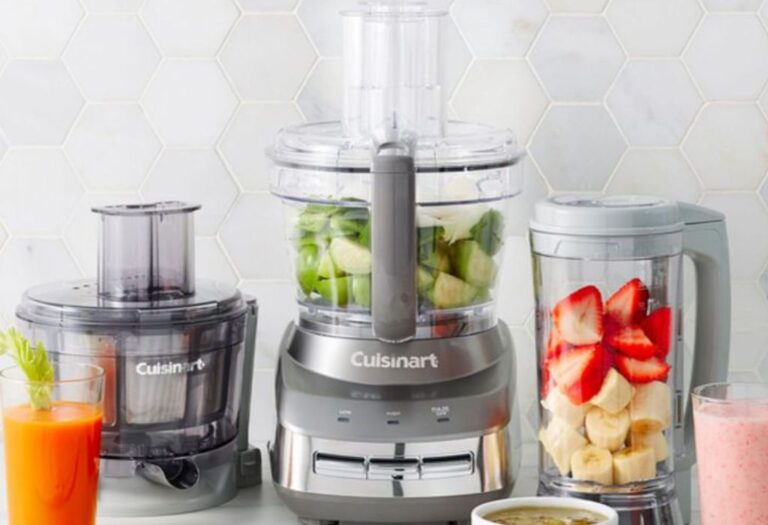
If you don’t have a juicer, you can use a blender. This method involves blending the fruit with a bit of water or other liquid. Then, you strain the mixture to remove the pulp. This is a simple option.
-
Blending and Straining: Using a blender is a straightforward way to make juice. Simply place the fruit in the blender with a small amount of water or other juice. Blend until smooth. Then, strain the mixture through a fine-mesh sieve or a cheesecloth to separate the juice from the pulp.
This method is simple, but the texture of the juice can be different from juiced juice. It can also produce more pulp. Using a good blender will ensure you get a smooth juice. It’s great if you are looking for an easy option.
-
Adding Other Ingredients: When using a blender, you can easily add other ingredients to your juice. This can include vegetables, herbs, and spices. You can experiment with different combinations to create custom flavors. Adding ingredients can boost the nutritional value of your juice.
For example, add spinach or kale for extra nutrients, or ginger for a bit of spice. You can add a bit of lemon or lime juice to enhance the flavor. Adding other ingredients allows you to be creative and try out new flavor combinations. It helps you customize your juice to meet your taste.
Step-by-Step Guide to Juicing Soft Fruits
Juicing soft fruits can be easy when you follow the right steps. This guide provides a clear process. It helps you get the best juice every time. We’ll show you the necessary steps, from preparation to cleaning. It is a good process for anyone who wants to learn how to juice soft fruits.
Preparing Your Fruits
Proper preparation is important for making great juice. This step makes sure your fruit is ready for juicing. It also makes the process easier and helps get the best results. Here are the steps to follow:
-
Wash Thoroughly: Always start by washing your fruits thoroughly. This removes dirt, pesticides, and other unwanted particles. Washing is a crucial step for food safety and makes your juice healthy.
Wash the fruits under cold running water. You can also use a fruit and vegetable wash. Scrub the fruits gently. This ensures you remove any surface contaminants. Pay special attention to areas where dirt might collect, such as crevices. Washing makes your juice taste better and is very important.
-
Cut and Prepare: Depending on the fruit, you will need to cut it into smaller pieces. This makes it easier for the juicer or blender to process the fruit. Remove any seeds or pits.
Cut fruits like melons into chunks. Remove the rind. For peaches and plums, remove the pits. Remove any damaged parts. This preparation helps your juicer work efficiently. It prevents any tough parts from ruining the juice.
-
Decide Whether to Peel: Some fruits need peeling before juicing. For instance, you might want to peel oranges. This depends on personal preference and the juicer you are using.
Peels can add bitterness and may not be ideal. The peel contains nutrients, but sometimes it can change the taste. Peeling can make your juice taste better for some fruits. Be sure to consider how the peel affects the taste and texture of your juice.
Juicing Process
Once your fruits are ready, you can start juicing! This part describes how to use a juicer or blender. We will explore the steps to get the most juice and a delicious flavor.
-
Using a Juicer: Using a juicer is straightforward. Put the prepared fruit pieces into the juicer. The juicer will extract the juice and separate the pulp.
Follow the juicer’s instructions. Slowly feed the fruit into the juicer. Use the pusher tool to help push the fruit down. Some juicers have different settings to handle hard and soft fruits. Use the appropriate setting for your fruit type. Collect the juice in a container and enjoy!
-
Using a Blender: If you are using a blender, the process is slightly different. Place the prepared fruit in the blender. Add a small amount of liquid, like water or another juice. Blend until smooth.
Once blended, strain the mixture through a fine-mesh sieve or cheesecloth. This removes the pulp. You can add more liquid to get the right consistency. Pour the strained juice into a glass. You can also mix other ingredients to customize your juice.
-
Adjusting for Taste: You can adjust the taste of your juice to suit your preference. This can include adding more fruit. Or, you can add sweeteners or other ingredients.
Taste your juice and see if you like it. Add more fruit if it is not sweet enough. You can add a bit of honey or agave nectar to make it sweeter. Try other ingredients like lemon juice or spices to add extra flavor. It is a good opportunity to get creative!
Cleaning Up After Juicing
Cleaning up after juicing is essential. It is also important for maintaining your equipment. Proper cleaning makes sure your next juice will be as tasty as the first one. It also keeps your equipment in great shape.
-
Clean Your Juicer or Blender: Clean your juicer or blender right after use. This prevents fruit pulp from drying and sticking to the parts. Follow the manufacturer’s instructions for disassembling and cleaning.
Rinse the parts under running water. Use a soft brush to remove any pulp. You can use warm, soapy water for a deeper clean. Make sure to dry all parts completely before reassembling. This helps to extend the life of your equipment.
-
Clean Your Workspace: Wipe down your workspace. This includes your countertop and any cutting boards or utensils you used. Clean up any spills immediately to avoid sticky messes.
Use a clean cloth or paper towels and a general-purpose cleaner. Make sure to remove any fruit residue to prevent attracting pests. Keeping your workspace clean is important for hygiene.
-
Dispose of Pulp Properly: Properly dispose of the pulp from your juicing process. You can compost it or discard it in the trash. The pulp can be a great addition to your compost pile.
If composting, mix the pulp with other organic materials. Make sure to follow composting guidelines to ensure effective decomposition. If throwing it away, put it in a sealed bag to avoid attracting insects. Disposing of the pulp keeps your kitchen tidy.
Common Challenges and Solutions
Juicing soft fruits can have some challenges, like dealing with a messy consistency or a lack of juice. It can also be a challenge to get the right flavor. With a few tricks, these problems can easily be solved. This section will look at what challenges people may face when they are trying to learn how to juice soft fruits, as well as the solutions.
Dealing with Messy Juicing
Juicing soft fruits can be messy. Soft fruits release juice easily, but this can lead to spills. Here’s how to handle this:
-
Use the Right Equipment: The right equipment can help keep the mess down. Choose juicers or blenders that are designed to minimize spills. Juicers with large feed chutes can make the process easier.
Look for blenders with a tight-fitting lid. This will reduce splatters. Juicers designed for soft fruits usually have features to manage the mess. Making the right equipment choice will keep your workspace cleaner.
-
Prepare Your Workspace: Prepare your workspace to help manage any mess. Cover your countertop with paper towels or a mat. This helps to absorb any spills.
Place a container under the juicer or blender to catch the juice. Have a cloth or paper towels nearby to quickly clean up any accidents. This preparation helps to keep your area clean.
-
Juice in Batches: Juicing in batches will make it easier to manage the mess. Don’t add too much fruit at once. This avoids overfilling the juicer or blender.
Juice a few fruits at a time. This gives you better control over the process. You can easily manage the output. It allows for easier cleanup between each batch. It results in a tidier and more controlled juicing experience.
Getting More Juice From Your Fruits
Sometimes you might not get as much juice as you want. Here are some tips to get more juice from your soft fruits:
-
Choose Ripe Fruits: Choose the ripest fruits. They usually have more juice than underripe ones. Ripe fruits are softer, and their juice releases easily.
Look for the signs of ripeness, like color and texture. Soft fruits like strawberries and raspberries should be deep in color and slightly soft to the touch. Ripe melons should have a good smell and yield to light pressure. This will help get the most juice.
-
Use the Right Juicer: Masticating juicers are great at getting the most juice. They crush fruits slowly. This process extracts more juice than centrifugal juicers.
A masticating juicer will often give you a higher yield. They are particularly good for juicing soft fruits. If you have a centrifugal juicer, use the lowest speed setting. This can help maximize the juice extraction.
-
Juice in Stages: Instead of juicing everything at once, add the fruit slowly. This allows the juicer to process each piece of fruit efficiently. Take your time.
This will also prevent the juicer from getting overloaded. If you use a blender, blend a little at a time, then strain. It helps to ensure you extract every bit of juice possible.
Improving the Taste of Your Juice
Juice taste is very important. Sometimes, the juice might not taste as good as you expect. Here is how you can improve the taste:
-
Balance Sweetness and Tartness: Balancing sweetness and tartness improves the flavor. Soft fruits are often sweet. But sometimes, they need a touch of tartness.
Adding a bit of lemon or lime juice can give your juice a boost. Taste your juice and adjust the ingredients. You can add more sweet or sour ingredients. Experimenting with different amounts of ingredients can improve the taste.
-
Experiment with Combinations: Try mixing different fruits and vegetables. Combinations create different flavors. It can make your juice more interesting.
Combine berries with apples. Mix melons with citrus fruits. Consider adding some greens, like spinach or kale. You can also add some ginger or mint to add some spice. It will improve the flavor profile.
-
Use Fresh Ingredients: Use fresh, ripe ingredients for the best taste. Fresh ingredients make your juice taste better than frozen or canned fruits.
Fresh fruits have the most flavor. They also have the highest nutrient content. Fresh fruits can also be more juicy. Choose the freshest ingredients available.
Here is an example of a good combination for juicing:
- Choose a base of ripe strawberries.
- Add a handful of raspberries for extra flavor.
- Include a small piece of watermelon for sweetness.
- Squeeze in a little lime juice for tartness.
Frequently Asked Questions
Question: What’s the best type of juicer for soft fruits?
Answer: Masticating juicers work very well for soft fruits because they extract juice gently, giving you more juice and nutrients.
Question: Should I peel soft fruits before juicing?
Answer: It depends on the fruit and your juicer, but peeling can sometimes reduce bitterness. Experiment to find out what you like.
Question: How can I prevent my juice from being too pulpy?
Answer: Use a fine-mesh sieve or cheesecloth after blending to remove excess pulp.
Question: What do I do if my juice tastes too bland?
Answer: Add a bit of lemon or lime juice for tartness, or experiment with other fruits and vegetables.
Question: How do I clean my juicer properly?
Answer: Disassemble the juicer parts and rinse them. Then use a soft brush and warm, soapy water to remove all pulp and residue.
Final Thoughts
Learning how to juice soft fruits doesn’t need to be hard. Start by choosing the best, ripe fruits, and pick the right equipment that works for you. You can use a juicer or a blender, and both are great. Prepare your fruits, juice them, and clean up afterward. If you’re having trouble, don’t worry! You can always fix it by experimenting with different tastes and methods. Follow this guide. Enjoying delicious, homemade juice is easier than you think! Now get those fruits ready, and enjoy your fresh juice. You’ll soon be making amazing, healthy drinks every day!

I’m Emma J. Caldwell, the founder, lead writer, and home-cooking enthusiast behind KitchenGuideCo.com. With a background in culinary arts and over a decade of cooking experience in both professional and personal kitchens, I created this platform to demystify recipes, offer smart kitchen gadget reviews, and guide readers through meal prep with confidence and clarity.