Making fresh grape juice at home might seem difficult at first. Many people believe it requires fancy equipment or a special touch. But really, how to juice grapes is straightforward, especially if you have the right tools and a little guidance. This guide is made for beginners. We’ll explore everything you need to know, from picking the best grapes to enjoying your homemade juice. You’ll find a step-by-step process that’s easy to follow. Let’s get started!
Choosing the Right Grapes for Juicing
Selecting the best grapes is the initial step for delicious grape juice. The type of grape you pick affects the taste and sweetness of your juice. Consider different varieties, such as Concord, Thompson Seedless, or even some wine grapes. Experimenting is part of the fun. Some grapes are naturally sweeter than others, influencing the final juice’s flavor. Always look for grapes that are plump, firm, and free from blemishes or bruises. These are signs of freshness and good quality. The better the grapes, the better the juice.
Grape Varieties and Their Flavor Profiles
Different grape varieties offer unique flavors. Concord grapes are known for their strong, distinct taste, often described as a classic grape flavor. Thompson Seedless grapes provide a milder, sweeter taste, making them versatile for various uses, including juice. Wine grapes, like Cabernet Sauvignon or Pinot Noir, offer complexity and depth but may require more processing for juice extraction. The flavor profile of a grape significantly affects the final juice. Exploring different varieties allows you to discover your preferred taste. Consider mixing varieties to create a personalized blend. This customization enhances the experience of making your own juice at home.
-
Concord Grapes: These are a classic choice for juice. They deliver a bold, familiar grape flavor. Concord grapes offer a robust taste that many enjoy.
They usually result in a deep purple juice color. -
Thompson Seedless Grapes: These are a common variety, known for their sweetness and ease of use. Seedless grapes simplify the juicing process.
They are often more mild in flavor than Concord, making them great for beginners. -
Wine Grapes: Grapes used to make wine offer a complex flavor profile. Varieties such as Cabernet Sauvignon or Pinot Noir can be juiced.
They might require additional steps to extract the juice effectively. -
Muscadine Grapes: These grapes are native to the southeastern United States. They come in various colors and offer a unique, slightly tart flavor.
Their thick skins and pulp result in a different juicing experience.
Factors Affecting Grape Quality
Several factors can affect the quality of grapes. The climate where the grapes were grown plays a major role. Grapes grown in warmer climates often have higher sugar content. This results in sweeter juice. The maturity level of the grapes is also key. Ripe grapes are sweeter and have better flavor than unripe ones. Be mindful of any signs of damage or disease. Look for grapes with firm skin and no visible mold or soft spots. If using store-bought grapes, check the packaging to see how fresh they are. Freshness is vital for the juice’s final taste. Proper handling and storage can also preserve grape quality. Grapes stored correctly will maintain their freshness and flavor.
- Climate: The climate where grapes grow affects their sugar levels. Grapes in sunny, warm areas are typically sweeter. The sunlight hours and temperature also influence flavor.
- Maturity: The ripeness of the grapes directly impacts the juice’s flavor. Ripe grapes are sweeter and offer a better taste. Grapes picked too early can be sour.
- Appearance: Look for firm, plump grapes without blemishes. These are signs of good quality. Avoid grapes that look shriveled or have soft spots.
- Storage: Proper storage is crucial for maintaining grape quality. Store grapes in the refrigerator to keep them fresh. Avoid washing grapes until right before juicing.
Harvesting and Buying the Best Grapes
If you’re harvesting your own grapes, the timing is crucial. The peak harvest season is typically late summer or early fall. Watch for the grapes to turn their characteristic color and reach the desired sweetness. When buying grapes, choose a reputable source, such as a local farmers market or grocery store. Look for fresh grapes without any signs of damage. If the grapes are pre-packaged, check the “sell-by” or “best-by” date. This helps ensure freshness. Gently handle the grapes to avoid bruising. Bruised grapes can affect the taste of the juice. By choosing the right grapes, you set the stage for making delicious juice.
- Harvest Timing: Harvest grapes when they are at their peak ripeness. This ensures the best flavor and sweetness for your juice.
- Local Sources: Buying from farmers markets supports local growers. It also gives you access to fresh, seasonal varieties.
- Visual Inspection: Check for plump, firm grapes with vibrant colors. Avoid any that look bruised, moldy, or shriveled. A visual check ensures quality.
- Handling: Handle grapes carefully to prevent bruising. Bruised grapes can spoil quickly and affect the flavor of the juice. Gentle handling maintains their quality.
Methods to Juice Grapes
There are several methods you can use when learning how to juice grapes. Each method has its own pros and cons, affecting the ease of the process and the final juice’s yield. The best method depends on the amount of juice you want to make and the equipment you have available. You can use a manual juicer, a food processor, or even a blender, but it’s important to choose the right technique for your situation. Some methods work best for small batches, while others are great for larger quantities. With practice, you can find the method that suits your needs.
Using a Juicer
A juicer is one of the most efficient methods to extract juice from grapes. There are different types of juicers, including centrifugal and masticating (also known as slow juicers). Centrifugal juicers are faster and easier to clean. They work by spinning the fruit at high speeds. Masticating juicers operate slower, crushing the grapes to extract juice. Masticating juicers often produce juice with more nutrients and less foam. When juicing grapes, it’s essential to follow the juicer’s instructions. Prepare the grapes by rinsing and removing any stems. Feed the grapes into the juicer, one handful at a time. The juicer separates the juice from the pulp. This method produces a clear juice, ready to enjoy or use in recipes.
-
Centrifugal Juicers: These are fast and easy to use. They spin the grapes at high speeds, separating the juice from the pulp. They work great for beginners.
The juice can sometimes have a bit of foam. -
Masticating Juicers: These are also known as slow juicers. They gently crush the grapes, extracting more juice and nutrients. They are very efficient.
Juice from masticating juicers often has a richer flavor. - Preparing the Grapes: Rinse the grapes thoroughly. Remove any stems before feeding them into the juicer. Prepping the grapes is an important step.
- Juicing Process: Feed the grapes into the juicer. The juicer will separate the juice from the pulp. Collect the fresh juice in a container.
Using a Food Processor or Blender
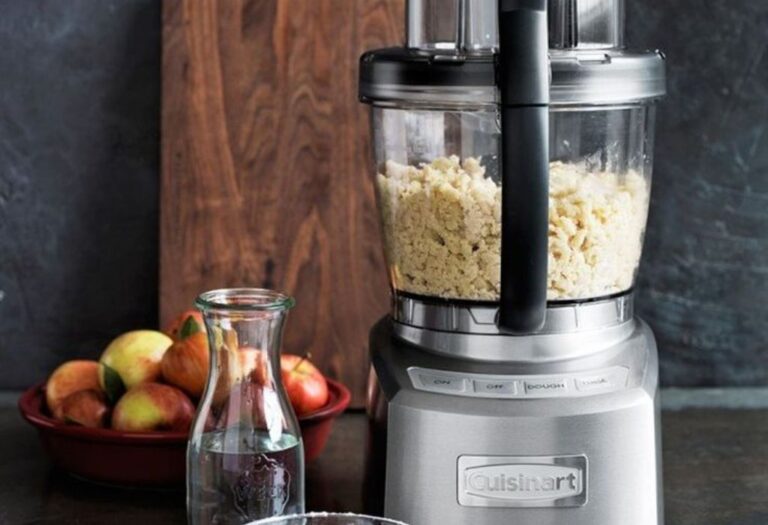
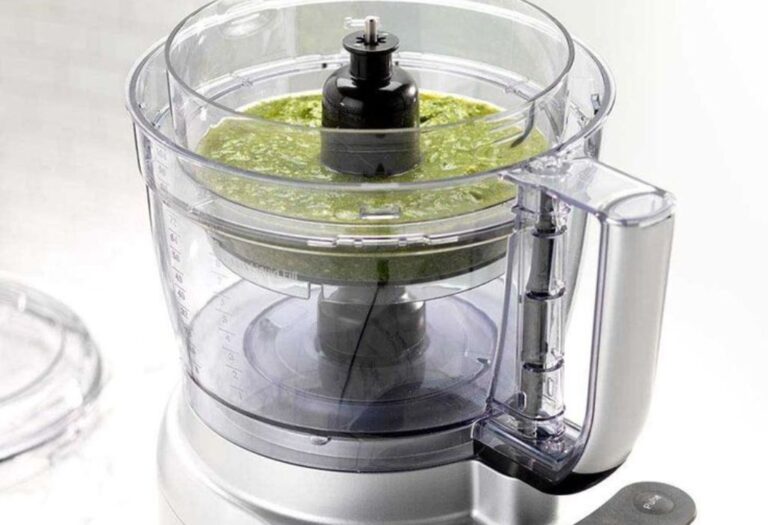
If you don’t have a juicer, a food processor or blender can also be used. This method requires a bit more effort but is effective. First, wash the grapes thoroughly and remove any stems. Place the grapes in the food processor or blender. Add a small amount of water to help the grapes blend smoothly. Process the grapes until they become a pulp. Strain the pulp using a fine-mesh sieve or cheesecloth. This step separates the juice from the pulp. The food processor or blender method is great for small batches. Be aware that the juice may have a slightly different texture than that from a juicer. This method is budget-friendly, requiring no special equipment.
- Preparing the Grapes: Wash the grapes thoroughly. Remove any stems before blending. Cleaning the grapes is a critical step.
-
Processing: Place the grapes in a food processor or blender. Add a small amount of water. Process until the grapes become a pulp.
Make sure the mixture is smooth. - Straining: Strain the pulp through a fine-mesh sieve or cheesecloth. This separates the juice. You may need to press to remove all the juice.
- Texture Considerations: Juice made using this method can have more pulp. Strain as needed to achieve your desired consistency.
Manual Juicing Methods
You can also juice grapes manually, though it requires more effort. One way is to crush the grapes by hand and then strain the juice. This method involves pressing the grapes to extract the juice. It’s time-consuming but a good option if you don’t have equipment. Another option is using a potato ricer. Place the grapes in the ricer and squeeze them to extract the juice. A potato ricer works very well for small batches. Cheesecloth can be used to strain the pulp for a clearer juice. This method is very inexpensive, as you likely already have all the tools.
-
Hand Crushing: This involves crushing grapes by hand and straining them. It is a slow, but simple, method to obtain the juice.
You can use your hands or a muddler. -
Potato Ricer: A potato ricer can be used to press grapes. It’s effective for small batches. This method requires a bit more physical effort.
Ensure you clean the ricer well after each use. -
Cheesecloth Straining: Cheesecloth is essential for manual juicing. Place the pulp in cheesecloth and squeeze to extract juice.
This provides a good way to remove pulp for a clearer juice. - Effort Considerations: Manual methods require more effort. They are time-consuming compared to using a juicer. However, they are practical without special equipment.
Steps to Make Grape Juice
Regardless of the method you choose when learning how to juice grapes, the steps for making grape juice are usually similar. First, start with fresh, high-quality grapes. Wash the grapes thoroughly to remove any dirt or residue. Then, depending on your juicing method, prepare the grapes by removing stems. Process the grapes using your chosen method, whether a juicer, food processor, or manual technique. Once the juice is extracted, strain it to remove any pulp or seeds. Enjoy your fresh grape juice immediately, or store it for later. Following these steps ensures you produce delicious, homemade grape juice.
Preparing the Grapes
The first step in juicing grapes is preparation. Start by washing the grapes thoroughly under cold water. This removes any dirt, pesticides, or other residues. Check the grapes for any stems. Although some juicers can handle stems, removing them beforehand can prevent a bitter taste. If the grapes have any leaves attached, remove these too. Inspect the grapes for any damaged ones. Discard any grapes that appear moldy or are damaged. Gently pat the grapes dry before juicing. Preparing the grapes is a quick process, but it is necessary for obtaining high-quality juice.
- Washing: Rinse the grapes under cold water. This removes dirt and other unwanted particles. Clean grapes ensure a better taste.
- Removing Stems: Remove stems, as they can add a bitter taste. This is not always necessary, but it helps improve the flavor. It makes the juicing easier.
- Inspecting: Check for damaged or moldy grapes. Discard any that are not suitable for juicing. This keeps the juice fresh.
- Drying: Pat the grapes dry. This prevents excess water from diluting the juice. Dry grapes help to ensure a better juice consistency.
Extracting the Juice
The extraction process varies based on the method you select. If using a juicer, feed the prepared grapes into the machine. Centrifugal juicers quickly separate the juice. Masticating juicers gently crush the grapes. For food processors or blenders, process the grapes with a small amount of water. This creates a pulp. Strain the pulp using a fine-mesh sieve or cheesecloth. If juicing manually, crush the grapes. Then, use a cheesecloth to strain the juice. Regardless of the method, the goal is to extract the juice efficiently. Properly extracting the juice ensures maximum flavor and yield.
- Juicer Operation: Feed grapes into the juicer according to the instructions. This is the fastest way to extract the juice. Clean the juicer after each use.
- Blender/Food Processor: Blend grapes until they become a pulp. Add water as needed to create a smooth mixture. Blend until fully incorporated.
- Straining: Strain the juice through a sieve or cheesecloth. This removes pulp and seeds. This creates a smooth juice consistency.
- Yield Optimization: Ensure you are getting as much juice as possible. Press the pulp gently to extract all the juice. Do not force anything.
Straining and Serving
Straining the juice is a key step to remove pulp and seeds. Using a fine-mesh sieve or cheesecloth helps to create a clearer juice. Pour the juice slowly through the strainer. If using cheesecloth, you can gently squeeze to remove more juice. Discard the pulp after straining. Once strained, you can serve the juice immediately. For a chilled drink, you can refrigerate it before serving. Fresh grape juice tastes best soon after juicing. For later consumption, store the juice properly. Straining is a simple step that greatly improves the juice’s texture and enjoyment.
- Fine-Mesh Sieve: Use this to remove small particles of pulp. This produces a clear juice. It will improve the texture of the juice.
- Cheesecloth: Cheesecloth is good for removing more pulp. This method produces a smoother juice. Cheesecloth provides a finer straining experience.
- Serving: Serve the fresh grape juice immediately. Enjoying the juice right away provides the best taste and freshness. This is how to get the most flavor.
- Chilling: Chill the juice for a more refreshing taste. Chilling the juice will improve the flavor. This enhances the drinking experience.
Storing and Using Grape Juice
After juicing grapes, proper storage is crucial to maintain freshness. You can store fresh grape juice in airtight containers in the refrigerator for up to 3-5 days. For longer storage, consider freezing the juice. Pour the juice into freezer-safe containers, leaving some space at the top. The juice will expand when it freezes. Frozen grape juice can last for several months. Grape juice has numerous uses. It is a refreshing drink on its own. It’s also a great base for smoothies or cocktails. You can use it in recipes, such as jams or jellies. By storing and utilizing your juice correctly, you can extend its enjoyment.
Storage Techniques
Proper storage methods are crucial. Refrigerate the juice in airtight containers. This helps to prevent oxidation and maintain flavor. Glass bottles or jars are ideal. Make sure the container is clean before using it. You can keep fresh grape juice in the refrigerator for 3-5 days. For longer storage, freezing is an excellent option. Pour the juice into freezer-safe containers. Leave some space at the top to allow for expansion. Label the container with the date. Frozen grape juice can last up to 6 months. When you are ready to use the juice, thaw it in the refrigerator overnight. Avoid storing juice in plastic containers. They might absorb flavors.
- Airtight Containers: Store juice in airtight containers. Glass bottles or jars are ideal. This prevents air exposure.
- Refrigeration: Refrigerate the juice for up to 3-5 days. This maintains its freshness and flavor. Refrigeration preserves the juice.
- Freezing: Freeze juice in freezer-safe containers for longer storage. Leave space for expansion. Freezing helps to store the juice longer.
- Labeling: Label the containers with the date. Labeling provides useful information. The date allows for proper usage.
Using Grape Juice in Recipes
Grape juice has many culinary uses. It is a fantastic base for smoothies. Blend it with other fruits and yogurt for a healthy breakfast or snack. You can also mix it into cocktails. It adds a fruity sweetness to alcoholic or non-alcoholic drinks. Use grape juice in sauces and marinades. It adds a touch of sweetness and depth to savory dishes. Grape juice is great for making jams and jellies. The natural pectin in grapes helps the jam to set. Consider using grape juice to create popsicles. Making popsicles is a great summer treat. The ways you can use grape juice are extensive. This versatility makes it a valuable ingredient.
- Smoothies: Use grape juice as a base for smoothies. It adds flavor and natural sweetness. This adds vitamins and minerals.
- Cocktails: Mix grape juice into cocktails. It creates refreshing and flavorful drinks. It provides a natural sweetness.
- Sauces and Marinades: Use grape juice in sauces and marinades. It adds a unique flavor. It helps to tenderize meats.
- Jams and Jellies: Utilize grape juice for jams and jellies. It helps in the process of setting. Use it to enhance the flavor.
Grape Juice Safety
Grape juice is generally safe to consume. However, it’s vital to handle it properly to prevent spoilage. Always use clean equipment. Be careful about cross-contamination with other foods. Unpasteurized grape juice may contain harmful bacteria. Some people may experience digestive upset. If you are making juice at home, be sure to wash your hands and all surfaces. When storing the juice, make sure the containers are sterile. Observe the juice for any signs of spoilage. If you see any changes in color, smell, or texture, discard the juice. Safe juice preparation guarantees a safe and enjoyable experience.
- Hygiene: Always maintain high hygiene standards. Wash your hands thoroughly before handling grapes and equipment. Hygiene is crucial for safety.
- Equipment: Ensure all equipment is clean. Wash and sanitize all juicers, blenders, and containers. This eliminates contamination.
- Pasteurization: If you are concerned about pathogens, consider pasteurizing the juice. Heat the juice to a specific temperature for a short time. Pasteurization kills bacteria.
- Spoilage Indicators: Watch for signs of spoilage. Discard juice if it looks or smells off. Don’t take a risk with spoiled juice.
Frequently Asked Questions
Question: Can I use any type of grape to make juice?
Answer: Yes, you can use various grape types, but the flavor will vary. Concord grapes are a popular choice. Experiment with different varieties to find what you like.
Question: Do I need to remove the seeds before juicing?
Answer: Yes, removing the seeds is generally recommended, although not mandatory. Seeds can impart a bitter flavor. Some juicers can handle seeds, but it is better to remove them if you can.
Question: How long does homemade grape juice last?
Answer: Homemade grape juice can last 3-5 days in the refrigerator. If you freeze it, it can last for up to 6 months.
Question: Can I add sugar to my grape juice?
Answer: You can add sugar based on your taste preferences. However, most grapes are naturally sweet. Always taste the juice before adding sugar.
Question: What’s the best method for small batches of grape juice?
Answer: Using a food processor or blender followed by straining is good for small amounts. It is a quick and accessible option that uses common kitchen tools.
Final Thoughts
Now you know how to juice grapes! You’ve learned about choosing the right grapes, the best methods, and how to store and use your juice. You’re ready to make delicious, fresh grape juice at home. Remember to start with good quality grapes and wash them thoroughly. Experiment with different grape varieties to see which flavors you like most. Don’t be afraid to try different juicing methods. Whether you have a juicer, blender, or potato ricer, you can create tasty juice. Enjoy your homemade grape juice immediately or preserve it for later use. Making fresh juice is a satisfying experience. Now, it’s your turn. Grab some grapes and start juicing. You will be amazed how easy it is to enjoy fresh, healthy juice.

I’m Emma J. Caldwell, the founder, lead writer, and home-cooking enthusiast behind KitchenGuideCo.com. With a background in culinary arts and over a decade of cooking experience in both professional and personal kitchens, I created this platform to demystify recipes, offer smart kitchen gadget reviews, and guide readers through meal prep with confidence and clarity.