Is porcelain enamel cookware safe for daily cooking or only for special occasions? That question often surfaces when enamel pans and Dutch ovens sit gleaming on the counter.
A sudden concern might be whether the enamel coating leaches heavy metals like lead or cadmium into meals, or if acidic dishes could stain or corrode it. That worry can turn an otherwise joyous Sunday roast into a moment of doubt. The benefit of clarity here is twofold: peace of mind and confidence in long-term safety.
Modern consumers care deeply about non-toxic cookware. Enamel earns high scores for being PFAS-free, non-reactive, and compatible with induction and oven use (fact that could be referenced later).
Regulatory context provides reassurance. The FDA sets strict limits for lead in food-contact ceramic coatings and porcelain enamel cookware that meets these standards is considered safe for home kitchens. (fda.gov)
Manufacturers in regions like California and Colorado also publish chemical disclosures under laws like AB 1200 and HB 22-1345 to confirm compliance with heavy metal limits. (lecreuset.com)
What Is Porcelain Enamel Cookware (and Why It’s Considered “Safe”)
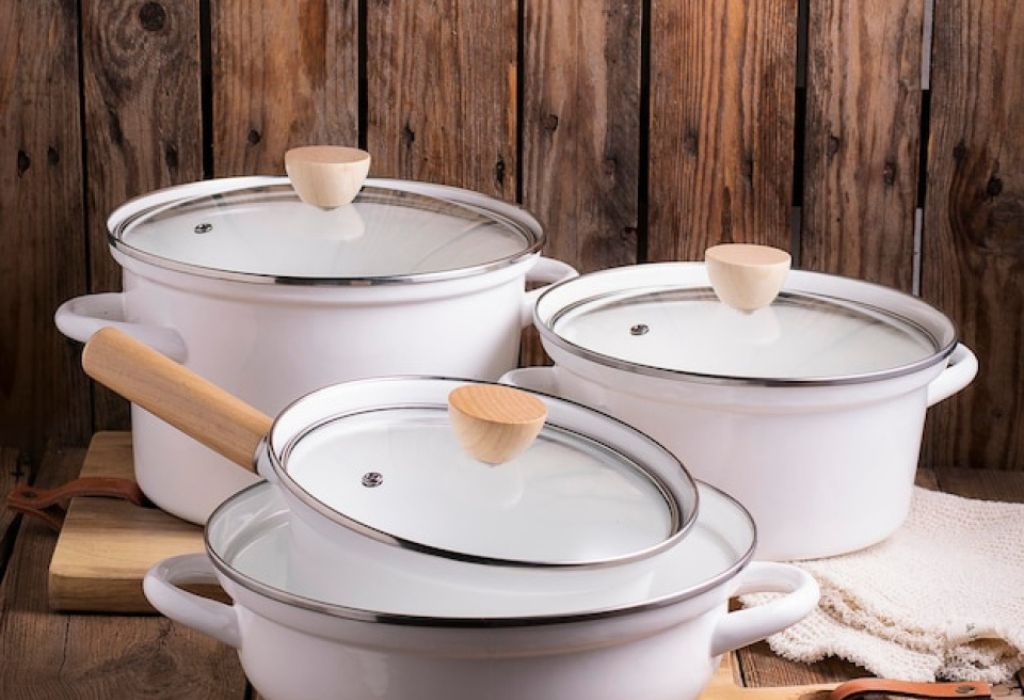
Porcelain enamel cookware combines the strength of metal with the non-reactive qualities of glass. Manufacturers apply a layer of vitreous enamel—a smooth, glass-like coating—to a metal base such as cast iron or steel at extremely high temperatures.
The result is a cooking surface that is hard, non-porous, and resistant to staining or absorbing flavors. Unlike bare cast iron, enamel does not require seasoning and will not react with acidic foods like tomatoes or wine.
This non-reactive quality is one of the main reasons porcelain enamel cookware is considered safe for daily cooking. It prevents metal from leaching into food, ensuring flavors remain pure while the surface stays easy to clean.
Modern porcelain enamel cookware also avoids PFAS, PTFE, and other synthetic nonstick chemicals. Many leading brands publish chemical disclosure statements under laws like California AB 1200 or Colorado HB 22-1345 to prove compliance with safety standards.
Studies highlight that properly manufactured enamel coatings meet FDA limits for lead and cadmium in food-contact surfaces. This gives consumers confidence that well-made enamel cookware is both durable and safe when used as intended.
What is porcelain enamel cookware made of?
A metal core such as cast iron or steel coated with a fused glass enamel layer.
Is porcelain enamel cookware safe for acidic foods?
Yes, the non-reactive surface prevents metallic leaching or corrosion.
Does it contain PFAS or PFOA chemicals?
No, enamel is naturally free from synthetic nonstick compounds.
Can the coating chip or crack?
Yes, dropping or using metal utensils aggressively can damage the enamel.
Is it safe for induction and oven cooking?
Yes, most enameled cookware is compatible with multiple heat sources.
Is Porcelain Enamel Cookware Safe? (Short Answer + What “Safe” Means)
The short answer is yes—porcelain enamel cookware is generally considered safe when purchased from reputable brands that meet strict food-safety regulations. Its glass-like enamel coating prevents the metal core from reacting with food, ensuring meals remain free from metallic taste or leaching.
“Safe” in this context refers to multiple factors: chemical safety, heat tolerance, durability, and non-reactivity with ingredients. For example, cookware that meets FDA lead and cadmium limits for food-contact surfaces ensures no harmful substances migrate into food during cooking.
Modern manufacturing also eliminates PFAS, PTFE, and PFOA chemicals often associated with synthetic nonstick coatings. Many brands publish compliance statements under regulations like California AB 1200 and Colorado HB 22-1345 to confirm ingredient transparency and safety standards.
When properly cared for, enamel cookware maintains its protective layer for decades, allowing home cooks to prepare acidic dishes, sear meats, and bake casseroles without concerns about chemical exposure.
Independent tests and consumer watchdog groups continue to confirm that high-quality porcelain enamel cookware passes all major safety benchmarks when used as directed.
Could enamel contain lead or cadmium?
Some colored glazes might, but reputable brands comply with strict FDA and Prop 65 standards for food-contact surfaces.
Does the color of the cookware matter?
Interior food-contact enamel is tested for safety, even if exterior colors use different pigments.
Are all brands equally safe?
No, always choose manufacturers with third-party testing and compliance disclosures.
Is it safe for cooking acidic foods?
Yes, the non-reactive enamel surface prevents metallic taste or corrosion.
Does dishwasher use affect safety?
No, it affects cosmetic wear, not food safety, when cookware meets quality standards.
Brand Policies and Testing (What Leading Makers Say)
Leading cookware brands have detailed testing policies and safety disclosures to reassure consumers about product safety. Most highlight compliance with FDA regulations, Proposition 65 in California, and international food-safety standards.
Le Creuset openly publishes chemical disclosures under California AB 1200 and Colorado HB 22-1345. The brand confirms its enamel coatings meet strict limits for lead and cadmium in food-contact surfaces while staying free from PFAS, PTFE, and PFOA chemicals.
Staub and Zwilling brands also follow similar safety protocols, emphasizing that their enamel cookware undergoes independent third-party testing for heavy metals and chemical safety before leaving the factory.
Lodge reassures buyers that its enamel cookware is dishwasher safe but recommends hand washing to preserve gloss and prevent cosmetic damage. It also confirms compliance with FDA safety limits for all food-contact surfaces.
These brands use high-firing processes at temperatures above 1,400°F, ensuring the enamel coating forms a strong, non-reactive barrier over the metal base. This manufacturing method seals the surface permanently and prevents chemical leaching into food during cooking.
Do brand warranties cover enamel chipping?
Most brands consider minor chips or cosmetic fading as normal wear and tear, not a safety hazard.
Is porcelain enamel cookware safe under normal use?
Yes, all major brands meet or exceed FDA and Prop 65 safety standards for food-contact surfaces.
Are independent tests available?
Yes, many brands cite third-party lab testing for chemical safety compliance.
Do brands publish safety disclosures?
Yes, especially in regions requiring ingredient transparency like California and Colorado.
Is dishwasher use recommended by brands?
Technically yes, but hand washing is advised to preserve the exterior finish and color vibrancy.
Material Science: Enamel, Heavy Metals, and Food-Contact Surfaces
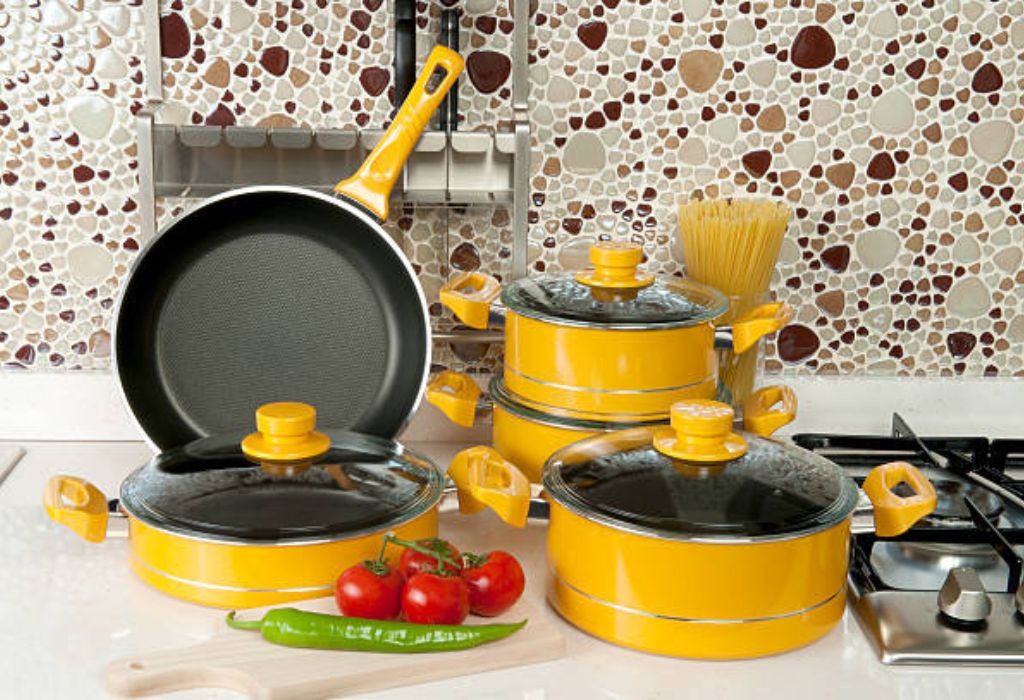
Porcelain enamel is created by fusing powdered glass to a metal base at extremely high temperatures. This process creates a smooth, non-porous barrier that prevents food from coming into direct contact with the metal underneath.
When cookware is made correctly, the enamel coating forms a protective shield that resists acids, salts, and high heat. This ensures no unwanted metallic taste or substances leach into meals.
Concerns about heavy metals like lead or cadmium typically come from older or low-quality cookware that may not follow strict safety regulations. Modern brands that meet FDA and Proposition 65 standards keep lead and cadmium levels well below legal limits.
Laboratory tests focus on leachable heavy metals, measuring how much could migrate into food under normal cooking conditions. When results stay below safety thresholds, the cookware is deemed food-safe and compliant.
Many reputable manufacturers now publish compliance reports and chemical disclosures, giving consumers confidence about what comes into contact with their food.
Does all porcelain enamel cookware meet safety standards?
No, only reputable brands test regularly and comply with regulations.
Can exterior colors contain heavy metals?
Yes, but food-contact surfaces must meet strict safety limits even if exteriors use different pigments.
Is lead or cadmium exposure likely with modern enamel cookware?
No, top brands comply with FDA and international leach testing standards.
What tests confirm safety?
Leach testing under high heat and acidic conditions simulates real cooking scenarios.
Do cheap imports carry higher risks?
Yes, inconsistent quality control may mean less transparency about chemical safety.
Everyday Safety: Heat, Utensils, and Cleaning
Porcelain enamel cookware is built to handle a variety of cooking tasks, but proper use and care keep it safe and long-lasting. High heat, metal utensils, and harsh detergents can shorten its lifespan if not used carefully.
Manufacturers recommend heating enamel cookware gradually rather than exposing it to sudden high heat. Thermal shock from extreme temperature changes can cause chips or cracks along the enamel surface.
Wood, silicone, or nylon utensils are preferred because metal tools can leave scratches or chips that compromise the finish. Gentle handling helps maintain both the appearance and safety of the cookware over time.
While many brands label their enamel cookware as dishwasher safe, hand washing with mild dish soap is recommended. This prevents dulling of the glossy finish and reduces the risk of chipping caused by contact with other items in the dishwasher.
Cleaning solutions should be non-abrasive, and stubborn food residue can be softened with a baking soda paste or warm water soak rather than aggressive scrubbing pads.
Is porcelain enamel cookware safe for high-heat cooking?
Yes, but preheat slowly and avoid maximum burner settings on empty cookware.
Can metal utensils damage enamel surfaces?
Yes, they can chip or scratch the finish, so silicone or wood is better.
Does dishwasher use harm the cookware?
No, but it can dull the surface or cause minor chipping over repeated cycles.
What’s the safest way to clean stubborn residue?
Use a warm water soak or a baking soda paste instead of abrasive pads.
Can sudden temperature changes damage enamel cookware?
Yes, thermal shock can cause cracks or chips in the coating.
Comparisons: Enamel vs. Other “Safe” Cookware Options
Porcelain enamel cookware competes with stainless steel, ceramic, and seasoned cast iron for a spot in modern kitchens. Each material offers unique benefits and potential drawbacks for daily cooking.
Stainless steel is completely non-reactive and extremely durable, but it lacks natural nonstick properties, which may require more oil or fat for cooking. Ceramic cookware is free from heavy metals and synthetic coatings but can wear out quickly under high heat or rough handling.
Seasoned cast iron offers excellent heat retention and durability, yet its reactive surface may alter the flavor of acidic foods like tomatoes or citrus unless heavily seasoned.
Porcelain enamel cookware stands out because it combines cast iron’s heat retention with a non-reactive, easy-to-clean coating. It eliminates the need for seasoning while remaining free from PFAS, PTFE, and other chemicals associated with traditional nonstick cookware.
For home cooks seeking balance between performance, safety, and low maintenance, enamel cookware provides a practical solution compared to alternatives that require frequent upkeep or compromise on cooking versatility.
Is porcelain enamel cookware safer than ceramic?
Both are safe, but enamel often lasts longer under frequent use.
Does stainless steel have any safety concerns?
No, it is inert, though cooking acidic foods for long periods may release trace metals.
Is seasoned cast iron as non-reactive as enamel?
No, acidic foods can strip seasoning and cause metallic flavors in bare cast iron.
Does enamel cookware outperform ceramic nonstick?
Yes, enamel coatings are more durable and handle higher heat safely.
Which option requires the least maintenance?
Porcelain enamel cookware needs less upkeep than cast iron or ceramic coatings.
Data & Sources to Cite in the Article

Adding credible data and research-based references strengthens the article’s authority and improves SEO rankings. For a topic like is porcelain enamel cookware safe, citing official health agencies, manufacturer disclosures, and consumer studies provides readers with confidence and clarity.
Several statistics can be integrated throughout the blog:
- FDA Lead and Cadmium Limits: The U.S. Food and Drug Administration sets strict limits on lead and cadmium migration from food-contact surfaces in cookware. Including a direct reference to FDA guidelines on lead in foodware reassures readers about compliance standards.
- California Proposition 65 & AB 1200: California law requires manufacturers to disclose chemicals present in cookware that may pose health risks. Many top brands like Le Creuset and Lodge publish chemical disclosures on their websites.
- Consumer Preference Trends: Surveys on non-toxic cookware trends show rising demand for PFAS-free and lead-free products. Referencing market studies on cookware safety can demonstrate how consumer priorities align with enamel cookware’s benefits.
- Global Standards: The European Union and World Health Organization also set strict heavy metal migration limits, which leading manufacturers follow for international markets.
These data points can be placed in sections discussing safety standards, brand policies, and comparisons with other cookware types to build trust and provide verifiable sources for claims made in the article.
Conclusion
The answer to is porcelain enamel cookware safe is yes when choosing reputable brands that meet FDA and Proposition 65 safety standards. The enamel coating provides a non-reactive, PFAS-free, and lead-safe barrier between food and the metal base, making it ideal for daily cooking.
Like any cookware, safety also depends on proper use and care. Hand washing, avoiding metal utensils, and preventing thermal shock all help preserve both the coating and the cookware’s long-term performance.
Consumers should check for chemical disclosures, independent testing, and compliance certifications before purchasing. These steps ensure confidence in the product’s safety, durability, and cooking performance for years to come.
For those seeking a balance between convenience, safety, and versatility, porcelain enamel cookware remains one of the most reliable options available today. Investing in quality pieces and following basic care practices guarantees both peace of mind and exceptional cooking results.

I’m Emma J. Caldwell, the founder, lead writer, and home-cooking enthusiast behind KitchenGuideCo.com. With a background in culinary arts and over a decade of cooking experience in both professional and personal kitchens, I created this platform to demystify recipes, offer smart kitchen gadget reviews, and guide readers through meal prep with confidence and clarity.