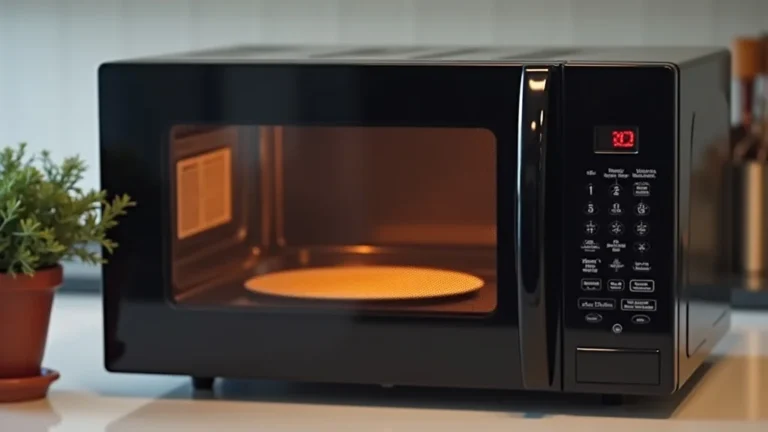
Cleaning your microwave might seem tough, but it’s really not! Many people find it a chore, maybe because they’re not sure where to start, or they’ve put it off for too long. But don’t worry, figuring out how to clean microwave oven doesn’t have to be hard. We’ll explore simple, clear steps that make the process easy and quick, so you can enjoy a fresh and sparkling microwave. Let’s get started, and you’ll see how easy it is to keep your microwave clean.
Key Takeaways
- Learn easy methods for cleaning your microwave with common household items.
- Understand the importance of regular microwave cleaning for hygiene.
- Discover how to remove stubborn food splatters and odors effectively.
- Find out how to clean your microwave’s interior and exterior safely.
- Explore simple tips to help prevent future messes inside the microwave.
Easy Methods for Cleaning Your Microwave Oven
Keeping your microwave clean is important for both your health and how well it works. Food splatters and spills can build up, leading to odors and making your microwave less efficient. Many people may not know how easy it is to keep it clean. You don’t need fancy cleaners or a lot of time. In fact, many common household items can do the trick. You’ll be surprised at how quickly you can achieve a spotless microwave.
The Steam Cleaning Method
The steam cleaning method is a great starting point when figuring out how to clean microwave oven. It’s gentle, effective, and uses only water and a microwave-safe bowl. This method helps loosen food particles stuck on the sides and top of the microwave. The steam softens the grime, making it easier to wipe away. No harsh chemicals needed.
- Fill a microwave-safe bowl with about a cup of water.
- Microwave the bowl on high for 5-7 minutes.
- Carefully remove the bowl.
Place the bowl in your microwave. For added cleaning power, add a tablespoon of white vinegar or a squeeze of lemon juice to the water. The vinegar and lemon help cut through grease and leave a fresh scent.
The water will boil, creating steam that coats the inside of your microwave. Once the time is up, let the microwave sit unopened for a couple of minutes to let the steam work its magic.
Use oven mitts or a towel, as the bowl and water will be hot. Wipe down the inside of the microwave with a damp cloth or sponge. The loosened food particles should come off easily. You may need to rinse the cloth several times.
The Baking Soda Method
Baking soda is a safe, natural, and effective cleaning agent. It’s a mild abrasive, so it helps scrub away stains without scratching the surface of your microwave. Many people choose this method because it’s great for getting rid of odors. It is also good for more difficult messes and gives you an extra way to how to clean microwave oven.
- Mix baking soda with water.
- Apply the paste to the inside of the microwave.
- Scrub and wipe clean.
Create a paste by mixing a few tablespoons of baking soda with enough water to make a thick paste. Ensure that it isn’t too runny. This paste should be thick enough to stick to the surfaces you’ll be cleaning.
Using a sponge or cloth, spread the paste over the interior surfaces of your microwave, focusing on any stained areas. Allow the paste to sit for about 10-15 minutes to work its magic.
After the paste has sat, use a damp cloth or sponge to gently scrub away the paste and the loosened food residue. Rinse the cloth frequently. Wipe down the interior surfaces until they are clean and free of baking soda residue. You may need to repeat this step for any stubborn stains.
The Vinegar Method
Vinegar is a powerhouse when it comes to cleaning, especially when you are learning how to clean microwave oven. It’s a natural disinfectant, great for cutting through grease and removing odors. White vinegar, in particular, is an excellent choice for this. It’s inexpensive, widely available, and safe to use on most surfaces. Its acidic nature helps break down tough food stains. It is a fantastic option for cleaning your microwave.
- Create a vinegar solution.
- Microwave the solution.
- Let it sit.
- Wipe the inside clean.
Mix equal parts white vinegar and water in a microwave-safe bowl. For example, use a cup of vinegar and a cup of water.
Place the bowl inside your microwave and microwave on high for 3-5 minutes. The steam from the vinegar solution will loosen any built-up grime, making it easier to wipe away.
After microwaving, let the solution sit inside the microwave for a few minutes. This allows the steam to fully penetrate and loosen any stuck-on food particles.
Carefully remove the bowl (it will be hot). Use a damp cloth or sponge to wipe down the inside of the microwave. The loosened grime should come off easily.
Cleaning Microwave Oven Exterior and Turntable
While the inside of your microwave gets most of the attention, cleaning the outside and the turntable is just as important. These parts can collect spills, fingerprints, and dust, making your microwave look less than its best. Cleaning the exterior helps maintain the microwave’s appearance, while the turntable ensures your food heats evenly and can also improve how well you how to clean microwave oven.
Exterior Cleaning
The exterior of your microwave sees a lot of action, from fingerprints to splatters. Thankfully, cleaning the outside is quick and easy. Regular cleaning can prevent the build-up of grime and help maintain a good look. This is also important for the overall hygiene of your kitchen. The exterior often gets overlooked, but is simple to maintain.
- Wipe down the exterior.
- Clean the control panel.
- Dry the exterior.
Use a damp cloth with a little soap to wipe down the outside surfaces of the microwave. This removes fingerprints, splatters, and dust. For stubborn spots, a mild dish soap solution can work wonders. Be sure to avoid harsh abrasives that could scratch the finish.
The control panel is sensitive, so avoid spraying cleaners directly onto it. Instead, use a damp cloth to gently wipe the buttons and display. Make sure the cloth isn’t dripping wet to avoid damaging any electrical components.
After wiping down the exterior, dry it thoroughly with a clean, dry cloth. This step prevents water spots and leaves your microwave looking shiny and new.
Turntable Cleaning
The turntable is another area that deserves attention. It rotates your food to ensure even cooking, but it also collects food spills and crumbs. Cleaning it regularly keeps it functioning correctly. The turntable is usually easy to remove and clean, making the process straightforward. Regularly cleaning the turntable will improve how to clean microwave oven.
- Remove the turntable.
- Wash the turntable.
- Clean the support ring.
- Dry and replace.
Carefully lift the turntable out of the microwave. You may need to consult your microwave’s manual if you are unsure how to remove it. Often, there is a central hub that secures the turntable.
Wash the turntable with warm, soapy water. Use a soft sponge or cloth to remove any food residue and grime. Rinse thoroughly with clean water to remove all traces of soap.
While the turntable is out, clean the support ring (the rotating mechanism) inside the microwave. Use a damp cloth to wipe away any crumbs or spills that may have accumulated here.
Dry the turntable and support ring completely before replacing the turntable in the microwave. This will prevent any mold or mildew from forming and ensure smooth operation.
Preventing Microwave Oven Messes
Preventing messes in your microwave is as important as cleaning them up. Simple habits and tools can make a big difference in keeping your microwave clean for longer. By taking a few extra steps when cooking or reheating food, you can significantly reduce the frequency of cleaning. It’s a proactive approach to maintaining a clean microwave. Learning how to clean microwave oven can be a lot easier when messes are kept at bay.
Use Microwave-Safe Covers
Using microwave-safe covers is a simple, effective way to prevent splatters and spills. These covers come in various shapes and sizes. They trap steam and prevent food particles from flying around. This is a simple solution to reduce cleaning time and effort. Covers also help keep your microwave clean.
- Choose the right cover.
- Cover your food.
- Clean the cover.
Select a microwave-safe cover that fits your dishes and food items. There are specific covers for plates, bowls, and even larger dishes. Make sure the cover is designed for microwave use.
Place the cover over your food before microwaving. This prevents splatters from hitting the microwave walls and ceiling. Be sure to leave a small vent so steam can escape. Don’t cover food fully to avoid pressure build-up.
After each use, clean the cover thoroughly with soap and water or in the dishwasher. Keeping the cover clean will help prevent the build-up of food particles. This will also maintain the cleanliness of your microwave.
Avoid Overheating Food
Overheating food is a major cause of splatters and messes. Knowing the correct heating times for different foods helps prevent spills and explosions. This also helps to avoid stubborn stains that are tough to remove. By monitoring cooking times and using appropriate power levels, you can minimize the chance of food erupting in your microwave.
- Follow package instructions.
- Monitor while heating.
- Use lower power settings.
When heating pre-packaged food, always follow the cooking instructions on the packaging. These instructions are designed to ensure your food heats properly without creating a mess. Be sure to pay attention to power levels and cooking times.
Pay close attention to your food while it is microwaving. If you see or hear signs of splattering or boiling over, stop the microwave and adjust the cooking time or power level accordingly. This helps prevent major messes.
For some foods, using a lower power setting for a longer time can prevent splatters and ensure even heating. This is particularly helpful when reheating liquids or foods with high moisture content. It’s a key part of how to clean microwave oven.
Clean Up Spills Immediately
Cleaning up spills as soon as they happen can make the overall cleaning process much easier. Fresh spills are easier to remove than dried-on messes. This quick action can prevent food from baking onto the microwave surfaces. This also ensures that the microwave remains clean and prevents bad smells. It will also make how to clean microwave oven easier.
- Wipe up spills promptly.
- Use a mild cleaner.
- Dry the microwave.
As soon as you notice a spill, turn off the microwave and let it cool down if necessary. Use a damp cloth or sponge to wipe up the spill before it dries. Doing this immediately will prevent the mess from becoming sticky or hard to remove. This is the first step.
For small spills, a damp cloth is often sufficient. For stickier messes, a mild dish soap solution can help. Avoid using abrasive cleaners, which can scratch the microwave’s interior surfaces. Remember that less is more.
After wiping up the spill, dry the area thoroughly with a clean cloth. This prevents streaks and water spots. It also helps to prevent any mold or mildew from forming inside the microwave. Don’t leave any moisture behind.
Understanding Microwave Materials and Safety
Knowing the materials used in your microwave and understanding safety tips can help you clean your microwave. Certain materials are not safe for the microwave, and using them can cause damage or safety hazards. This knowledge will keep you and your appliance safe. Knowing how to clean microwave oven correctly also contributes to a safe environment.
Safe Materials for Microwave Cleaning
When cleaning your microwave, it is important to know which cleaning tools are safe to use. Some materials can damage the microwave or pose a safety risk. When figuring out how to clean microwave oven, you will also want to know which materials will make the cleaning process go smoothly. Here’s a guide to the safe materials.
- Microwave-safe bowls.
- Soft cloths and sponges.
- Dish soap.
Use microwave-safe bowls and containers to hold cleaning solutions and to heat water for steaming. These items are designed to withstand the heat and won’t release harmful chemicals.
Use soft cloths or non-abrasive sponges to wipe down the microwave’s interior and exterior. These materials won’t scratch the surfaces. They can also effectively remove dirt and grime.
Dish soap is safe to use for cleaning the inside and outside of your microwave. It’s effective at cutting through grease and removing food residue. Always use dish soap in moderation. A little goes a long way.
Materials To Avoid
Certain materials should never be used in your microwave. These materials can cause sparks, damage the microwave, or pose a fire hazard. Avoid using these when figuring out how to clean microwave oven. Understanding these risks will keep you and your microwave safe.
- Metal objects.
- Abrasive cleaners.
- Harsh chemicals.
Never put metal objects in your microwave. These can cause sparks and damage the appliance. This includes aluminum foil, metal utensils, and anything with metallic trim.
Avoid abrasive cleaners, such as steel wool or harsh scrubbing pads. These can scratch the interior surfaces of your microwave, making them harder to clean and potentially damaging the appliance.
Stay away from harsh chemicals or strong cleaning agents. These can damage the microwave and may also leave a residue that could contaminate your food. Stick to natural cleaners like vinegar or baking soda.
Troubleshooting Common Microwave Cleaning Issues
Even with regular cleaning, you might run into some cleaning issues. Learning how to solve these problems will help keep your microwave spotless. Sometimes, you may encounter extra stubborn stains or odors. If you understand how to solve these problems, you’ll be prepared for anything. This knowledge will also keep your microwave in great shape.
Dealing With Stubborn Food Stains
Sometimes, food stains just don’t want to come off. These stains may require a little extra effort. Here are some strategies to help remove even the toughest stains. Knowing these tricks will keep your microwave looking its best. Learning how to clean microwave oven will always involve some stubborn areas.
- Use the baking soda paste.
- Try a vinegar and water solution.
- Repeat the cleaning process.
For stubborn stains, the baking soda paste method can work wonders. Apply the paste and let it sit for a while before scrubbing. The mild abrasive action of baking soda helps loosen and lift stubborn stains. Be patient and give it time.
A vinegar and water solution can work to loosen stains as well. This is effective because of the acidic nature of the vinegar. Heat it in the microwave to create steam. Then, let it sit and wipe away the stains.
If the first cleaning attempt isn’t successful, repeat the process. Sometimes, it takes a few tries to remove difficult stains. Persistence will always pay off. Remember, you can always go back and try again.
Eliminating Bad Odors
Unpleasant odors can linger in the microwave, even after you’ve cleaned it. These odors can come from food that has spilled or burned. Here are some tips to get rid of any lingering smells. Learning how to get rid of odors will improve your microwave’s performance.
- Use lemon or citrus.
- Try activated charcoal.
- Air it out.
Place a bowl of water with lemon slices or citrus peels in the microwave. Heat it for a few minutes. This releases a fresh scent and helps absorb unpleasant odors. The natural oils in citrus fruits work wonders.
Activated charcoal is great for absorbing odors. Place a bowl of activated charcoal inside the microwave overnight. This will absorb any lingering smells and leave your microwave smelling fresh. Replace the charcoal as needed.
After cleaning, leave the microwave door open for a while. This will help air out any lingering odors and ensure your microwave is completely dry. This is a very easy step, but it is important to remember.
Frequently Asked Questions
Question: How often should I clean my microwave?
Answer: It’s best to clean your microwave weekly or whenever you notice spills or splatters. Regular cleaning will prevent the build-up of grime and keep your microwave in good shape.
Question: Can I use harsh chemicals in my microwave?
Answer: No, avoid harsh chemicals or abrasive cleaners. They can damage your microwave and may leave behind harmful residues. Stick to gentle, natural cleaners like vinegar or baking soda.
Question: Is it safe to put metal in the microwave?
Answer: No, you should never put metal objects in the microwave. Metal can cause sparks and damage the appliance. Remove any metal containers or utensils before microwaving.
Question: How can I remove stubborn food stains?
Answer: Try a baking soda paste or a vinegar and water solution. Apply, let it sit, and then scrub gently. You might need to repeat the process for tough stains.
Question: How do I get rid of bad odors in the microwave?
Answer: Use a bowl of water with lemon or citrus slices. Microwave it for a few minutes. You can also try placing a bowl of activated charcoal inside overnight to absorb odors.
Final Thoughts
Now you have the knowledge to keep your microwave sparkling and functional. You’ve discovered easy methods, including steam cleaning, baking soda paste, and vinegar solutions. You’ve also learned about exterior and turntable cleaning, and essential preventative steps. You know the importance of safe materials and how to handle any cleaning challenges that come your way. You can confidently keep your microwave clean. Start with a quick steam clean, and follow these easy steps regularly to keep your microwave clean and fresh. The outcome will make cooking and reheating easier and more enjoyable. Enjoy your fresh microwave!

I’m Emma J. Caldwell, the founder, lead writer, and home-cooking enthusiast behind KitchenGuideCo.com. With a background in culinary arts and over a decade of cooking experience in both professional and personal kitchens, I created this platform to demystify recipes, offer smart kitchen gadget reviews, and guide readers through meal prep with confidence and clarity.