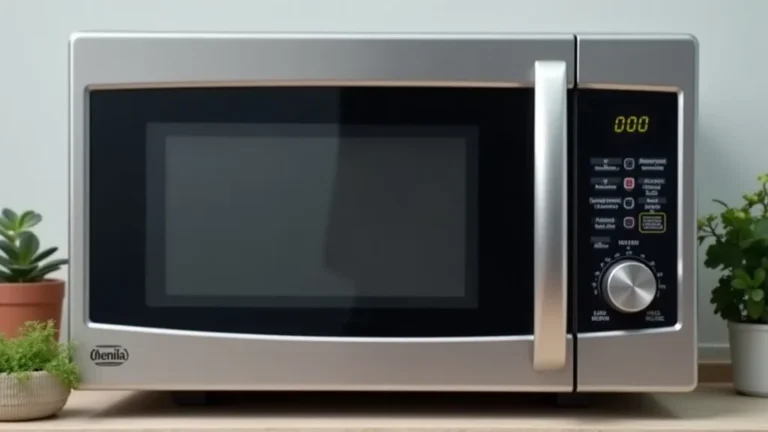
Oh no, your microwave! We’ve all been there. That stubborn, baked-on food that just won’t budge after a quick reheating session is a common kitchen struggle. Sometimes, a simple wipe just doesn’t cut it. This can be challenging for beginners because microwave surfaces vary, and you might worry about damaging the appliance. Don’t sweat it! We’ll explore a straightforward, step-by-step solution to help you get your microwave sparkling clean. Prepare to restore your microwave’s freshness and banish those food remnants. Let’s get started!
Key Takeaways
- Learn effective methods for cleaning stuck food in your microwave without harsh chemicals.
- Discover how steam and heat can loosen and remove stubborn, baked-on messes.
- Understand the importance of choosing the right cleaning supplies for your microwave type.
- Find out how to prevent future stuck-food situations and keep your microwave clean.
- See how to safely clean and deodorize your microwave, leaving it fresh and ready for use.
- Get expert tips for dealing with specific types of food spills, from sauces to popcorn remnants.
Methods for Cleaning Your Microwave
The core of tackling the problem of how to remove stuck food from microwave starts with choosing the right approach. Different techniques work best for different types of messes, so knowing your options is important. This means you will explore the best tools, and the safest cleaning solutions. We will explore how steam can be your best friend when faced with stubborn food and the importance of using gentle cleaners to avoid damage to the appliance.
Steaming Your Way to a Clean Microwave
One of the easiest, yet highly effective methods for cleaning a microwave involves steam. Steam helps to loosen the dried-on food, making it easier to wipe away. The heat from the steam softens and releases the stuck-on particles. You can utilize several different ingredients to accomplish this. It’s a natural way to clean, minimizing the need for harsh chemicals and ensures that the inside of your microwave is deodorized. Follow these steps for an effective steaming session.
- Water and Vinegar Solution: Fill a microwave-safe bowl with a mixture of water and white vinegar (a 1:1 ratio works well). This mixture helps to loosen food particles and deodorizes the microwave. The vinegar’s acidity breaks down grease and food residue. Place the bowl inside the microwave.
- Heat it Up: Microwave the bowl on high for 5-10 minutes. This will cause the water to boil and create steam. As the steam builds up, it will begin to loosen the food particles that are stuck to the microwave walls.
- Let it Sit: After microwaving, allow the bowl to sit inside for an additional 2-3 minutes. This allows the steam to continue working on the stuck food. Avoid opening the door immediately, as the steam will be hot.
- Wipe Down: Carefully remove the bowl (using oven mitts or pot holders, as it will be very hot). Then, using a damp sponge or cloth, wipe down the inside of the microwave. The loosened food should come off easily. You may need to repeat the process for very stubborn messes.
- Final Rinse and Dry: After wiping down the entire inside of the microwave, rinse your sponge or cloth and wipe down the surfaces again to remove any lingering residue. Finally, dry the inside of the microwave with a clean cloth.
Steaming is generally safer than using harsh chemicals because it relies on natural ingredients like water and vinegar. Vinegar also has the added benefit of being a natural disinfectant. Always ensure you are using a microwave-safe bowl to avoid any accidents. This simple method can make a big difference in the cleanliness and performance of your microwave.
Using Baking Soda for Tough Stains
Baking soda is a fantastic alternative for cleaning a microwave when dealing with challenging stains. It’s a gentle abrasive that helps scrub away food residue without scratching the interior surfaces. Baking soda is effective against a variety of food messes, from dried sauces to burnt popcorn. The process is straightforward, requires minimal supplies, and offers a safe, chemical-free way to refresh your microwave.
- Create a Baking Soda Paste: Mix baking soda with water to form a paste. The consistency should be thick enough to stick to the surfaces, but not too runny. A good starting ratio is 3 tablespoons of baking soda to 1 tablespoon of water, but adjust as needed to get the right texture.
- Apply the Paste: Apply the baking soda paste to the areas inside your microwave where the food is stuck. Focus on the most stubborn spots. Avoid applying the paste to any electrical components, such as the heating element or the control panel.
- Let It Sit: Allow the paste to sit for several minutes, ideally for about 10-15 minutes. This gives the baking soda time to work its magic and loosen the food particles. For particularly tough stains, you can let the paste sit for longer, up to 30 minutes.
- Scrub Gently: After the paste has sat, use a non-abrasive sponge or cloth to gently scrub the affected areas. The baking soda acts as a mild abrasive, helping to lift the food particles off the surface without causing any scratches. Rinse the sponge or cloth frequently to remove the residue.
- Rinse and Dry: Wipe down the inside of your microwave with a damp cloth to remove the baking soda paste. Ensure that all the residue is gone. Finally, dry the inside of the microwave with a clean, dry cloth.
The baking soda method is effective and safe, making it a great option for removing stubborn stains without resorting to strong chemicals. Its gentle abrasive nature and deodorizing properties leave your microwave clean and fresh. Baking soda’s versatility makes it a kitchen staple for various cleaning tasks.
Choosing the Right Cleaning Supplies
Selecting the correct cleaning supplies is crucial to ensure that your microwave is clean without causing any damage. The type of material inside your microwave dictates what kind of cleaner you should use. From gentle sponges to specialized microwave cleaners, understanding your options can make the cleaning process more effective and safer. Knowing your materials is key to keeping your microwave in excellent condition.
Safe Cleaning Agents
Using the right cleaning agents is important for getting your microwave clean without risking damage. When you’re selecting a cleaner, consider these crucial factors: the safety of the cleaner, its effectiveness, and the material of your microwave. Many common household items are perfect for this task.
- White Vinegar: White vinegar is an effective natural cleaner with excellent disinfecting properties. Its acidic nature is perfect for cutting through grease and dissolving food residue. Mix it with water, microwave, and wipe!
- Baking Soda: Baking soda serves as a gentle abrasive and deodorizer. Make a paste with water and apply it to tough spots to scrub away residue. Then, wipe away the paste with a damp cloth.
- Dish Soap: Dish soap works well for general cleaning. Mix it with warm water and use a soft sponge to wipe down the microwave. Always rinse thoroughly to remove any soap residue.
- Lemon Juice: Lemon juice can cut through grease and leave a fresh scent. Microwave a bowl of lemon juice and water, then wipe down the interior. The citric acid helps to break down food particles.
These agents are safe and effective. They avoid harsh chemicals that might harm your microwave’s interior. Using these gentle alternatives guarantees a thorough cleaning while preserving the integrity of your appliance.
Materials to Avoid
Just as important as choosing the right cleaners is knowing which materials to avoid. Using the wrong supplies can damage your microwave, leading to scratches, corrosion, and other issues. Always prioritize the safety of your appliance by avoiding abrasive materials and harsh chemicals.
- Abrasive Sponges or Scrub Pads: These can scratch the interior surfaces, especially if your microwave has a painted or plastic interior. Scratches can trap food particles, making future cleaning more difficult.
- Harsh Chemicals: Avoid harsh cleaning chemicals, such as bleach, ammonia, and oven cleaners. These chemicals can damage the interior materials, corrode the surfaces, and potentially release harmful fumes.
- Metal Scouring Pads: Metal scouring pads can scratch the interior of your microwave and potentially cause electrical issues. Their use is not recommended due to their abrasive nature.
- Commercial Cleaners with Harsh Ingredients: Many commercial microwave cleaners contain strong chemicals that could be harmful if ingested. Always read labels carefully and avoid products containing abrasive or corrosive ingredients.
By avoiding these materials, you ensure a safe and effective cleaning process. This will help maintain your microwave’s performance and extend its lifespan. Sticking with gentler alternatives preserves the interior while keeping your appliance spotless.
Dealing with Different Types of Food Spills
Microwave messes vary. Different food types call for slightly different cleaning approaches. From sauce splatters to exploded popcorn, this part explores how to handle specific messes, ensuring you’re prepared for anything. This knowledge gives you the skills to clean your microwave effectively.
Tackling Sauce and Grease
Dealing with sauce and grease spills is often the most common microwave cleaning challenge. Sauces tend to splatter and bake onto the interior surfaces. The high fat content in sauces and foods like pizza can lead to greasy buildup, making removal difficult. Here’s a breakdown of how to tackle these sticky situations.
- Initial Wipe Down: Immediately after a spill, wipe up as much as possible with a damp cloth or paper towel while the microwave is still warm (but unplugged). This helps prevent the sauce from hardening and becoming difficult to remove.
- Steam Cleaning: Use the vinegar and water method (described earlier). The steam will help loosen the grease and baked-on sauce. After steaming, the residue should wipe away easily.
- Baking Soda Paste: If some sauce remains, make a baking soda paste and apply it to the affected areas. Let it sit for a few minutes, then scrub gently with a non-abrasive sponge. Baking soda’s mild abrasive properties are great at removing stubborn residue.
- Dish Soap Solution: Mix a small amount of dish soap with warm water. Use a soft sponge to gently scrub the interior. Make sure to rinse the area thoroughly to remove any soap residue.
- Prevention: To prevent future messes, use microwave-safe covers for your food. These covers help to contain splatters and keep your microwave cleaner.
The keys to success here are speed and the right combination of tools. By using these methods, you can swiftly remove sauce and grease without causing damage. Regular maintenance and prevention can also save you time and effort.
Cleaning Up Popcorn Explosions
Popcorn explosions in the microwave are a classic scenario, leaving behind a sticky, greasy mess. The high heat and oil from the popcorn can cause it to stick to the interior, making it difficult to clean. Handling these situations correctly can restore your microwave’s freshness.
- Immediate Action: Unplug the microwave and let it cool. Carefully remove any loose popcorn kernels and pieces. Be gentle, so you don’t scratch the interior.
- Steam and Wipe: Use the water and vinegar method. The steam will soften the hardened oil and popcorn residue. After steaming, wipe the interior with a damp cloth or sponge.
- Baking Soda: Use baking soda to remove any remaining stubborn spots. Make a paste, apply it to the affected areas, and gently scrub. Rinse thoroughly after cleaning.
- Prevention Techniques: Always use the “popcorn” button on your microwave to avoid overheating. This setting is calibrated to cook popcorn properly. Place a microwave-safe cover over the bag.
- Final Wipe: Dry the inside with a clean cloth. This ensures that any remaining moisture or residue is gone, preventing odors and further buildup.
These techniques help you manage popcorn explosions effectively. They help to make the cleanup easier and protect your microwave’s condition. The key is to act quickly and use the right tools.
Preventing Future Messes
Preventing messes in your microwave is as important as cleaning them. Simple actions can drastically reduce the frequency and severity of food spills, saving you time and effort in the long run. By creating and sticking to smart habits, you can keep your microwave cleaner and in better working order. Prevention helps maintain your appliance’s cleanliness and extends its lifespan.
Using Microwave-Safe Covers
Microwave-safe covers are a simple yet effective way to prevent splatters and spills. These covers are specifically designed to be used in the microwave without causing damage, creating a physical barrier between the food and the microwave interior. They help contain food particles and steam. Using covers regularly can significantly reduce the need for deep cleaning. Here’s a deeper look at the benefits and how to choose the right ones.
- Types of Covers: There are various types of microwave-safe covers available. Some are plastic, others are silicone, and some come with built-in steam vents. Choosing the right one depends on your needs and the types of foods you typically heat.
- Benefits: The main benefit is preventing splatters, keeping your microwave clean. This saves time and effort on cleaning. They also help to retain moisture in food, preventing it from drying out. They are reusable, reducing waste.
- How to Use: Always ensure the cover is microwave-safe, as indicated by the manufacturer. Place the cover over your food before microwaving. Follow the instructions on the cover and the food packaging for cooking times and power levels.
- Maintenance: Clean your microwave-safe covers regularly. Most are dishwasher-safe, but you can also wash them by hand with warm, soapy water. Ensure they are completely dry before storing or reusing them.
- Choosing the Right Cover: Consider the size and shape of your microwave and the types of dishes you typically heat. Look for covers made from durable, microwave-safe materials. A cover with steam vents can help release pressure and prevent explosions.
Using microwave-safe covers is a straightforward way to protect your microwave and reduce the amount of cleaning needed. Proper use and maintenance of these covers ensure that your microwave stays clean and your food cooks perfectly.
Proper Food Placement and Techniques
The way you place food in your microwave significantly affects cleanliness and overall performance. Proper food placement can minimize splatters, and using the right techniques can prevent messes. Here are some of the best tips for food placement and cooking methods.
- Center the Food: Place food in the center of the microwave on a microwave-safe plate or dish. This ensures even heating and reduces the chances of food touching the sides of the microwave, which can lead to splatters.
- Use Appropriate Dishes: Use microwave-safe dishes and containers. Avoid metal containers, which can cause sparks and damage your microwave. Glass or plastic containers specifically designed for microwave use are best.
- Stir or Rotate Food: Stir or rotate your food during cooking. This helps to distribute heat evenly and prevents hot spots that can cause food to splatter or explode. Use the turntable feature, if your microwave has one.
- Follow Cooking Instructions: Always follow the cooking instructions on food packaging. These instructions are designed to ensure your food is heated correctly without causing messes. Pay close attention to recommended power levels and cooking times.
- Avoid Overcrowding: Don’t overcrowd the microwave. Leaving space around the dishes ensures proper heat circulation, reducing the risk of spills. Overcrowding can lead to uneven cooking and more messes.
By following these guidelines, you can significantly reduce the occurrence of food splatters. This simplifies cleaning and improves the efficiency of your microwave. The right techniques and smart habits contribute to a cleaner, more efficient kitchen.
Frequently Asked Questions
Question: Can I use metal in my microwave?
Answer: No, you should not use metal in your microwave. Metal can cause sparks and damage your appliance.
Question: How often should I clean my microwave?
Answer: It’s best to clean your microwave regularly, ideally after each use or every few days, to prevent food buildup.
Question: Is it safe to use vinegar to clean my microwave?
Answer: Yes, vinegar is a safe and effective cleaning agent for microwaves. It’s a natural cleaner and disinfectant.
Question: What’s the best way to remove a stubborn stain?
Answer: Make a baking soda paste and apply it to the stain. Let it sit for a few minutes, then gently scrub.
Question: Can I use harsh chemicals in my microwave?
Answer: No, avoid harsh chemicals like bleach and oven cleaners. These can damage the interior of your microwave.
Final Thoughts
Maintaining a clean microwave is vital for both its function and your kitchen’s hygiene. We’ve explored methods to remove those stubborn food remnants using steam, baking soda, and common household items. Knowing the right supplies, from gentle sponges to the safest cleaning solutions, is important. We have discussed how to handle specific spills, from saucy splatters to popcorn messes. Remember, preventing future messes by using covers and practicing smart food placement helps keep your microwave spotless. Now, you’re equipped to tackle those sticky situations with confidence. Get those cleaning supplies ready, and let’s get that microwave sparkling.

I’m Emma J. Caldwell, the founder, lead writer, and home-cooking enthusiast behind KitchenGuideCo.com. With a background in culinary arts and over a decade of cooking experience in both professional and personal kitchens, I created this platform to demystify recipes, offer smart kitchen gadget reviews, and guide readers through meal prep with confidence and clarity.