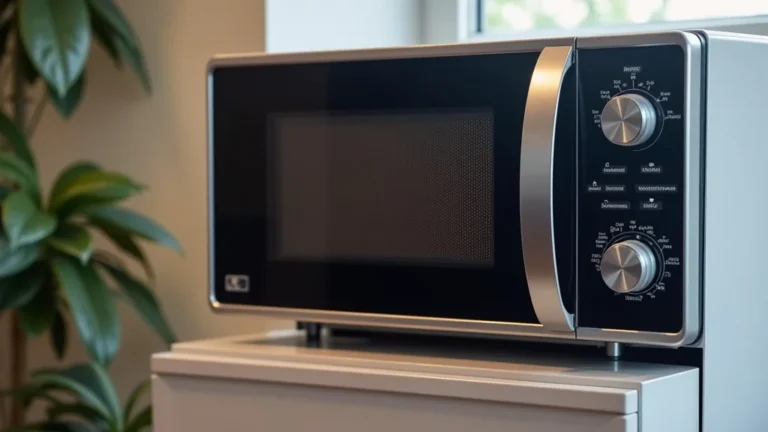
It’s perfectly normal to wonder, is microwave leaking radiation, especially since we use them daily. Many people worry about this, especially when they are first starting out. It can seem confusing to learn about radiation, but don’t worry, this post will break it down in simple steps. You’ll learn how to check your microwave and understand what to look for. Let’s get started and make sure your microwave is safe for you and your family!
Key Takeaways
- Learn how microwaves work and the role of radiation.
- Discover the common signs that might indicate a leak.
- Find out simple ways to test your microwave at home.
- Understand what the government says about microwave safety.
- Understand the importance of microwave maintenance for safety.
- Know what to do if you suspect a radiation leak.
Microwave Basics What You Need to Know
Microwaves are a staple in almost every kitchen, making food preparation quick and easy. They use non-ionizing electromagnetic radiation to heat food, specifically, the radiation is in the microwave frequency range of the electromagnetic spectrum. It’s important to clarify that this type of radiation is different from the ionizing radiation found in X-rays or nuclear processes, which is much more dangerous. The core function of a microwave is to generate these waves and direct them at food, causing the water molecules within the food to vibrate rapidly. This vibration generates heat, which cooks the food from the inside out. Understanding this basic function is the first step toward understanding how to ensure safety.
How Microwaves Produce Heat
The heating process in a microwave relies on the interaction between the microwaves and the water molecules present in food. Microwaves, which are a form of electromagnetic radiation, are generated by a component called a magnetron. This magnetron converts electrical energy into microwave radiation. When these microwaves hit food, they cause the water molecules within to oscillate or vibrate rapidly. This rapid vibration increases the kinetic energy of the water molecules, generating heat. This is why foods with higher water content cook faster in a microwave.
- The Magnetron’s Role: The magnetron is the heart of the microwave, generating the microwave radiation that heats food. It’s a vacuum tube that converts electrical energy into microwaves.
- Frequency Matters: The frequency of the microwaves (typically around 2.45 GHz) is chosen because it is efficiently absorbed by water molecules, which is a key part of food.
- Wave Interaction: The microwaves penetrate the food and are absorbed by the water molecules, causing them to vibrate and produce heat. This is a very targeted heating process.
- Reflection and Absorption: The metal interior of the microwave reflects the microwaves to ensure even heating. Foods with high-water content absorb more energy, leading to faster cooking.
Radiation Type and Microwave Safety
It’s important to distinguish between the radiation in microwaves and other types of radiation. Microwaves use non-ionizing radiation. This type of radiation doesn’t have enough energy to remove electrons from atoms or molecules, which is what makes ionizing radiation (like X-rays or gamma rays) dangerous. The energy from microwave radiation primarily affects water molecules, causing them to vibrate and produce heat. Because the radiation is contained within the microwave oven and is non-ionizing, the risk of harm is quite low, assuming the microwave is properly maintained and used.
- Non-Ionizing vs. Ionizing: Non-ionizing radiation, used by microwaves, doesn’t damage DNA. Ionizing radiation, like X-rays, can.
- Energy Level: Microwave radiation has a low energy level that is safe for cooking food.
- Safety Standards: Microwaves are designed to contain the radiation. Leakage is very rare if the oven is not damaged.
- Regulations: Government regulations ensure microwave safety, setting limits on radiation leakage that are designed to protect users.
Checking If Is Microwave Leaking Radiation: Common Indicators
When thinking about, “is microwave leaking radiation“, the first step is to be aware of the signs that could indicate a problem. Some visual or functional cues might suggest that your microwave isn’t working as it should. These signs aren’t definite proof of a leak, but they do warrant further investigation. Knowing what to look for can help you identify potential issues and take action if needed. This part of the process is a good way to give you peace of mind and keep the appliances in your home working properly. Always consult the microwave manufacturer’s guidelines, too.
Visual Clues of Potential Problems
A careful inspection of your microwave can reveal signs that might suggest a potential issue. These are simple things you can watch out for as part of your regular appliance check. It’s easy to do a quick inspection. Look for these visual cues as part of your regular maintenance routine. Regular checks increase safety and extend the life of your microwave oven.
-
Damage to the Door: Check the door for any visible damage. Cracks, dents, or gaps in the door seal are a common sign of a problem.
A damaged door is one of the most common reasons for potential leaks. Even small cracks can compromise the seal, allowing microwaves to escape. Regular inspection can catch this problem early.
-
Cracked or Warped Seal: Inspect the seal around the door for cracks, warping, or wear.
The seal is critical for containing radiation. Cracks or warping can weaken the seal, potentially leading to radiation leakage. This is a crucial element to inspect during your maintenance checks.
-
Signs of Arcing Inside: Look for any signs of arcing or burning inside the microwave, especially on the walls or the waveguide cover.
Arcing can damage the internal components and the walls of the microwave. This can cause the microwave to be damaged, which can affect its ability to safely contain the radiation.
-
Rust or Corrosion: Check for any rust or corrosion on the inside walls or door, as this can affect the microwave’s ability to contain radiation.
Rust and corrosion can compromise the structural integrity of the microwave, which could lead to potential leaks. If this happens, it is always a good idea to consider an upgrade to a newer model.
Functional Issues to Watch Out For
Besides visual inspections, you should also be aware of how the microwave is functioning. Unusual behaviors can also signal a problem. Pay attention to how your microwave performs during normal use. These functional issues are critical indicators.
-
Uneven Heating: If your food isn’t heating evenly, it could be a sign of a problem with the magnetron or internal components.
Uneven heating can indicate issues with how the microwaves are distributed inside the oven, which might be related to other issues such as a leak. This means that the appliance is not operating as expected.
-
Unusual Sounds or Smells: Strange noises or burning smells during operation are signs that something isn’t right.
Unusual sounds (like buzzing) or burning smells can be a sign of electrical problems, which can sometimes be linked to radiation leaks. Always unplug and have it checked by a professional if this happens.
-
Failure to Heat: If your microwave is not heating food at all, it might indicate a malfunction that could affect its safety features.
A microwave that doesn’t heat could be a symptom of a defective magnetron or other issues. These components can impact the appliance’s safety, potentially leading to leaks.
-
Sparking Inside: Repeated sparking inside the microwave can damage it and compromise its ability to contain radiation.
Sparking often means food is touching the walls. Sparking can damage the internal components, and this can compromise the microwave’s ability to work as intended.
Simple Tests to Check for Microwave Leakage
The good news is that you don’t need expensive equipment to test your microwave. There are some simple tests you can do at home. These tests can give you a basic idea about the condition of your microwave. Keep in mind that these are initial checks, and if you have concerns, it’s always best to get a professional inspection. This helps provide reassurance and offers a useful starting point.
The Water Test
The water test is a basic, easy-to-do check to see if your microwave is working correctly. It is a quick and simple way to check the microwave’s function. The results won’t specifically tell you if there is a radiation leak, but it will help determine if the microwave is heating food properly. This is an easy way to check if your microwave is working.
- Place a cup of water inside: Put a cup of water inside the microwave.
- Microwave for a short time: Set the microwave to run for about a minute.
- Check the water’s temperature: Carefully check if the water has heated up after the cycle.
- Interpret the results: If the water doesn’t heat up, there might be an issue. If it heats up normally, the microwave is likely functioning correctly.
The Cell Phone Test
The cell phone test is a creative way to check for potential radiation leaks. This test may not be completely reliable but can offer some insights. The main idea is that if radiation is leaking, it might interfere with the cell phone’s ability to communicate. Remember, this test is an indicator, not a definitive test. If the results are ambiguous, or if you have any safety concerns, then consider consulting with a specialist.
- Place the phone inside the microwave: Put your cell phone inside the microwave, close the door, and do not turn on the microwave.
- Call your phone from another device: Try to call your cell phone from another phone.
- Note any changes: If the call goes through, it’s a good sign. If the call drops or the signal is weak, this could potentially indicate a leak, but it can also be due to other factors.
- Repeat and compare: Try the test again and compare the results for a more accurate result.
Professional Microwave Leakage Tests
If you’re worried about your microwave, there are more advanced, professional methods of testing for radiation leakage. The process involves a specialist, who can use special equipment to measure and confirm levels of microwave radiation. It is important to know about the professional tests that you can use, as they give more reliable results.
-
Using a Leakage Detector: A radiation detector is the primary tool used by professionals. These devices measure the amount of radiation leaking from the microwave. The professional holds the device near the microwave to record the readings.
A radiation detector is designed to accurately measure and identify microwave emissions. If any is found, the technician can make detailed measurements and inform the user of the severity.
-
Calibration and Standards: Professionals calibrate their devices to ensure accurate results. They work with the safety standards from governmental bodies.
Calibration ensures that the detector is working correctly and provides reliable readings. Compliance ensures the equipment meets the necessary safety standards for accurate testing.
-
Assessment and Recommendations: A qualified technician can evaluate any problems and suggest a plan of action.
After the test, the professional will offer a thorough assessment of your microwave and offer professional advice. They are prepared to give repair or replacement recommendations.
Government Regulations and Microwave Safety
The government sets standards and regulations to ensure that microwaves are safe. These regulations are designed to protect you from excessive radiation exposure. Understanding these safety standards is a key part of using your microwave safely. The regulations provide a framework that manufacturers must follow to ensure the safety of consumers. It is the government’s role to manage microwave safety.
Safety Standards and Compliance
The government’s main goal is to protect public health by setting strict standards for microwave radiation emissions. These standards are put in place to ensure that microwaves are manufactured to specific safety standards. Manufacturers must meet these requirements to sell their products, and these measures help safeguard your health. This approach aims to reduce potential risks.
-
Radiation Emission Limits: Government standards set limits on how much radiation a microwave can emit. These limits are set to protect people from any harmful exposure.
The radiation emission limits are set to provide a considerable safety margin, reducing the risk of health problems. Compliance with these limits is mandatory for all manufacturers.
-
Testing and Certification: Microwaves must undergo testing and certification to show they meet safety standards. They are often tested by independent organizations.
Testing and certification by independent organizations validates the microwave’s safety and ensures compliance. This step ensures that all products sold meet the safety standards.
-
Enforcement and Penalties: Agencies enforce these safety standards. They are there to monitor compliance. Failure to comply can result in financial penalties.
Government agencies actively monitor and enforce safety standards. Penalties help encourage manufacturers to stick to the rules and protect public safety.
What to Do If You Suspect a Leak
If you suspect your microwave is leaking radiation, there are clear steps to take to ensure your safety and address the issue. The main goal is to reduce your exposure to potentially harmful radiation and to get the issue resolved. Immediate action is critical.
-
Stop Using the Microwave: The first step is to stop using the microwave immediately to prevent any further exposure to radiation.
Cutting off the use of the microwave is your initial defense. It means avoiding exposure while you figure out what’s going on.
-
Contact a Professional: Contact a qualified appliance repair technician or an expert with experience in microwave safety.
A professional can test the microwave and determine if it is leaking radiation. They can give an accurate diagnosis of the problem.
-
Follow Professional Advice: Listen to the advice of the professional. They can offer recommendations on repair or replacement.
If repairs are recommended, ensure the technician is qualified to work on microwaves. If the microwave is irreparable, you may need a replacement.
-
Report the Issue: Contact the manufacturer or regulatory agency if you believe there is a problem. They can help with any questions.
Reporting the issue helps to identify and address larger product safety issues. They can also take steps to reduce any risk.
How to Maintain Your Microwave for Safety
Maintaining your microwave is important for both performance and safety. Proper care and regular checks can prevent potential problems. Following these suggestions can extend the life of your microwave and provide safety for you and your family. By following these, you can keep your microwave working properly and safely.
Cleaning and Care Tips
Cleaning your microwave regularly helps maintain its safety and performance. Clean the surfaces and keep the unit free of food particles to help prevent potential issues. Doing this reduces the risk of arcing. Consistent care helps your appliance work longer.
-
Regular Cleaning: Wipe down the interior of the microwave after each use to remove food spills and splatters.
Regular cleaning is a basic task to prevent food buildup and reduce the chance of sparking. This helps keep your appliance running smoothly.
-
Use Safe Cleaning Products: Use mild soap and water or microwave-safe cleaning products to clean the interior and exterior of the microwave.
Avoid harsh chemicals or abrasive cleaners that could damage the microwave’s surfaces. This also helps to prevent damage to the appliance.
-
Clean the Door Seal: Regularly clean the door seal to remove any food particles that might get trapped there. This helps maintain the seal’s effectiveness.
Keeping the door seal clean is important for preventing leaks. A clean seal ensures a good closure. This is a very important safety tip.
-
Check the Rotating Plate: Clean the rotating plate regularly to ensure that it spins freely and evenly.
Make sure the rotating plate is clean and free of obstructions. An unobstructed plate helps ensure that your food heats up evenly.
Regular Inspections and Maintenance
Routine inspections and maintenance can spot potential issues early on. Periodic checks of your microwave can ensure that it’s operating properly and safely. This simple upkeep is an investment in your appliance’s health. By keeping these steps in mind, you can find problems quickly.
-
Inspect the Door and Seal: Regularly inspect the door and seal for any damage, such as cracks, dents, or warping.
Check the door and seal to ensure they are undamaged. This can help prevent any leakage. Catching issues early can prevent potential problems.
-
Check the Ventilation Openings: Ensure that the ventilation openings on your microwave are clean and clear to prevent overheating.
Make sure the vent is free of obstructions to ensure safe operation. This prevents overheating, which can compromise the microwave’s performance and safety.
-
Check for Unusual Noises or Smells: Pay attention to any unusual noises or burning smells during operation. These may indicate potential problems.
Pay attention to anything odd, which can indicate that the microwave has an internal problem. If this happens, it is always a good idea to contact a qualified professional.
-
Professional Servicing: Have your microwave serviced by a qualified technician if you suspect any problems or after a certain period of use.
Regular service and repairs from a professional can make sure your microwave is working safely. This is an important way to maintain and extend your microwave’s useful life.
Frequently Asked Questions
Question: How often should I test my microwave for radiation leaks?
Answer: You don’t need to test your microwave regularly unless you suspect there is a problem. However, an annual check is a good idea. This is a great way to maintain safety.
Question: What should I do if my microwave is sparking?
Answer: If you see sparks, stop using the microwave immediately. Unplug it and have it checked by a repair professional. Never continue using a sparking microwave.
Question: Are all microwaves safe to use?
Answer: Most microwaves are safe when they are used and maintained according to the instructions. Ensure you are using it in the correct manner.
Question: How can I tell if my microwave door seal is damaged?
Answer: Look for any cracks, tears, or warping around the door. These are signs the seal is damaged. If you find these problems, you should stop using your microwave.
Question: Can I repair a microwave myself if it’s leaking radiation?
Answer: No, you should never attempt to repair a microwave yourself if you suspect a radiation leak. Contact a qualified technician for repairs. Always seek a professional.
Final Thoughts
When thinking about, “is microwave leaking radiation?” remember that you are taking an important step towards keeping your home safe. It’s not complicated to learn about potential dangers. You’ve now seen how microwaves work, the signs to watch for, and simple tests you can do to check your appliance. Remember to clean and inspect your microwave regularly, and take action if you notice anything unusual. By staying informed and taking the necessary precautions, you can use your microwave with confidence. This helps you to make the most of this appliance, and have peace of mind.

I’m Emma J. Caldwell, the founder, lead writer, and home-cooking enthusiast behind KitchenGuideCo.com. With a background in culinary arts and over a decade of cooking experience in both professional and personal kitchens, I created this platform to demystify recipes, offer smart kitchen gadget reviews, and guide readers through meal prep with confidence and clarity.