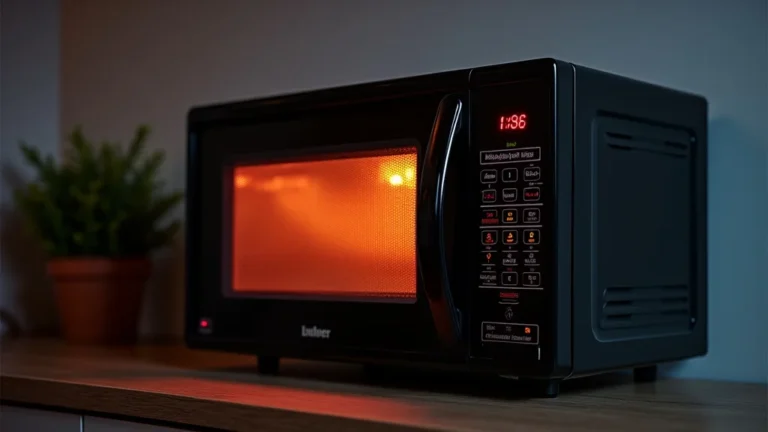
Cleaning up splatters in your microwave is something everyone deals with. It’s frustrating when food explodes, leaving a messy, sticky interior. Beginners often struggle with this because they might not realize how easily spills can be prevented. Don’t worry, though! It’s much easier than you think to keep your microwave clean. We’ll show you a simple, step-by-step approach to keep your microwave spotless. Let’s get started, and say goodbye to microwave messes!
Key Takeaways
- Learn simple ways to prevent food from splattering inside your microwave.
- Discover the best tools to use for microwave cleaning.
- Understand the impact of different food types on potential spills.
- Find out how to clean up spills quickly and efficiently.
- Get tips on the safe use of your microwave to avoid accidents.
- See how to keep your microwave clean.
Preventing Microwave Spills: A Clean Kitchen
Maintaining a clean microwave is vital for both hygiene and the appliance’s lifespan. Spills can cause unpleasant odors and create breeding grounds for bacteria. Regular cleaning prevents these issues. Also, accumulated food residue can affect how the microwave operates, possibly leading to uneven heating or even damage to the unit. Furthermore, a clean microwave makes it easier to keep your entire kitchen tidy. That’s why it is essential to learn how to stop spills in microwave in the first place.
Choosing the Right Microwave-Safe Dishes
The type of dish you use impacts the likelihood of spills. Certain materials and shapes are more spill-prone than others. Using the right containers is an easy way to avoid issues. When choosing microwave-safe dishes, the material is important. Avoid metal containers, which can cause sparks and damage your microwave. Instead, you should always go for items like glass, ceramic, or microwave-safe plastic.
- Glass Dishes: Glass is an excellent choice as it heats food evenly, reducing the chance of hot spots that can cause food to explode.
- Ceramic Dishes: Ceramic is another good option, but it’s important to be sure the dish is microwave-safe, as some ceramics may crack or chip with heat exposure.
- Microwave-Safe Plastic Dishes: Many plastic containers are specifically designed for microwave use. Look for the “microwave-safe” symbol on the bottom.
- Avoid Metal: Absolutely avoid metal dishes, foil, or containers.
Glass dishes are versatile and safe for most types of food. They’re also easy to clean, making them a practical choice for everyday use. Always use microwave-safe glass, as some glass types are not designed to withstand high temperatures. You can easily find microwave-safe glass containers at most stores.
Ceramic dishes can add a touch of style to your microwave meals. Make sure the ceramic dish is labeled as microwave-safe. Check for any cracks or damage before using it. Ceramic dishes distribute heat well, although they might take a bit longer to heat up compared to glass.
These dishes are lightweight and easy to handle. However, they may stain or absorb odors from certain foods. Make sure to avoid plastic that isn’t labeled as microwave-safe, as it can melt and release harmful chemicals. Check your plastic containers for the microwave symbol to ensure safety.
Metal reflects microwaves, causing sparks and potentially damaging the appliance. Never put metal in the microwave. This can be a serious safety hazard. Always double-check your containers for metal parts like decorative trim or lids before microwaving.
Portion Sizes and Food Arrangement
The amount of food you microwave and how you arrange it can significantly affect whether or not there are spills. Overfilling a container or not arranging food properly can lead to explosions. It is important to know the right amount of food for microwaving. By controlling portion sizes and how you place food in the microwave, you can lower the risk of messes.
- Appropriate Portion Sizes: Don’t overload the dish.
- Arranging Food: Place food strategically within the dish.
- Allow Space for Expansion: Foods expand during the heating process.
- Monitor the Cooking Process: Always keep an eye on your food.
Too much food can easily overflow. When microwaving, always leave enough space in the container to allow for expansion and bubbling. Start with smaller portions if you are unsure about a food’s behavior. This way, you can avoid food spilling all over the interior. Keep in mind that different foods expand at different rates.
For example, arrange food evenly around the center. This helps with even heating and reduces the likelihood of hot spots that can cause explosions. For items like soups or sauces, make sure to spread them out. This can help with uniform heating. Stirring or rotating the dish halfway through the cooking process is also helpful.
Make sure there’s enough room in the container to allow for this. This is especially true for items like rice, pasta, or beans. Consider using a larger dish. Using a bigger dish, especially if the food expands a lot. Always be aware of the food’s potential to bubble over. Remember to leave space to avoid spills.
Watch for signs of boiling over. This is particularly important for foods like pasta sauces or stews, as these tend to bubble and splatter more. If you see bubbling, you can pause the cooking process to stir the food. Make sure to check it frequently. The best approach is to stop the microwave if you see it about to spill.
Covering Your Food
Covering food is a key method of stopping spills and mess. It creates a barrier, trapping any splatters. This not only keeps the inside of your microwave clean but also improves the cooking process. Using the right covers can make a huge difference in your cooking outcomes. You will find that food cooks better, and your microwave stays cleaner.
- Microwave-Safe Covers: Use these designed-for-purpose covers.
- Paper Towels: They are great for quick and easy covering.
- Specialty Microwave Lids: Lids that are designed specifically for the microwave.
- Benefits of Covering Food: Covering improves the whole cooking process.
These covers come in various shapes and sizes. They are specifically made to withstand microwave temperatures. Most are made from plastic. They have vents to allow steam to escape. Make sure to choose the right size cover for your dish. Use the cover that best fits your dish. Remember to clean the cover regularly. They will catch the majority of the splatters.
Paper towels are an excellent option for covering plates and dishes. They catch splatters. They’re also convenient, as you can simply throw them away after use. However, make sure to use a microwave-safe paper towel. This prevents potential fire hazards. Place the paper towel loosely over the food. The paper towel absorbs moisture. It also helps to prevent food from drying out.
These lids usually have vents. They are designed to fit securely over dishes. These covers often have a handle. They make it easy to lift and remove them from the microwave. The vents help release steam, preventing food from exploding. Check the lid carefully. Ensure the lid is microwave-safe before using it.
Covering food traps steam, which helps cook food faster and more evenly. It keeps moisture in the food, preventing it from drying out. Covering keeps food moist. It also protects the microwave. It also helps reduce cleanup time, making your cooking experience more pleasant. Covering food is a win-win.
Foods That Commonly Cause Microwave Spills
Certain foods are notorious for causing messes in the microwave. Understanding which foods are most likely to spill helps you take extra precautions. Knowing these high-risk foods enables you to prevent problems before they start. From sauces to liquids, some items demand extra care.
Soup, Stews, and Sauces
These foods are at high risk for spilling because they contain a lot of liquid. As these types of food heat, they tend to bubble and splat. Because of their liquid consistency and the way they heat up, they easily make a mess. Being cautious about these foods is very important to keeping the microwave clean.
- High Water Content: Many soups and sauces have a high water content.
- Bubbling and Splattering: These types of food tend to bubble vigorously.
- Tips for Microwaving: Follow these tips to prevent spills.
- Examples: Think about what causes the most trouble.
This water quickly turns to steam when heated. This makes the liquid expand. This can lead to bubbling over or splattering. The water in these foods causes problems. The water content makes them more prone to spills. Be sure to heat them properly.
The vigorous bubbling often causes liquid to explode and spray the inside of the microwave. The more they heat, the more they bubble. They cause messes when they boil over. Keep a close watch on these foods while they are cooking. Check them frequently to prevent messes.
Use a large, deep bowl. That gives the liquid room to bubble. Place a cover over the bowl. It can be a lid or microwave-safe wrap. Stir the food halfway through the cooking time. It helps distribute heat. This also reduces bubbling. Cook in short intervals. This gives you time to check for spills. Stirring and checking are important.
Pasta sauce, tomato soup, and chili are common culprits. These items often bubble over. They can cause big messes if not handled carefully. Be extra careful with these. Handle them with extra care. Always take precautions to avoid spills.
Greasy and Oily Foods
Greasy and oily foods pose a different type of risk in the microwave. The high oil content can cause the food to spatter and make a mess. The oil heats very quickly. This makes messes. Oily food requires special attention. Always take precautions.
- Splatter Factor: Greasy foods are prone to splattering.
- High-Fat Foods: The more oil, the more problems.
- Microwaving Tips: Use extra precautions for greasy foods.
- Example Foods: Think of the most common issues.
Oil heats rapidly and can explode. This is similar to boiling oil on the stove. This results in small, oily droplets covering the inside of the microwave. It happens fast. That’s why it is critical to take precautions when heating greasy foods. Prevention is important when cooking greasy foods.
Foods like bacon, pizza rolls, and some frozen dinners are high in fat. High-fat foods are more likely to spatter. The amount of fat directly impacts the likelihood of splatters. Always consider the fat content of foods. That will help you cook them safely.
Cover food with a lid or paper towel. Use microwave-safe plastic wrap. You can also use a splatter guard. Use short heating intervals. That gives you time to stop if needed. This reduces the chance of splatter. Short intervals allow you to monitor the food and prevent messes. Taking these actions is important.
Bacon, fried foods, and anything with a lot of oil are prime examples. These foods can cause significant mess. Always be careful. Apply the tips to avoid a bad experience. Extra care will help ensure a cleaner microwave.
Foods That Explode
Some foods contain internal pressures that can cause them to burst when heated in the microwave. These foods often explode. They create a huge mess. Being aware of which foods are most prone to exploding helps you take preventative measures. That can prevent many headaches.
- Internal Pressures: Foods with enclosed spaces are problematic.
- Eggs: Eggs are famous for exploding.
- Potatoes and Sweet Potatoes: They can also explode.
- Microwaving Tips: Always take precautions.
Certain foods have internal pockets of moisture or gases that expand. When heated, these expand rapidly. It causes an explosion. Foods with enclosed areas like eggs and potatoes. These foods often lead to explosions. That’s why they need special attention.
Eggs have enclosed shells that trap steam. When heated, the steam builds up pressure. This can lead to a sudden and messy explosion. Always crack an egg before microwaving. Or cook it in a dish with a little water. These methods prevent explosions. These are critical in preventing issues.
Potatoes have a high water content and a tough skin. As the water turns to steam, the skin creates pressure. This often leads to bursting. Pricking the potato skin with a fork allows steam to escape. This is a must when cooking them in the microwave. Piercing the skin avoids explosions.
Pierce whole fruits and vegetables with a fork or knife. This is important. Do not microwave eggs in their shells. Avoid microwaving foods in sealed containers. Sealed containers can explode. These steps reduce the risks of explosions. This is critical for preventing a mess.
Cleaning Up Microwave Spills Quickly and Efficiently
Even with the best precautions, spills happen. Knowing how to clean up messes quickly and efficiently is vital. Prompt cleaning is important to keep your microwave clean. Quick cleanup prevents odors. Proper cleanup ensures the appliance functions well. A simple, step-by-step approach to cleaning up spills can make this task easier.
Immediate Action and Safety First
When a spill occurs, it is important to act fast and prioritize safety. Quick action prevents the spill from becoming more difficult to clean. Make sure the microwave is unplugged before you start cleaning. Safety is important when cleaning the microwave. These steps are simple but will keep you safe and make the job easier.
- Unplug the Microwave: First, ensure the microwave is unplugged.
- Let It Cool: Allow the microwave to cool down.
- Contain the Spill: Use a sponge or paper towels to wipe up.
- Assess the Damage: Check for any broken glass or damage.
Always disconnect the power cord. Then you can work safely. Doing this will prevent any risk of electric shock. This ensures a safe cleaning process. Always remember to unplug the microwave. This simple step is vital.
The inside of the microwave can be very hot, especially after a spill. You need to give the microwave time to cool. Before you start cleaning, wait for the microwave to cool down. You can burn yourself if it is too hot. Wait until the unit is cool to touch. Wait until the surface is cool. That helps ensure your safety.
Wipe up any excess liquid before it dries. Be sure to avoid spreading the spill around. Do this carefully. Prevent further damage. Always try to contain the spill. This reduces the cleaning effort.
Examine the microwave. Look for signs of damage before starting your cleaning process. This will help you know whether you need to take additional steps. Examine the area. Make sure everything is in order. Assess the condition to make a proper plan.
Easy Cleaning Methods
There are many simple and effective ways to clean up spills. You can use common household items for easy cleaning. These methods will help clean even the stickiest spills. From vinegar to lemon, these options make cleaning easy.
- Vinegar and Water: A natural cleaning solution.
- Lemon and Water: For a fresh, pleasant scent.
- Baking Soda Paste: For stubborn stains.
- Dish Soap and Water: A quick, everyday solution.
Mix equal parts of white vinegar and water. Place the mixture in a microwave-safe bowl. Heat for 2-3 minutes. This allows the steam to loosen the food residue. The steam will loosen the debris. Let it sit for a few minutes. Then wipe down the interior. This is a simple, effective method. It is great for regular cleaning. Use vinegar and water for quick cleaning.
Cut a lemon in half and squeeze the juice. Place the lemon halves in a bowl with water. Microwave for 2-3 minutes. The lemon scent is great. The steam loosens the mess. Wipe the interior with a sponge or cloth. This is a great way to remove smells. It leaves your microwave smelling fresh. Use this for a good smell.
Make a paste of baking soda and water. Apply this paste to stubborn stains. Let it sit for a few minutes. Gently scrub the area with a non-abrasive sponge. Rinse with a damp cloth. This is excellent for tougher messes. You will be able to get rid of tougher stains. Baking soda is great for cleaning.
Mix warm water and a few drops of dish soap. Use this solution to wipe down the inside of the microwave. Rinse with a clean, damp cloth. Dry thoroughly. This method works well for general cleaning. It is great for light spills. Use this for quick and easy cleaning. It is very simple to do.
Dealing With Stubborn Stains
Sometimes spills dry and leave stubborn stains behind. You need extra effort to remove these. Using the right cleaning tools and techniques can help get rid of those stains. This will help you return your microwave to its pristine condition. Follow these steps for tough stains. The stains will disappear.
- The Vinegar Method (Revisited): Steam to loosen and soften stains.
- Baking Soda Scrub: For tough, hardened food.
- Non-Scratch Scrubbers: The right tools for the job.
- Patience and Persistence: It may take multiple attempts.
Use the vinegar and water method to loosen dried food residue. Heat the vinegar and water mixture for a bit longer. Allow the steam to work on the stains. Then, try wiping with a non-abrasive sponge. That makes it easier to remove the residue. This method helps deal with stubbornness. Repeat if necessary.
Make a paste from baking soda and water. Apply this paste to the stain. Then, let it sit for a few minutes. Gently scrub the area with a non-abrasive sponge or cloth. Rinse thoroughly. This is effective for baked-on food. Use baking soda for tough cleaning. That gets rid of those tough spots.
Use non-scratch pads to avoid damaging the microwave surface. Avoid harsh abrasives. Always try a gentle approach. Look for scrubbing pads. That works for this use. These pads will get rid of stains. They will protect the inside of your appliance.
Some stains require more than one cleaning session. Do not give up if the stain doesn’t come off right away. Repeat the process. Patience is important. Multiple attempts may be necessary. Keep trying. Keep at it. Persistence is often important. You will get the desired results.
Additional Tips for Microwave Safety
Knowing how to stop spills in microwave is only part of the solution. Microwave safety goes beyond cleaning spills. It involves using the appliance in a proper and safe manner. Following these safety tips will help avoid accidents and keep you and your family safe. From the type of food to the equipment, these tips are helpful.
Safe Food and Container Choices
Selecting the right food and containers plays a large role in microwave safety. This is how you prevent accidents. Using appropriate materials is critical for safe microwaving. These choices ensure the food is properly heated. These actions also reduce the risk of harm.
- Microwave-Safe Containers: Always use microwave-safe containers.
- Avoid Metal and Foil: Never put metal in the microwave.
- Food-Specific Precautions: Take extra care with certain foods.
- Read Food Labels: Follow instructions on food packaging.
Look for the “microwave-safe” symbol on the bottom. Do not use metal containers. These cause sparks and can damage the microwave. Using the correct containers is essential. Always choose the correct containers. This is essential for safety. Check your containers.
This includes metal containers and aluminum foil. Metal reflects microwaves. This results in sparking and potential damage or fire. Always double-check your items. This is very important. Always ensure the absence of metal. Metal is not safe.
Pierce foods with skins or shells, like potatoes, before cooking. This prevents explosions. Heat liquids in short intervals, stirring frequently to avoid spills. Always handle food correctly. This will prevent issues. Be extra careful with certain foods. Extra care prevents problems.
Instructions help ensure that your food is cooked safely. Follow any specific microwaving instructions. It is critical for the food’s safety. Instructions provide information. They offer specific guidance. Follow the directions carefully. This is always important.
Safe Operation Practices
How you operate your microwave has a huge impact on your safety. Knowing how to use your microwave correctly is just as important as knowing what to put inside. Always follow safe operational practices when using your microwave. These guidelines help prevent accidents. Always use the microwave with care.
- Do Not Overheat: Avoid excessive heating times.
- Keep the Microwave Clean: Maintain a clean environment.
- Regular Inspections: Regularly inspect the microwave.
- Supervise Children: Children need adult supervision when using the microwave.
Longer cooking times can lead to overcooking. That can cause spills or fires. Use shorter intervals. This allows you to check your food’s progress. Be aware of the heating times. Avoid overheating. This is a common safety tip. Avoid overcooking your food.
Remove any food residue. This prevents arcing and potential fire hazards. Always wipe up spills immediately. Maintaining a clean microwave will help prevent accidents. Proper cleaning is important. This is one of the most important safety guidelines.
Check for any damage to the interior or exterior. Check the door seal. This could compromise its efficiency. Report any issues. Be sure you inspect regularly. It is important to inspect the whole unit. That ensures it is working as expected. That helps to prevent problems.
Instruct them on the safety guidelines. They must know how to use it safely. This is very important for their safety. Educate them on potential dangers. Always supervise children. That helps ensure safety. That ensures safe use.
Addressing Common Concerns
There are some common questions. People often have concerns about using their microwaves safely. Answers to these concerns provide clarity. They can help you use your microwave without any worry. These address the most common concerns. Then you can use your microwave with confidence.
- Can I use plastic containers? Only use containers labeled “microwave-safe.”
- What if my food sparks? Stop the microwave immediately.
- How often should I clean my microwave? Clean it regularly.
- What if food smells bad? Clean it. Remove the odor.
Avoid any plastic that isn’t specifically designed for microwaves. This prevents the release of chemicals. This helps avoid melting issues. Always check the label. Check the packaging. Be sure it is safe. Always choose appropriate plastics. That makes it safe to use.
If you see sparks, the most likely cause is metal. Inspect your container. Make sure there is no metal inside. Never run the microwave if sparking. Stop immediately. Then figure out the reason. Address the issue.
Wipe down the inside after each use. Do a more thorough cleaning at least once a week. This ensures the unit stays clean. This prevents build-up and keeps it hygienic. Then you can avoid problems. That’s a good cleaning schedule.
Use the vinegar or lemon steam method. This will help get rid of those odors. Thoroughly clean the interior. Odors can linger. You need to address them promptly. Cleaning can get rid of odors. Use your methods to clean.
Frequently Asked Questions
Question: How do I remove stubborn food stains from my microwave?
Answer: Use a baking soda paste or the vinegar steaming method, letting it sit before wiping.
Question: Is it safe to microwave food in plastic containers?
Answer: Only use plastic containers that are labeled as “microwave-safe” to avoid melting or releasing chemicals.
Question: What should I do if my microwave starts sparking?
Answer: Immediately stop the microwave, unplug it, and check for any metal objects inside, as these often cause sparking.
Question: Can I put aluminum foil in the microwave?
Answer: No, never put aluminum foil or other metal items in the microwave, as it can cause sparks and potential damage or fire.
Question: How often should I clean my microwave to maintain it properly?
Answer: It’s best to wipe down the inside after each use and do a more thorough cleaning at least once a week.
Final Thoughts
Keeping your microwave clean and safe doesn’t have to be hard. By learning how to stop spills in microwave, you can create a safer and more convenient kitchen environment. We’ve explored the importance of using the right dishes, controlling portion sizes, and always covering your food. You now know which foods are most likely to cause messes and have learned the most effective ways to clean them up. By practicing these simple steps, you can significantly reduce both the frequency and severity of spills. Remember, a clean microwave not only looks better but also functions better. It also ensures food safety. So, embrace these tips and enjoy the benefits of a cleaner, more efficient cooking space. Now, go forth, and make delicious meals without the stress of constant cleanup!

I’m Emma J. Caldwell, the founder, lead writer, and home-cooking enthusiast behind KitchenGuideCo.com. With a background in culinary arts and over a decade of cooking experience in both professional and personal kitchens, I created this platform to demystify recipes, offer smart kitchen gadget reviews, and guide readers through meal prep with confidence and clarity.