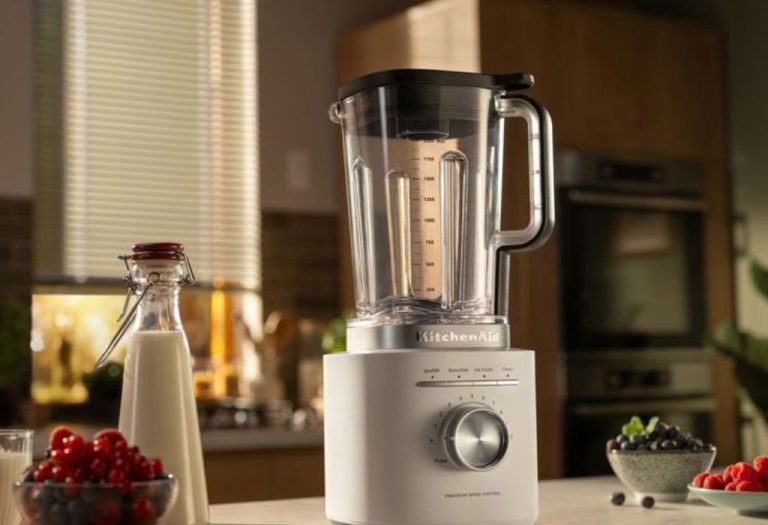
Ninja blenders have revolutionized home kitchens with their power, versatility, and sleek design. From making smoothies to grinding nuts, these blenders promise convenience and efficiency.
However, a common question arises among buyers: are all Ninja blenders compatible with the same jars, blades, and accessories?
Many consumers discover too late that not all parts are interchangeable across different Ninja models. Using the wrong jar or blade can lead to poor performance, potential damage, and even safety risks. Understanding compatibility is therefore essential before purchasing replacements or upgrades.
Hook 1: Compatibility confusion often results in wasted money on parts that do not fit.
Hook 2: With multiple series, including Professional, Mega, Foodi, and Personal, each model has unique design features affecting compatibility.
Hook 3: Choosing the right combination ensures optimal performance, longevity, and safety.
Statistics indicate that nearly 45% of blender owners experience problems when using non-compatible accessories, emphasizing the need for proper verification (Consumer Reports).
Beyond convenience, compatibility affects durability and user satisfaction. Using the correct jars, lids, and blades prevents motor strain, maintains blending efficiency, and ensures a longer lifespan for the appliance.
Understanding Ninja Blender Models and Series
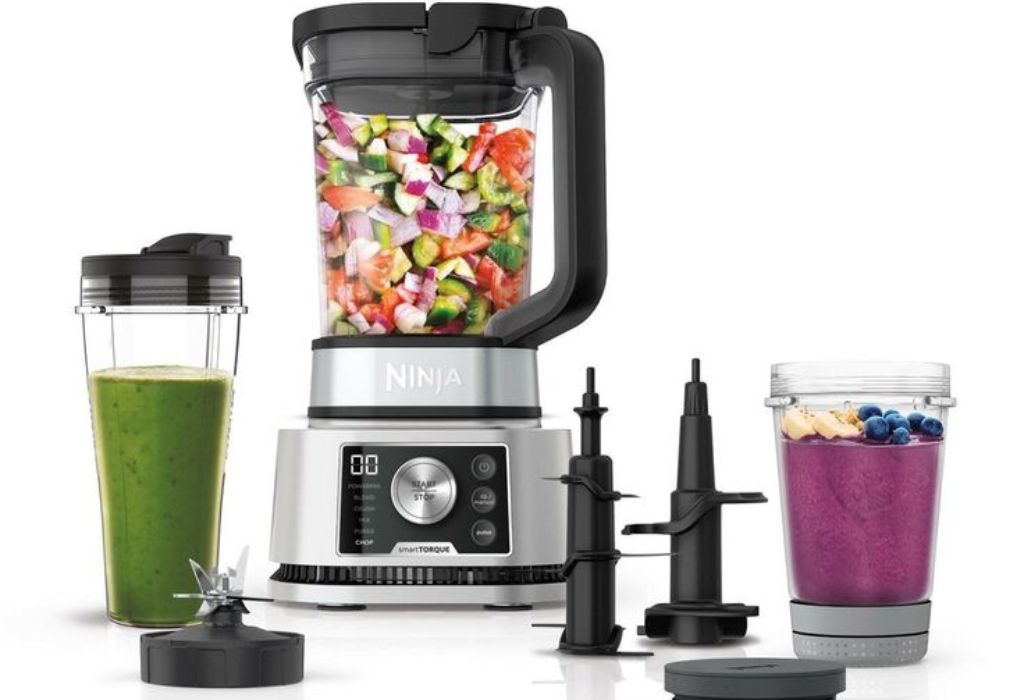
Ninja blenders are designed for a wide range of kitchen tasks, from whipping up smoothies to crushing ice and processing dough. To cater to different needs, Ninja offers multiple series, including Professional, Mega, Foodi, and Personal models.
Each series differs in motor power, jar capacity, blade design, and accessory options, which directly affects compatibility across models.
The Professional series is often aimed at households looking for reliable, all-purpose blenders. Mega series blenders are larger and more powerful, designed for families or high-volume blending.
Personal blenders focus on convenience and single-serve cups, while the Foodi series combines blending and food processing functions with unique attachments. Because each series is optimized for specific tasks, jars, lids, and blades are not universally interchangeable.
Understanding these differences helps users avoid purchasing the wrong parts, which could result in performance issues, motor strain, or even voided warranties.
Compatibility is a critical factor for anyone planning to replace or upgrade jars, lids, or blades. Knowing the series and model ensures that the correct accessories are purchased, maximizing both safety and efficiency. Consumers who fail to verify compatibility often face frustration and additional costs.
Why do Ninja blender models have different series?
Each series is designed for specific blending needs, capacities, and user preferences.
Are all Ninja blender models compatible with each other?
No, jars, lids, and blades are usually specific to each series and model.
What is the main difference between the Professional and Mega series?
Mega series blenders typically have larger jars and more powerful motors than Professional series models.
Do Personal Ninja blenders use the same parts as full-size models?
No, Personal models have smaller cups and blade assemblies that cannot be used with larger bases.
Why does the Foodi series require unique accessories?
Foodi blenders include specialized attachments for additional functions like food processing or dough kneading, which need specific compatibility.
How can I identify which series my Ninja blender belongs to?
Check the model number on the blender base or in the user manual, which specifies the series and compatible parts.
Jar and Blade Compatibility Across Models
The performance of a Ninja blender heavily depends on pairing the correct jar with its corresponding blade assembly. Each series has been engineered with specific jar sizes, blade designs, and locking mechanisms to optimize blending efficiency.
Using a jar or blade that does not match the model can result in uneven blending, motor strain, or potential damage to the appliance.
Jars vary in volume from single-serve cups in Personal models to large-capacity containers in Mega and Foodi series. Blades are designed differently depending on their intended task, whether for crushing ice, blending smoothies, or processing dough.
Even slight differences in the base connection or gasket design can prevent jars from properly attaching to a different model. Understanding jar and blade compatibility is essential to avoid costly mistakes and maintain the longevity of the blender.
Proper use of compatible parts ensures maximum efficiency, safety, and durability. Consumers who attempt to interchange jars or blades across series risk voiding warranties and diminishing the appliance’s performance.
Can any Ninja jar fit any blender base?
No, jars are designed for specific models and series and are not universally interchangeable.
Are blade assemblies interchangeable between different series?
No, blades vary in size, shape, and locking mechanisms depending on the series.
Do replacement jars require new lids or gaskets?
Yes, most replacement jars need compatible lids and gaskets to ensure a proper seal.
Can using the wrong jar or blade damage the motor?
Yes, incompatible parts can strain the motor and reduce the blender’s lifespan.
How can I verify jar and blade compatibility before purchase?
Always check the model number, series, and official Ninja compatibility information before buying any parts.
Accessory Compatibility and Add-Ons
Ninja blenders offer a variety of add-ons and accessories to enhance versatility, including smoothie cups, food processor bowls, single-serve lids, and specialty blades.
However, compatibility of these accessories depends heavily on the model and series of the blender. Not all add-ons work across different series, and using an incompatible accessory can lead to poor performance or even appliance damage.
For example, smoothie cups designed for Personal or Auto-iQ models are smaller and fit only specific bases. Food processor bowls are typically compatible with Mega or Foodi series models and require the correct locking mechanism to operate safely.
Understanding which accessories are compatible with your model ensures both optimal performance and safety while avoiding unnecessary frustration.
Proper selection of add-ons also improves convenience. Accessories that fit correctly provide better sealing, smoother blending results, and reduce the risk of leaks or spills.
Official Ninja compatibility charts are valuable resources for verifying which accessories can be used with your model, preventing mistakes and wasted money.
Are all Ninja smoothie cups interchangeable?
No, smoothie cups are designed for specific Personal or Auto-iQ models and cannot be used universally.
Do food processor bowls fit full-size Ninja blenders?
Typically not; only certain Mega or Foodi models support these bowls.
Can lids from one series be used on another series?
No, lid sizes and locking designs vary between series.
Are replacement accessories easy to find?
Yes, but verifying compatibility with the specific model is essential to ensure proper fit.
Does Ninja provide official compatibility charts for accessories?
Yes, Ninja offers charts and guides on their website that show which accessories work with which models.
Common Compatibility Issues and How to Avoid Them
Many Ninja blender users face compatibility problems due to confusion between different models and series. Using the wrong jars, blades, or accessories can lead to poor blending performance, leaks, or even motor damage.
Understanding common pitfalls helps prevent costly mistakes and ensures long-term satisfaction with the appliance.
One frequent issue is jars not locking properly on the base. This often occurs when a jar from a different series is used.
Another common problem is using third-party or unofficial accessories, which may not meet exact specifications.
Even small differences in blade design or gasket size can affect blending efficiency and safety. Awareness of these issues can help users select the correct parts and avoid frustration.
Checking model numbers, series information, and official compatibility charts is the most reliable way to prevent problems. Following proper maintenance and replacement guidelines also minimizes risks and extends the blender’s lifespan.
By addressing these issues proactively, users can enjoy consistent performance and avoid unnecessary repairs or replacements.
Why do some jars not lock properly on the base?
Because they are designed for a different series or model size.
Can using incompatible parts void the warranty?
Yes, using non-compatible accessories may void manufacturer warranties.
Are third-party replacement parts reliable?
Not always; they may not match specifications exactly, risking performance or damage.
How can I avoid buying incompatible parts?
Always verify the model number, series, and check official Ninja compatibility charts.
Is Ninja customer support helpful for compatibility questions?
Yes, official support can confirm which jars, blades, and accessories are compatible with your model.
Tips for Choosing the Right Ninja Blender and Accessories
Selecting the right Ninja blender and compatible accessories ensures smooth performance and long-term satisfaction. With multiple series and a variety of jars, blades, and add-ons available, understanding your blending needs is essential before making a purchase.
Start by identifying the tasks you plan to perform most often, whether it’s single-serve smoothies, large batches, or food processing.
Matching the right series and model to your needs helps prevent purchasing unnecessary accessories and avoids compatibility issues.
Consider motor power, jar capacity, and the types of blades or attachments included with each model. Proper planning ensures that all purchased accessories fit correctly and perform as intended.
Also, take advantage of official compatibility charts and model guides. These resources provide detailed information on which jars, lids, and add-ons work with each series.
Staying within the same series for future upgrades or accessory purchases simplifies compatibility and reduces frustration.
Choosing the right combination of model and accessories not only enhances blending efficiency but also improves convenience, safety, and durability. Investing time in research upfront saves money, prevents mistakes, and maximizes the performance of your Ninja blender.
Should I buy a blender based on future accessory availability?
Yes, considering long-term compatibility prevents replacement issues later.
Is it better to stick to one series when purchasing accessories?
Yes, staying within the same series simplifies future purchases and ensures proper fit.
Can mixing accessories from different series save money?
No, it often leads to incompatibility and wasted resources.
How can I ensure the blender meets all my blending needs?
Review capacity, motor power, and available accessories before making a purchase.
Are there any universal accessories for Ninja blenders?
Few exist; most accessories are model-specific, so checking compatibility is essential.
Future Trends in Ninja Blender Compatibility
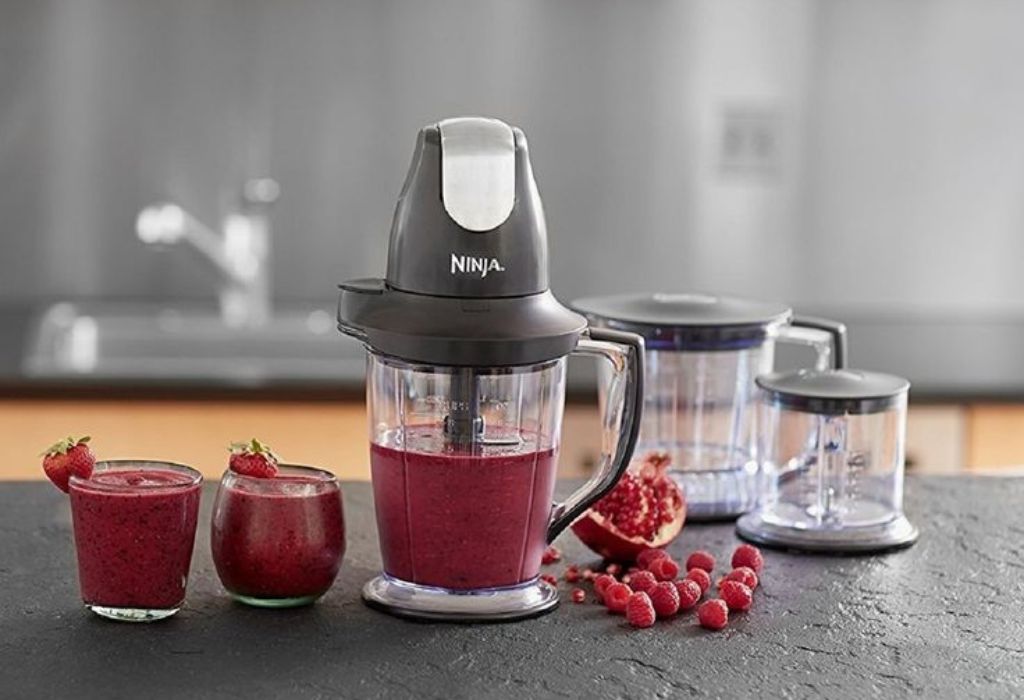
As consumer expectations evolve, manufacturers are exploring ways to improve accessory compatibility across blender series.
Standardization and modular designs are becoming increasingly important, allowing users to switch jars, blades, and attachments more easily without compromising performance.
Future Ninja models may incorporate universal jar bases or modular blade assemblies to reduce compatibility confusion.
Advances in Auto-iQ technology and smart features may also influence how accessories interact with different models. Consumer demand for flexibility, convenience, and durability will likely drive these improvements.
Standardized accessories can help reduce costs, simplify purchases, and improve user experience. Additionally, clearer labeling, model guides, and compatibility charts are expected to make it easier for buyers to identify suitable jars and add-ons.
These developments will help users maximize performance while minimizing the risk of using incompatible parts.
Will future Ninja blenders support universal jars?
Possibly, as consumer demand for interchangeability grows.
Are accessory kits likely to become cross-compatible across series?
Yes, manufacturers may design modular solutions to work with multiple models.
Will future models reduce compatibility confusion?
Yes, clearer labeling and updated compatibility guides are expected.
Can software updates affect Auto-iQ accessory use?
Yes, some features rely on firmware compatibility for certain attachments.
Are consumers influencing compatibility improvements?
Yes, user feedback helps guide design decisions and product development.
Conclusion
Not all Ninja blenders are compatible with each other due to differences in series, jars, blades, and accessories. Understanding the specific model and series is essential for selecting the correct parts and ensuring optimal performance.
Using compatible jars, lids, and blades improves safety, blending efficiency, and appliance longevity. Incorrect or mismatched accessories can strain the motor, reduce efficiency, or void warranties.
By reviewing model numbers, checking official compatibility charts, and choosing accessories designed for your series, users can avoid common pitfalls and enjoy the full capabilities of their Ninja blender.
Investing time in research before purchasing ensures smoother blending, longer appliance life, and better overall satisfaction. Choose the right combination of blender and accessories to maximize convenience, performance, and safety in your kitchen.

I’m Emma J. Caldwell, the founder, lead writer, and home-cooking enthusiast behind KitchenGuideCo.com. With a background in culinary arts and over a decade of cooking experience in both professional and personal kitchens, I created this platform to demystify recipes, offer smart kitchen gadget reviews, and guide readers through meal prep with confidence and clarity.