Picture a kitchen without power, blades, or buttons. Before the modern blender arrived, cooks relied on ingenuity and endurance. The question isn’t just how people managed—it’s how they mastered the art of blending long before electricity existed.
From grinding herbs between stones to whisking cream with twigs, human creativity turned simple tools into culinary innovations. In fact, archaeologists have found mortars and pestles dating back over 30,000 years, proving that people have been blending since the dawn of civilization (source).
Before the electric era, blending meant effort, rhythm, and technique. It required the right combination of pressure, repetition, and patience to achieve smoothness. Each stroke told a story—one of craftsmanship passed through generations.
This article journeys through time to uncover the evolution of blending tools and techniques. From stone mortars to early hand-cranked beaters, you’ll discover how ancient cooks transformed raw ingredients into delicious harmony.
The Stone Age: Where Blending Began
Before blenders, the earliest form of mixing was done with stone tools. People used quern stones—large, flat surfaces paired with smaller stones—to grind grains into powder or paste. Over time, they discovered that mixing ground ingredients with water or animal fat created smoother, more edible textures.
The mortar and pestle soon became a revolutionary tool. Crafted from basalt or granite, it allowed early humans to crush herbs, roots, and grains with precision. The technique wasn’t fast, but it was reliable. With every rhythmic strike, raw plants transformed into food, medicine, and even dye.
These manual methods laid the groundwork for all future blending. Each culture developed its own variations using local materials—some made wooden mortars, others carved them from stone. Even after metal tools were invented, the mortar and pestle remained indispensable.
Grinding wasn’t limited to food; early people also used it for cosmetics and pigments. The same techniques used to blend grains for porridge also mixed minerals for cave art. In short, blending began as both nourishment and expression.
FAQs
What was the first blending tool in history?
The mortar and pestle, used for grinding food and herbs.
What materials were early blenders made from?
Stone, bone, and wood were the primary materials.
Did ancient people make drinks using blending?
Yes, fermented and mashed fruit drinks were common.
How long did manual blending take?
It could take several minutes to achieve a coarse paste.
Why was blending so important?
It made food softer, tastier, and easier to digest.
Ancient Civilizations and Their Culinary Innovations
As societies advanced, blending became more sophisticated. In ancient Egypt, cooks used stone mortars to crush garlic, herbs, and grains. In Greece, long wooden rods stirred honey and wine mixtures, while the Romans used sieves and mills to refine sauces and soups.
Egyptians also used primitive grinders to mix medicine, cosmetics, and food. In temples and royal kitchens, servants worked in shifts to prepare smooth grain pastes for bread and beer.
The Greek and Roman elite, meanwhile, elevated blending into an art form—creating smooth dressings and creamy soups using fine-mesh strainers.
These innovations didn’t just improve flavor; they shaped entire cuisines. Blending helped create sauces, dressings, and spreads that defined cultural identities.
FAQs
How did Egyptians blend ingredients?
They crushed grains and herbs with stone mortars and mixed liquids by hand.
What did the Greeks use for blending?
Olive wood spoons and pestles for mixing wine, oils, and herbs.
How did Romans achieve smooth textures?
They pressed cooked food through bronze or linen sieves.
Were blending tools used for medicine too?
Yes, apothecaries ground herbs and minerals to make ointments.
Why did blending matter culturally?
It represented refinement, wealth, and culinary skill.
The Medieval Kitchen: Blending by Hand
Medieval cooks didn’t have blenders, but they had determination. Kitchens relied on manpower—literally. Apprentices used heavy wooden pestles to grind grains, nuts, and spices for hours. Recipes demanded patience, strength, and teamwork.
To make soups or sauces, cooked vegetables were forced through sieves or cloth strainers. Desserts were hand-whipped using bundles of twigs or reed whisks. In wealthy homes, bronze mortars and pestles became symbols of culinary prestige.
Medieval kitchens valued texture. A well-blended soup or purée indicated skill. Even in monasteries, monks used blending for medicinal tonics and herbal remedies. Food was both sustenance and spiritual art.
FAQs
How did medieval chefs blend soup?
By pushing cooked ingredients through fine strainers.
What tools did they use for desserts?
Wooden whisks or bundles of thin branches.
Were mortars expensive?
Yes—bronze and marble versions were luxury items.
Did common people blend food?
Yes, but they used simpler wooden or stone tools.
How long did blending take in medieval times?
It could take up to 30 minutes for smooth results.
The Renaissance to Early Modern Era: Innovation Emerges
As Europe entered the Renaissance, culinary science began to flourish. Innovation reached the kitchen with hand-cranked mills, sieves, and early mixers. These devices cut preparation time and added consistency.
By the 18th century, metalworking had revolutionized kitchen tools. Cooks could now grind, mash, and strain using steel and copper instruments. The texture of sauces and batters became finer and smoother.
French chefs pioneered emulsified sauces like mayonnaise using whisking techniques still used today. Meanwhile, butter churns introduced mechanical mixing—spinning paddles powered by hand created airy, creamy textures.
These methods bridged the gap between manual labor and the first mechanical blenders.
FAQs
When did the first mechanical blenders appear?
In the late 1700s, with hand-cranked mills and beaters.
What materials replaced wood?
Copper, brass, and early steel alloys.
Did blending influence French cuisine?
Yes, it led to the rise of smooth sauces and soups.
Were blending tools expensive?
Initially, but industrialization made them accessible.
Did people use blending for drinks?
Yes, for chocolate, wine, and early milk-based beverages.
Pre-Electric Era: Hand-Cranked Mixers and Rotary Beaters
Before electricity, hand-cranked tools ruled the kitchen. The Dover Egg Beater, invented in 1856, became a game changer. Its rotating gears whipped cream and eggs in seconds, transforming home cooking forever.
Food mills and grinders also gained popularity. Housewives used them to make baby food, mashed potatoes, and sauces. Manual meat grinders doubled as blenders for vegetables.
This was the golden age of ingenuity—when muscle-powered gadgets brought mechanical efficiency to the home.
FAQs
Who invented the egg beater?
Ralph Collier patented it in 1856; Dover improved it later.
Did people use cranks for all blending?
Yes, for everything from cake batter to soups.
Were these tools durable?
Extremely—many lasted for decades.
Could they crush ice or nuts?
No, most lacked the torque for hard items.
When did electric models replace them?
In the early 20th century, after 1920.
The Birth of the Electric Blender
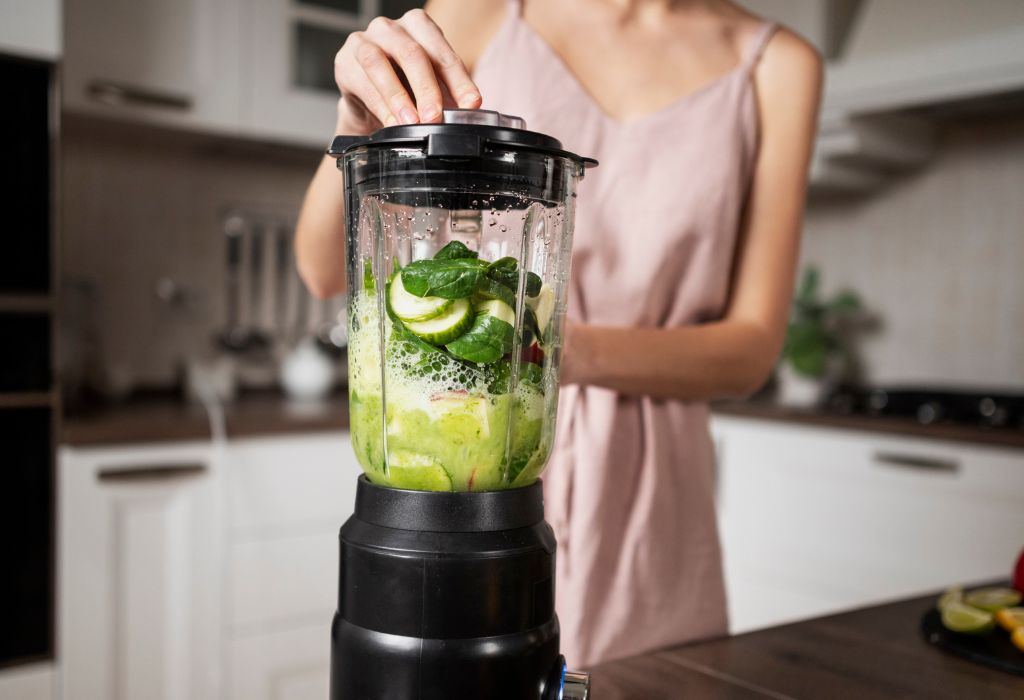
In 1922, Stephen Poplawski changed blending forever. His electric motor with spinning blades could liquefy fruits in seconds. Initially designed for soda shops, it soon reached homes worldwide.
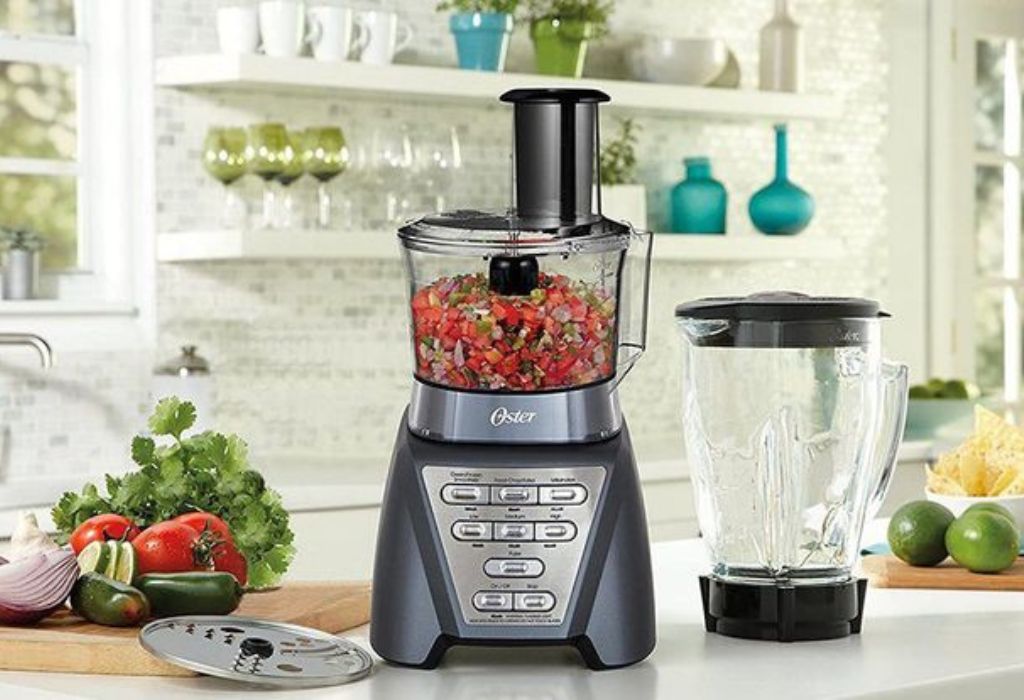
The first blenders were heavy but efficient. Waring and Oster turned them into kitchen essentials by the 1940s. Recipes evolved—smoothies, milkshakes, and purées became everyday luxuries.
The electric blender was more than an invention; it was a revolution in lifestyle and nutrition.
FAQs
Who invented the first blender?
Stephen Poplawski in 1922.
When did blenders enter homes?
By the 1930s–40s, thanks to Waring and Oster.
What did early blenders look like?
Tall glass jars with metal bases and fixed blades.
Could they handle ice?
Some models could, though not as smoothly as today.
How did blenders change eating habits?
They popularized smoothies, shakes, and pureed diets.
Global Blending Traditions Before Electricity
Around the world, each culture developed its own blending traditions. In Mexico, the molcajete made salsa; in Thailand, granite mortars crafted curry pastes. In Africa, wooden pestles mashed yams; in Japan, bamboo whisks frothed tea.
These regional tools weren’t just functional—they preserved flavor and heritage. Modern chefs still use them because the texture and taste are unmatched.
FAQs
Why is the molcajete still used?
It adds earthy texture and rich flavor to dishes.
How do Thai cooks blend curries?
By hand-grinding herbs in granite mortars.
What’s Japan’s traditional blending tool?
The chasen, a bamboo whisk for matcha tea.
Do manual tools affect taste?
Yes, slow grinding releases essential oils gradually.
Why do chefs still use them?
They connect to tradition and produce authentic results.
Modern Lessons from Old Blending Techniques
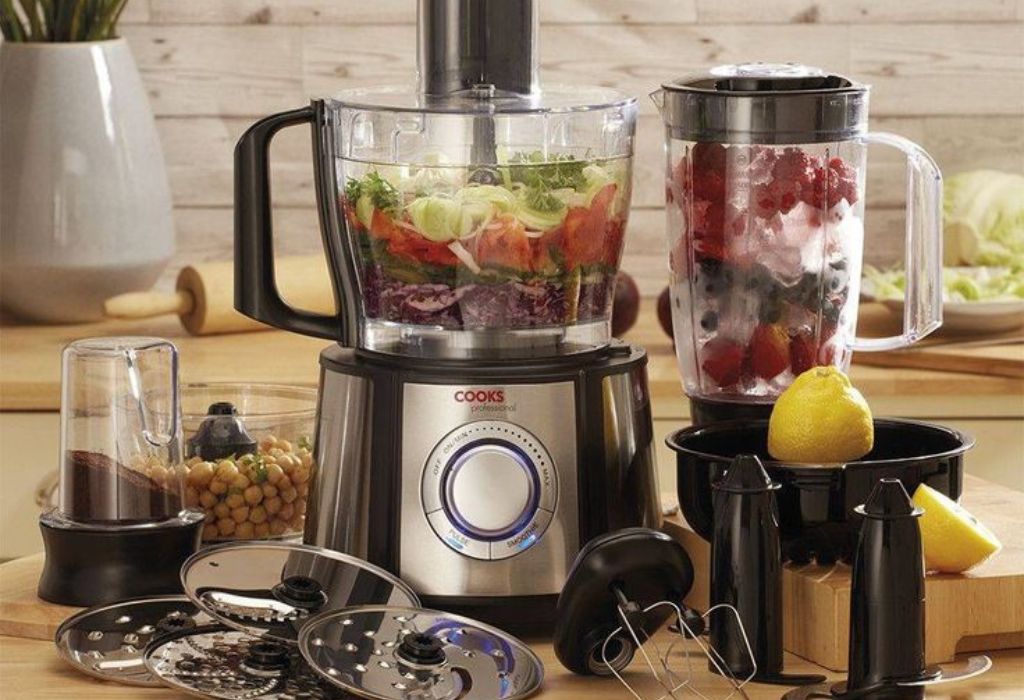
Even in high-tech kitchens, traditional blending teaches valuable lessons. Manual tools offer precision, texture control, and sensory connection. The physical act of grinding and mixing builds appreciation for food craft.
Today’s chefs often blend the old with the new—combining electric speed with manual finishing for texture perfection.
FAQs
Why revisit manual blending?
For flavor depth and cultural authenticity.
Is hand-blending sustainable?
Yes—no power use and minimal waste.
Do manual tools enhance creativity?
They encourage experimentation and awareness.
Can you get better flavor manually?
Yes—slower blending preserves aroma and texture.
Should modern cooks learn old methods?
Absolutely. It builds skill and appreciation.
Conclusion
Blending may seem like a modern convenience, but its roots reach back thousands of years into the very essence of human civilization. The simple act of grinding, pounding, and stirring has always been about more than just food — it’s about innovation, connection, and culture.
Long before stainless-steel blades and electric motors, people relied on instinct, rhythm, and effort to turn raw ingredients into nourishment.
From the Stone Age mortars and pestles that crushed the first grains and herbs, to the bronze sieves and mills of Rome, to the wooden pestles and reed whisks of medieval kitchens — every generation redefined what “blending” meant.
Each motion, though manual, was deliberate and skillful, guided by centuries of evolving technique. These tools and traditions didn’t just prepare meals; they built communities and defined entire cuisines.
When the first electric blender appeared in the 1920s, it didn’t replace tradition — it accelerated it. What once took muscle and patience could now be achieved in seconds.
Yet, even as technology advanced, many chefs and cultures preserved their manual methods because they knew something machines could not replicate: the tactile artistry of blending by hand.
Today, the legacy of pre-blender innovation lives on. From the molcajetes of Mexico to the granite mortars of Thailand, ancient tools still grace modern kitchens — proving that great flavor doesn’t depend solely on electricity, but on the understanding of texture, timing, and touch.
So, how did people blend things before blenders came out? They used creativity, endurance, and craftsmanship. Every mortar strike and every twist of a wooden whisk laid the foundation for the seamless blending we enjoy now.
And in every smooth sauce or silky smoothie we make, a small echo of that timeless human effort still stirs beneath the surface.

I’m Emma J. Caldwell, the founder, lead writer, and home-cooking enthusiast behind KitchenGuideCo.com. With a background in culinary arts and over a decade of cooking experience in both professional and personal kitchens, I created this platform to demystify recipes, offer smart kitchen gadget reviews, and guide readers through meal prep with confidence and clarity.