You load the dishwasher after dinner, press start, and walk away — but when you return, dirty water sits at the bottom, and your dishes look worse than before. Frustrating, right? Many homeowners face this exact issue without realizing the culprit often hides beneath the filter — a clogged or dirty dishwasher pump.
According to appliance repair data, nearly 60% of dishwasher drainage problems stem from debris, grease, and mineral buildup inside the pump. Over time, tiny food particles and soap scum accumulate, making it harder for water to circulate and drain efficiently. The result? Dull glassware, cloudy plates, and a musty smell that just won’t go away.
The dishwasher pump is the heart of your appliance — responsible for moving and draining water during each wash cycle. When it’s clogged or coated in grime, the entire system struggles to perform. Fortunately, cleaning it isn’t complicated; you don’t need special tools or a technician to get the job done. With just a few household supplies and some careful steps, you can restore your dishwasher’s power and efficiency in less than an hour.
In this detailed guide, you’ll learn how to clean dishwasher pump safely, step-by-step. We’ll cover the exact signs that indicate your pump needs attention, the tools you’ll need, and practical maintenance tips to keep it running smoothly for years. Whether your dishwasher is not draining properly or simply losing its sparkle, this guide will help you bring back that satisfying shine — one clean cycle at a time.
What Is a Dishwasher Pump and Why It Matters
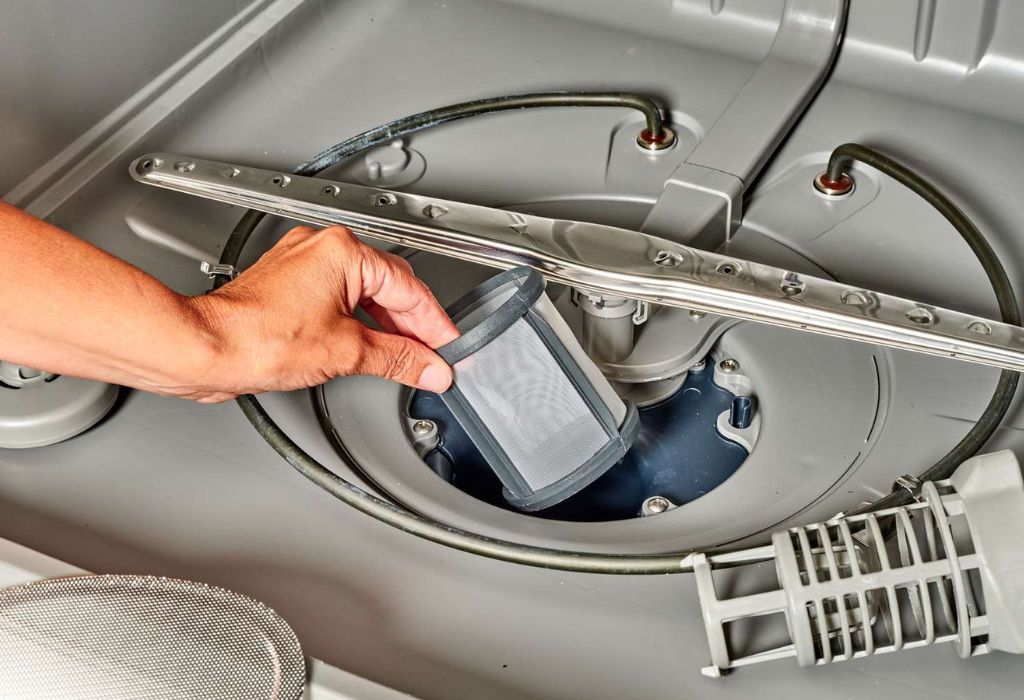
At the heart of every dishwasher lies a small but powerful component — the dishwasher pump. This pump is what keeps water circulating during the wash cycle and draining at the end. Without it, your dishwasher would simply fill up and sit stagnant, unable to clean or rinse properly. In short, it’s the part that turns soapy water into sparkling dishes.
Most modern dishwashers have two main types of pumps: a circulation pump and a drain pump. The circulation pump pushes hot, soapy water through the spray arms, ensuring every plate and glass gets a thorough rinse. The drain pump, on the other hand, removes dirty water once the cleaning is done, sending it out through the drain hose. Together, they keep the entire cleaning process flowing efficiently.
Over time, bits of food, grease, and mineral deposits can accumulate inside these pumps, especially around the impeller blades — the small fan-like parts that move the water. When that happens, the pump has to work harder, making it less effective and noisier. This buildup can also lead to foul odors, slow drainage, and cloudy dishes even after a full cycle.
To understand the difference a clean pump makes, think of it like comparing a clear water pipe to one clogged with mud. The cleaner the path, the smoother the flow. A well-maintained pump ensures better water pressure, faster draining, and quieter operation — all signs of a healthy dishwasher.
Here’s a quick comparison for perspective:
| Condition | Water Flow | Noise Level | Cleaning Efficiency |
| Clean Pump | Strong & steady | Quiet | Sparkling dishes |
| Dirty Pump | Weak & uneven | Loud or grinding | Cloudy results |
Taking time to clean your dishwasher pump isn’t just maintenance — it’s a smart habit that keeps your appliance performing like new.
Signs Your Dishwasher Pump Needs Cleaning
A dishwasher rarely stops working all at once — it usually gives subtle warnings that something inside isn’t right. Recognizing these early signs can save you from bigger problems like water backup, foul smells, or even pump failure. Here are the most common symptoms that indicate it’s time to clean your dishwasher pump.
One of the first things you might notice is standing water at the bottom of your dishwasher after a cycle. If water isn’t draining completely, it’s often because bits of food or grease have clogged the pump or the drain hose. This blockage prevents water from flowing out efficiently, leaving a puddle that can quickly turn into a breeding ground for odor-causing bacteria.
Another clear indicator is unusual noises — like humming, grinding, or buzzing — coming from the bottom of the unit. These sounds usually mean that debris has become lodged in the impeller blades, forcing the pump to strain as it tries to circulate or drain water. Left unchecked, this can wear down the motor and reduce the lifespan of your appliance.
If your dishes come out cloudy, greasy, or still dirty, even after running a full cycle, that’s a strong sign the pump isn’t moving water with enough pressure. This typically happens when buildup restricts water circulation, leaving detergent residue behind.
Bad odors are another red flag. Food particles trapped near the pump can decay over time, producing an unpleasant smell that lingers even after cleaning the filter or running a hot cycle.
In short, your dishwasher may be trying to tell you something. When drainage slows down, smells increase, or cleaning quality drops, your pump is likely the cause. Catching these signs early makes cleaning simpler — and keeps your dishwasher performing at its best for years to come.
Tools and Supplies You’ll Need
Before diving into the cleaning process, it’s important to gather everything you’ll need to clean your dishwasher pump safely and effectively. Having the right tools and materials nearby not only makes the job easier but also helps you avoid damaging any delicate components inside your dishwasher.
Start with some basic hand tools — a Phillips screwdriver or Torx driver is often needed to remove the lower spray arm or pump cover, depending on your dishwasher model. Keep a flat-head screwdriver handy too; it can help gently pry off any panels without scratching the surface. A small brush or old toothbrush is essential for scrubbing away grease and debris from tight spaces around the pump and impeller.
You’ll also need a soft cloth or sponge for wiping surfaces clean, along with a towel to catch any excess water that might leak when the pump area is opened. If you’re dealing with tough mineral buildup or grease, prepare a cleaning solution using warm water mixed with a few drops of dish soap or vinegar. For heavy grime, a 1:1 mixture of white vinegar and water works wonders for dissolving residue naturally without harming plastic parts.
A flashlight can be very helpful too, especially when looking inside dark corners of the dishwasher base. Wearing rubber gloves is recommended — not only for hygiene but also to protect your hands from sharp edges or small screws.
Finally, make sure to unplug the dishwasher or turn off the power at the circuit breaker before you start. This ensures safety while working near electrical components and water connections.
By organizing these tools and supplies in advance, you’ll save time and reduce frustration once you begin cleaning. Preparation is key to making this process smooth, safe, and effective.
Step-by-Step Guide on How to Clean Dishwasher Pump
Cleaning your dishwasher pump might sound intimidating, but with a careful, step-by-step approach, it’s actually quite simple. Follow these detailed instructions to restore your dishwasher’s performance and prevent future clogs.
Step 1: Disconnect the Power and Water Supply
Before doing anything, safety comes first. Unplug the dishwasher or switch off the circuit breaker that powers it. Then, shut off the water supply connected to the appliance. This ensures you won’t risk electric shock or accidental leaks while working near the pump area.
Step 2: Remove the Bottom Rack and Filter Assembly
Pull out the bottom rack completely to expose the base of your dishwasher. Locate the filter assembly, which usually sits over the pump cover. Most filters twist out counterclockwise — gently remove it and rinse under warm water. Cleaning the filter helps prevent debris from falling back into the pump later on.
Step 3: Access the Pump Area
With the filter removed, you’ll now see a plastic or metal cover protecting the pump. Use your screwdriver to unscrew this panel carefully. Set aside the screws in a small bowl so you don’t lose them. Once the cover is off, you’ll have direct access to the pump impeller — the small fan-like component that circulates and drains water.
Step 4: Remove Food Debris and Buildup
Shine a flashlight into the pump area and look for stuck food particles, grease, or mineral buildup. Use a small brush or toothbrush to scrub gently around the impeller and housing. Avoid forcing the impeller — it’s delicate and can break easily. If you spot any hard residue, soak the area with a little vinegar solution for 5–10 minutes to loosen it up.
Step 5: Clean with Warm Soapy Water or Vinegar Solution
Mix warm water and mild dish soap, then use a cloth or sponge to wipe away remaining dirt. For tough spots, use a 1:1 vinegar-water mix to dissolve scale and grime. Rinse with clean water to ensure no residue remains. This step helps eliminate any odor and restores smooth water flow.
Step 6: Reassemble the Components
Once everything is clean and dry, reinstall the pump cover, secure the screws, and reattach the filter. Slide the bottom rack back into place. Make sure all parts are properly aligned and tightly secured before running a test cycle.
Step 7: Run a Short Test Cycle
Turn the power and water back on, then run a short rinse or quick cycle. Observe if the dishwasher drains properly and listen for any unusual sounds. If water flows smoothly and the base stays dry, your cleaning was successful.
A properly cleaned dishwasher pump not only improves drainage but also boosts cleaning efficiency and reduces odors. Doing this maintenance every few months ensures your dishwasher keeps running quietly and efficiently — just like when it was new.
How Often Should You Clean a Dishwasher Pump?
How often you should clean your dishwasher pump depends on how frequently you use your dishwasher and what kind of dishes you load. For most households, cleaning the pump every 1 to 3 months is ideal to maintain smooth performance and prevent clogs. However, if you notice cloudy dishes, slow drainage, or strange noises before that, it’s a sign your pump needs attention sooner.
If you run your dishwasher daily and rarely pre-rinse dishes, debris builds up much faster. Grease, soap scum, and bits of food can collect around the impeller and drain housing, reducing water flow. In that case, make it a habit to check and clean the filter weekly and the pump monthly. On the other hand, if you use the dishwasher only a few times a week, cleaning the pump every two to three months should be enough.
Water quality also plays a big role. Hard water leaves behind mineral deposits that can gradually coat the pump and filter. If you live in a hard-water area, using vinegar or a descaling agent once a month will help dissolve those deposits and keep the pump blades moving freely.
A simple maintenance routine can make a big difference. After every few cycles, inspect the bottom of your dishwasher for leftover food bits or grease. Wipe them away before they reach the pump area. Running an empty cycle with hot water and a cup of vinegar once a month also helps flush out buildup.
Regular cleaning not only prevents clogging but also extends the life of your dishwasher and ensures quieter, more efficient operation. Treat your dishwasher pump as part of your appliance’s regular care schedule — just like changing a car’s oil — and it’ll keep your dishes spotless for years.
Troubleshooting Common Pump Problems
Even after cleaning your dishwasher pump, you might still run into issues like poor drainage, odd noises, or lingering odors. These problems often have simple explanations and can usually be fixed without calling a technician — as long as you know what to look for. Let’s go through some of the most common pump-related issues and how to troubleshoot them effectively.
1. Dishwasher Still Not Draining Properly
If water continues to pool at the bottom after cleaning, check the drain hose for blockages or kinks. A partially clogged hose can slow drainage even when the pump is spotless. Disconnect it and rinse it through with warm water and vinegar. Also, inspect the air gap (if your model has one) for trapped debris — a quick rinse can restore normal flow.
2. Strange Noises After Cleaning
A humming or grinding noise after reassembly could mean the impeller is loose or misaligned. Open the bottom panel again and make sure the impeller spins freely without wobbling. Sometimes small hard particles like glass or seeds get stuck inside and cause that sound. Removing them with tweezers or a brush usually solves the issue.
3. Persistent Odors from the Pump Area
If the dishwasher smells bad even after cleaning, the cause is often grease buildup inside hidden crevices or the drain hose. Pour a cup of white vinegar or baking soda solution into the bottom of the dishwasher and run a short hot cycle. This neutralizes odors and sanitizes the internal parts without harming seals or rubber components.
4. Water Leaking Under the Dishwasher
After cleaning, if you notice water leaking beneath the machine, the pump gasket or seal may not have been reinstalled correctly. Open the access panel and double-check the O-ring or rubber seal placement. Re-seating or replacing a worn gasket can stop leaks immediately.
5. Dishwasher Still Not Starting the Pump Cycle
If the pump doesn’t activate during the wash or drain phase, inspect the float switch and motor connection. The float switch ensures the dishwasher doesn’t overfill; if it’s stuck, the pump won’t run. Gently clean and move it to make sure it’s working properly.
6. Can You Use Vinegar to Clean the Pump?
Yes — vinegar is one of the safest and most effective natural cleaners for dissolving grease, soap scum, and mineral residue. Just avoid mixing it with bleach-based detergents, as that combination releases harmful fumes.
By identifying the issue early and taking simple corrective steps, you can avoid expensive repairs. Most dishwasher pump problems are easy to fix with a bit of observation and regular cleaning — keeping your appliance running efficiently and quietly.
Preventive Maintenance Tips
Keeping your dishwasher pump clean is only half the battle — maintaining it properly is what ensures long-term performance. With a few simple habits, you can prevent buildup, avoid costly repairs, and make your dishwasher run as efficiently as it did on day one.
Start by scraping food particles off your dishes before loading them. You don’t have to rinse everything spotless, but removing large debris prevents it from reaching the pump or filter. Food bits that wash down during cycles are the main culprits behind blockages, unpleasant odors, and reduced water pressure.
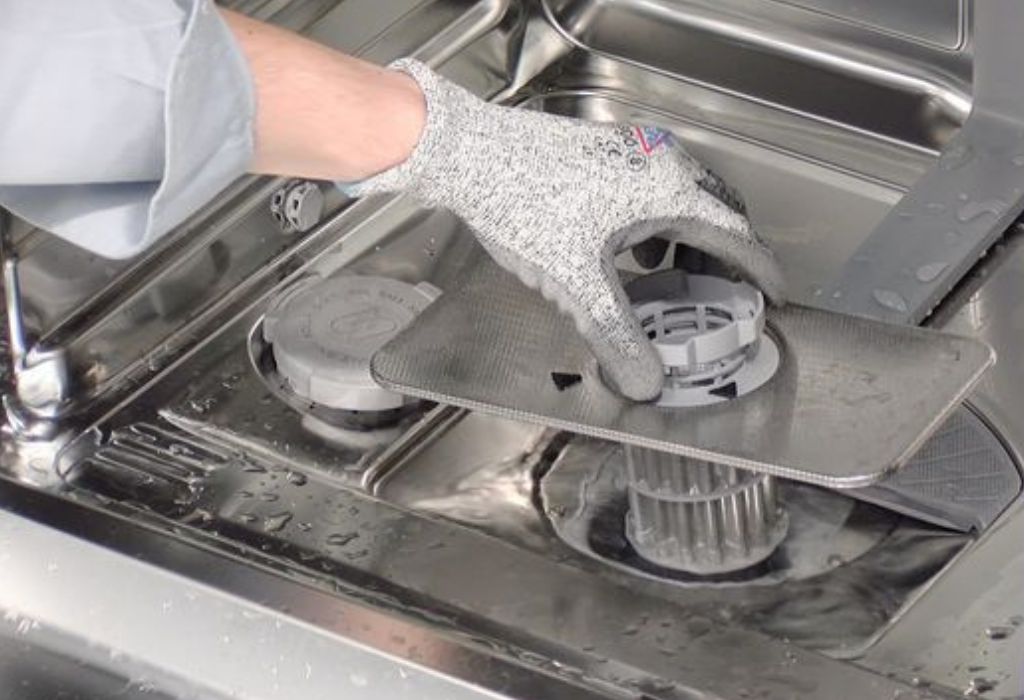
Next, make it a habit to clean the dishwasher filter weekly. The filter catches most debris before it can enter the pump, so keeping it clear directly protects the pump’s moving parts. Simply remove it, rinse under warm water, and scrub with a soft brush to remove grease or residue.
Running a monthly cleaning cycle is another excellent habit. Place a cup of white vinegar on the top rack and run the dishwasher empty on a hot cycle. Vinegar helps dissolve hard water deposits and eliminates odors. You can also sprinkle baking soda on the bottom and run a short cycle for a fresh, deodorized interior.
Avoid overloading your dishwasher, as it restricts water circulation. When spray arms can’t move freely, detergent doesn’t reach all surfaces — and debris can settle around the pump area. Also, make sure no utensils or dishes block the drain area at the bottom.
Before each wash, run your sink’s hot water for 30 seconds to ensure the dishwasher fills with hot water right away. This improves cleaning efficiency and helps prevent greasy buildup inside the pump.
Finally, inspect the pump area every few months for any signs of residue or leaks. A quick check and light cleaning can prevent small issues from becoming expensive repairs.
With these easy preventive steps, your dishwasher pump will stay clean, efficient, and quiet — ensuring sparkling dishes and a longer appliance life.
FAQs About How to Clean Dishwasher Pump
How do I know if my dishwasher pump is clogged?
If you notice standing water, strange humming noises, or poor drainage after a cycle, your dishwasher pump is likely clogged. In many cases, food debris or grease buildup blocks the impeller or drain path, preventing proper water flow.
Can I clean the dishwasher pump without removing it?
Yes, you can perform a light cleaning without taking the pump apart. Remove the bottom rack and filter, then use a toothbrush and vinegar solution to scrub around the accessible pump area. However, for deep cleaning, partial disassembly gives better results.
How often should I clean my dishwasher pump?
For optimal performance, clean the pump every 1–3 months, depending on how often you use the dishwasher. Households that run daily loads or use hard water may need monthly cleaning to prevent buildup.
What happens if I never clean the dishwasher pump?
Neglecting pump maintenance leads to poor drainage, bad odors, and reduced cleaning power. Over time, the motor can strain against clogs, which may cause overheating and eventually lead to pump failure.
Can I use vinegar to clean the pump safely?
Yes, white vinegar is a safe, natural cleaner that dissolves grease, calcium deposits, and soap scum effectively. Avoid mixing vinegar with bleach-based products, as it can release toxic fumes.
Why does my dishwasher still smell bad after cleaning?
Odors may persist if residue remains inside the drain hose or under the pump cover. Run a hot cycle with a cup of vinegar or baking soda to remove trapped grease and sanitize hidden spots.
How long does it take to clean a dishwasher pump?
A full cleaning typically takes 20–30 minutes. Quick maintenance can be done in under 15 minutes if you regularly clean the filter and remove debris after each week’s use.
Is it normal for water to stay in the bottom of the dishwasher?
A small amount of water is normal — it keeps the seals from drying out. However, large puddles indicate a drainage issue caused by a dirty filter or clogged pump.
Can a clogged dishwasher pump cause leaks?
Yes. If water can’t drain properly, pressure builds up and may force water through seals or joints, causing leaks beneath the dishwasher. Cleaning the pump and checking gaskets often stops this issue.
When should I call a professional for pump problems?
If your dishwasher still doesn’t drain or makes loud grinding noises after cleaning, the pump motor might be failing. In that case, contact a technician to inspect or replace the motor assembly.
Final Thoughts
Your dishwasher pump might be hidden from view, but it plays a crucial role in keeping your dishes spotless and your appliance running smoothly. Ignoring it can lead to clogs, foul smells, and costly repairs — but with a bit of regular care, you can easily avoid those problems.
By following a simple routine of cleaning the filter, removing debris, and running periodic vinegar rinses, you help your dishwasher perform at its best. A clean pump means better water pressure, faster drainage, quieter operation, and longer lifespan. Plus, it prevents that frustrating moment when your “clean” dishes come out looking worse than before.
Think of pump maintenance as a small investment of time that pays off every time you press “Start.” Whether you clean it monthly or quarterly, staying consistent is key. In just 20–30 minutes, you can restore your dishwasher’s efficiency and avoid service calls that cost far more than the effort it takes to maintain it yourself.
So the next time you hear a strange hum or notice standing water, don’t panic — you now know exactly how to clean dishwasher pump the right way. Keep your appliance in top shape, and it will reward you with years of spotless, worry-free cleaning.

I’m Emma J. Caldwell, the founder, lead writer, and home-cooking enthusiast behind KitchenGuideCo.com. With a background in culinary arts and over a decade of cooking experience in both professional and personal kitchens, I created this platform to demystify recipes, offer smart kitchen gadget reviews, and guide readers through meal prep with confidence and clarity.