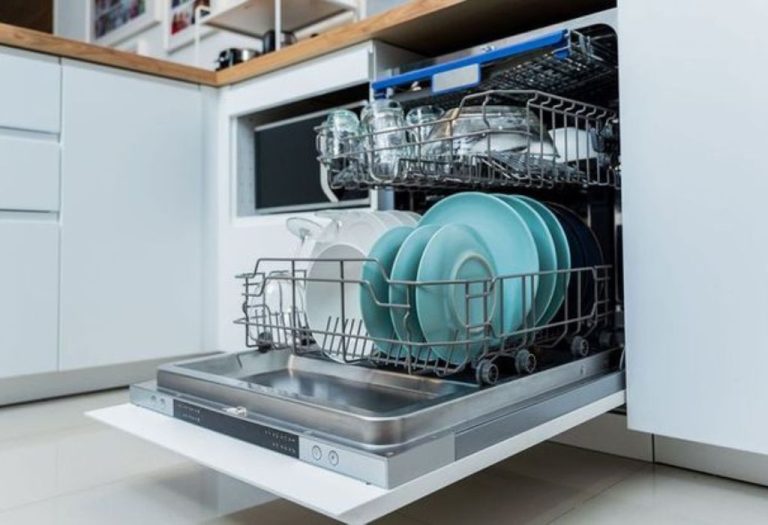
You’ve finally bought that new dishwasher you’ve been wanting for months. It’s sitting in the kitchen, still boxed up, and now the real question hits — how hard is it to install a dishwasher by yourself? For many homeowners, this thought alone can be intimidating. It involves plumbing, electrical work, and squeezing into tight cabinet spaces. But here’s the truth — installing a dishwasher isn’t nearly as hard as it looks.
Modern dishwashers are designed with DIY-friendly features that make installation easier than ever. Most of the process involves connecting three simple components: the water supply line, the drain hose, and the electrical wiring. If your kitchen already has the necessary hookups from an old unit, the entire installation can take less than two hours — no professional help required.
According to a 2024 HomeAdvisor survey, nearly 45% of homeowners successfully install dishwashers themselves, saving anywhere from $150 to $300 in labor costs. And those who do it once often say they’d never pay for installation again. The key is patience, preparation, and knowing the right sequence of steps — not advanced plumbing skills or electrical expertise.
Of course, some challenges can arise — especially in older kitchens or first-time installations. But that doesn’t mean it’s impossible. A little planning, the right tools, and some confidence go a long way. By understanding what makes installation easy versus what complicates it, you can decide whether it’s a DIY job or one worth outsourcing.
In this complete guide, we’ll break down how hard it really is to install a dishwasher, what skills you actually need, and when it’s smart to call in a professional. By the end, you’ll know exactly what to expect — and you might even feel ready to roll up your sleeves and do it yourself.
Understanding What Dishwasher Installation Involves
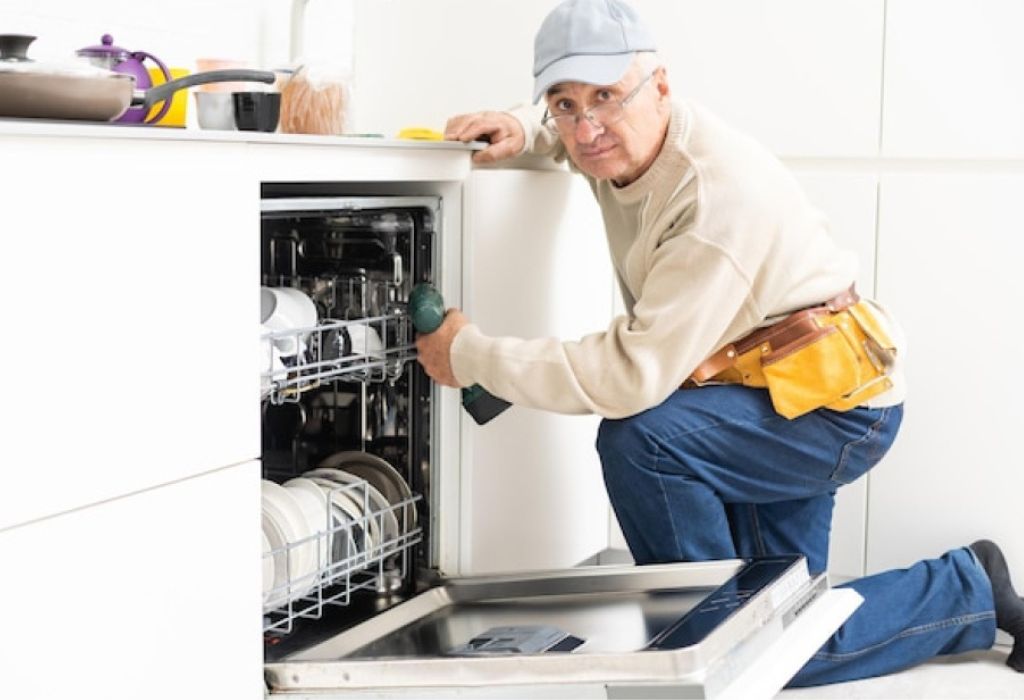
Before deciding whether installing a dishwasher is hard, it’s important to understand what the process actually includes. A dishwasher connects to three key systems in your kitchen — the water supply, the drain line, and the electrical power source. Once you grasp how these work together, the job becomes far less intimidating.
The water line brings in hot water from under your sink to fill the dishwasher during each cycle. It’s connected through a small valve, typically using a flexible braided hose or copper tubing. This step requires only a wrench and Teflon tape to make a secure, leak-free connection. It’s simple, but precision matters — overtightening or skipping tape can cause future leaks.
The second part is the drain hose connection, which removes dirty water after each cycle. The hose usually attaches to the sink drain or garbage disposal. Most modern dishwashers include a high loop or air gap system to prevent backflow — this ensures dirty water doesn’t re-enter the clean wash cycle. While this step can be a bit awkward in tight spaces, it’s one of the easiest parts once you understand the routing.
Finally, the dishwasher needs an electrical connection to power its pump, heating element, and sensors. Most units plug directly into an outlet, but some are hardwired. If it’s the latter, you’ll match three wires — black (hot), white (neutral), and green (ground). This may sound technical, but it’s as simple as connecting color to color and securing with wire nuts.
In short, dishwasher installation isn’t about skill — it’s about sequence. The hardest part for most people isn’t the work itself, but the confined space under the counter and making sure each connection is tight and level. Once those are in place, your dishwasher will be ready to go.
Is Installing a Dishwasher Hard for Beginners?
If you’re a first-time DIYer, the thought of installing a dishwasher might sound overwhelming — but the truth is, it’s not nearly as hard as it seems. Modern dishwashers are built with user-friendly connections and clear installation guides, making them accessible even for beginners with little to no plumbing or electrical experience.
The difficulty largely depends on your kitchen setup. If you’re replacing an old dishwasher, the process is usually straightforward. The existing water line, drain hose, and electrical wiring are already in place — meaning all you have to do is disconnect the old unit and hook up the new one in the same spots. In that case, installation takes about one to two hours, even for someone doing it for the first time.
However, if your kitchen has never had a dishwasher before, the process becomes more complex. You may need to install a water line, drain connection, or electrical outlet, which might require help from a plumber or electrician. These are one-time challenges that make the initial setup harder but don’t affect future replacements.
For most homeowners, the hardest part isn’t technical skill — it’s working in tight spaces. You’ll often be kneeling under a cabinet, threading hoses and wires through small holes, and tightening fittings in awkward positions. Still, with patience and the right tools, it’s more tedious than difficult.
If you’re comfortable using a wrench, screwdriver, and a level, you already have most of the skills needed. As long as you follow a clear, step-by-step guide and double-check your connections, you can easily handle the job without paying a professional. In short, installing a dishwasher isn’t hard — it’s a careful process that rewards attention to detail, not expertise.
DIY Dishwasher Installation vs Professional Installation
When it comes to installing a dishwasher, one of the first decisions homeowners face is whether to do it themselves or hire a professional. Both options have their pros and cons, and the best choice often depends on your comfort level, available tools, and how complex your kitchen setup is.
A DIY dishwasher installation is ideal for those who already have an existing dishwasher space with ready connections. In this case, it’s mostly a matter of disconnecting the old unit, attaching the new one’s water and drain lines, and plugging it in. The process usually takes between one and two hours and costs very little — typically only $40 to $70 in supplies like a water hose, Teflon tape, and fittings.
The biggest advantage of doing it yourself is the cost savings. Hiring a professional can cost between $150 and $300 for a standard installation. By handling it yourself, you save that money and gain the satisfaction of completing a practical home improvement project. Plus, it’s a skill you can reuse whenever you upgrade your appliances in the future.
However, the professional installation option offers peace of mind and convenience. A licensed plumber or technician can handle complex setups — like new plumbing lines, electrical wiring, or cabinet modifications — quickly and safely. They also test the appliance for leaks and ensure it’s fully compliant with local building codes.
For simple replacements, a DIY installation is a smart choice that’s well within most people’s ability. But if your kitchen requires new hookups, rewiring, or structural adjustments, hiring a professional is worth the investment. In short, go DIY for replacements, but go pro for new installations — that’s the perfect balance between saving money and ensuring quality results.
Common Challenges People Face During Installation
Even though installing a dishwasher is manageable for most homeowners, a few common challenges can make the process more time-consuming or frustrating. Understanding these ahead of time helps you prepare properly and avoid unnecessary delays during installation.
One of the most frequent issues is limited space under the counter. Dishwashers often fit tightly into cabinetry, leaving very little room to maneuver. Threading hoses, aligning fittings, and connecting wires can feel tricky in such a cramped area. A flashlight, flexible hose, and a little patience can make this much easier to manage.
Another challenge is dealing with old or incompatible plumbing connections. Older kitchens may have outdated water valves, rusted fittings, or mismatched hose sizes that don’t fit new dishwasher connections. This can lead to small leaks or the need for extra adapters. Replacing old valves and using Teflon tape on threads is the best way to ensure watertight fittings.
Drain hose routing is another issue many beginners face. If the hose isn’t properly positioned with a high loop or air gap, dirty water from the sink can backflow into the dishwasher. This can cause odors or unsanitary residue. The fix is simple — secure the hose to the underside of the counter to create that essential high loop.
Some people also find electrical wiring confusing, especially when dealing with hardwired dishwashers instead of plug-in models. Matching the black, white, and green wires correctly is crucial to prevent short circuits or malfunction. Taking your time and using wire nuts to secure each connection ensures safety and reliability.
Lastly, many first-timers struggle with leveling the dishwasher. If the appliance isn’t perfectly balanced, it can vibrate, leak, or even fail to drain properly. Using a level tool and adjusting the front legs will ensure smooth operation.
Most of these challenges are minor and easily preventable with preparation. When approached patiently, even the “hard” parts of installing a dishwasher become straightforward and satisfying to complete.
Step-by-Step Breakdown: What You’ll Actually Do
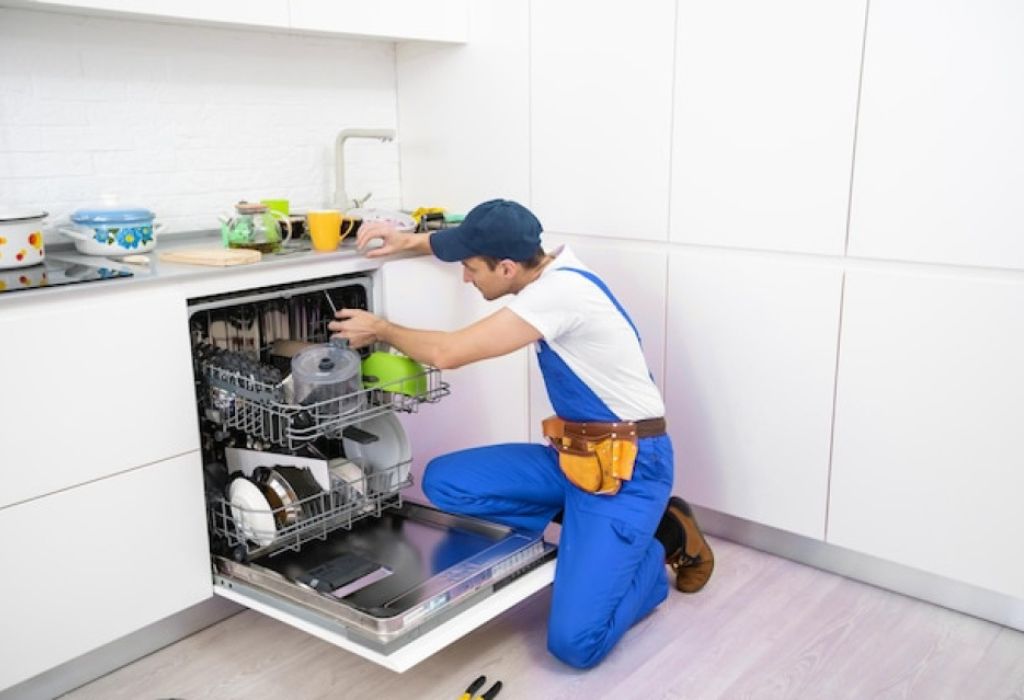
Installing a dishwasher might sound complicated at first, but when you break it down step by step, it’s a series of small, manageable tasks. Each step builds on the previous one, and with a little organization, the whole process can be completed in just a couple of hours.
The first step is to turn off the power and water supply. Go to your circuit breaker and switch off the dishwasher’s power line, then close the hot water valve under your sink. This ensures a safe workspace and prevents accidental leaks or electric shocks while you work.
Next, if you’re replacing an old unit, you’ll need to remove the existing dishwasher. Pull it gently out from under the counter, disconnect the drain hose, water line, and electrical connections, and set it aside. Having a towel or bucket nearby will help you catch any remaining water from the hoses.
Once the space is clear, it’s time to prepare the new dishwasher. Unbox it carefully and inspect for any shipping damage. Attach the mounting brackets and connect the drain hose to the back of the unit before sliding it toward the cabinet. Thread the power cord and water supply line through the access holes while the unit is still slightly out — this makes later connections easier.
Now you’ll connect the water supply line. Wrap the threads of the dishwasher’s inlet fitting with Teflon tape and use an adjustable wrench to attach the hot water line securely. Avoid overtightening, as this could damage the fitting.
The next step is to connect the drain hose. Attach one end to the dishwasher’s outlet and the other to the garbage disposal or sink drain. Make sure to create a high loop or install an air gap to prevent wastewater from flowing back inside the machine.
After that, you’ll make the electrical connections. If it’s a plug-in model, simply plug it into the outlet. If it’s hardwired, connect the black (hot), white (neutral), and green (ground) wires using wire nuts. Double-check that each connection is secure and properly insulated.
With all connections complete, slide the dishwasher into place. Make sure hoses and cords aren’t kinked or pinched behind it. Once it’s in position, use a level to check that it’s perfectly balanced — this prevents leaks and noise during cycles. Adjust the front legs if necessary.
Finally, secure the dishwasher to the countertop using the mounting brackets, then turn on the water and power. Run a short rinse cycle to check for leaks or odd noises. If everything runs smoothly, congratulations — you’ve just completed a successful installation.
In total, most of these steps are easy to follow, and none require professional skills. With patience and attention to detail, you can confidently say that installing a dishwasher isn’t hard — it’s just about following the process carefully.
Tools and Supplies You’ll Need for a Smooth Installation
Before you begin installing your dishwasher, gathering the right tools and supplies is essential. Having everything ready beforehand not only saves time but also helps you avoid unnecessary frustration once you start working. Fortunately, most of the tools you’ll need are basic household items that many homeowners already own.
You’ll need an adjustable wrench to tighten fittings on the water line and secure connections. It’s versatile and works for most nuts and bolts used during installation. Alongside that, a pair of pliers will help you grip and hold small parts firmly, especially when connecting the drain hose or adjusting the front legs of your dishwasher for leveling.
A Phillips and flat-head screwdriver will also be necessary for removing access panels, tightening mounting brackets, and securing screws. These two tools are used at nearly every stage of the process, from setup to final adjustments. Keep them close by for convenience.
A level is another must-have tool. Ensuring your dishwasher sits perfectly even is vital for proper drainage and smooth operation. A tilted unit may cause leaks, unusual noise, or pooling water inside the tub. Simply place the level on the top edge of the dishwasher and adjust the front legs until it’s balanced.
When working with plumbing connections, you’ll also need Teflon tape. Wrap it around threaded fittings on the water inlet to create a watertight seal that prevents leaks once water pressure builds up. In addition, have a bucket and a towel nearby to catch any excess water when disconnecting or connecting hoses.
For visibility in tight spaces, a flashlight or headlamp can be incredibly useful. Dishwashers are often installed in dark corners under the counter, so proper lighting helps you see every connection clearly.
Lastly, make sure you have a dishwasher installation kit. This kit usually includes the water supply line, drain hose, and power cord (if not preinstalled). While it’s tempting to reuse old hoses, it’s always safer to start with new ones — they’re inexpensive and help prevent future leaks.
Once you’ve assembled all your tools, you’re ready to proceed without interruptions. With these essentials at hand, the installation will go smoothly, efficiently, and safely from start to finish.
How Long Does It Take to Install a Dishwasher?
One of the most common questions homeowners ask before starting is how long it really takes to install a dishwasher. The answer depends on several factors — your experience, the condition of your existing hookups, and whether you’re replacing an old unit or installing one for the first time. But in most cases, the process is quicker than you might think.
If you’re replacing an old dishwasher, the installation can typically be completed in about 45 minutes to 2 hours. Since the water line, drain hose, and electrical wiring are already in place, all you need to do is disconnect the old unit and connect the new one in the same spots. For many DIYers, this is the easiest and fastest scenario, as it only requires basic tools and minimal setup.
When you’re installing a dishwasher in a new kitchen space for the first time, the timeline can stretch to 3–5 hours. This is because new plumbing and electrical hookups may need to be added, or cabinet modifications made to fit the unit. These extra steps take more time and precision, especially if you’re measuring and cutting for the first time.
Your experience level also plays a big role. A skilled DIYer who’s comfortable with hand tools and simple plumbing can move through the process quickly. For beginners, it might take a bit longer — not because the work is difficult, but because you’ll want to double-check each connection for safety and accuracy.
Another factor is preparation. Having all your tools, hoses, and materials ready before you begin can shave off a lot of time. Clear out the area under the sink, unbox the dishwasher in advance, and read the manufacturer’s guide so you know what to expect before starting.
In short, most homeowners can expect the full process — from unboxing to test cycle — to take no more than two hours for a standard replacement. Even if it takes a little longer, the time you invest is well worth the money saved and the satisfaction of knowing you installed it yourself.
Mistakes That Make Installation Harder
Even though installing a dishwasher is relatively straightforward, a few common mistakes can make the process far more difficult than it needs to be. Most of these errors come from rushing, skipping small details, or not fully understanding how each connection works. By learning what to avoid, you’ll save time, prevent leaks, and make your installation process smooth from start to finish.
One of the most frequent mistakes is forgetting to turn off the water and power before starting. It might seem obvious, but many people overlook this step in their excitement to get the job done quickly. Working with live electricity or pressurized water lines is risky — always shut off the circuit breaker and close the hot water valve completely before disconnecting anything.
Another common issue is not leveling the dishwasher properly once it’s installed. If your dishwasher isn’t level from side to side or front to back, water won’t drain correctly, which can lead to standing water or internal leaks. Using a bubble level and adjusting the front legs ensures the appliance operates quietly and drains efficiently.
Many homeowners also reuse old hoses and fittings to save time or money, but this often causes problems later. Old hoses can be brittle or full of buildup, which leads to leaks or restricted water flow. Always install a new drain hose and water line when replacing a dishwasher — they’re inexpensive and give peace of mind.
Another easily avoided mistake is skipping the Teflon tape on the water inlet threads. Without it, even a snug connection can slowly drip over time, causing damage to your floor or cabinet base. Wrapping two or three layers of Teflon tape around the threads before tightening ensures a leak-free seal.
Failing to create a proper high loop or install an air gap on the drain hose is another big one. Without this loop, dirty water can flow back into your dishwasher, leaving a bad smell and unsanitary residue on your dishes. Simply securing the drain hose under the countertop fixes this completely.
Lastly, some people rush through the final testing phase, turning on the machine without checking connections first. Before running the first full cycle, always perform a short rinse test while inspecting the hoses, fittings, and electrical connections. Catching small drips or misalignments early prevents much bigger problems later.
By slowing down and double-checking each connection, you’ll avoid the most common installation headaches. In the end, dishwasher installation isn’t hard — it just requires patience, care, and attention to detail.
When Should You Call a Professional Instead?
While most dishwasher installations are easy enough for a confident homeowner to handle, there are certain situations where it’s wiser — and safer — to call a professional. Knowing when to ask for help can save you from costly damage, avoid safety risks, and ensure that your appliance performs perfectly for years to come.
You should consider hiring a professional if your kitchen has never had a dishwasher before. In that case, you’ll likely need new plumbing, a drain line, and an electrical connection — all of which require cutting into cabinets or running new wires and pipes. Unless you’re experienced with this kind of work, it’s better to let a licensed plumber or electrician handle the initial setup. Once those hookups are in place, future replacements become much easier to manage on your own.
Another reason to call a professional is if you discover outdated or damaged wiring during installation. Older homes often use ungrounded outlets or outdated electrical systems that don’t meet modern safety standards. A professional can safely update the wiring to ensure your new dishwasher doesn’t trip circuits or cause electrical hazards.
If you notice leaky or corroded water valves, it’s also smart to get a plumber involved. Trying to force a connection on an old or rusted fitting can lead to a burst pipe and expensive water damage. A professional will replace faulty valves and ensure all water lines are properly sealed.
You should also call for help if you’re unsure about the drain setup or your dishwasher keeps backing up dirty water. Improper drainage is one of the leading causes of appliance damage, and fixing it after installation can be much harder than getting it right the first time.
Finally, if your dishwasher needs to fit into custom cabinetry or a tight, built-in space, a professional installer can make precision adjustments without damaging your counters or flooring.
In short, there’s no shame in calling a pro — it’s often the smarter move for complex setups. A professional ensures everything is up to code, watertight, and perfectly level. But for standard replacements with existing hookups, you can confidently handle it yourself and enjoy both the savings and satisfaction of a successful DIY job.
Cost Comparison: DIY vs Hiring a Professional
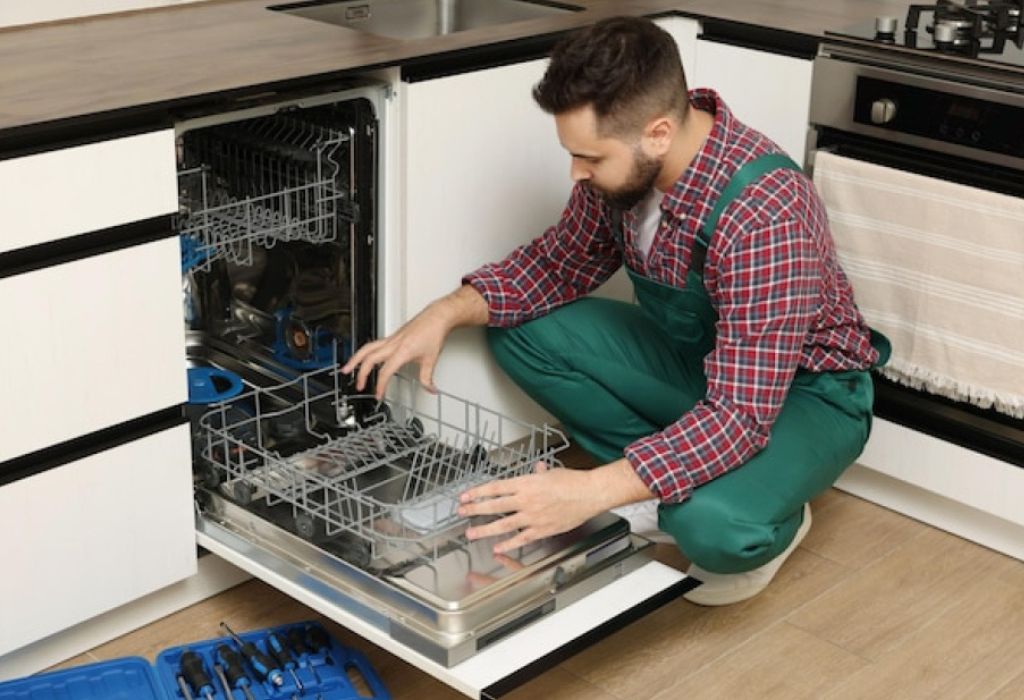
When deciding whether to install a dishwasher yourself or hire a professional, cost is usually the biggest factor. Understanding the breakdown of both options helps you make a smart decision that balances savings, effort, and peace of mind.
A DIY dishwasher installation is by far the most affordable route. If you already have a dishwasher space with working hookups, you can complete the project for around $40 to $70 in materials. That includes items like a new water line, drain hose, and Teflon tape — all inexpensive but essential supplies. The main investment is your time, usually one to two hours. For most homeowners, this approach is cost-effective, especially if you’re replacing an old unit with a similar model.
In contrast, hiring a professional installer typically costs between $150 and $300 for a standard replacement. This fee includes labor, testing, and ensuring your dishwasher is level and leak-free. Some appliance retailers offer discounted or free installation during sales, but those deals often come with restrictions or hidden delivery charges. If modifications are needed — such as new plumbing, electrical outlets, or cabinetry adjustments — the total can climb to $400–$800 or more.
DIY installation also provides long-term value. Once you’ve learned the process, replacing future dishwashers becomes simple and free. Many homeowners who install their first unit themselves find that the second one takes half the time. Plus, there’s a unique satisfaction in completing a home improvement project on your own.
However, hiring a professional offers reassurance and warranty protection. Most technicians guarantee their work, which means if leaks or wiring issues occur later, they’ll fix them at no extra cost. For first-time installers who lack tools or confidence, that peace of mind can justify the extra expense.
Ultimately, it comes down to your comfort level. If your kitchen already has a dishwasher setup and you’re confident with basic tools, the DIY route is an easy way to save money. But if the installation involves electrical upgrades, plumbing rerouting, or custom cabinetry, hiring a professional is the smarter and safer investment.
Either way, knowing both sides helps you make a decision that fits your skills, budget, and timeline — ensuring your dishwasher is installed efficiently and correctly the first time.
FAQs About How Hard It Is to Install a Dishwasher
Is installing a dishwasher difficult for beginners?
Not at all. Modern dishwashers are designed with straightforward connections and easy-to-follow guides. As long as your kitchen already has the right hookups, most people can install one within a couple of hours without any prior experience.
Do I need special tools to install a dishwasher?
No special tools are required. You’ll only need basic household items such as a wrench, screwdrivers, pliers, a level, and Teflon tape. If you buy a dishwasher installation kit, it usually includes the water and drain hoses you’ll need.
Can I install a dishwasher myself without hiring a professional?
Yes, if you’re replacing an old dishwasher or already have existing hookups. The process is simple enough for most homeowners. However, if new wiring or plumbing is needed, it’s best to hire a licensed professional.
How long does it take to install a dishwasher?
For a replacement installation, it usually takes between 45 minutes and 2 hours. If you’re setting up a dishwasher for the first time and need to add new connections, expect the process to take 3 to 5 hours.
Do I need both electrical and plumbing skills?
Only basic knowledge is necessary. Most steps involve simple hand connections. The electrical part is just matching wire colors (black, white, and green) or plugging the dishwasher into an outlet, depending on your model.
What’s the hardest part of installing a dishwasher?
The most challenging part is often working in tight spaces under the counter. Threading the hoses and wiring correctly can take patience, but the steps themselves aren’t technically difficult.
Can I reuse my old water and drain lines?
It’s not recommended. Old hoses can become brittle or clogged over time. Replacing them with new ones prevents leaks and ensures proper water flow for your new appliance.
What happens if I don’t level the dishwasher?
If the dishwasher isn’t level, it may cause leaks, poor drainage, or loud vibration during cycles. Adjust the front legs until the appliance sits evenly to avoid these problems.
Do I need to test the dishwasher after installation?
Yes, always run a short rinse cycle after connecting everything. Watch for leaks around the water line, drain hose, and under the unit. If everything stays dry, your installation was successful.
When should I hire a professional installer instead?
Call a professional if you’re adding a dishwasher to a new space, need new plumbing or electrical work, or notice damaged connections. For simple replacements, though, you can easily do it yourself with a bit of care and time.
Final Thoughts: Is It Really Hard to Install a Dishwasher?
So, after all the steps, tools, and planning — how hard is it to install a dishwasher, really? The honest answer is that it’s not difficult for most homeowners, especially when replacing an existing unit. It’s a project that looks more intimidating than it truly is. With patience, clear instructions, and basic tools, anyone with a little DIY motivation can complete it successfully.
Modern dishwashers are designed to make the process straightforward. The parts are labeled clearly, connections are standardized, and most manufacturers include detailed guides for setup. In many cases, it’s just a matter of connecting three things — water, drain, and power — then ensuring everything is level and leak-free. Once you understand the order of steps, the rest is simply following through carefully.
The key to success isn’t advanced skill but attention to detail. Tightening fittings properly, using Teflon tape, creating a high drain loop, and checking for leaks during the test cycle are what separate a good installation from a problematic one. If you take your time and avoid rushing, there’s little that can go wrong.
That said, it’s also important to recognize your limits. If your kitchen doesn’t have existing hookups, or if you run into old plumbing or electrical issues, calling a professional is the smart move. It ensures safety and prevents costly damage that might outweigh the money you’d save by doing it yourself.
In the end, installing a dishwasher is a manageable, rewarding home project. It saves you installation fees, gives you hands-on experience, and adds a bit of pride every time you hear your new appliance humming smoothly. With the right preparation, it’s a task well within your reach — and far easier than most people think.

I’m Emma J. Caldwell, the founder, lead writer, and home-cooking enthusiast behind KitchenGuideCo.com. With a background in culinary arts and over a decade of cooking experience in both professional and personal kitchens, I created this platform to demystify recipes, offer smart kitchen gadget reviews, and guide readers through meal prep with confidence and clarity.