You’ve just finished your kitchen remodel and your new granite countertops look stunning. The final step is installing your dishwasher — but now you realize granite is not as forgiving as wood. One wrong screw or bracket placement could crack your countertop and turn your dream kitchen into a repair project.
Many homeowners face this challenge after installing granite surfaces. According to HomeAdvisor, over 35% of dishwasher mounting issues occur in kitchens with granite because people try to drill into the stone or use the wrong support method.
The truth is, granite requires a special approach that keeps it secure while avoiding any damage.
With the right tools and proper preparation, you can install your dishwasher safely at home without professional help. This guide will walk you through every step — from preparation to mounting and testing — so you can complete the job with confidence.
By the end, your dishwasher will be solidly in place, your granite will remain flawless, and your kitchen will look perfectly finished.
Why Installing a Dishwasher Under Granite Needs Special Care
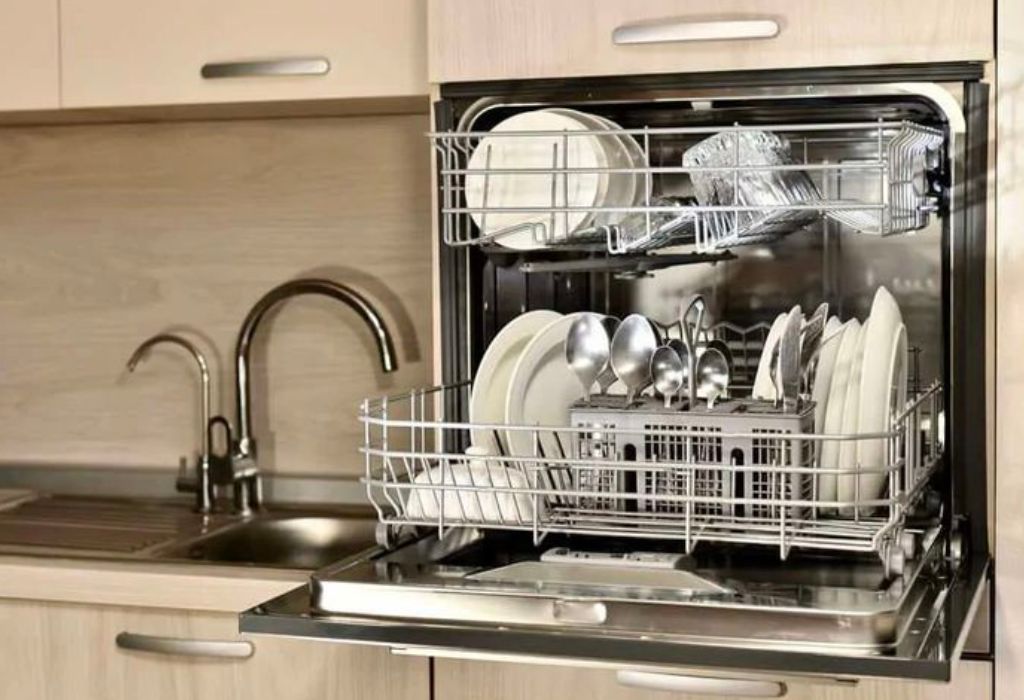
Installing a dishwasher under a granite countertop isn’t the same as working with wood or laminate. Granite is hard, heavy, and brittle — which means drilling into it can cause chips, cracks, or complete breakage.
That’s why dishwashers installed under granite need to be mounted differently, using side-mount brackets or adhesive kits instead of top screws.
Most dishwashers are designed to anchor into the underside of a counter. Since granite can’t be drilled, you need to secure the appliance to the adjacent cabinets. These side mounts keep the unit stable and prevent it from tipping forward when you open the door.
Failing to use proper mounting can cause vibration, rattling, or even leaks over time. Once you understand these differences, installing your dishwasher becomes much easier and safer.
Taking the extra care upfront ensures your granite remains perfect while your dishwasher stays firmly in place.
Why is granite more difficult to drill into than wood?
Granite is a dense natural stone that cracks under pressure from screws or drills.
Can I screw a dishwasher directly into granite?
No, you should never drill or screw directly into granite — always use side-mounts.
What happens if I mount the dishwasher incorrectly?
It may shake, leak, or pull away from the counter during use.
Why does my dishwasher vibrate under granite?
Loose or missing side-mount brackets are usually the cause.
Are there special brackets made for granite countertops?
Yes, most brands include or sell side-mount kits designed for stone surfaces.
Tools and Materials You’ll Need for Safe Installation
Having the right tools ready makes your installation faster and safer. Before you start, gather everything you need to avoid interruptions midway through. You’ll need:
- Side-mount brackets or clips designed for granite installations.
- Screwdriver or power drill with a rubber-tipped bit for cabinet attachment.
- Measuring tape and level for alignment.
- Teflon tape, pliers, and adjustable wrench for plumbing connections.
- Adhesive mounting pads or epoxy if side mounts aren’t available.
- Towels and a bucket for water spills.
- Safety glasses and gloves to protect your hands and eyes.
Having all of these tools ready ensures a smooth workflow. Professionals always prepare these items before sliding the dishwasher into place. It saves time, prevents alignment mistakes, and keeps your granite and cabinets safe during the process.
What mounting brackets work best with granite?
Use metal side-mount brackets that attach to the cabinet walls instead of the countertop.
Can I install a dishwasher without side-mount brackets?
You can use adhesive kits, but side brackets provide better long-term support.
Do I need special tools for granite installation?
A standard drill and screwdriver work fine — just avoid drilling into the stone.
What type of adhesive is safe for granite?
Use high-strength epoxy or silicone-based adhesive designed for stone.
Should I turn off the power and water before starting?
Always disconnect both before beginning the installation to prevent hazards.
Preparing the Dishwasher and the Installation Area
Before you begin, preparation is key to success. Start by turning off the power supply at the circuit breaker and shutting off the water valve under the sink. This prevents accidents and water leaks while you work.
If you’re replacing an old dishwasher, disconnect the water line, drain hose, and power cord, then slide the old unit out carefully. Clear the entire area under the counter so you have full access. Use a towel to protect your floor and the edges of your granite countertop.
Next, measure the opening width and height. Most standard dishwashers are 24 inches wide, but granite edges can slightly narrow the gap. Check the hoses, power cord, and fittings to make sure they’re long enough and in good condition.
Attach the side brackets to the dishwasher before sliding it into place — this step is much easier to do outside the cabinet space.
Should I remove cabinet doors before installation?
It’s not necessary, but removing nearby doors can give you more working room.
How much space is needed between the dishwasher and granite?
Leave about ½ inch clearance at the top and sides for easy sliding.
Do I install brackets before sliding in the dishwasher?
Yes, pre-installing brackets saves time and prevents alignment issues.
What if the water or drain hose is too short?
Use extension kits approved for your dishwasher brand.
How do I prevent scratching my granite while moving the unit?
Cover the edges with a towel or foam padding during installation.
Step-by-Step Guide: How to Install Dishwasher Under Granite Countertop
Now that your space is ready, it’s time to install. Follow these easy steps for a stable and safe setup.
Step 1: Slide the dishwasher halfway into position so you can reach the hoses and wires.
Step 2: Connect the water line to the dishwasher inlet valve using Teflon tape for a leak-proof seal.
Step 3: Attach the drain hose to the sink drain or garbage disposal, making sure it loops high to prevent backflow.
Step 4: Connect the power supply, whether by plug or hardwiring, following your manufacturer’s guide.
Step 5: Push the dishwasher fully back into the space and check that it’s level. Adjust the front legs as needed until the door aligns evenly with your cabinets.
Step 6: Use side-mount brackets to anchor the dishwasher to the cabinet walls — never into the granite itself. Tighten screws gently until the unit feels solid.
Step 7: Run a quick test cycle to ensure there are no leaks and that the dishwasher doesn’t move when the door is opened.
Can I screw into granite to mount the dishwasher?
No, never screw into granite; it may crack or chip the stone.
How tight should I secure the side brackets?
Tight enough to hold the dishwasher firmly, but not so tight that it warps the frame.
Do I need to use adhesive with side mounts?
Only if your cabinet material is too thin or damaged for screws.
What if my dishwasher still feels loose after mounting?
Check that both sides are even and the front legs are properly leveled.
Can I use wooden shims for extra support?
Yes, thin shims can stabilize uneven flooring under the dishwasher.
Mounting Options for Granite Countertops
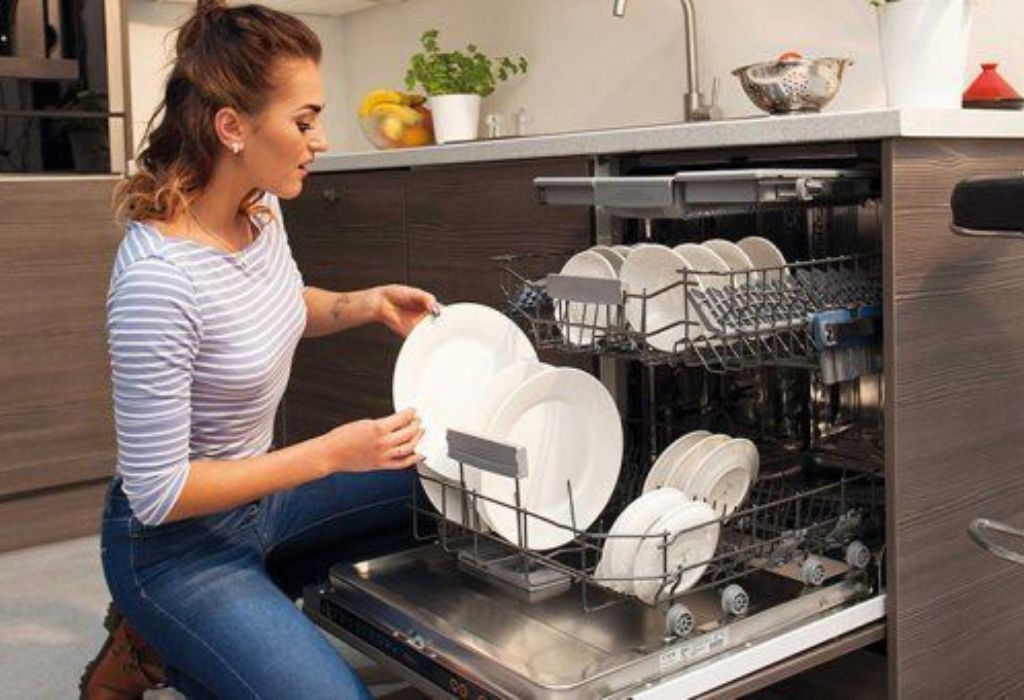
You have a few safe ways to secure a dishwasher under granite. The most common method is side-mounting, where you attach the brackets to the cabinets beside the dishwasher. This keeps it stable without touching the stone.
Another option is using adhesive mounting kits that bond a metal plate to the underside of the granite. The dishwasher’s brackets then screw into that plate instead of the granite itself. These adhesives are strong and specifically made for heavy stone.
Some homeowners use granite clips with metal tabs, which attach using epoxy. They’re a good choice if your cabinets are too narrow for side-mounts. No matter which option you choose, never drill into granite — always use approved mounting hardware.
Which mounting method is safest for granite?
Side-mount brackets are safest since they avoid contact with the granite surface.
Do adhesive mounts last as long as side brackets?
Yes, high-quality adhesives can last for years when applied correctly.
Can I use both adhesive and side mounts together?
Yes, combining them offers extra strength in larger or uneven setups.
Are granite clips reusable for future replacements?
They can be reused if carefully removed without damaging the adhesive base.
What’s the most secure way to mount under stone surfaces?
A side-mount combined with epoxy-supported tabs gives the strongest hold.
How to Secure a Dishwasher Without Drilling Into Granite
Drilling into granite is never recommended, as it can cause permanent cracks or structural weakness in the countertop. Instead, there are several safe ways to secure a dishwasher that don’t require drilling into the stone at all.
The most popular and secure option is using side-mount brackets that attach to the cabinet walls on each side of the dishwasher. These hold the unit firmly in place while preventing movement during operation.
Another option is adhesive mounting kits that bond small metal plates to the underside of the granite. Once cured, you can screw the dishwasher’s top tabs into these plates instead of the stone.
For added stability, some installers also use L-brackets attached to the cabinets or the flooring. This provides bottom-side support, especially for heavier dishwashers. The key is ensuring that all mounts are tight, level, and properly aligned before testing.
These no-drill solutions are strong, long-lasting, and completely granite-safe, giving your dishwasher the same security as any standard countertop installation.
Can I drill into granite to secure my dishwasher?
No, drilling into granite can cause irreversible cracking.
What are the best alternatives to drilling?
Use side-mount brackets, adhesive pads, or under-mount metal plates.
How strong are adhesive mounting kits?
High-quality kits can hold securely for years when installed correctly.
Do side-mounts make the dishwasher wobble?
Not if tightened properly and leveled before final adjustment.
Can I combine multiple support methods?
Yes, using both adhesive mounts and side brackets adds extra stability.
Testing and Final Adjustments
After mounting, testing ensures your installation is leak-free and stable. Start by running a quick rinse or short cycle while observing under the sink and around the base for any leaks. Even small drips can become a big problem if ignored.
If water seeps from fittings, turn off the supply and tighten connections gently. Check that the dishwasher is level by opening and closing the door — it should move smoothly and stay open halfway without tipping.
Listen for unusual vibrations or rattling. If you notice movement, tighten the side-mount screws slightly or adjust the leveling legs. Once satisfied, reinstall any trim panels or toe-kicks to complete the setup.
How do I know my dishwasher is level under granite?
Use a bubble level on the door and adjust the front legs until balanced.
What if the door rubs against the countertop?
Lower the dishwasher slightly by adjusting the front feet.
Why is my dishwasher vibrating during operation?
It’s likely uneven leveling or loose brackets — recheck both sides.
Can I reposition side brackets after testing?
Yes, loosen and move them carefully to fine-tune alignment.
How do I check for small leaks after installation?
Place a paper towel under the fittings — any dampness will show clearly.
How to Replace a Dishwasher Under Granite Countertop
Replacing an old dishwasher under granite requires extra caution to avoid damaging the countertop or surrounding cabinets. Start by disconnecting the power, water, and drain hose. If your old unit is anchored with side brackets, carefully remove those screws before sliding the unit out.
Avoid pulling or tilting the dishwasher abruptly — granite countertops can crack if stressed from below. Once removed, inspect the water line and drain hose. If they’re old, brittle, or leaking, it’s best to replace them with new connections.
Before installing the new dishwasher, clean the area under the countertop to remove dust, residue, or old adhesive.
Attach new side-mount brackets to your new appliance and make sure it’s leveled before connecting hoses and wires. Once in place, reattach the mounts and run a short rinse cycle to check for leaks.
Replacing under granite doesn’t have to be stressful — just move slowly, protect the edges, and double-check every connection before tightening.
Can I reuse the old brackets from my previous dishwasher?
Only if they’re compatible with your new model and not damaged.
Do I need to disconnect the granite countertop to replace a dishwasher?
No, you can replace it without touching the granite at all.
What’s the best way to remove the old dishwasher safely?
Unscrew side mounts and slide the unit out straight and gently.
Should I replace the water line when installing a new dishwasher?
Yes, always replace it if it’s more than five years old.
How can I avoid scratching my granite while replacing?
Cover the edges with towels or foam strips for protection.
Common Mistakes to Avoid When Installing Under Granite
Even a small mistake during installation can cause long-term issues. The most serious error is drilling into the granite, which can crack the slab instantly. Always use side or adhesive mounts instead.
Another mistake is skipping the high drain loop, leading to backflow and dirty water inside the dishwasher. Over-tightening screws or misaligning brackets can also cause the door to rub or tilt.
Some people forget to test for leaks before sliding the unit fully into place, making it harder to detect problems later. Avoid rushing — double-check every connection before calling it done.
What’s the most common mistake during installation?
Drilling into granite or using the wrong mounting method.
Why does granite crack if drilled improperly?
Because of internal pressure that spreads when screws enter the stone.
Can I reuse old brackets from my previous dishwasher?
Only if they’re compatible and undamaged; otherwise, buy new ones.
What happens if I skip the air gap or high loop?
It can cause dirty water to flow back into the dishwasher.
How can I fix a crooked dishwasher door?
Re-level the unit by adjusting front legs and re-centering the brackets.
Maintenance Tips for Dishwashers Installed Under Granite
After installation, regular care keeps both your dishwasher and countertop in great shape. Wipe away water splashes immediately to prevent hard water stains on granite. Check your mounting brackets every six months to ensure they’re tight and secure.
Run a vinegar rinse cycle monthly to clean buildup and deodorize the drain. Keep an eye on the drain hose — replace it if it shows cracks or stiffness. When moving the dishwasher for service, loosen side mounts gently instead of prying, to avoid stressing the stone.
Granite is durable but benefits from caution. By keeping up with small checks and cleaning, your installation will stay strong and stable for many years.
How often should I check the mounting brackets?
At least twice a year or after moving the dishwasher.
Can granite expand or shift and affect the fit?
Slight expansion is normal but rarely affects stability if properly mounted.
What’s the best cleaner for granite around the dishwasher?
Use pH-neutral granite cleaners — never bleach or vinegar on the stone surface.
How do I remove a dishwasher safely from granite?
Detach the side brackets first, then slide the unit out gently with help.
How long do adhesive mounts typically last?
Quality adhesives can last 8–10 years when applied correctly.
Troubleshooting Dishwasher Stability Under Granite
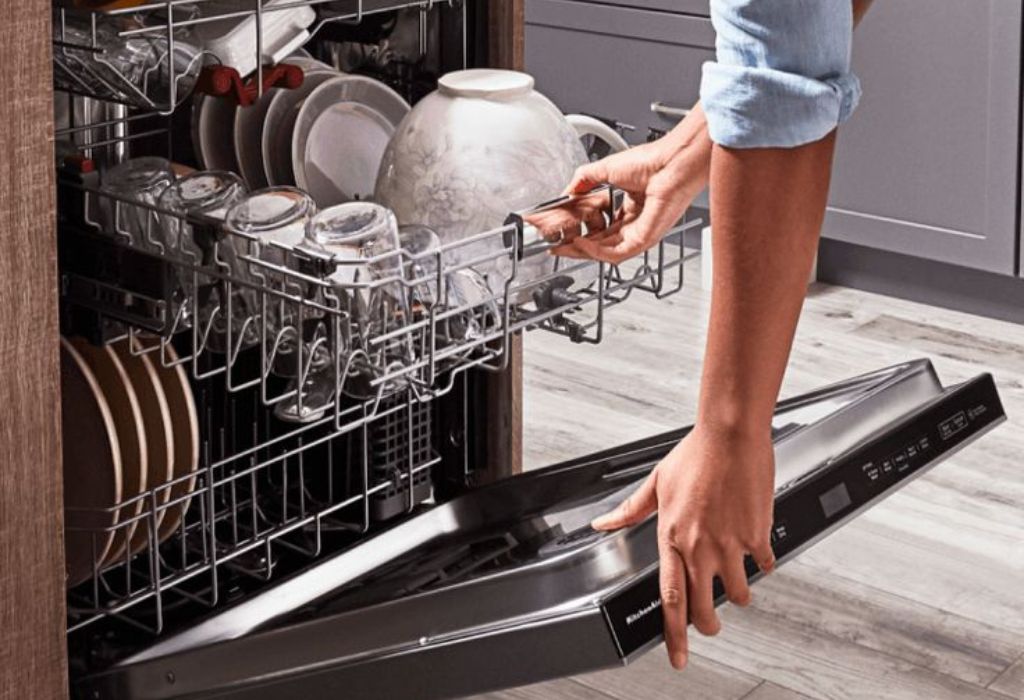
Even with careful installation, you may notice your dishwasher shifting slightly or making vibration noises under your granite countertop. This typically happens when side mounts loosen or the leveling legs settle unevenly over time.
To fix this, open the dishwasher door halfway — it should stay in place without tipping forward. If it moves or leans, recheck the side brackets and tighten them evenly. Ensure both front leveling legs firmly touch the floor and adjust them until balanced.
If the dishwasher rattles during operation, add a foam strip or rubber pad between the top of the dishwasher and the granite.
This acts as a cushion and prevents vibration noise. Also, ensure that the drain hose and water lines aren’t pressing against the back of the cabinet — these can transfer noise during cycles.
Regular inspection and small adjustments will keep your dishwasher rock-solid and quiet for years, even under heavy granite countertops.
Why does my dishwasher move when I open the door?
The mounting brackets may have loosened over time or weren’t tightened enough.
What causes rattling during a wash cycle?
Loose hoses or vibrations against the granite or cabinets.
Can uneven flooring cause the dishwasher to wobble?
Yes, always adjust leveling legs to balance the unit perfectly.
How can I stop the dishwasher from shifting forward?
Secure it tightly with side brackets or add rubber pads for friction.
Should I recheck stability after installation?
Yes, check bracket tightness every six months for long-term safety.
Conclusion
Installing a dishwasher under a granite countertop takes patience, precision, and the right approach. Granite’s strength and beauty demand careful handling, but with proper preparation and the correct mounting method, you can achieve a flawless result at home.
Using side-mount brackets or adhesive kits instead of drilling ensures your granite stays intact while keeping the dishwasher steady. Taking time to level the unit, test for leaks, and secure all connections pays off in long-term stability and performance.
Once done, you’ll have a perfectly mounted dishwasher that complements your granite countertop and runs quietly for years. With these easy steps, anyone can complete this project confidently — combining durability, elegance, and smart installation in one beautiful kitchen upgrade.

I’m Emma J. Caldwell, the founder, lead writer, and home-cooking enthusiast behind KitchenGuideCo.com. With a background in culinary arts and over a decade of cooking experience in both professional and personal kitchens, I created this platform to demystify recipes, offer smart kitchen gadget reviews, and guide readers through meal prep with confidence and clarity.