Dishwashers have become an indispensable part of the modern kitchen, blending convenience with water efficiency. They simplify cleanup, conserve resources, and maintain hygiene — but like every mechanical appliance, they have a limited lifespan.
Over years of daily use, even the best machines start to show wear through leaks, noise, or poor performance.
According to research from the Association of Home Appliance Manufacturers, most dishwashers last between 9 and 12 years, though actual longevity depends on the brand, water quality, and how well the unit is maintained.
Some premium models can run efficiently for 15 years, while cheaper units may need replacement after just 7.
Understanding how long a dishwasher lasts — and how to recognize early warning signs — helps homeowners plan replacements, avoid sudden breakdowns, and extend appliance life through preventive care.
In this guide, you’ll learn the average lifespan of dishwashers, the key factors affecting durability, brand comparisons, early symptoms of failure, repair vs. replacement guidelines, and actionable maintenance tips.
By the end, you’ll know exactly when it’s worth fixing your old dishwasher — and when it’s time for a new one.
Average Lifespan of a Dishwasher
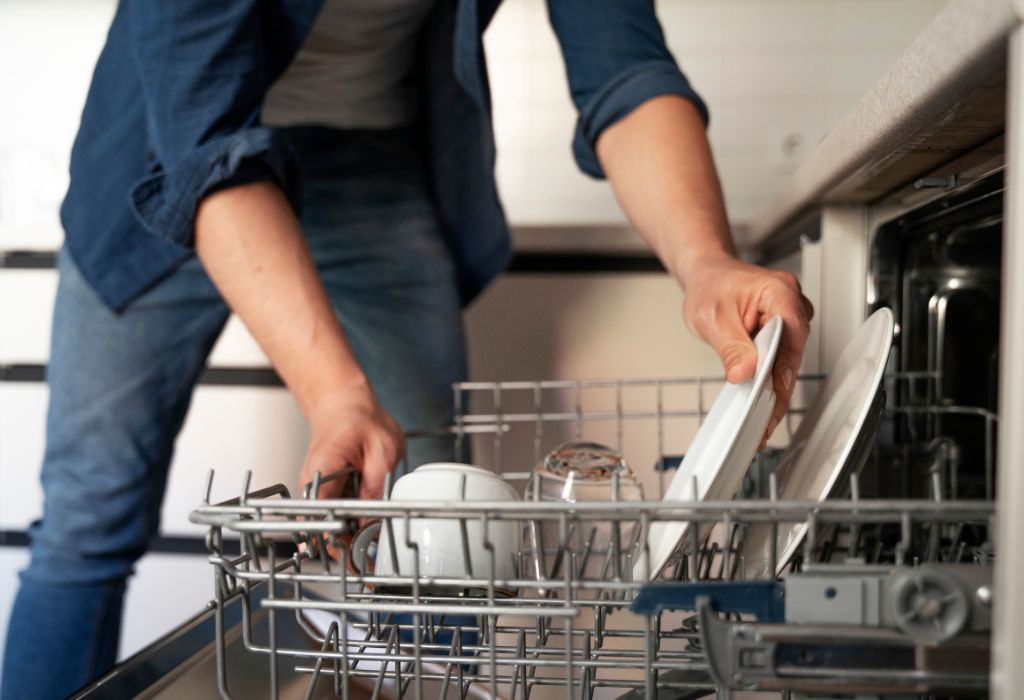
A dishwasher’s lifespan depends on several core factors — its build quality, frequency of use, and how well it’s maintained. On average, most dishwashers last 10 years, though some premium models can continue performing efficiently for up to 15 years with proper care.
Budget-friendly dishwashers made with plastic interiors and lower-grade motors tend to wear out sooner. Meanwhile, higher-end models featuring stainless-steel tubs, durable spray arms, and energy-efficient components maintain their performance for much longer.
Typical Lifespan by Category
- Budget Models ($300–$500): 7–9 years of average service life.
- Mid-Range Models ($600–$900): 9–11 years with regular upkeep.
- Premium Models ($1,000+): 11–15 years or more, depending on usage.
Regular cleaning, using the right detergent, and running monthly maintenance cycles can add 2–3 years to any dishwasher’s life. However, neglecting small maintenance tasks such as cleaning filters, checking hoses, and wiping door seals shortens the lifespan drastically.
Water quality plays a critical role as well. Hard water leaves behind calcium deposits inside spray arms, heating elements, and valves, eventually leading to clogs and corrosion. Installing a water softener or regularly using a descaling solution can significantly extend a dishwasher’s lifespan.
How many years does a dishwasher typically last?
Most models last 9–12 years, depending on usage and maintenance habits.
Can a dishwasher last 20 years?
Rarely, though top-tier models from brands like Miele can exceed 15–18 years with ideal conditions.
Does daily use shorten dishwasher life?
Yes, frequent use increases wear on internal seals, pumps, and motors.
Is age the only reason for failure?
No. Improper installation, poor maintenance, and hard water also cause premature damage.
How can I make mine last longer?
Use hot water, keep the filters clean, avoid overloading, and run vinegar-cleaning cycles monthly.
Factors That Determine Dishwasher Longevity
The lifespan of your dishwasher isn’t determined by time alone — it’s influenced by a variety of physical, mechanical, and environmental factors. Understanding these elements helps you make better maintenance decisions and avoid premature failure.
1. Build Quality and Materials
The construction quality of a dishwasher directly impacts how long it lasts. Units with stainless-steel tubs resist heat and corrosion far better than plastic interiors. Stainless steel also helps retain heat for faster drying, reducing moisture buildup and preventing mold. Conversely, plastic interiors may crack or discolor over time.
High-end models often feature brushless motors, metal spray arms, and heavy-duty door hinges, all of which outlast cheaper alternatives. Budget machines use plastic pumps and lightweight components that degrade faster under constant pressure and temperature shifts.
2. Frequency of Use
Running your dishwasher multiple times per day accelerates wear on the motor, water pump, and door seals. Each cycle subjects components to heat expansion, detergent abrasion, and water pressure. For a family of four running daily cycles, expect a shorter service life compared to light-use households.
3. Water Quality
Hard water is one of the most damaging factors for dishwashers. Calcium and magnesium deposits clog spray arms and stick to heating elements, reducing efficiency. Over time, limescale buildup can burn out pumps or heating coils. Using water softeners, descaling solutions, or filtered water helps maintain performance.
4. Detergent and Cleaning Habits
Using too much detergent or non-dishwasher-safe cleaning products creates excessive suds that damage seals and hoses. Only use automatic dishwasher detergent and clean the filter every few weeks.
5. Installation and Ventilation
Improperly installed units suffer from leaks, electrical issues, and poor drainage. Always ensure hoses are correctly looped and connections sealed with Teflon tape. Poor under-sink ventilation can also accelerate corrosion on fittings and wiring.
Does hard water shorten dishwasher lifespan?
Yes. It causes mineral scaling, which stresses heating and spray components.
Can overloading damage internal parts?
Yes. Overloading restricts water circulation and strains the spray arms and racks.
Is stainless-steel construction worth paying for?
Absolutely — it improves durability, noise insulation, and heat efficiency.
How does installation affect longevity?
Leaky or kinked hoses put extra strain on the pump and valves, shortening lifespan.
Does leaving dishes inside after washing cause damage?
Yes, constant humidity encourages gasket deterioration and rust formation.
Brand-by-Brand Lifespan Comparison
Not all dishwashers are built to the same standard. Each manufacturer uses different materials, motor designs, and engineering approaches — and these directly influence lifespan and reliability.
Below is a detailed breakdown of how long popular dishwasher brands typically last, based on real-world data and consumer reports.
1. Bosch
Average Lifespan: 12–15 years
Bosch is known for its quiet operation, stainless-steel interiors, and precision engineering. These dishwashers feature high-quality pumps, efficient filtration, and advanced leak protection systems.
Their EcoSilence motors reduce friction, extending service life. Bosch machines tend to be slightly more expensive but provide the best balance between reliability and long-term performance.
Why They Last: Durable stainless-steel interiors, strong European engineering, and minimal vibration.
Common Fail Points: Water inlet valves and electronic control boards after 10+ years.
2. KitchenAid
Average Lifespan: 10–13 years
KitchenAid dishwashers are known for power and consistency. Their models use high-temperature stainless interiors and heavy-duty racks that resist rust. They are reliable performers for medium to large households.
Why They Last: Strong motor design and quality seals that resist leaks.
Common Fail Points: Heating elements and drain pumps can wear after a decade.
3. Whirlpool
Average Lifespan: 9–12 years
Whirlpool’s designs focus on simplicity and serviceability. Parts are inexpensive and easy to replace, making them a favorite among repair technicians. They perform well for the price but may not last as long as Bosch or Miele models.
Why They Last: Easy maintenance and widely available parts.
Common Fail Points: Plastic tub interiors and inexpensive door latches.
4. GE (General Electric)
Average Lifespan: 8–11 years
GE dishwashers are dependable, but the longevity varies by model series. Basic models have average durability, while GE Profile and Café lines offer improved components and quieter operation.
Why They Last: Reliable motor design and improved electronics in newer models.
Common Fail Points: Pump assemblies and gasket seals after 8–10 years.
5. LG
Average Lifespan: 10–13 years
LG dishwashers combine energy efficiency with high-end features. However, their control boards are sensitive to power fluctuations. Regular maintenance and power-surge protection help extend life.
Why They Last: Smart Inverter motors and stainless-steel interiors.
Common Fail Points: Control-panel electronics and temperature sensors.
6. Samsung
Average Lifespan: 8–10 years
Samsung offers stylish designs and strong cleaning power but tends to have shorter lifespans due to complex electronics. Their advanced sensors sometimes fail prematurely if exposed to humidity or voltage spikes.
Why They Last: Good energy efficiency and powerful jets.
Common Fail Points: Touch controls and water inlet valves.
7. Miele
Average Lifespan: 15–20 years
Miele sits at the top of the durability spectrum. These German-engineered machines use premium materials, commercial-grade motors, and metal components throughout. Though expensive, they are designed for two decades of reliable use when properly maintained.
Why They Last: Reinforced components and advanced self-cleaning filtration.
Common Fail Points: Rare — usually sensors or minor door mechanisms after 15 years.
8. Frigidaire
Average Lifespan: 7–10 years
Frigidaire focuses on affordability and functionality. While they perform well initially, plastic interiors and simpler pump designs limit their long-term durability.
Why They Last: Low-cost design and straightforward mechanics.
Common Fail Points: Door seals, spray arms, and heating elements after several years.
Summary Table: Average Lifespan by Brand
| Brand | Average Lifespan | Durability Rating | Key Strength |
| Miele | 15–20 years | ★★★★★ | Commercial-grade quality |
| Bosch | 12–15 years | ★★★★★ | Quiet and reliable |
| KitchenAid | 10–13 years | ★★★★☆ | Durable and powerful |
| LG | 10–13 years | ★★★★☆ | Energy-efficient design |
| Whirlpool | 9–12 years | ★★★★☆ | Easy to repair |
| GE | 8–11 years | ★★★☆☆ | Widely available parts |
| Samsung | 8–10 years | ★★★☆☆ | Smart features, mid lifespan |
| Frigidaire | 7–10 years | ★★☆☆☆ | Affordable, shorter life span |
Do more expensive dishwashers always last longer?
Usually yes — premium materials, better insulation, and higher-quality motors lead to longer lifespans.
Are European brands more durable?
Yes, brands like Bosch and Miele are designed for 15+ years of continuous use.
Which brand offers easiest part replacement?
Whirlpool and GE models are easiest to service due to widely available components.
Does brand reputation guarantee reliability?
Not completely — maintenance habits and water quality still play major roles.
Which brands to avoid for longevity?
Budget lines with plastic tubs or lightweight components tend to wear out faster, regardless of brand.
Early Signs Your Dishwasher Is Failing

Even the most reliable dishwasher eventually begins to show signs of decline. Recognizing these early warning symptoms can help you repair minor issues before they develop into costly problems — or know when replacement is the smarter option.
Below are the most common indicators that your dishwasher may be nearing the end of its useful life.
1. Dishes Aren’t Getting Clean
When a dishwasher starts leaving behind grease, film, or bits of food, it’s often a sign of reduced water pressure or spray-arm blockage. Over time, the wash pump weakens and can’t circulate water effectively. Additionally, worn spray arms or clogged nozzles prevent even distribution.
If you’ve cleaned filters and spray arms but still see poor results, the problem is likely internal — a failing circulation motor or heater that no longer reaches full temperature.
Tip: If your dishes consistently come out dirty after maintenance, your dishwasher’s mechanical efficiency has already dropped by over 30%.
2. It’s Getting Louder
Dishwashers are designed to operate quietly, especially modern models with insulated motors. When you start noticing unusual grinding, rattling, or humming, it indicates deteriorating bearings, a loose impeller, or a worn-out motor mount.
A persistent knocking sound can also mean that spray arms are hitting dishes due to misalignment, while buzzing often points to an electrical relay or pump trying to engage unsuccessfully.
Note: Louder operation is one of the earliest signs of mechanical fatigue.
3. Leaks or Moisture Around the Base
Small puddles under your dishwasher or moisture near the door shouldn’t be ignored. Common causes include cracked hoses, damaged seals, or loose drain fittings. If leaks continue after tightening connections, the internal sump assembly or tub seal might be deteriorating — an expensive fix that often signals the appliance’s end.
Pro Tip: Use paper towels to trace the leak source — water near the front door indicates a gasket issue; water under the unit points to an internal failure.
4. Rust or Corrosion Inside
Rust on the racks, screws, or walls is a telltale sign that protective coatings have failed. Once corrosion begins, it spreads quickly due to constant heat and moisture exposure. Rust flakes can even damage delicate dishware or clog the filter.
If you see rust on the stainless-steel tub, it means the protective chromium layer has worn off — a problem rarely fixable without replacement.
Tip: Spot-rusting on racks can be repaired with vinyl touch-up kits, but interior rust means the end is near.
5. Water Doesn’t Drain Properly
A healthy dishwasher should drain completely after every cycle. Standing water in the bottom signals either a clogged drain hose, a faulty drain pump, or a failing check valve. These issues can lead to foul odors, mold, and even electrical shorts.
If you’ve cleared visible debris and the problem persists, the drain pump may be on its last legs. Replacing it can cost up to $300, which often makes a new dishwasher a better investment if your unit is already a decade old.
6. Cycle Times Keep Increasing
When your dishwasher begins running significantly longer than before, it’s struggling to maintain optimal temperature or water level. Faulty thermostats, flow meters, or worn-out heating elements cause the control board to compensate by extending cycles.
While this can still produce clean dishes, it increases energy consumption and indicates declining internal efficiency.
7. Persistent Odors and Residue
Strong, sour smells after cycles suggest trapped food debris, grease buildup, or bacterial growth in hoses and filters. If thorough cleaning doesn’t eliminate the odor, it’s possible the internal drain path or pump housing is contaminated — an advanced problem often not worth repairing on older units.
8. Control Panel or Buttons Malfunction
Electronic failures are increasingly common in modern dishwashers. If you notice flickering lights, unresponsive touchpads, or inconsistent cycle starts, it could be due to moisture exposure or an aging circuit board.
Replacing a control panel typically costs between $250 and $400 — and if your dishwasher is over 8 years old, investing that money in a new model is usually wiser.
Why are my dishes still dirty after washing?
Worn pumps or clogged spray arms reduce cleaning power.
Is noise always a bad sign?
Yes. Increased noise usually means the motor or bearings are deteriorating.
Can leaks be repaired easily?
Minor hose leaks can be fixed, but internal tub leaks often require replacement.
Why does my dishwasher smell musty?
Trapped food residue or bacterial growth inside hoses or filters.
What if the control panel stops responding?
Try resetting power first. If still unresponsive, the control board is failing.
Performance Decline Over Time
Dishwashers rarely stop working overnight — instead, their performance slowly declines over months or even years.
What begins as subtle inefficiency can eventually turn into constant frustration, higher bills, and poor cleaning results. Understanding how and why performance declines helps you identify issues early and prevent major breakdowns.
1. Longer Wash Cycles
One of the first signs of a declining dishwasher is longer cycle times. A unit that once finished a load in 90 minutes may now take over two hours. This usually means the heating element or temperature sensor is struggling to reach the required heat for proper cleaning and drying.
When sensors detect cooler-than-expected water or restricted flow, the control board automatically extends the cycle to compensate. While this might still clean your dishes, it consumes more power and shortens the lifespan of internal components.
2. Inefficient Cleaning Results
Even if your dishwasher completes the cycle, dishes may come out streaked, cloudy, or still greasy. This happens when water jets lose pressure, spray arms become clogged, or pump motors weaken. Over time, mineral deposits from hard water narrow the spray holes and reduce force.
A performance decline here means less energy efficiency and increased detergent use — both of which raise long-term costs. Regular descaling and filter cleaning can delay this process, but once the pump loses pressure, full restoration is rare.
3. Poor Drying Performance
Dishwashers rely on residual heat or heating elements to dry dishes. As the system ages, heating elements lose efficiency and condensation fans slow down. If you constantly find damp dishes after cycles, this is a clear indicator that the internal heating element or thermostat has weakened.
A simple test is to touch the inner wall after a cycle — if it’s cool, the heater has likely failed. While replacing a heating element costs around $150–$250, the decline often affects multiple components in older units.
4. Water Spots and Cloudy Glassware
Cloudy film or water spots on dishes indicate that rinse-aid dispensers or sensors aren’t working as intended. Mineral-rich water and degraded dispenser seals cause poor rinsing and staining. When rinse aids fail to dispense properly, dishes retain detergent residue that dulls their shine.
This is more than a cosmetic issue — mineral buildup reduces the overall hygiene of each cycle. Over time, glass corrosion becomes irreversible, especially if the dishwasher struggles to maintain proper temperature or rinse function.
5. Rising Energy and Water Usage
A poorly performing dishwasher consumes more energy without you noticing it. Extended cycle times, poor heat retention, and slow drainage all force the appliance to draw more power and use extra water.
The U.S. Department of Energy estimates that an aging dishwasher can consume up to 25% more electricity and 15% more water compared to when it was new. You’ll often see this reflected in utility bills before you realize the appliance itself is the culprit.
6. Electronic and Sensor Degradation
Modern dishwashers rely heavily on digital sensors for load detection, soil level analysis, and temperature control. These sensors gradually degrade with age, causing inconsistent performance, random pauses, and error codes.
In older units, this decline leads to unpredictable cycles — sometimes your dishwasher runs perfectly, other times it leaves food residue. Replacing sensors or control boards can temporarily fix these problems, but they often fail again within a few months on aging machines.
7. Increased Odor and Residue Build-Up
Performance decline is often accompanied by unpleasant smells. This happens when food residue accumulates inside filters, sump areas, and hoses that no longer flush properly. Reduced water pressure and poor drainage allow bacteria and grease to settle in crevices.
Even thorough cleaning can only help for a short time. Once these odors persist despite maintenance, it’s a sign that the internal system has lost its efficiency and needs replacement soon.
Why is my dishwasher taking longer to complete cycles?
Sensors or heating elements are likely struggling to reach target temperatures.
Why are my dishes wet after washing?
The heating element or condensation fan may have weakened over time.
What causes cloudy glassware?
Mineral buildup, weak rinse-aid function, or improper drying temperature.
Can I fix performance issues with cleaning alone?
Only temporarily — mechanical wear still affects long-term results.
Is high energy use a sign of failure?
Yes, older units use more power as internal components degrade.
Repair vs. Replace — Cost Thresholds
Every homeowner eventually faces the question: Should I repair my old dishwasher or replace it altogether? Understanding the cost thresholds, lifespan stage, and part failure frequency will help you make an informed decision that balances practicality and budget.
1. The 50% Rule
The most widely accepted industry standard is the 50% rule. If the repair cost exceeds 50% of the price of a new dishwasher, replacement is the smarter investment. For example, if a new dishwasher costs $800, repairs over $400 generally aren’t worth it — especially if the machine is over eight years old.
At this age, other components such as the motor, seals, or control board may soon fail even after you fix the immediate issue. Replacing the entire unit ensures new energy-efficient technology, lower utility bills, and peace of mind.
2. Average Dishwasher Repair Costs
Understanding what common repairs cost can help you evaluate when to stop spending:
| Repair Type | Average Cost (USD) | Typical Age When It Fails |
| Door Gasket or Seal Replacement | $100–$150 | 5–8 years |
| Drain Pump or Hose | $150–$250 | 6–10 years |
| Heating Element | $150–$250 | 7–10 years |
| Circulation Motor | $200–$350 | 7–12 years |
| Control Board or Display Panel | $250–$400 | 8–12 years |
| Tub or Sump Assembly Replacement | $400–$600 | 10+ years |
Once a dishwasher crosses the 8- to 10-year mark, these repairs become more frequent and costly — and replacement typically becomes the better long-term decision.
3. When Repairs Make Sense
If your dishwasher is still relatively new (under five years old), repairing specific components often makes financial sense. Examples include replacing:
- Worn door seals that cause minor leaks.
- Clogged pumps or hoses that restrict drainage.
- Defective heating elements that affect drying.
These repairs are affordable, straightforward, and can add several years to your dishwasher’s life.
However, you should always get an accurate diagnosis before committing. If multiple parts are failing simultaneously, that’s a sign the machine is nearing the end.
4. When Replacement Is Smarter
Replacement is the clear choice when:
- The unit is older than 10 years.
- Repair estimates exceed half the cost of a new dishwasher.
- Leaks originate from internal cracks in the tub.
- Electronic panels fail repeatedly despite servicing.
- Water efficiency and energy usage are noticeably declining.
Modern dishwashers offer better energy ratings, quieter operation, and more advanced cleaning cycles — meaning you’ll recover your investment through lower running costs within just a few years.
5. Environmental and Efficiency Considerations
New Energy Star–rated dishwashers consume up to 30% less energy and 40% less water compared to pre-2010 models. Even if your current unit still “works,” its inefficiency might be costing you more each year than a replacement would.
Older machines may also lack advanced soil sensors, leak protection, and temperature controls that enhance performance while saving resources.
Tip: Recycle your old dishwasher responsibly. Many appliance retailers offer trade-in programs or free haul-away services that ensure proper disposal of electronic and metal components.
6. Emotional vs. Practical Value
Some homeowners hesitate to replace a dishwasher that has served faithfully for a decade. But emotional attachment aside, performance reliability and safety should come first. Aging machines pose higher leak risks, which can cause expensive cabinet and floor damage.
If you’re frequently calling for repairs, enduring longer cycles, or hearing new noises, you’re already losing both time and money. A modern replacement not only restores efficiency but also reduces water bills and eliminates repair anxiety.
Is it worth repairing a 10-year-old dishwasher?
Usually not. The cost often exceeds half the price of a new, more efficient unit.
Can I replace just one major part?
You can, but multiple aged parts may soon fail. Replacement is often more cost-effective.
How much should I expect to spend on a new dishwasher?
Quality models range from $600 to $1,200, depending on features and brand.
Do newer models save on utilities?
Yes, Energy Star–certified dishwashers can cut water and energy costs significantly.
Is it better to repair during warranty?
Yes — if your machine is still covered, factory repairs make sense before replacement.
Preventive Maintenance for Longevity

Preventive maintenance is the single most effective way to extend your dishwasher’s life beyond its average expectancy.
Consistent care prevents mineral buildup, gasket wear, motor strain, and pump failure — all common causes of premature breakdown. By developing a simple monthly and annual maintenance routine, you can easily add 3–5 years to your dishwasher’s usable life.
1. Clean the Filter Regularly
The filter traps food particles and debris that would otherwise clog spray arms or drain hoses. Over time, these residues harden and restrict water flow. Remove and rinse the filter under hot water once a month. If grease buildup persists, soak it in warm vinegar for 15 minutes before reinstalling.
A dirty filter can also cause odor and poor drainage, forcing the pump to work harder. Cleaning it ensures efficient performance and prevents unnecessary motor strain.
Tip: Avoid running cycles with a clogged filter — it doubles energy use and reduces cleaning power.
2. Run a Vinegar Cleaning Cycle
Once a month, place a cup of white vinegar on the top rack and run an empty hot-water cycle. The vinegar dissolves grease, limescale, and detergent residue inside spray arms and pipes. This natural descaling method restores efficiency without harsh chemicals.
If you live in a hard-water area, use a dishwasher cleaner or citric-acid packet every two to three months to prevent mineral accumulation on heating elements and internal sensors.
3. Inspect and Maintain Door Gaskets
The rubber gasket around your dishwasher door forms a watertight seal. Over time, it collects grime and can harden or crack. Wipe the gasket weekly with a damp cloth and mild detergent, then dry it to maintain flexibility.
If you notice moisture or steam escaping during cycles, replace the gasket immediately. Most seals are inexpensive (under $30) and easy to install, but neglecting them can lead to serious leaks.
4. Keep the Spray Arms Clean
Spray arms distribute water evenly throughout the dishwasher. When their small jets become clogged with mineral deposits or food bits, water pressure drops. Remove the arms every few months and clean the holes with a toothpick or small brush.
Check that the arms spin freely before reattaching. Uneven rotation leads to spots, poor coverage, and wasted detergent.
Pro Tip: Run the dishwasher with no dishes and a bowl of vinegar after cleaning the arms to flush loosened debris.
5. Use the Right Detergent and Rinse Aid
Always use a detergent formulated for automatic dishwashers — never substitute with hand soap or all-purpose cleaner. Excess suds damage the pump and reduce rinsing efficiency.
Rinse aids help prevent water spots and improve drying by reducing surface tension. If your dishwasher’s rinse-aid reservoir runs dry, refill it monthly. Maintaining this system ensures that dishes dry faster and stay streak-free.
6. Check and Tighten Connections
Every few months, inspect the water inlet line, drain hose, and electrical connections for moisture, corrosion, or vibration wear. Tighten any loose fittings with a wrench and replace worn washers as needed.
If you detect moisture under the dishwasher, shut off the water immediately and dry the area before inspecting further. Early detection prevents expensive flooring or cabinet repairs later.
7. Run Full Loads, Not Partial Cycles
Frequent half-loads waste energy and increase wear on heating elements and pumps. Always wait until the dishwasher is full before running a cycle — but don’t overload it. Proper spacing ensures efficient cleaning and drying, reducing operational strain.
Tip: Scrape plates instead of pre-rinsing under running water; modern sensors are designed to detect soil levels automatically.
8. Maintain the Hot-Water Supply
Dishwashers perform best when supplied with water around 120°F (49°C). Colder water forces longer cycles, adding unnecessary runtime and energy costs. Check your home’s water-heater settings annually to maintain the proper temperature.
If the dishwasher is far from the heater, run the kitchen tap for 30 seconds before starting a load to ensure the first fill uses hot water.
9. Perform Annual Deep Maintenance
Once a year, perform a complete inspection:
- Remove racks and clean hidden corners.
- Check for rust on racks and coat chipped spots with vinyl repair paint.
- Vacuum dust around the motor and wiring under the unit.
- Inspect mounting brackets and insulation for wear.
Scheduling professional servicing every 2–3 years can also catch early signs of pump or valve fatigue before a breakdown occurs.
10. Avoid Common Maintenance Mistakes
- Don’t ignore small leaks — they often indicate seal damage.
- Never use bleach unless the manufacturer specifies it.
- Don’t mix detergent brands; residue may form a sticky layer.
- Never shut the door immediately after cycles; let steam escape.
- Avoid power-surge interruptions by using a grounded outlet.
How often should I clean my dishwasher filter?
At least once a month, more frequently if you run daily loads.
Is vinegar safe for internal components?
Yes, it’s non-corrosive and ideal for removing mineral buildup.
Can I run a cleaning cycle with baking soda?
Yes, sprinkle one cup on the bottom for odor control after vinegar cleaning.
Do I need to replace gaskets often?
Every 3–5 years, depending on wear and humidity exposure.
Should I use hot or cold water during cleaning?
Always use hot water; it dissolves grease and residue effectively.
Conclusion
Dishwashers are built to make everyday life easier, but like any appliance, their longevity depends on how they’re used, maintained, and repaired.
While the average dishwasher lasts around 10 to 12 years, small habits — like cleaning filters, maintaining water temperature, and inspecting seals — can easily add several more years of reliable service.
Recognizing the early warning signs of failure such as longer cycles, louder operation, leaks, or inconsistent cleaning allows you to act before minor issues turn into costly breakdowns.
If your unit is approaching a decade old and repairs are stacking up, replacing it with a modern, energy-efficient model is often the smarter long-term decision.
Today’s dishwashers are quieter, more water-efficient, and far more durable than older units. By combining proper maintenance with mindful use, you’ll protect your investment, reduce utility bills, and enjoy spotless dishes for years to come.
A well-maintained dishwasher isn’t just a time-saving appliance — it’s a reliable partner in keeping your kitchen efficient, clean, and worry-free.

I’m Emma J. Caldwell, the founder, lead writer, and home-cooking enthusiast behind KitchenGuideCo.com. With a background in culinary arts and over a decade of cooking experience in both professional and personal kitchens, I created this platform to demystify recipes, offer smart kitchen gadget reviews, and guide readers through meal prep with confidence and clarity.