Most homeowners often wonder whether dishwashers actually use hot water and why it matters. Understanding how dishwashers operate with hot water is essential for ensuring clean dishes, saving energy, and conserving water.
Modern dishwashers are designed to either heat water internally or draw it from your household hot water supply. The hot water plays a critical role in dissolving grease, removing stuck-on food, and killing bacteria that can remain on dishes after washing.
Using the correct water temperature can also affect energy efficiency. Some dishwashers have built-in heaters to maintain optimal temperatures, while others rely on your home’s water heater.
Knowing how your dishwasher uses hot water allows you to choose the right cycle, maximize cleaning, and save on energy costs.
Detergent choice, proper loading, and regular maintenance also influence how effectively hot water is used. By understanding these aspects, homeowners can ensure their dishwasher operates efficiently, uses minimal water, and delivers spotless, sanitized dishes.
How Dishwashers Use Hot Water
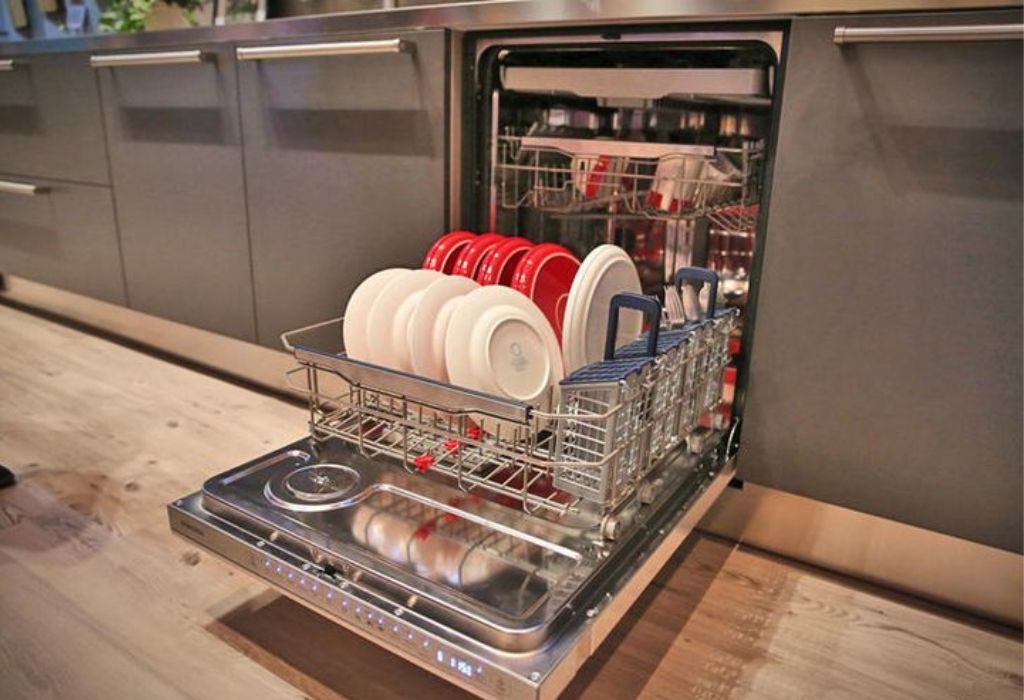
Dishwashers rely on hot water to remove food residues and grease effectively. Most modern units either heat the water internally using a built-in heating element or draw hot water directly from the home’s water supply.
This ensures that the water reaches temperatures high enough to break down grease and sanitize dishes.
Typically, dishwasher water reaches around 120–160°F (49–71°C), which is ideal for dissolving detergent and killing harmful bacteria.
Some dishwashers feature booster heaters that maintain high temperatures throughout the cycle, ensuring consistent cleaning performance from start to finish.
Cycle type also affects water temperature. Quick or light cycles use slightly lower temperatures for lightly soiled dishes, while heavy-duty or sanitize cycles reach higher temperatures to tackle stubborn food and bacteria.
Using hot water reduces the need for extra rinse cycles, saving both water and energy.
Modern dishwashers with soil sensors adjust water temperature and flow based on how dirty the dishes are. This intelligent system prevents excessive use of hot water while still maintaining effective cleaning.
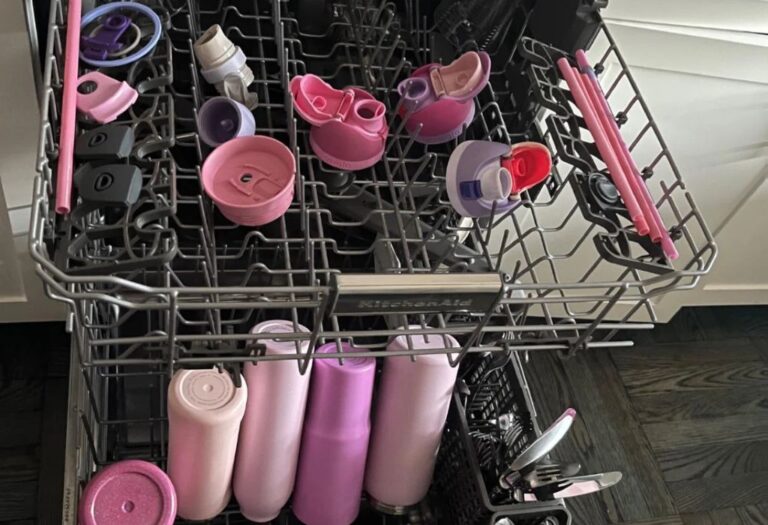
Proper loading is also important, as it allows water to reach all surfaces, making the most of every drop of hot water used.
Do all dishwashers heat water internally?
No, some rely on the home’s hot water supply while others use built-in heating elements.
What temperature does dishwasher water reach?
Typically between 120–160°F (49–71°C) for optimal cleaning.
Do heavy-duty cycles use hotter water?
Yes, they use higher temperatures to remove stubborn food and sanitize dishes.
Can soil sensors reduce hot water use?
Yes, they adjust water temperature based on how dirty the dishes are.
Does proper loading affect hot water efficiency?
Yes, correct placement allows hot water to reach all dishes efficiently.
Will using hot water save detergent?
Yes, hotter water dissolves detergent more effectively.
Do booster heaters make a difference?
Yes, they maintain high temperatures for consistent cleaning throughout the cycle.
Types of Dishwashers and Hot Water Usage
Different dishwasher models use hot water in slightly different ways. Built-in dishwashers usually connect to the home’s hot water line, while portable and countertop units often rely on internal heating elements to achieve the correct temperature.
Energy Star-certified dishwashers are optimized to use both water and energy efficiently. They heat only the water needed for cleaning and sanitizing, reducing overall energy consumption without compromising performance.
Some high-end dishwashers include dual heating elements, one for washing and one for drying, which ensures that hot water is used efficiently during all parts of the cycle.
Sensor-driven dishwashers adjust water temperature and volume based on load size and soil levels, minimizing waste. These features prevent unnecessary use of hot water while ensuring that heavily soiled dishes receive adequate heat for proper cleaning.
Older dishwasher models are generally less efficient. They may use more water and rely heavily on the home’s hot water supply to achieve the desired cleaning temperature, which can increase utility bills.
Upgrading to a modern model often reduces both water and energy consumption significantly, while delivering better cleaning results.
Do portable dishwashers use hot water differently?
Yes, many rely on internal heaters rather than the home’s hot water supply.
Are Energy Star dishwashers more efficient with hot water?
Yes, they heat only the water needed for effective cleaning.
Do dual heating elements save energy?
Yes, they optimize hot water use for both washing and drying.
Can sensor-driven dishwashers adjust hot water usage?
Yes, they regulate water temperature and flow based on load and soil levels.
Are older dishwashers less efficient with hot water?
Yes, older models often use more water and energy to achieve proper cleaning.
Does upgrading improve hot water efficiency?
Absolutely, modern dishwashers consume less water and energy while cleaning more effectively.
Benefits of Using Hot Water in Dishwashers
Hot water plays a crucial role in the cleaning performance of dishwashers. One of the primary benefits is its ability to dissolve grease and food residues more effectively than cold water.
This ensures that dishes come out spotless, without the need for multiple cycles or pre-rinsing, saving both water and energy.
Sanitation is another key advantage. Hot water helps kill bacteria and other microorganisms that may remain on dishes after washing.
Many dishwashers reach temperatures high enough to meet sanitation standards, especially during heavy-duty or sanitize cycles. This provides peace of mind for households concerned about food safety.
Detergent performance is improved with hot water. High temperatures enhance the ability of detergents to break down grease and remove stains, allowing for more efficient cleaning.
Using hot water reduces the amount of detergent needed, which can also reduce chemical runoff and environmental impact.
Hot water cycles can save time as well. Since hot water dissolves food and detergent more quickly, dishes are cleaned faster, and drying performance is improved.
Some dishwashers use booster heaters to maintain optimal temperatures throughout the cycle, ensuring consistent results.
Additionally, using hot water reduces the need for handwashing or additional rinse cycles, which in turn conserves water.
When combined with modern dishwasher features such as soil sensors and eco-friendly cycles, hot water usage is optimized, balancing cleaning power with resource efficiency.
Does hot water improve cleaning performance?
Yes, it dissolves grease and food residues more effectively than cold water.
Can hot water kill bacteria on dishes?
Yes, high temperatures help sanitize dishes and eliminate harmful microorganisms.
Does hot water enhance detergent efficiency?
Yes, it allows detergents to break down stains and grease more effectively.
Can hot water reduce detergent use?
Yes, less detergent is needed because cleaning is more efficient.
Does using hot water save time?
Yes, dishes are cleaned faster and drying performance is improved.
Do booster heaters make a difference?
Yes, they maintain high temperatures for consistent cleaning throughout the cycle.
Can hot water reduce the need for extra rinses?
Yes, it ensures dishes are clean the first time, saving water.
Comparing Hot Water vs Cold Water Cycles
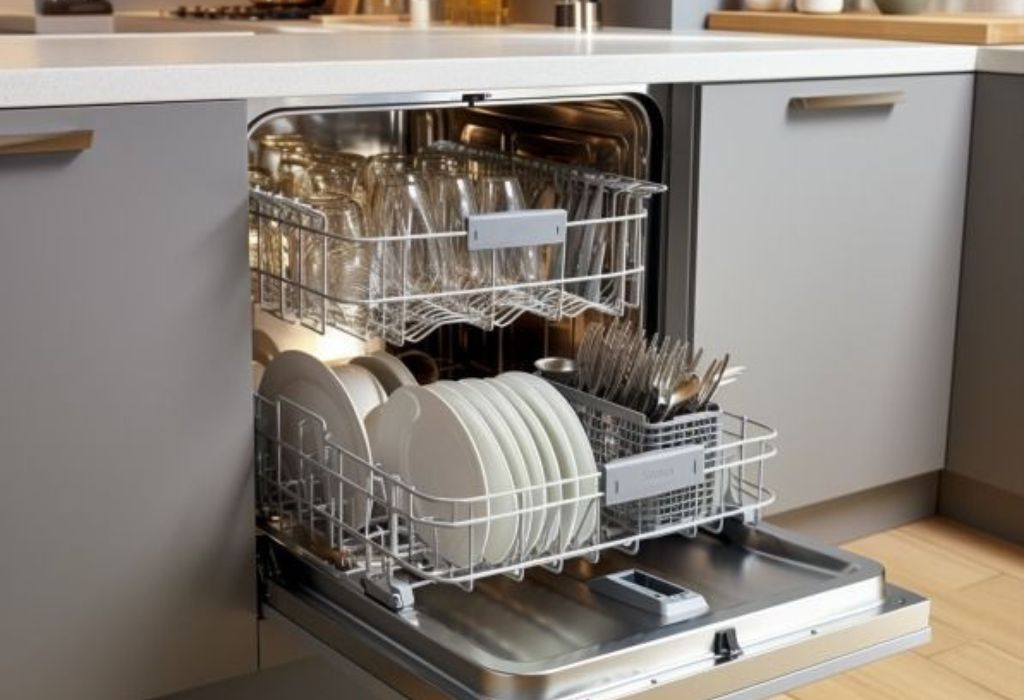
Dishwashers offer different cycle options, including those that use hot water and those that rely on lower or cold water. Understanding the differences between these cycles helps homeowners choose the most efficient option for their needs.
Hot water cycles are designed for heavily soiled dishes. They reach temperatures high enough to dissolve grease, remove stuck-on food, and sanitize dishes effectively.
These cycles typically use slightly more energy but provide superior cleaning performance, reducing the need for re-runs or pre-rinsing.
Cold water or lower-temperature cycles are best for lightly soiled dishes, such as glasses or plates with minimal residue. These cycles save energy and water but may not be sufficient for greasy pots or pans.
Using cold water cycles for heavily soiled items can lead to poor cleaning results, requiring additional cycles and negating water savings.
Eco and sensor-driven cycles balance the benefits of hot and cold water. Soil sensors detect the level of dirt on dishes and adjust water temperature and duration accordingly.
This prevents excessive hot water use while maintaining effective cleaning, offering the best combination of efficiency and performance.
Choosing the right cycle also affects detergent efficiency. Some detergents are optimized to work better at higher temperatures, making hot water cycles more effective for tough stains.
Conversely, modern detergents also perform well at lower temperatures for lightly soiled dishes, making cold water cycles viable when efficiency is a priority.
Do hot water cycles clean better than cold water cycles?
Yes, hot water dissolves grease and food more effectively.
Are cold water cycles suitable for all dishes?
No, they are best for lightly soiled dishes and may not remove heavy grease.
Do eco cycles adjust water temperature automatically?
Yes, they use sensors to optimize temperature and cycle duration based on soil levels.
Can using cold water cycles waste water?
Yes, if heavily soiled dishes need re-washing, it can increase water use.
Does hot water improve detergent performance?
Yes, detergents dissolve better and clean more effectively at higher temperatures.
Can sensor-driven cycles save energy?
Yes, they prevent unnecessary hot water use while maintaining cleaning efficiency.
Is cycle selection important for efficiency?
Yes, choosing the right cycle balances water, energy, and cleaning performance.
Tips to Optimize Hot Water Usage
Optimizing hot water usage in your dishwasher helps save energy, reduce water consumption, and maintain spotless dishes.
One of the simplest ways is to run your dishwasher only when it is full. Half loads use nearly the same amount of water and energy as full loads, making this a critical step in efficiency.
Selecting the right cycle is also essential. Use eco or energy-saving cycles for lightly soiled dishes, and reserve heavy-duty or sanitize cycles for pots, pans, and heavily soiled items. This ensures hot water is used only when necessary, preventing waste.
Proper loading is another key factor. Avoid overcrowding the dishwasher, and place dishes so that spray arms can reach all surfaces. This allows water and heat to circulate efficiently, reducing the need for extra cycles or additional rinsing.
Detergent choice can impact hot water efficiency as well. Use detergents recommended for your dishwasher, and follow manufacturer guidelines for quantity. Excess detergent can create suds that require additional rinsing, wasting hot water.
Eco-friendly detergents are often formulated to work well with lower water temperatures, which can further reduce hot water usage.
Regular maintenance is important for long-term efficiency. Clean filters, spray arms, and check seals to ensure water circulates properly and reaches all dishes. Mineral buildup or blockages can reduce cleaning performance, causing the dishwasher to use more water and energy.
Investing in a modern, Energy Star-certified dishwasher with soil sensors and efficient heating elements ensures that hot water is used intelligently. Combining these features with smart habits maximizes cleaning efficiency while minimizing resource consumption.
Can running full loads save hot water?
Yes, it maximizes water efficiency and reduces the number of cycles needed.
Do eco cycles use less hot water?
Yes, they optimize temperature and duration for lightly soiled dishes.
Does proper loading improve efficiency?
Yes, it allows water and heat to reach all surfaces efficiently.
Can detergent choice affect hot water use?
Yes, using the correct detergent prevents extra rinses and wasted hot water.
Does regular maintenance save water and energy?
Yes, clean filters and spray arms ensure optimal circulation and efficiency.
Do Energy Star dishwashers use hot water more efficiently?
Yes, they combine sensor technology and optimized heating for maximum efficiency.
Is cycle selection important for saving hot water?
Yes, using the right cycle ensures water and energy are used effectively.
Environmental Impact of Hot Water Usage
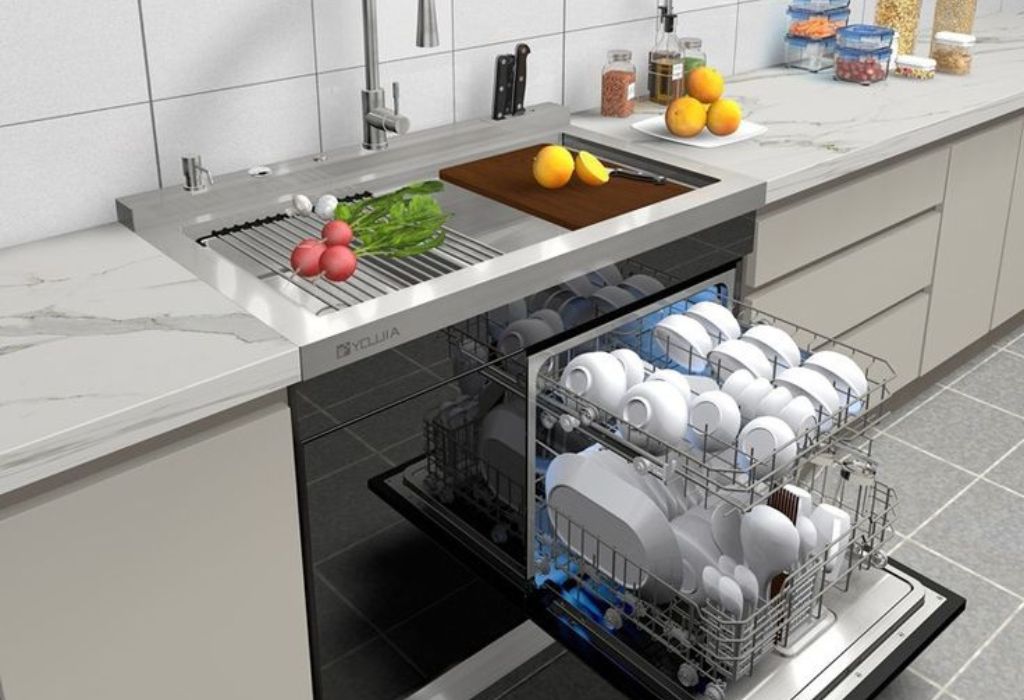
Using hot water in dishwashers has both benefits and environmental considerations. While hot water ensures dishes are cleaned thoroughly and sanitized, heating water consumes energy, which can contribute to household energy use and greenhouse gas emissions.
Understanding this impact helps homeowners make smarter choices to balance cleanliness with sustainability.
Modern dishwashers are designed to minimize environmental impact by using energy-efficient heating elements and optimizing water temperature for each cycle.
Eco and sensor-driven cycles adjust water usage based on load size and soil level, reducing unnecessary energy consumption. This ensures that hot water is used efficiently, minimizing waste while maintaining effective cleaning.
Efficient dishwashers not only reduce water consumption but also lower energy usage, decreasing the carbon footprint of your household.
By heating only the necessary amount of water and using intelligent cycles, they help conserve resources while still providing spotless, sanitized dishes.
Choosing detergents compatible with eco and lower-temperature cycles can further reduce the environmental impact. Using these products allows for effective cleaning without requiring excessive hot water, reducing energy consumption.
Regular maintenance is another factor in sustainability. Clean filters, spray arms, and interior components ensure the dishwasher operates efficiently, avoiding repeated cycles that would waste water and energy.
Adopting smart habits, such as running full loads, selecting the correct cycle, and using proper detergents, helps households reduce both water and energy use.
Over time, these practices significantly lower utility costs and contribute to environmental conservation, making dishwasher use both practical and responsible.
Does using hot water affect energy consumption?
Yes, heating water uses electricity or gas, contributing to household energy use.
Can eco cycles reduce environmental impact?
Yes, they optimize water and energy usage while maintaining cleaning performance.
Do efficient dishwashers lower carbon footprint?
Yes, they use less water and energy, reducing overall household emissions.
Can detergents influence environmental efficiency?
Yes, eco-friendly detergents allow effective cleaning at lower temperatures.
Does maintenance affect sustainability?
Yes, clean filters and spray arms prevent wasted cycles and unnecessary energy use.
Do full loads save energy and water?
Yes, running a full dishwasher maximizes efficiency and minimizes waste.
Are sensor-driven dishwashers more eco-friendly?
Yes, sensors adjust water temperature and duration based on load, saving resources.
Conclusion
Understanding how dishwashers use hot water is essential for achieving clean, sanitized dishes while conserving energy and water. Hot water helps dissolve grease, remove stubborn food residues, and kill bacteria, ensuring that every load is hygienically clean.
Choosing the right dishwasher, cycle, and detergent can optimize hot water usage. Energy Star-certified models, soil sensors, and eco cycles allow the appliance to adjust temperature and water flow based on load size and soil levels.
This reduces energy consumption and prevents unnecessary water waste.
Proper loading and maintenance further enhance efficiency. Arranging dishes correctly allows hot water to reach all surfaces, while cleaning filters and spray arms ensures consistent performance.
Regular upkeep prevents blockages that could cause the dishwasher to run extra cycles, conserving both water and energy.
Adopting smart habits—such as running full loads, using the appropriate cycle, and skipping unnecessary pre-rinsing—maximizes efficiency while minimizing environmental impact. These small changes can save water, reduce utility bills, and lower your household’s carbon footprint.
By combining modern technology with mindful usage, homeowners can enjoy sparkling dishes, cost savings, and a more sustainable household. Efficient use of hot water in dishwashers is a simple yet powerful way to maintain cleanliness while protecting the environment.

I’m Emma J. Caldwell, the founder, lead writer, and home-cooking enthusiast behind KitchenGuideCo.com. With a background in culinary arts and over a decade of cooking experience in both professional and personal kitchens, I created this platform to demystify recipes, offer smart kitchen gadget reviews, and guide readers through meal prep with confidence and clarity.