Standing water in your dishwasher can be frustrating, especially when it prevents proper cleaning and creates unpleasant odors. Water backups occur when drainage is hindered by clogs, blockages, or mechanical failures.
Understanding the root cause of the problem is essential for restoring normal operation and preventing future issues.
A dishwasher relies on several components to drain water efficiently, including the filter, drain hose, garbage disposal connection, air gap, and drain pump.
Any obstruction or malfunction in these areas can cause water to accumulate at the bottom. Identifying the exact cause allows homeowners to apply the correct fix without unnecessary repairs.
Proper drainage is not only about convenience; it also affects hygiene and appliance longevity. Water left in the dishwasher can lead to mold growth, foul odors, and corrosion over time.
By addressing the issue promptly, you can maintain a clean and healthy dishwasher while protecting your kitchen and flooring from water damage.
This article provides a step-by-step guide to draining dishwasher water, identifying common causes of backups, and preventive tips to keep your appliance functioning efficiently.
Whether you prefer DIY solutions or need professional help, these strategies will help you solve water backup problems and maintain optimal performance.
Common Causes of Dishwasher Water Backup
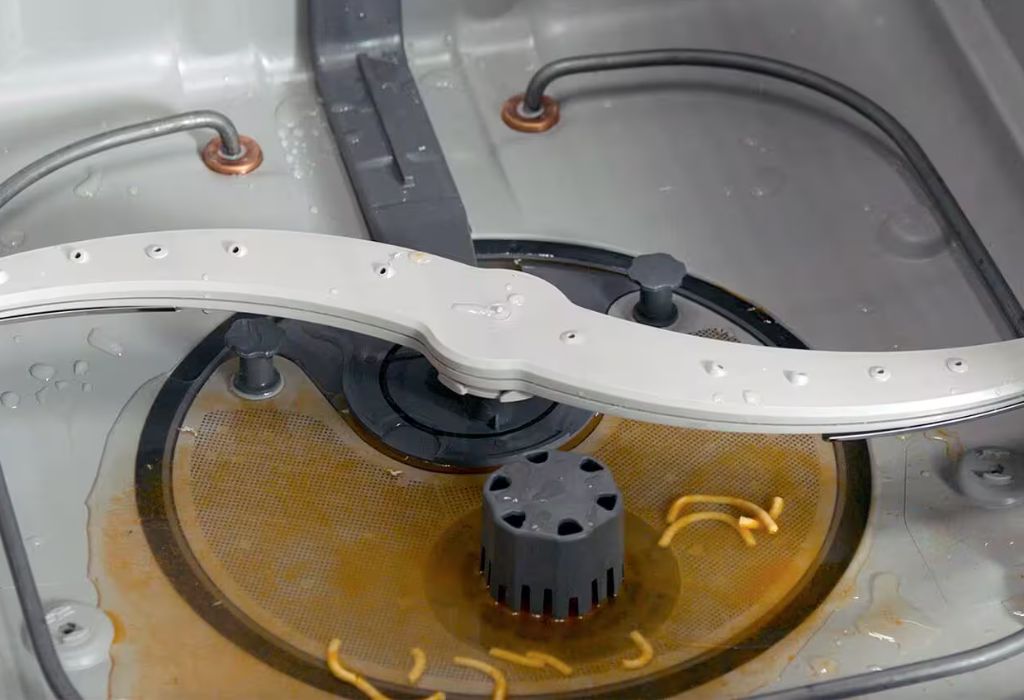
Water backups in dishwashers often result from a few common problems. Understanding these causes helps homeowners troubleshoot effectively and prevent recurring issues.
One of the most frequent causes is a clogged dishwasher filter. Over time, food particles, grease, and soap residue can accumulate in the filter, restricting water flow and preventing proper drainage.
If left uncleaned, this can lead to standing water at the bottom of the dishwasher and reduce cleaning efficiency.
A blocked drain hose is another common culprit. The drain hose carries wastewater from the dishwasher to the sink or garbage disposal.
If the hose is kinked, bent, or clogged with debris, water cannot flow freely, causing backups. Proper positioning with a high loop or air gap is essential to maintain efficient drainage.
Issues with the garbage disposal or sink connection can also cause water to back up. Many dishwashers drain into a garbage disposal unit, and if it becomes clogged or partially blocked, water may flow backward into the dishwasher.
Similarly, an improperly installed or blocked air gap can prevent wastewater from exiting, leading to pooling at the bottom.
Mechanical problems, such as a faulty drain pump, can prevent water from being expelled properly. The pump pushes water out of the dishwasher during the drain cycle, and if it fails due to damage, obstruction, or electrical issues, water remains in the appliance.
Improper installation, including an unlevel dishwasher or incorrect hose placement, can also interfere with drainage. Even minor tilts or improper hose loops can prevent water from draining fully, causing backups.
Can a clogged filter cause water backup?
Yes, a dirty or blocked filter restricts water flow and can leave water at the bottom.
Can a drain hose cause standing water?
Yes, kinks, clogs, or improper placement can prevent water from draining.
Do garbage disposal issues affect dishwasher drainage?
Yes, blockages in the disposal can cause water to back up into the dishwasher.
Can a faulty drain pump cause water to remain?
Yes, a damaged or obstructed pump cannot expel water effectively.
Does installation affect drainage?
Yes, an unlevel dishwasher or incorrect hose loop can cause water to pool.
Can a blocked air gap cause water backup?
Yes, it prevents wastewater from exiting, leading to standing water.
Is food debris a common problem?
Yes, leftover food, grease, and soap buildup can obstruct drainage.
Checking the Dishwasher Filter
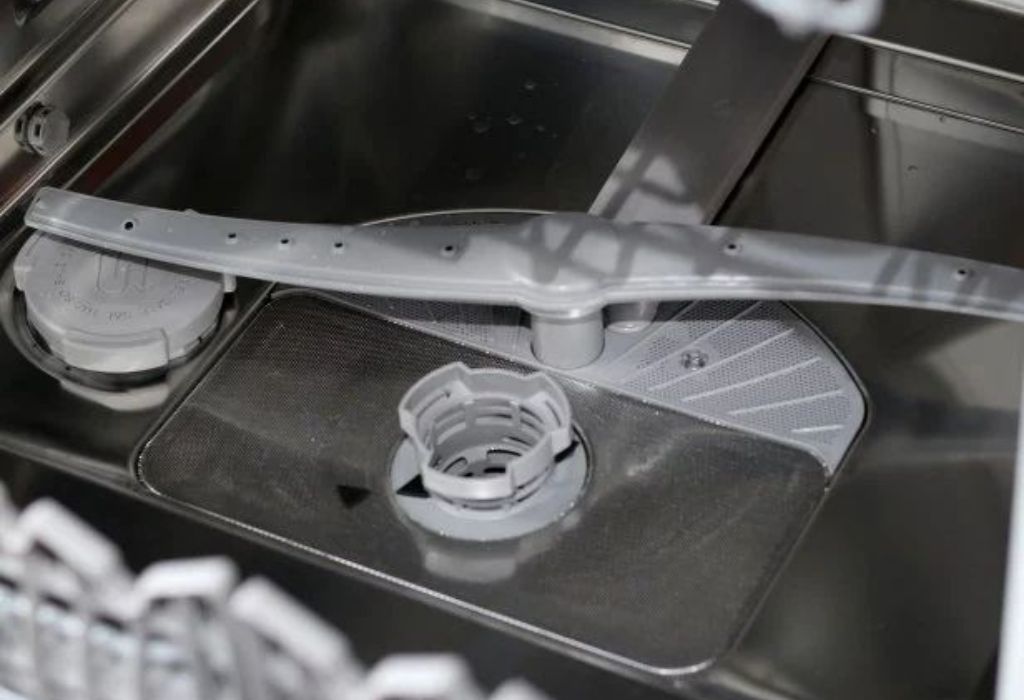
The dishwasher filter is designed to trap food particles and prevent them from circulating back onto your dishes. Over time, this filter can become clogged with debris, restricting water flow and causing water to remain at the bottom of the appliance.
To check the filter, start by removing the bottom rack of your dishwasher. Locate the filter, usually near the drain at the bottom, and carefully remove it.
Rinse the filter under warm running water to remove trapped food and residue. For stubborn debris, use a soft brush to gently scrub the mesh or screen.
Ensure the filter is reinstalled properly after cleaning. A misaligned filter can obstruct drainage and reduce the dishwasher’s cleaning efficiency. Regularly inspecting and cleaning the filter prevents clogs, improves water flow, and ensures dishes come out spotless.
Routine cleaning of the filter is a simple step that can save you from more complex drainage issues down the line. Most manufacturers recommend cleaning the filter at least once a month, but heavily used dishwashers may require more frequent maintenance.
Inspecting the Drain Hose
The drain hose carries wastewater from the dishwasher to the sink or garbage disposal. If the hose is kinked, bent, or clogged, water may not drain properly, leaving standing water at the bottom of the dishwasher.
To inspect the hose, first unplug the dishwasher and turn off the water supply. Detach the hose from both the dishwasher and the sink or disposal connection.
Check for any visible damage, kinks, or debris inside the hose. Flush the hose with water to remove minor clogs, and use a flexible brush if necessary.
Ensure the hose is reconnected securely, with a proper high loop or connected to an air gap. This prevents water from backflowing into the dishwasher and ensures efficient drainage. Avoid sharp bends or tight loops in the hose, as they can restrict water flow.
Regular inspection of the drain hose can prevent many common drainage problems. Replacing worn or damaged hoses helps maintain proper water flow and avoids persistent water backups.
Properly positioning the hose also improves overall dishwasher efficiency and extends the life of the appliance.
Clearing the Garbage Disposal Connection
Many dishwashers drain into a garbage disposal unit. If the disposal becomes clogged or partially blocked, water can back up into the dishwasher, causing standing water at the bottom.
To check the connection, first turn off the power to the garbage disposal. Inspect the disposal for debris, such as food scraps or grease buildup, which can restrict water flow.
Running the disposal briefly can help break up small blockages, but larger obstructions may require manual removal.
Also, check that the dishwasher drain hose is properly connected to the disposal. If the dishwasher is newly installed, ensure the knockout plug in the disposal has been removed; forgetting this step will prevent proper drainage.
Maintaining the garbage disposal and keeping the drain path clear can prevent recurring water backups. Avoid pouring grease, coffee grounds, or large food particles down the sink to reduce the risk of clogs. Regular use and cleaning of the disposal help maintain smooth water flow from the dishwasher.
Can a clogged garbage disposal cause dishwasher water backup?
Yes, blockages in the disposal can prevent water from exiting the dishwasher efficiently.
Do I need to remove the knockout plug for new installations?
Yes, failure to remove it will block water flow and cause backups.
Cleaning the Air Gap
An air gap is a small device, usually mounted near the sink, that prevents dirty water from siphoning back into the dishwasher. If the air gap becomes clogged with food particles, soap residue, or grease, it can restrict water flow and cause standing water at the bottom of the dishwasher.
To clean the air gap, remove the cover and cap. Use a small brush or pipe cleaner to remove debris from the interior, and run water through the gap to flush out any remaining particles. Reassemble the air gap properly after cleaning to ensure it functions correctly.
Proper installation is also crucial. The air gap should be positioned above the sink with no kinks or sharp bends in the connecting hoses. This setup allows water to exit the dishwasher efficiently while preventing backflow from the sink or garbage disposal.
Regular inspection and cleaning of the air gap can prevent drainage issues, reduce odors, and maintain overall dishwasher efficiency. It’s a simple maintenance step that can save you from more complex plumbing problems.
Testing the Drain Pump
The drain pump is responsible for expelling water from your dishwasher during and after each cycle. If the pump malfunctions, water can remain at the bottom, causing standing water and reducing cleaning efficiency.
To test the pump, first turn off the power to the dishwasher. Listen during the draining cycle— a properly functioning pump produces a consistent humming or whirring sound. If you hear unusual noises or nothing at all, the pump may be blocked or damaged.
Obstructions such as broken glass, food debris, or small utensils can jam the pump impeller. Removing these items can restore proper function.
In some cases, electrical faults, such as damaged wiring or a malfunctioning control board, may prevent the pump from operating. If cleaning does not resolve the issue, the pump may need replacement or professional repair.
Regular maintenance, such as checking for debris near the drain and careful loading of dishes, helps prevent pump problems.
Avoid placing small items in the dishwasher that could fall into the drain and obstruct the pump. Keeping the drain pump clear ensures proper drainage and prolongs the life of the appliance.
Can a faulty drain pump cause water to remain?
Yes, if the pump is blocked or damaged, it cannot remove water effectively.
Can debris jam the pump impeller?
Yes, broken glass, utensils, or food particles can block the pump.
Do electrical issues affect the pump?
Yes, wiring or control board faults can prevent the pump from operating.
Manual Water Removal Methods
If water remains at the bottom of your dishwasher, removing it manually can prevent damage and odors while you address the underlying issue. Start by turning off the dishwasher and unplugging it from the power source for safety.
Use a small cup or container to scoop out the standing water carefully. For larger amounts, a wet/dry vacuum can efficiently remove water and reduce the risk of spills. Avoid pouring additional water into the dishwasher while it is blocked, as this may worsen the problem.
Once the majority of water is removed, inspect the filter, drain hose, and air gap for debris that may be restricting flow. Clearing any visible obstructions can prevent water from pooling again. After cleaning, reinstall all components properly and ensure hoses are positioned correctly.
After removing the water, you can run a short cycle without dishes to test whether drainage has been restored. If water still remains, further inspection of the pump, hoses, or garbage disposal may be necessary.
Manual water removal is a practical first step that allows you to clean the dishwasher safely and check for potential blockages before attempting more complex repairs or calling a professional.
Preventive Maintenance Tips
Regular maintenance is key to preventing dishwasher water backups and keeping your appliance running efficiently.
Start by cleaning the filter regularly to remove trapped food particles and debris. A clean filter ensures proper water flow and reduces the risk of standing water.
Inspect the drain hose periodically for kinks, bends, or damage. Make sure it is positioned correctly with a high loop or connected to an air gap to prevent backflow. Replace any worn or damaged hoses promptly to maintain efficient drainage.
Check the air gap and garbage disposal connection regularly for debris buildup. Running the garbage disposal with plenty of water before starting the dishwasher helps maintain a clear drain path. Avoid pouring grease or large food scraps down the sink to prevent blockages.
Occasionally run maintenance cycles with dishwasher-safe cleaners to remove grease, soap scum, and mineral deposits. This helps keep internal components, including the drain pump and spray arms, free from buildup that could cause water backups.
Proper loading also contributes to preventive care. Avoid overcrowding, arrange dishes so water can circulate freely, and scrape off large food particles before loading. These simple habits reduce the risk of clogs and maintain optimal cleaning performance.
Finally, ensure the dishwasher is level and installed according to the manufacturer’s guidelines. Proper installation supports effective drainage and prevents standing water, odors, and potential damage.
By following these preventive tips, you can minimize the risk of water accumulation, extend the life of your dishwasher, and maintain consistently clean dishes.
When to Call a Professional
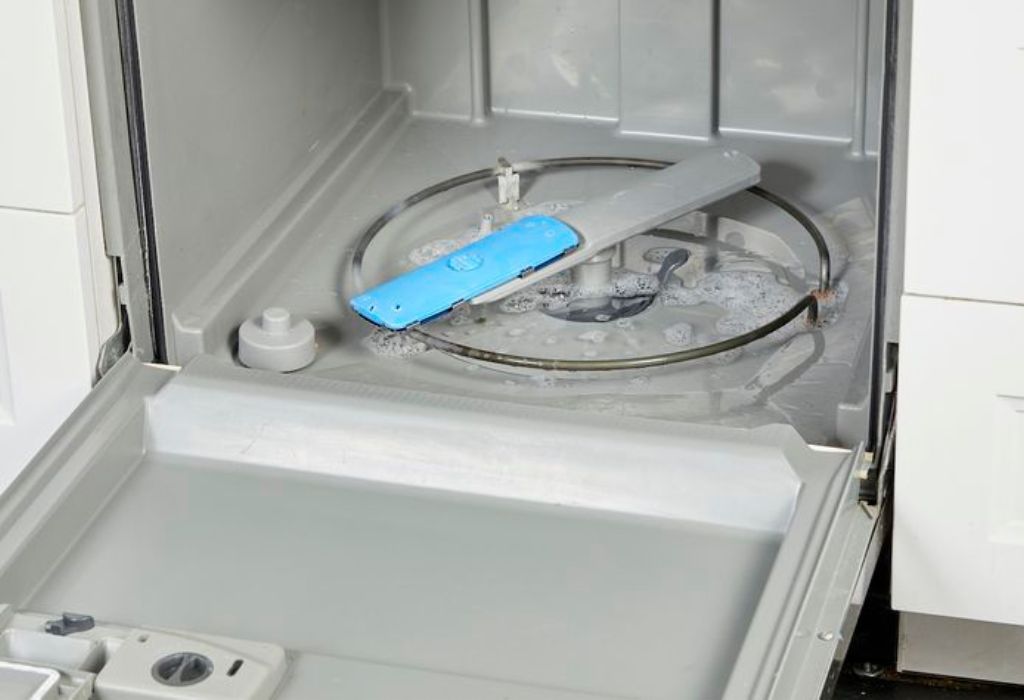
While many dishwasher drainage issues can be resolved with basic troubleshooting and maintenance, some problems require professional attention.
If water continues to pool at the bottom despite cleaning the filter, clearing hoses, and checking the air gap, it may indicate a more serious mechanical or electrical problem.
Faulty drain pumps, damaged wiring, or malfunctioning control boards are examples of issues that typically require a trained technician. Attempting to repair these components without proper knowledge can lead to further damage or safety hazards.
If you notice persistent odors, repeated water backups, or unusual noises during the drain cycle, it is advisable to contact a professional. They can accurately diagnose the cause of the backup, replace faulty parts, and ensure that your dishwasher is functioning safely and efficiently.
Additionally, if your dishwasher is older and frequently experiences drainage problems, a professional can assess whether repair or replacement is the most cost-effective solution.
Proper evaluation can save time, prevent damage to your kitchen, and extend the life of your appliance.
Calling a professional when necessary ensures that drainage problems are resolved correctly, giving you peace of mind and maintaining the cleanliness and performance of your dishwasher.
Conclusion
Water pooling at the bottom of your dishwasher is a common problem that can result from clogged filters, blocked drain hoses, air gap issues, garbage disposal backups, or faulty pumps.
Identifying the root cause is essential to restore proper drainage and maintain optimal cleaning performance.
Regular maintenance, such as cleaning the filter, inspecting hoses, and keeping the air gap and garbage disposal clear, can prevent many drainage issues. Proper loading habits and occasional dishwasher cleaning cycles also contribute to efficient operation and help avoid water accumulation.
For mechanical or electrical problems, such as a malfunctioning drain pump or damaged control board, professional assistance may be necessary. Addressing serious issues promptly prevents further damage, ensures safety, and prolongs the life of your dishwasher.
By following preventive care and troubleshooting strategies, homeowners can maintain a dishwasher that drains efficiently, cleans effectively, and lasts longer.
Prompt attention to minor issues, combined with routine maintenance, ensures clean dishes, reduces odors, and protects your appliance and kitchen from water-related damage.

I’m Emma J. Caldwell, the founder, lead writer, and home-cooking enthusiast behind KitchenGuideCo.com. With a background in culinary arts and over a decade of cooking experience in both professional and personal kitchens, I created this platform to demystify recipes, offer smart kitchen gadget reviews, and guide readers through meal prep with confidence and clarity.