Finding a pool of water at the bottom of your dishwasher feels stressful, but the cause is usually simple and close at hand. Most backups come from a clogged filter, a greasy disposal inlet, a kinked or gunked-up drain hose, or a dirty air gap.
With a calm, stepwise plan you can clear the blockage quickly and safely. Start by removing the standing water so you can see what you are doing. Then open the sump, clean the filter, clear the sink-side path, and flush the hose.
Finish with a short drain test to prove the fix. Add a few small habits and you will keep the drain path clear so this problem does not return.
How the Dishwasher Drain Path Works
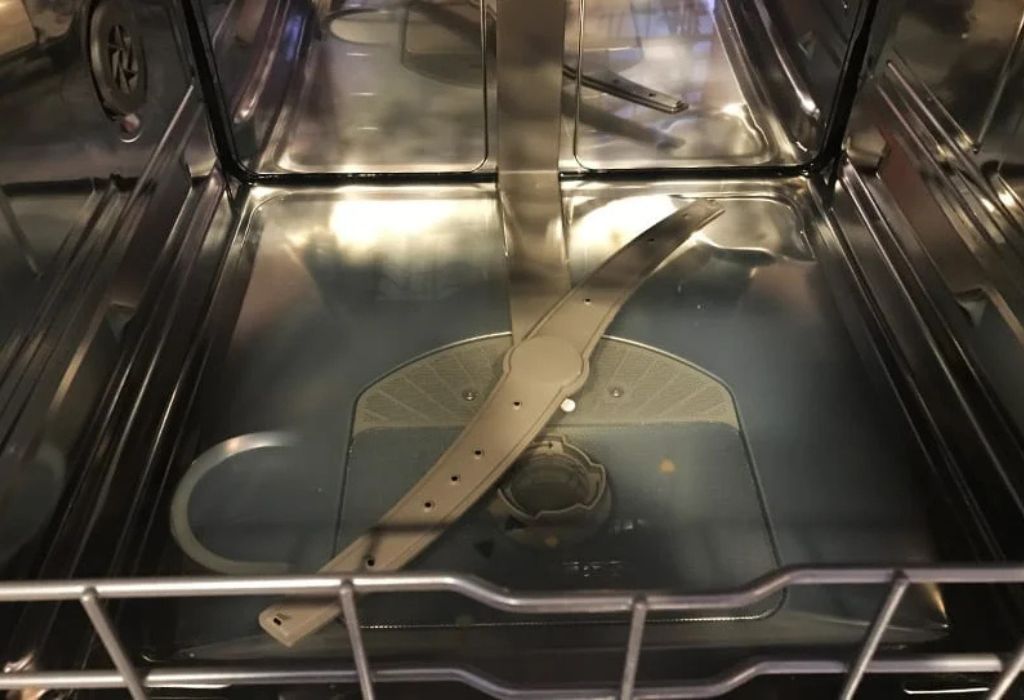
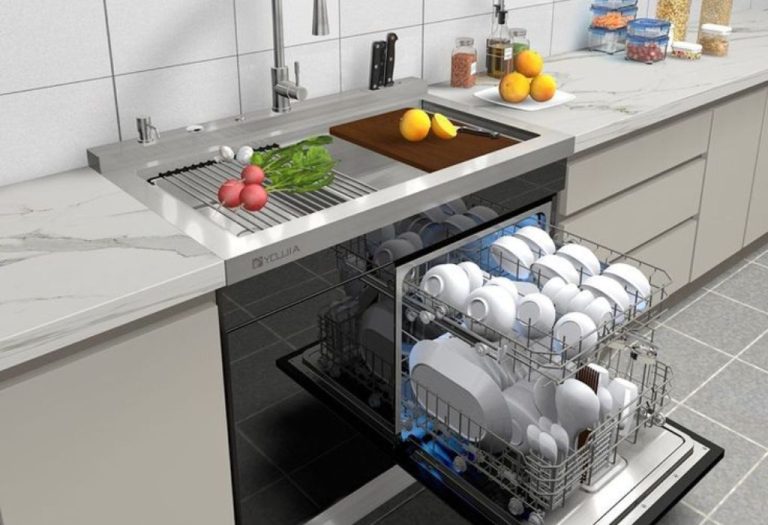
Your dishwasher collects wash water in the sump, pushes it through spray arms, then sends it to the drain through a small pump. That pumped water exits via the drain hose and enters either the garbage disposal inlet or a sink tailpiece.
An air gap on the sink deck or a high loop under the counter prevents dirty sink water from flowing backward. If any part of this path is blocked or kinked, water will sit in the tub after the cycle.
Knowing these checkpoints helps you work efficiently. Sump and filter first. Disposal or sink inlet next. Air gap or high loop after that. Drain hose end to end. Pump test last.
Safety First and Smart Preparation
Cut power before you touch anything. Unplug the dishwasher under the sink or switch off the breaker. You will be near wet parts and a pump that can start automatically.
Close the dishwasher water supply valve if you plan to loosen hoses. Lay towels on the cabinet floor and keep a shallow pan or bucket close by for surprise drips.
Wear rubber gloves and keep a flashlight handy. Snap quick photos of hose routing and clamp positions so reassembly is easy and accurate later.
Tools and Supplies You Will Actually Use
A Phillips screwdriver and a flat screwdriver handle most panels and clips. An adjustable wrench and tongue-and-groove pliers help with clamps and fittings.
For water removal, use a cup and a small bucket. A wet-dry vacuum with a narrow nozzle speeds up the last puddles and cleans around the sump edge.
Cleaning tools are simple. An old toothbrush, a small bottle brush, paper towels, and a couple of new stainless clamps are plenty. A dishwasher cleaner or descaler helps for a maintenance run after the fix.
Remove the Standing Water Cleanly
Slide out the bottom rack and set it on a towel. Use a cup to bail water from the low points of the tub into your bucket.
Work gently around the filter cover so you do not push debris deeper into the sump. When only a thin layer remains, switch to a wet-dry vacuum to pull the last puddles.
Avoid pouring extra water into the tub to “flush” the clog. With the path blocked, you can force debris deeper or overflow the cabinet. A nearly dry work area makes the next steps faster and cleaner.
Open the Sump and Deep-Clean the Filter
Most machines use a two-stage filter system. Twist out the fine cylindrical filter, then lift the flat coarse screen. Keep trapped debris from falling back into the sump.
Rinse both filters under warm water. Scrub the mesh with a soft brush until light passes cleanly through. While they soak, shine a flashlight into the sump opening and remove labels, seeds, rice, pasta, bone shards, or glass flecks.
Some models have a small guard over the pump inlet held by one or two screws. If yours does, remove it carefully, check the impeller cavity, and rotate the impeller gently with a plastic tool. It should turn freely without scraping.
Reinstall the guard. Reseat the coarse screen and twist-lock the fine filter until it clicks. A properly seated filter protects the pump and restores strong flow.
Clear the Garbage Disposal Inlet or Sink Tailpiece
Many dishwashers drain into the side of a garbage disposal. If the disposal was installed recently and the internal knockout plug was not removed, the dishwasher cannot drain at all.
Loosen the clamp at the disposal’s dishwasher inlet. Pull the hose free and aim it into a small bucket. Inspect the inlet with a flashlight. Remove the plastic knockout disk if present. Scrape away greasy sludge and run the disposal with cold water for ten seconds to flush the chamber.
If your machine drains to a sink tailpiece, loosen that clamp and remove the hose. Clean the small barb with a bottle brush. Grease and pulp often constrict this fitting. Reattach the hose loosely for now. You will tighten it after you confirm strong flow.
Clean the Air Gap or Set a True High Loop
Look for a small chrome or plastic cap on the sink deck. That is the air gap. It prevents dirty sink water from back-siphoning into the dishwasher and often clogs with grease and fibers.
Pop off the cap and inner cover. Use a pipe cleaner or small bottle brush to loosen debris while trickling warm water through the opening. Keep a towel ready because loosened gunk will exit from the side port.
If you do not have an air gap, the drain hose must rise into a high loop under the countertop before it drops to the disposal or tailpiece. Secure the loop high to the underside of the counter. A sagging hose invites backflow and leaves standing water after cycles.
Inspect and Flush the Drain Hose End to End
Follow the hose from the dishwasher to the sink connection. Straighten kinks, relieve tight bends, and move stored items that crush the hose.
With the sink end still loose, lower the hose into a bucket. If you have a wet-dry vacuum, seal the nozzle to the hose and pull air for several seconds to dislodge debris. Follow with a warm water pour to verify a clear stream.
If you suspect a clog mid-run, disconnect the hose at the dishwasher end as well. Carry it to a tub or outdoors and run warm water through it. A narrow bottle brush helps with sticky sludge. Replace the hose if it is crushed, brittle, cracked, or stubbornly blocked.
Test the Drain Pump the Right Way
Restore power at the outlet or breaker. Close the dishwasher door and press Cancel or Drain if your model offers it. Many units will run the drain pump for one to two minutes.
Watch the sink connection for a strong, steady discharge. Listen for a smooth hum or soft whir from the pump. Inside the machine, the floor should finish nearly dry with only a thin sheen near the sump.
If you hear the motor but see weak flow, recheck the hose routing, air gap, and disposal inlet. If the pump is silent, the impeller may be jammed, a connector may be loose, or the pump winding may have failed. Remove the toe-kick panel only if you are comfortable, then inspect for obstructions and verify the pump connector is seated.
Run a Short Proof Cycle
With everything reassembled loosely, pour about one liter of warm water into the tub so the sump is covered. Start a quick rinse or short wash, then cancel after thirty to sixty seconds to trigger the drain.
You should see a strong stream at the sink and a nearly dry tub floor when the pump stops. If flow is solid, snug all clamps and wipe the cabinet dry. If not, repeat the checkpoints in order: filter and sump, disposal or tailpiece inlet, air gap or high loop, hose continuity, pump operation.
Signs Your Fix Worked And How To Monitor
A clear drain leaves the tub floor almost dry at the end of a cycle, with only a thin sheen near the sump. When you open the door, you should feel gentle warmth, not humid, sour air. Glassware will be free of film or gritty residue, and the machine will not smell like old water.
Listen during the final minutes. A healthy pump makes a steady hum, then ramps down cleanly. You should not hear repeated start-stop clicking, long pauses, or gurgling from the sink that suggests a partial blockage.
At the sink, the disposal or tailpiece should accept the discharge without backing up into the basin.
For the next week, run normal full loads and do a quick end-of-cycle glance. If water reappears intermittently, note patterns. Standing water after heavy, greasy loads points to filter maintenance; water after light loads can indicate an air gap or hose routing issue.
Water that creeps back hours after a successful drain often signals backflow through the hose or a weeping inlet valve rather than a true clog.
Keep the easy habits going. Rinse the filter under warm water once this week, run the disposal ten seconds before each cycle, and verify the high loop is still secured under the counter.
These tiny checks confirm that the path you just cleared stays clear, so you do not end up repeating the job.
Prevent the Problem From Returning
Clean the filter monthly under warm water. It takes two minutes and keeps recirculation fast and clear.
Run the garbage disposal with cold water for about ten seconds before every dishwasher cycle. This clears the shared outlet so the dishwasher has somewhere to send its water.
Check the hose routing whenever you reorganize the cabinet. Confirm the high loop is secure and nothing is pressing the hose into a kink. Small adjustments here prevent most backups.
Costs, Parts, And When Replacement Makes Sense
Most unclog fixes are nearly free. Filters clean with warm water, air gaps clear with a brush, and hose kinks cost nothing to correct. Even a new drain hose is inexpensive, and fresh clamps are pocket change that buy peace of mind at the fittings.
Pump issues change the math. A replacement drain pump is still a moderate part on many models and can be installed with basic tools, but add time and care.
If your machine is older, noisy, or has multiple symptoms like poor wash plus poor drain, you might be stacking repairs.
In those cases, compare the pump cost and your time with the price of a modern efficient unit that will use less water and energy every week.
Factor in hidden costs. A slow leak under the sink can swell cabinet floors, and repeated rewashes burn your time and utilities. If you are replacing the hose or pump anyway, consider a quick descaler cycle after reassembly so the heater and spray system start fresh.
The goal is not just to remove today’s puddle but to reset the machine to reliable, low-cost operation for the next few years.
Smart Loading and Prep Habits
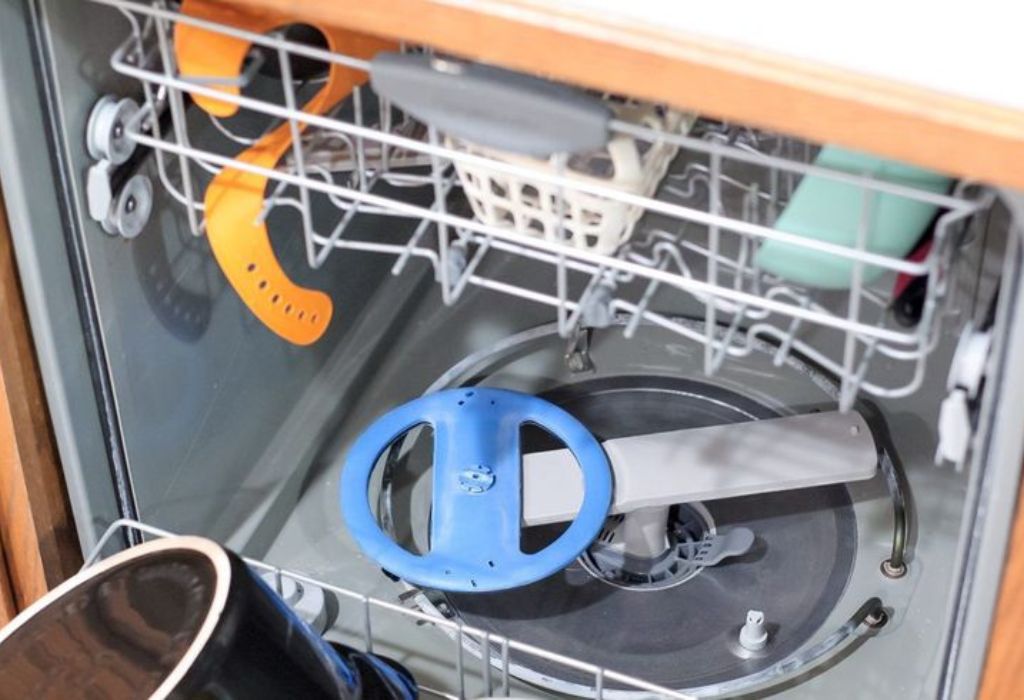
Scrape solids into the trash. You do not need to pre-rinse, but avoid sending seeds, toothpicks, fruit labels, and stringy scraps into the machine.
Use the cutlery basket or a mesh cup for small lids and utensils. These items can slip under the filter and jam the pump or lodge in the hose.
Do not overload the bottom rack around the sump area. Keep a clear space so water can move freely toward the filter during drain.
Seasonal Maintenance That Pays Off
Once a season, run a maintenance cycle with a dishwasher cleaner or a manufacturer-approved descaler if you have hard water. This removes film and mineral scale that slow flow.
Pop off the spray arms if your model allows and rinse them. Clear blocked nozzles with a wooden toothpick, not metal. Restored jet pressure improves cleaning and helps the pump move water efficiently.
Wipe door gaskets and the sump rim so seals stay tight. A clean, well-seated seal keeps heat and flow where they belong and discourages odors.
When It Is More Than a Simple Clog
If water returns after you have cleared the filter, hose, air gap, and disposal inlet, consider a few less common faults.
A stuck check valve near the pump outlet can let water trickle back after the cycle. A warped rubber flapper may need replacement. A weeping inlet valve can let fresh water seep into the tub between cycles, slowly refilling it.
Control issues can interrupt the drain phase or cut power to the pump. If cycles run unusually long or buttons behave erratically, consult your manual for diagnostics or call a technician.
Quick-Help Answers for Stuck Dishwasher Drains
Why is there standing water in my dishwasher after a cycle?
Usually a clogged filter or sump, a blocked disposal inlet, a kinked or gunked drain hose, a dirty air gap, or a jammed drain pump.
What should I check first to fix it fast?
Cut power, remove the bottom rack, bail the water, clean the filter and sump, then check the disposal inlet and air gap.
Do I need to remove the knockout plug on a new disposal?
Yes. If the knockout is still inside the disposal’s dishwasher inlet, your dishwasher cannot drain at all.
How do I know if the drain hose is the problem?
Look for kinks or crushed spots, confirm a high loop under the counter, and flush the hose end to end to verify clear flow.
Is a little water at the bottom normal?
A thin puddle over the sump can be normal. A wide pool covering the tub floor means a drain restriction.
Can I use a wet dry vacuum to remove the water?
Yes. Bail with a cup first, then use the vacuum at the sump edge to clear the last puddles safely.
Should I pour boiling water into the tub to clear clogs?
No. You can push debris deeper or damage parts. Manually clear the filter, sump, air gap, and hose.
Do I need to pre rinse dishes to prevent future clogs?
No. Scrape solids, avoid seeds and labels, and let modern detergent handle soil. Pre rinsing wastes water.
What quick test proves the drain is fixed?
Add about one liter of warm water, run rinse, then cancel to trigger drain. You should see a strong discharge and a nearly dry tub.
When should I call a technician?
If standing water persists after clearing filter, hose, air gap, and disposal inlet, or if the pump is silent, overheats, or trips off.
Conclusion
Most dishwashers with standing water are fixed with patient basics. Remove power, bail the tub, and clean the filter and sump. Open and clear the disposal or tailpiece inlet.
Clean the air gap or secure a true high loop. Flush the drain hose from end to end. Test the pump and prove the flow with a short rinse and drain.
Lock in the win with light upkeep. Rinse the filter monthly, run the disposal briefly before each cycle, and keep the hose high and unkinked. Avoid sending seeds, labels, or string into the machine, and give it a seasonal cleaner run to keep scale at bay.
If the tub still fills or the pump stays silent after these steps, a technician can quickly check the pump, valve, and control board. Once the path is clear and the parts are sound, your dishwasher will drain quickly, smell clean, and finish every cycle without leaving a puddle behind.

I’m Emma J. Caldwell, the founder, lead writer, and home-cooking enthusiast behind KitchenGuideCo.com. With a background in culinary arts and over a decade of cooking experience in both professional and personal kitchens, I created this platform to demystify recipes, offer smart kitchen gadget reviews, and guide readers through meal prep with confidence and clarity.