You load your Bosch dishwasher, press Start, and walk away expecting the quiet, efficient cleaning the brand is known for. But a thought crosses your mind — does the dishwasher actually heat the water, or does it depend entirely on your home’s hot-water line?
This is one of the most common questions among Bosch owners, and the answer highlights the advanced engineering behind these machines.
Bosch dishwashers feature a built-in flow-through water heater that warms water internally to the exact temperature needed for perfect cleaning, sanitizing, and drying.
Unlike older models that rely solely on the household hot-water supply, Bosch controls every aspect of the washing cycle to ensure consistency, efficiency, and hygiene.
Whether your home water temperature fluctuates or you’re connected to a cold line, Bosch dishwashers automatically adjust using intelligent sensors that monitor and regulate heat levels in real time. The result is spotless dishes, lower energy use, and optimal performance every time.
This article explores how Bosch’s internal heating technology works, why it’s more efficient than traditional methods, and what makes it a standout feature in modern dishwashers.
When Quiet Cleaning Meets Smart Heating Technology
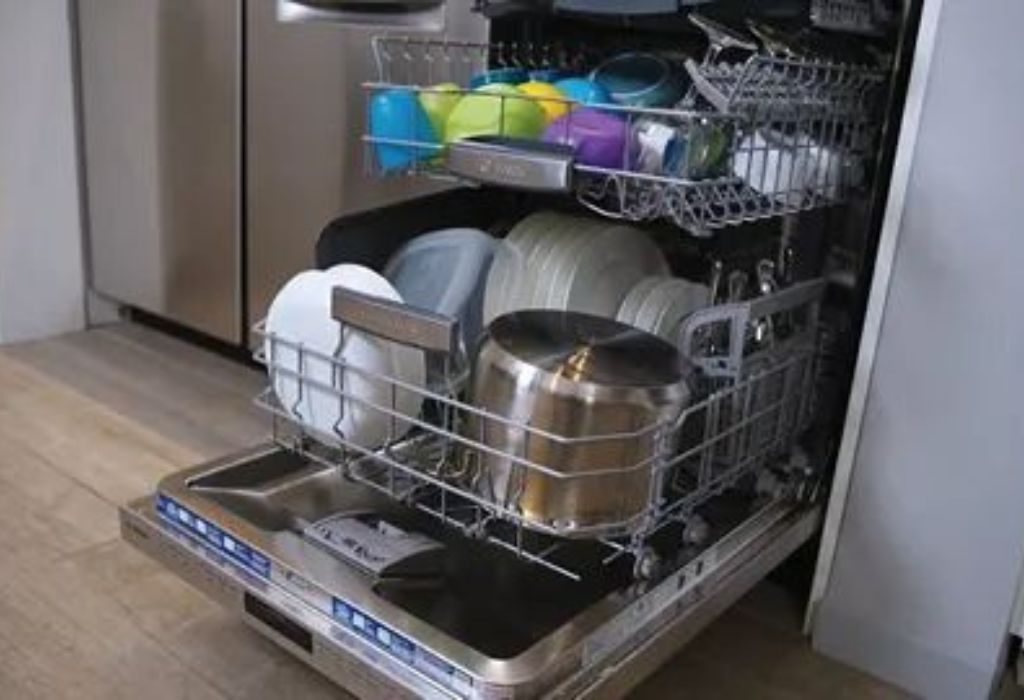
You load your Bosch dishwasher after dinner, add detergent, and hit start. Within moments, the gentle hum begins — that signature quiet performance Bosch is famous for. Yet while it runs, one question lingers in your mind: does this machine actually heat the water on its own?
Bosch dishwashers are engineered with built-in heating systems that make them among the most efficient and precise appliances in modern kitchens. Unlike older machines that rely entirely on household hot-water supply, Bosch models combine internal heating elements with intelligent temperature control to deliver perfectly calibrated cleaning power.
This self-regulating system means that even if your tap water is cool, the dishwasher can warm it to the ideal temperature for dissolving grease, activating detergent enzymes, and killing bacteria. It does all of this quietly, efficiently, and without wasting a single drop of water.
Understanding how this process works gives you insight into why Bosch dishwashers consistently earn top energy-efficiency ratings and why their cleaning performance remains unmatched across different environments and water conditions.
How Bosch Manages Water Temperature Efficiently
Bosch dishwashers are designed to deliver reliable temperature control during every phase of cleaning. The machine begins by drawing water from the household supply line, which may vary in temperature depending on season or plumbing distance.
To ensure consistency, the dishwasher uses a flow-through water heater, a compact stainless-steel system that heats water as it moves through. This method is faster and more efficient than traditional base heating elements.
Sensors inside the appliance measure the incoming temperature and signal the heater to adjust in real time. This allows the dishwasher to maintain between 120°F and 155°F (49°C to 68°C) depending on the selected wash cycle.
Whether your home’s water heater is slow to respond or located far away, Bosch guarantees that every load receives the exact heat level needed for proper sanitation and detergent activation. The result is spotless cleaning without wasting energy.
The Role of the Flow-Through Heater
Traditional dishwashers rely on exposed heating rods at the bottom of the tub. Bosch took a more sophisticated approach. Its flow-through heater system keeps the element enclosed, circulating water through a small chamber for rapid heating.
This design prevents direct contact between the heater and dishes, protecting delicate items from melting or warping. It also eliminates the bubbling and hissing noises found in many other machines, keeping Bosch’s operation whisper-quiet.
Because the heater is sealed, it avoids detergent buildup and mineral deposits, ensuring long-term reliability. The system also uses less power since it heats only the volume of water required rather than the entire basin.
This technology is central to Bosch’s reputation for energy efficiency and consistent temperature control. The heater works seamlessly with internal sensors, delivering heat only when needed.
Temperature Control During Different Wash Cycles
Bosch dishwashers customize water temperature depending on the cycle chosen. Each program has specific heating patterns that optimize both cleaning performance and energy consumption.
In the Normal cycle, water reaches around 130°F for most of the wash, then rises to 150°F for rinsing. The Heavy cycle pushes temperatures higher, reaching up to 155°F to remove grease and baked-on food.
For the Eco mode, the temperature stays closer to 120°F, reducing electricity usage while maintaining cleaning through longer wash times. The Quick Wash setting shortens cycle duration but compensates with higher spray pressure instead of heat.
Throughout every program, sensors continually track temperature and adjust the heater’s power output. This precision ensures that detergent dissolves fully, glassware stays protected, and no bacteria remain after drying.
Bosch’s ability to balance performance and efficiency makes it one of the most environmentally responsible brands in the industry.
Why Bosch Uses Internal Heating
Relying solely on a home water heater can create inconsistency. Long pipe runs or variable temperatures mean the dishwasher might receive cooler water than intended. Bosch eliminates this issue by incorporating its own heating mechanism.
This system ensures that even in cold-water environments, the dishwasher performs to full capacity. It heats water only when necessary, saving energy while maintaining high cleaning standards.
This approach originated from European market requirements, where many homes connect dishwashers to cold-water lines only. Bosch’s internal heater made those systems viable without sacrificing performance.
By adapting that same design for global use, Bosch created machines that remain efficient regardless of plumbing setup. That’s why its dishwashers perform equally well in apartments, large houses, and commercial kitchens.
How Internal Heating Improves Energy Efficiency
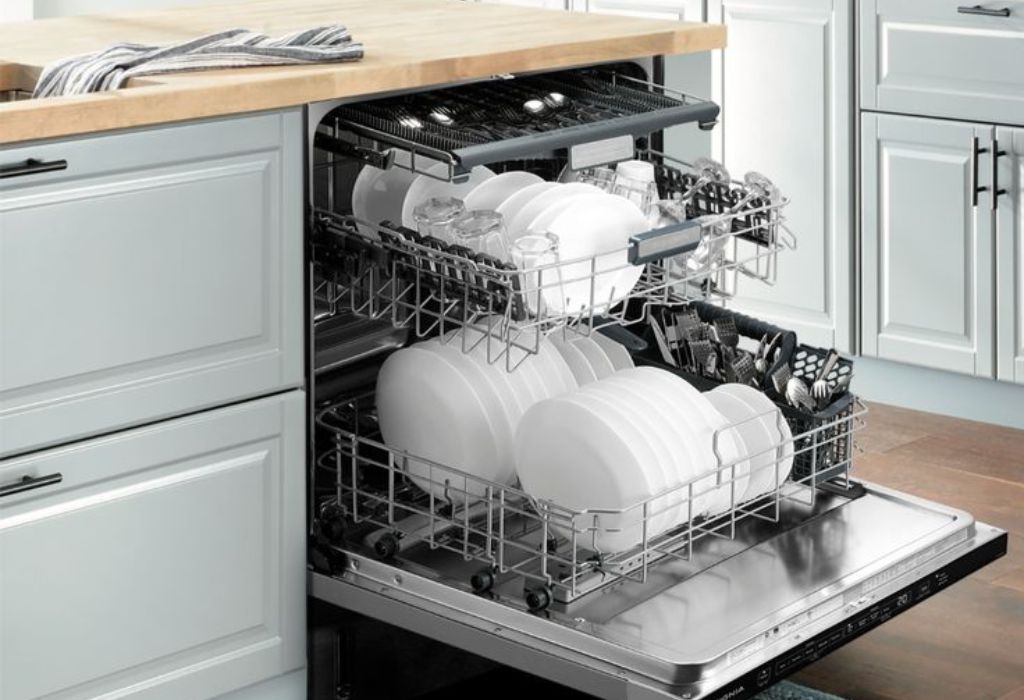
Bosch dishwashers are Energy Star certified for good reason. Their ability to heat water internally allows them to control energy usage more precisely than external systems can.
Instead of relying on a large household water heater, Bosch warms only the exact amount of water required per phase. The result is a measurable reduction in both water and electricity consumption.
The flow-through heater eliminates standby heat loss, a problem common in tank systems where water cools between uses. This method, combined with optimized cycle timing, makes Bosch one of the greenest choices available today.
Every heating sequence is carefully calibrated by onboard sensors and microprocessors to match load size and soil level. That means no wasted energy, faster cleaning, and consistent results.
Common Misconceptions About Bosch Dishwashers
Many owners believe their Bosch dishwasher depends entirely on hot water from the tap. In reality, it uses both external and internal heat sources.
Another misconception is that higher temperature cycles waste energy. Bosch designs its heaters to operate in short, efficient bursts, meaning higher heat doesn’t necessarily mean higher cost.
Some users also assume connecting Bosch to a cold line damages performance. While cycle times may increase slightly, the integrated heater ensures cleaning quality remains excellent.
By understanding these details, owners can optimize setup and get the best from their investment. Bosch’s combination of engineering and efficiency provides dependable cleaning under any condition.
Do Bosch dishwashers heat water automatically?
Yes. All modern Bosch models include built-in heating systems that regulate temperature internally.
Can Bosch operate with cold-water connection only?
Yes, but it will take slightly longer to complete each cycle as the heater compensates for lower temperature.
Is it better to connect Bosch to hot water?
Connecting to hot water can reduce cycle time slightly and minimize the energy used by the internal heater.
Does Bosch heat water during drying?
Yes. The heater also raises rinse temperature to speed evaporation during the drying phase.
Will running Bosch on cool water affect cleanliness?
No. Bosch’s heater ensures optimal cleaning temperature regardless of initial water temperature.
How Bosch Sensors Regulate Water Temperature
Each Bosch dishwasher contains multiple sensors that monitor temperature, water clarity, and pressure. These sensors communicate with the control board, ensuring precise adjustments at every stage.
When the dishwasher detects cooler water than expected, it signals the heater to activate instantly. As soon as the target temperature is reached, the system stabilizes and holds that level throughout the wash.
During rinse cycles, additional sensors ensure the temperature stays within sanitization thresholds. This prevents energy waste and guarantees hygienic results.
The same feedback system works for drying. By maintaining higher rinse temperatures, Bosch allows dishes to dry naturally without requiring extreme heat, protecting delicate materials like crystal or thin glass.
This level of smart regulation is a hallmark of Bosch engineering — precise, automatic, and effortless for the user.
Comparing Bosch Heating to Other Brands
Bosch’s flow-through heater stands apart from the exposed coil designs used by many competitors. Brands using base elements often suffer from uneven heating, longer cycles, and higher energy draw.
Bosch’s closed-system design ensures consistent temperature and protects dishes from direct heat exposure. This feature also makes Bosch dishwashers safer for washing plastics and heat-sensitive utensils.
Additionally, Bosch machines recover heat between cycles, capturing warmth from the rinse to reduce total consumption. Competing brands frequently vent that heat instead, wasting energy.
These engineering advantages make Bosch a leader in both performance and efficiency categories worldwide.
Is Bosch’s heating technology safer for plastics?
Yes. Because the heating element is enclosed, it prevents direct exposure that could warp plastic containers.
Do other brands offer similar flow heaters?
Few do. Bosch pioneered this feature and continues refining it for higher efficiency.
Can Bosch maintain heat better than older models?
Yes. Modern Bosch dishwashers use advanced sensors that continuously regulate water temperature for consistent cleaning.
Will Bosch’s heating system reduce energy bills?
Over time, yes. It consumes only as much power as needed for the specific load and temperature setting.
Is it necessary to pre-rinse dishes before using Bosch?
No. The powerful combination of heat and water pressure removes residue without pre-washing.
Maintenance Tips to Keep the Heater Working Properly
Like any appliance, the heater inside your Bosch dishwasher benefits from simple maintenance. Hard water minerals can accumulate over time, forming scale that insulates the heating surface.
Running a descaling cycle monthly with vinegar or a Bosch-approved cleaner prevents buildup. Always ensure filters are clean so water flows freely through the heater.
If you notice longer cycle times or lukewarm water, check for clogs near the inlet valve or temperature sensor malfunctions. These issues are often simple to fix and restore full heating performance.
Proper maintenance not only extends the life of your dishwasher but also ensures consistent cleaning quality year after year.
Energy and Environmental Benefits
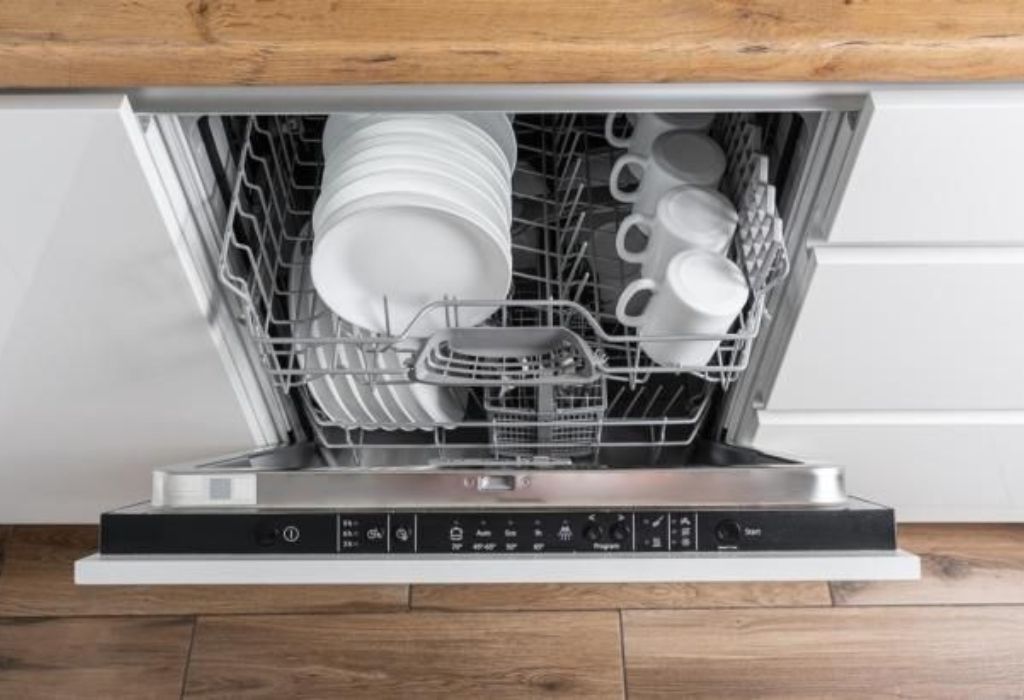
Bosch dishwashers reflect the company’s broader commitment to sustainability. By heating water only when necessary and recycling residual heat between stages, they reduce overall household energy demand.
This approach aligns with modern environmental goals by cutting CO₂ emissions associated with overuse of hot-water systems. The average Bosch dishwasher uses less than 3.2 gallons (12 liters) per cycle — far below manual washing methods.
Even small adjustments, like connecting to warm water or running full loads, multiply these energy savings. The internal heater plays a vital role by maintaining optimal temperature with minimal waste.
Owning a Bosch dishwasher isn’t just about convenience — it’s a sustainable choice that reflects intelligent engineering and environmental responsibility.
Conclusion
Bosch dishwashers do far more than clean dishes; they orchestrate a carefully controlled cycle of temperature, water pressure, and timing. Their internal flow-through heater ensures that every load receives the precise warmth needed for detergent activation and sanitation.
Unlike traditional dishwashers, Bosch never relies solely on external hot-water supply. It senses, heats, and adjusts automatically, guaranteeing consistent results in every kitchen environment.
This innovation combines convenience with efficiency, saving energy without compromising performance. Whether connected to cold or hot water, your Bosch always achieves the perfect wash.
With quiet operation, intelligent heating, and long-term durability, Bosch continues to define what a premium dishwasher should be — clean, efficient, and remarkably precise.

I’m Emma J. Caldwell, the founder, lead writer, and home-cooking enthusiast behind KitchenGuideCo.com. With a background in culinary arts and over a decade of cooking experience in both professional and personal kitchens, I created this platform to demystify recipes, offer smart kitchen gadget reviews, and guide readers through meal prep with confidence and clarity.