You finally bought a new dishwasher. The delivery team leaves, the manual is on the counter, and the plumbing lines stare back at you — one hot, one cold. The question is simple yet critical: which one should you connect to?
Homeowners ask this every day because the answer seems inconsistent. Some machines rely on the home’s hot-water line, while newer models like Bosch or Miele heat water internally. Connecting to the wrong line can waste energy, extend cycle times, or even damage the appliance.
A dishwasher’s efficiency depends heavily on water temperature. Too cold, and detergent fails to dissolve; too hot, and sensitive plastics warp. Manufacturers now design machines with intelligent heating systems that decide how to use available water efficiently.
In this complete guide, you’ll learn whether your dishwasher needs hot or cold water, how modern heating technology works, and the right way to connect it for maximum performance, safety, and longevity.
Understanding How Dishwashers Use Water
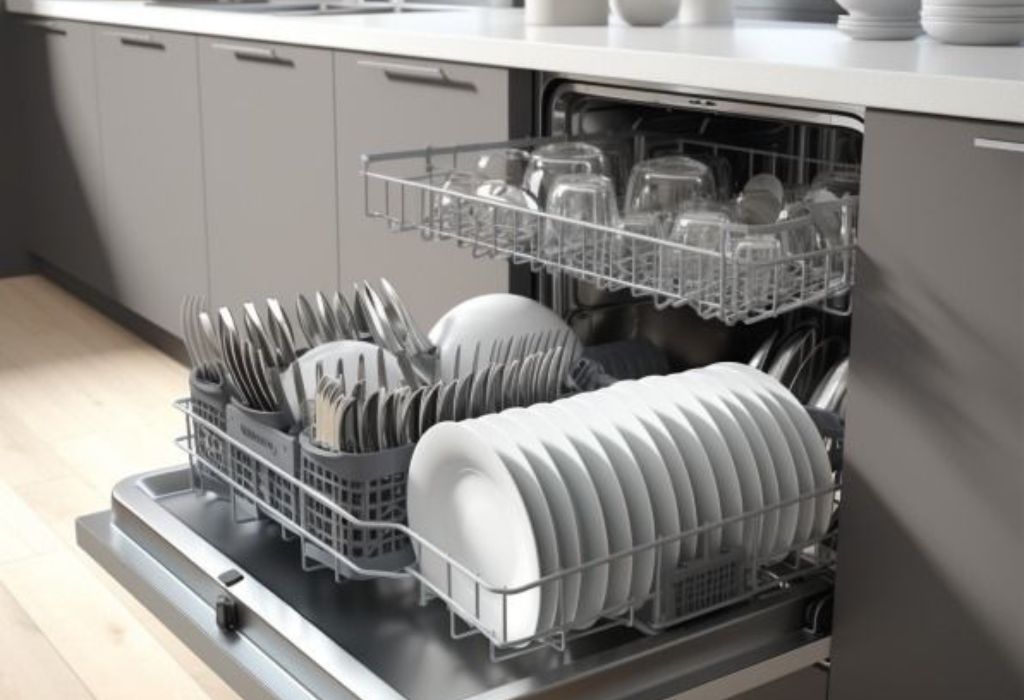
Dishwashers rely on water not just for rinsing but as the main cleaning medium. During a wash cycle, water mixes with detergent, circulates through high-pressure spray arms, and dissolves grease and residue.
Traditionally, dishwashers were connected to the hot-water line because older models lacked internal heaters. They depended on the home’s water heater to deliver 120 °F – 150 °F (49 °C – 65 °C).
Modern designs have changed that. Most current dishwashers, especially European ones, include built-in heating elements or flow-through heaters that raise water temperature independently.
This innovation means you can connect to either line, but the correct choice still depends on your dishwasher’s design, water-heater efficiency, and household energy plan. Understanding that interaction helps you choose correctly.
Hot-Water Connection — The Traditional Approach
Connecting a dishwasher to hot water was once the industry norm. The reasoning was simple: pre-heated water reduces cycle times and saves internal energy.
When hot water flows directly into the machine, the wash cycle starts at the right temperature almost instantly. The detergent dissolves quickly, food loosens easily, and drying efficiency improves.
However, hot-water connections have drawbacks. If the water heater is far from the kitchen, heat loss occurs through the pipes, forcing the dishwasher to run longer. In homes with old plumbing, that wasted heat can increase utility costs.
Additionally, excessively hot supply — above 150 °F (65 °C) — can soften gaskets, warp plastic dishes, and damage sensors. Manufacturers now design machines to heat moderate-temperature water themselves for better control.
Cold-Water Connection — A Modern Energy-Efficient Choice
Cold-water connections are becoming common, especially in Europe and regions promoting energy efficiency.
Dishwashers with integrated flow heaters take cold water and heat it precisely to the required temperature. Because the process occurs inside the appliance, heat loss through pipes is eliminated.
This approach is highly efficient when paired with renewable-energy sources or off-peak electricity. It also protects delicate plastics from overly hot household water.
The only disadvantage is time. Heating cold water internally can lengthen cycles slightly. Still, because the heating is controlled and localized, total energy use remains lower in most cases.
How Modern Dishwashers Handle Both Hot and Cold Supply
Most new dishwashers can accept either connection safely. They include thermostats and sensors that adapt to the incoming water temperature.
If connected to hot water, they reduce internal heating demand. If connected to cold water, they simply extend the heating phase.
Manufacturers like Bosch, Siemens, and Samsung design appliances that automatically detect the supply condition and adjust cycle timing for optimal results.
This flexibility allows homeowners to connect based on energy source: use hot water if you have solar heating or efficient gas systems; use cold water if electricity is cheaper or if you want total temperature control inside the machine.
Can I connect a dishwasher to cold water only?
Yes. Most modern units heat water internally, ensuring perfect cleaning even with cold supply.
Is it better to use hot water for faster washing?
Yes, slightly faster cycles result, but overall energy savings may be smaller.
Can hot water damage my dishwasher?
If hotter than 150 °F, it may harm seals and electronics. Always follow the manufacturer’s range.
Do all brands support cold-water connection?
European brands typically do; some older American models still recommend hot water.
What happens if water is too cold?
Cycles may lengthen as the dishwasher heats water longer to reach required temperatures.
The Role of Built-In Heating Elements
Inside every modern dishwasher is a heating element that maintains water temperature. In advanced models, this element sits in a sealed metal tube known as a flow-through heater.
It activates during wash and rinse stages, ensuring detergent enzymes reach full potency. The heater also warms the final rinse to improve drying performance.
This design replaces dependence on home water systems and improves efficiency. Unlike base heating coils that expose dishes to high heat, Bosch-style enclosed heaters operate silently and safely.
Such systems ensure perfect cleaning results even when supplied with cold water, making installation simpler and safer in a wide variety of homes.
Energy Efficiency Considerations
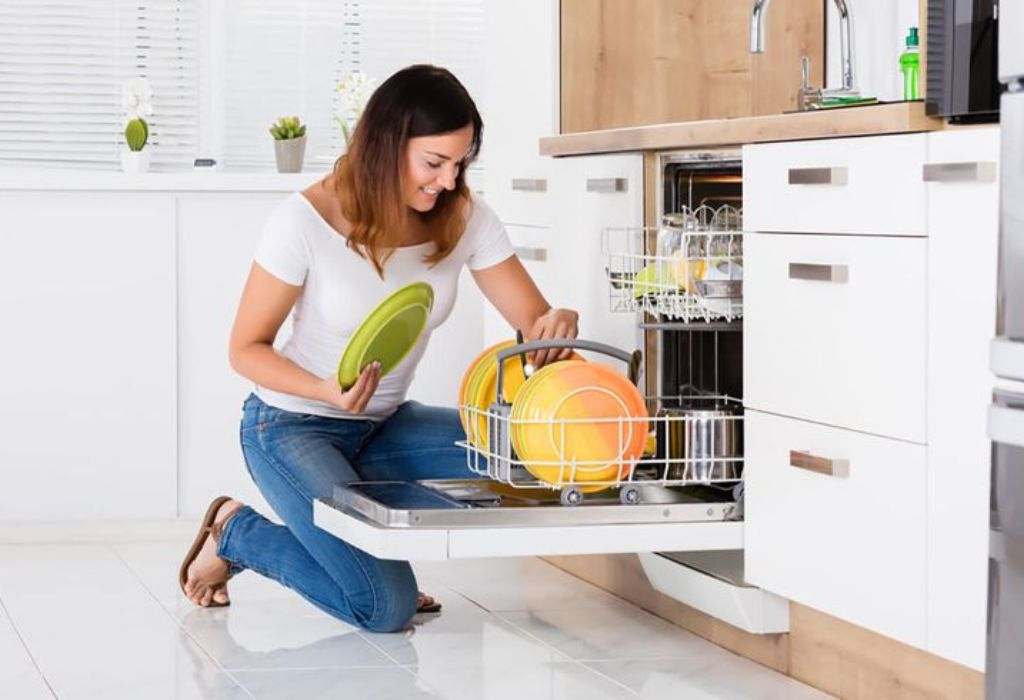
Whether you choose hot or cold water, energy efficiency depends on total system design. If your home water heater is gas-powered and located near the kitchen, using hot water can be efficient.
However, if your heater is electric or far away, cold water is usually better. The dishwasher’s internal heater uses energy only for the exact volume needed, avoiding heat loss through plumbing.
Energy Star–rated dishwashers, including most Bosch and Whirlpool models, optimize performance under either setup. They rely on sensors and algorithms to balance time, temperature, and pressure for minimal resource use.
The key is consistency: connecting to the line that provides stable temperature and pressure ensures reliable cleaning without waste.
Installation Guidelines for Proper Connection
Connecting a dishwasher correctly prevents leaks and optimizes performance. Always check your user manual first — it specifies whether your unit prefers hot or cold supply.
For hot-water connection, ensure the water heater is set to around 120 °F (49 °C). Install an approved braided stainless-steel hose rated for hot water.
For cold-water connection, use a standard supply hose and allow for slightly longer cycle times. Avoid mixing lines or connecting both, as it confuses temperature sensors.
Run the water line with a high loop or air gap to prevent backflow contamination. Tighten all fittings securely but do not overtighten, as this can crack plastic inlets.
Proper installation guarantees safety, hygiene, and optimal heating performance throughout the dishwasher’s life.
Does every dishwasher need hot water?
No. Most newer models have internal heating elements that make external hot water optional.
Will using cold water save electricity?
Often yes, because it avoids standby losses from the home’s water heater.
How can I tell if my dishwasher heats its own water?
Check the manual for terms like “flow heater,” “heating element,” or “auto temperature control.”
Is there a water-temperature limit for dishwashers?
Typically 120 – 150 °F (49 – 65 °C); above that may void warranty coverage.
Can I connect through a mixing valve?
Yes, but it must provide consistent pressure and prevent cross-contamination of hot and cold lines.
Common Mistakes Homeowners Make
The most frequent mistake is connecting both hot and cold lines simultaneously. Dishwashers are designed for a single dedicated supply.
Another error is attaching to an unregulated hot source exceeding manufacturer limits. This can cause permanent gasket and seal damage.
Using low-quality hoses or neglecting thread-seal washers leads to leaks over time. Always use approved fittings and check connections annually.
Lastly, many homeowners skip pre-flushing lines. Let water run for a few seconds before starting a new dishwasher to ensure the first fill isn’t cold. Small details like this prevent energy waste and guarantee consistent cleaning.
Environmental Impact and Water Usage
Dishwashers today use less than five gallons of water per cycle — far less than hand washing. The heating method you choose affects overall sustainability.
Cold-water connections rely on localized electric heating, which can be powered by renewable energy. Hot-water connections depend on the household heater, which may use gas or electricity depending on region.
Choosing the setup that matches your most efficient energy source minimizes environmental footprint. Either way, modern dishwashers remain greener than manual washing, thanks to precise temperature regulation and water recycling inside each cycle.
Maintenance Tips for Long-Term Performance
To keep your dishwasher performing efficiently, descale it monthly with white vinegar or an approved cleaner. Mineral buildup can reduce heating efficiency.
Check the inlet screen and hose for sediment, especially if you use a hot-water connection. Replace hoses every five years to prevent leaks.
Always clean the filter and spray arms regularly. Heat efficiency depends on proper water flow; blockages make cycles longer and consume more power.
Finally, run full loads whenever possible. The dishwasher uses nearly the same energy per cycle regardless of quantity, so maximize each run for sustainability.
Can improper water connection void warranty?
Yes, if installation doesn’t follow manufacturer recommendations.
Should I hire a plumber for installation?
Yes, especially if you’re unsure about water-pressure requirements or local codes.
Does hard water affect heating?
Yes, mineral scale reduces heater efficiency — use a softener if necessary.
How often should I descale my dishwasher?
Once a month in hard-water areas, every two months otherwise.
What’s the safest temperature setting for my water heater?
Around 120 °F (49 °C) balances cleaning efficiency and safety.
Comparing Dishwasher Water Connections Across Brands
Different manufacturers take distinct approaches to water-line design. Bosch, Miele, and Siemens dishwashers are engineered to run efficiently on cold water because of their internal flow heaters. This design suits energy-efficient European standards where dishwashers heat only the water they need.
On the other hand, brands such as Whirlpool, LG, and GE still recommend connecting to hot water for faster cycles and improved drying. Their heating elements maintain temperature rather than raising it from cold.
Understanding brand-specific recommendations is essential when replacing an older unit or upgrading your kitchen. Always verify your user manual before installation — even small differences in design can change which line is ideal. Matching the right connection to the brand ensures cleaner dishes, lower bills, and maximum product lifespan.
How Water Pressure and Temperature Affect Cleaning
Beyond connection type, water pressure and temperature stability also influence dishwasher performance. Most dishwashers require a steady 20–120 PSI (1.4–8 bar) pressure range.
Low pressure leads to poor spray action, leaving residue behind, while excessive pressure risks leaks or valve damage.
Temperature plays a supporting role. If your water heater fluctuates widely, cycles may run longer as the dishwasher compensates for inconsistent input. Installing a pressure regulator or thermostatic mixing valve ensures balanced delivery.
Monitoring these two variables keeps internal sensors accurate, prevents premature wear, and guarantees the dishwasher’s heater works efficiently. Consistent water quality and pressure translate directly to consistently clean dishes.
Future Trends — Smart Dishwashers and Adaptive Heating
Dishwashers are evolving quickly, and the line between “hot” and “cold” connection preferences is disappearing. Newer smart dishwashers feature adaptive sensors that automatically select the most efficient heating pattern based on inlet temperature and load size.
These models connect seamlessly to either water line, using algorithms to determine the lowest-cost and fastest cycle each time. Some can even sync with smart thermostats or solar-power systems to run when renewable energy is available.
In the near future, we’ll see dishwashers capable of learning household patterns — adjusting water heating and cycle length to minimize both carbon footprint and energy bills. Choosing the correct connection today sets the foundation for these next-generation, eco-responsive appliances tomorrow.
Conclusion
Choosing whether to connect your dishwasher to hot or cold water isn’t just a plumbing detail — it directly affects cleaning performance, energy use, and the appliance’s lifespan.
In older dishwashers, hot water was essential because they lacked built-in heating systems. But modern models, especially from brands like Bosch, Miele, and Whirlpool, come with advanced flow heaters that heat water internally to the exact temperature needed.
That means connecting to either line can work, depending on your home setup and efficiency goals.
If your water heater is close to the kitchen and runs on gas, using the hot-water line can slightly shorten cycle times and reduce electrical load.
However, if your heater is electric, located far from the kitchen, or you rely on renewable power, connecting to the cold-water line is usually smarter. The dishwasher’s internal system will heat water efficiently without wasting energy in transit through long pipes.
Regardless of your choice, installation quality matters more than temperature source. Using the right hose type, proper fittings, and an air gap or high-loop prevents leaks and backflow contamination.
Regular descaling and maintenance keep the heating element and sensors functioning efficiently for years.
Ultimately, both connections can produce spotless results if the dishwasher is installed and maintained correctly. The right approach balances practicality with efficiency — saving water, energy, and time.
When properly set up, your dishwasher doesn’t just clean dishes; it runs smarter, lasts longer, and supports a more sustainable home.

I’m Emma J. Caldwell, the founder, lead writer, and home-cooking enthusiast behind KitchenGuideCo.com. With a background in culinary arts and over a decade of cooking experience in both professional and personal kitchens, I created this platform to demystify recipes, offer smart kitchen gadget reviews, and guide readers through meal prep with confidence and clarity.