You press “Start,” expecting the familiar rush of water, but instead the dishwasher hums quietly without filling. You open the door, only to find it bone-dry. This common frustration often traces back to one small yet vital part — the water inlet valve.
Every dishwasher depends on this valve to regulate the flow of water into the tub. When it works, cycles begin smoothly and dishes sparkle. When it fails or becomes blocked, the appliance can’t fill, leaving detergent unused and dishes dirty.
Locating the valve is the first step toward troubleshooting, cleaning, or replacing it. Although its position may vary slightly by brand, the general layout remains consistent.
In this complete guide, you’ll learn exactly where the dishwasher water inlet valve is located, how to identify it visually, how it functions, and what to do if it malfunctions.
Whether you’re a DIY homeowner or simply curious about how your dishwasher operates, understanding this component gives you control and confidence when maintaining your machine.
Understanding What the Water Inlet Valve Does
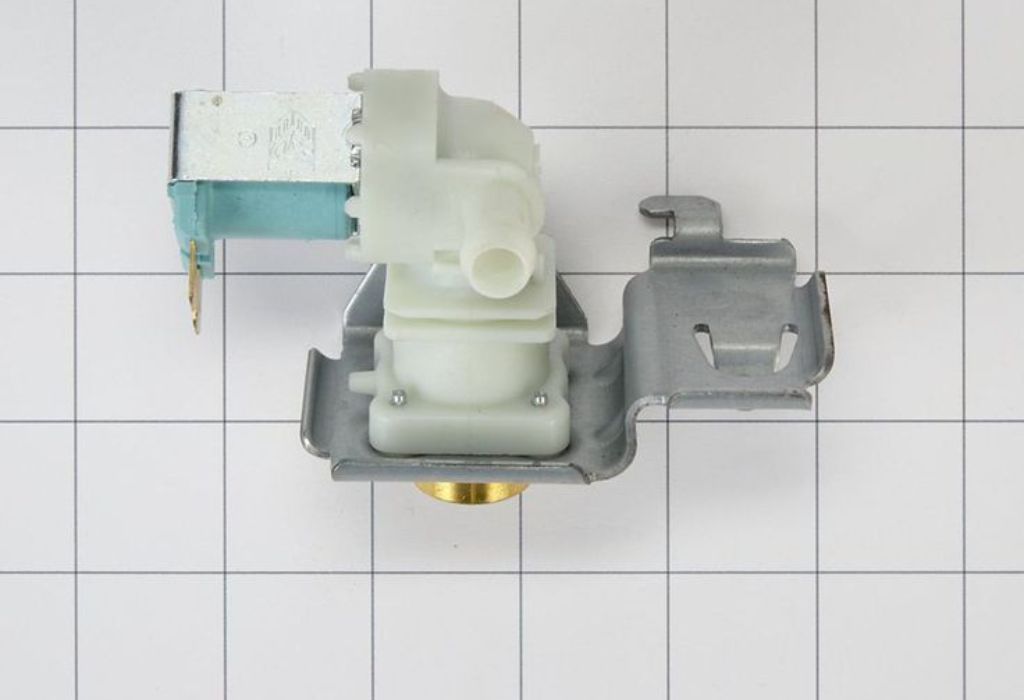
The water inlet valve is the gateway between your home’s plumbing and the dishwasher’s internal system. It opens when the control board sends an electrical signal, allowing a precise amount of water to enter the tub.
Without this part, your dishwasher wouldn’t know when to fill or stop filling. The valve ensures that just the right quantity flows in, avoiding both underfilling and overflow.
Inside the valve are tiny screens that filter out debris. These screens prevent particles from entering the spray arms or clogging the circulation pump. Over time, minerals or sediment can block the screen, causing weak water flow or complete failure.
The valve also serves as a safety device. Once the correct level is reached, it closes automatically, sealing off water pressure from the household line. This automatic shutoff protects your kitchen from potential flooding.
Understanding this function helps you realize why knowing its location is critical for cleaning, testing, or replacing it when your dishwasher misbehaves.
Typical Location of the Dishwasher Water Inlet Valve
Most dishwashers position the water inlet valve near the bottom front or lower left corner of the machine. Its placement allows easy access to both the household water supply line and the internal circulation system.
When you remove the lower access panel or toe kick beneath the door, you’ll see several components: wiring, a motor pump, and near them, a small metal or plastic part with a threaded hose connection — that’s the valve.
On many models, especially Whirlpool, GE, Bosch, and Frigidaire, it sits just behind the front kickplate attached to the metal base. The water-supply line from your kitchen’s shut-off valve connects directly to it via a ⅜-inch compression fitting.
Some newer or compact dishwashers locate it slightly behind the left side panel. In those designs, the supply hose enters from the side instead of the front.
Regardless of brand, the inlet valve always connects directly to the incoming water hose and is anchored by one or two screws. If you trace where the external hose enters the machine, it will lead straight to the valve’s body.
How to Access the Water Inlet Valve Safely
Before opening the appliance, safety should be your first concern. Always unplug the dishwasher or switch off the circuit breaker. Next, turn off the hot-water supply valve under the sink to stop water flow.
Pull the dishwasher slightly away from the wall or cabinet to gain room. Use a Phillips screwdriver to remove the bottom access panel or toe kick. Place screws in a bowl so they don’t roll away.
Once the panel is off, look at the lower area. You’ll see a small component where the water-supply line connects — that’s your valve. The part usually has two wires clipped onto terminals and a hose leading upward into the machine.
If your model hides it behind a side panel, remove the side bracket screws and gently pull the panel outward. Be cautious not to damage insulation or wiring.
Having clear access lets you clean the screen, test for continuity, or replace the part entirely. Always keep a towel nearby to catch any residual water during removal.
Visual Identification – What the Valve Looks Like
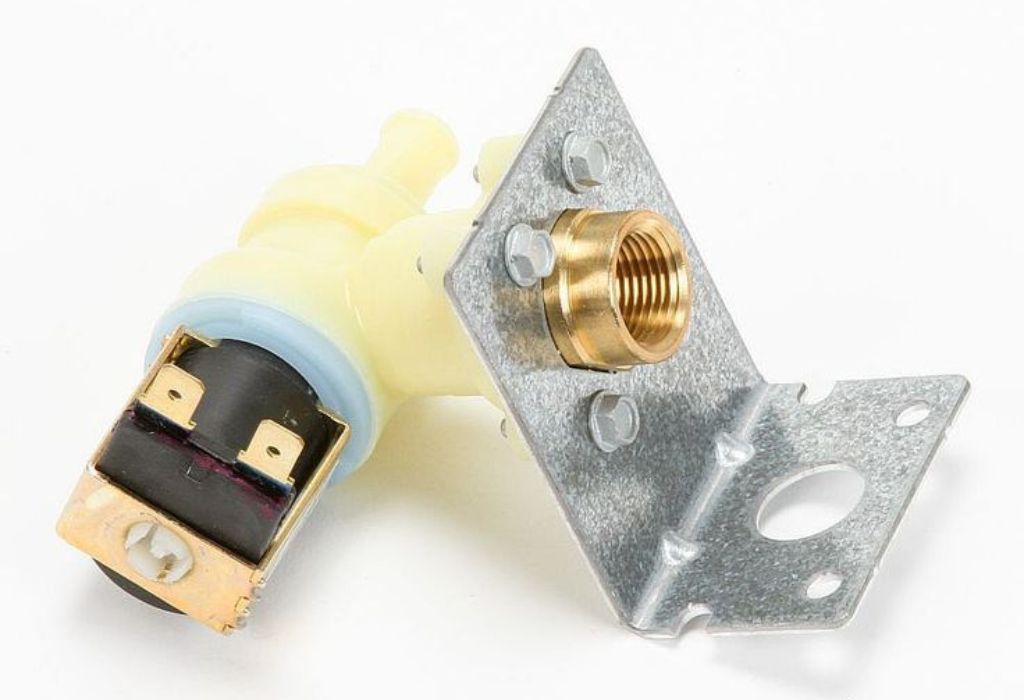
Recognizing the valve makes the process easier, especially when ordering a replacement. It’s a compact, rectangular or L-shaped piece, often metal with plastic ends, about the size of a small matchbox car.
One end has a threaded metal inlet, which connects to the water-supply line from your home. The opposite end has a rubber or plastic outlet hose that leads into the dishwasher’s tub or circulation pump.
Attached to the valve’s body is a small electrical solenoid — a coil wrapped in colored wire. When powered, this solenoid lifts a plunger inside the valve, allowing water to flow.
You’ll also notice a fine mesh screen just inside the inlet port. This filter catches dirt, sand, and mineral particles. A clogged screen restricts water, mimicking a failing valve even when the solenoid works.
If your dishwasher isn’t filling, visually inspecting this screen for sediment or discoloration can reveal the root cause immediately.
Brand-Specific Valve Locations
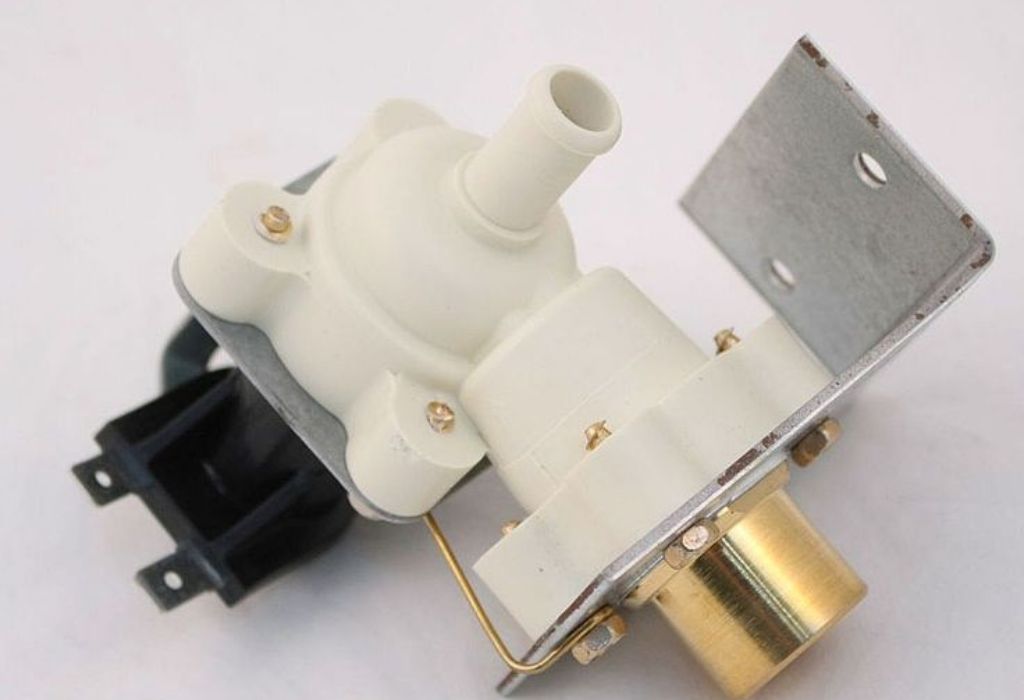
While the general placement remains consistent, different manufacturers design slight variations worth noting.
Whirlpool and Maytag dishwashers commonly mount the inlet valve at the bottom left corner behind the front kickplate. The connection faces forward, making replacement straightforward.
GE and Hotpoint models may position it closer to the center front area, requiring you to tilt the dishwasher backward slightly to reach screws.
Bosch and Siemens units often hide the valve behind the left side panel, connected via a long inlet tube that runs from the back. These may also feature flow sensors integrated into the valve assembly.
LG and Samsung dishwashers place it underneath the tub toward the rear left, requiring the removal of the bottom plate for access.
Knowing your brand helps you locate service diagrams quickly and prevents unnecessary disassembly of unrelated panels.
How to Test the Water Inlet Valve for Problems
If your dishwasher doesn’t fill, fills too slowly, or makes humming noises, testing the valve can confirm whether it’s faulty.
First, disconnect the water-supply line from the valve and place a small bowl underneath. Then, unscrew the electrical connectors from the solenoid terminals.
Using a multimeter, set to the ohms setting, touch the probes to each terminal. A typical reading should fall between 500–1500 ohms, depending on the model. A zero or infinite reading means the solenoid coil is open and the valve needs replacement.
Next, check for clogs. Shine a flashlight into the inlet screen; if it’s coated with calcium or rust, clean it gently with a soft brush and vinegar.
Lastly, ensure water reaches the valve freely by briefly turning on the supply line (bucket underneath). If no water appears, the issue may be in the plumbing, not the dishwasher. This method isolates the problem before replacing parts unnecessarily.
How to Replace a Faulty Water Inlet Valve
Once you’ve identified a defective valve, replacement is straightforward.
Order a genuine or compatible part using your dishwasher’s model number. Generic valves may fit but can cause leaks or pressure issues.
Unplug power, shut off water, and disconnect the inlet hose. Use pliers to release the clamp securing the outlet hose. Then, remove the mounting screws holding the valve to the frame.
Install the new valve in reverse order: attach the outlet hose first, secure with clamp, connect the inlet line, and finally plug in the two electrical wires.
Before reattaching the access panel, turn on the water and test for leaks. If dry, restore power and run a short cycle. Listen for a clear fill sound.
The whole process typically takes less than thirty minutes. Proper replacement restores strong water flow, quiet operation, and consistent cleaning results.
Maintenance Tips to Keep the Valve Working Efficiently
Even new valves need preventive care to last. Sediment and minerals are the top culprits for clogging. Installing a small inline water filter on the supply hose can greatly extend valve life.
Run a dishwasher-cleaning cycle with vinegar monthly. The mild acid dissolves mineral buildup around seals and screens.
Check the area around the valve for moisture every few months. Early detection of leaks prevents wood damage and rust formation.
If your area has extremely hard water, consider using a water-softening system. Softer water reduces calcium deposits that block the inlet.
Finally, avoid pushing the dishwasher too tightly against the wall after installation. Kinked hoses restrict flow and stress the valve’s fittings. Proper airflow and space help maintain its efficiency for years.
People Also Ask About Dishwasher Water Inlet Valves
Where exactly is the water inlet valve located?
It’s usually at the bottom front or lower left of the dishwasher, just behind the kickplate where the water line connects.
How do I know if my inlet valve is bad?
If your dishwasher doesn’t fill, fills slowly, or makes buzzing sounds without water entering, the valve or its screen may be clogged or electrically faulty.
Can I clean a water inlet valve instead of replacing it?
Yes. Remove the valve, soak the screen in vinegar, and brush away mineral buildup. However, if the solenoid is damaged, replacement is necessary.
Is it safe to replace a dishwasher inlet valve myself?
Yes, if you follow safety steps — disconnect power, shut off water, and handle wires carefully. Many homeowners perform this repair successfully.
How long does a water inlet valve last?
Typically 5–10 years depending on water quality and usage. Regular cleaning and filtration can double its lifespan.
Are inlet valves universal across brands?
No. Each brand and model has unique fittings and electrical ratings. Always check compatibility before purchasing.
Can a dishwasher run without a water inlet valve?
No, it cannot. The inlet valve is essential for controlling the water flow into the tub. Without it, the dishwasher won’t fill and will stop mid-cycle because sensors detect low water levels.
Why does my dishwasher keep filling even when it’s off?
This usually means the inlet valve is stuck open due to mineral deposits or internal damage. When the solenoid fails to close, water keeps flowing. You’ll need to replace the valve immediately to prevent flooding.
What causes a dishwasher inlet valve to fail?
The most common causes are sediment buildup, corrosion, electrical burnout of the solenoid coil, or simply wear from years of operation. Hard water significantly shortens the valve’s lifespan.
Can I use vinegar to clean the water inlet valve screen?
Yes, vinegar is safe and effective for dissolving mineral deposits. Remove the valve, soak the mesh filter in vinegar for 15–20 minutes, then rinse thoroughly with warm water.
How much does it cost to replace a dishwasher water inlet valve?
On average, replacement parts cost between $20 and $60, depending on the brand. Professional service can add $100–$150 for labor, but DIY replacement is often simple and affordable.
Why is my dishwasher filling slowly even after cleaning the screen?
If the screen is clean but filling remains slow, the solenoid inside the valve may be weak or the internal plunger may not open fully. In that case, replacement is the best option.
Is there a way to prevent future valve problems?
Yes. Use a small inline water filter on the supply line, run monthly vinegar cycles, and keep your home’s water pressure below 80 psi. These practices reduce debris and extend valve life.
Conclusion – The Key to Reliable Dishwasher Water Flow
The water inlet valve may be small, but it’s the cornerstone of your dishwasher’s operation. It regulates every drop entering the tub, ensuring the perfect balance between cleaning power and safety.
Knowing where this valve sits allows you to maintain, test, or replace it confidently whenever your dishwasher shows signs of trouble. Most units keep it at the bottom front or lower left, easily visible once the access panel is removed.
Regular inspection, cleaning, and mindful use of filtered water prevent many common issues. When neglected, a clogged or failing valve can disrupt wash cycles, waste energy, and even cause leaks.
Taking the time to understand its location and function transforms maintenance from mystery to routine care. With this knowledge, you can quickly diagnose problems and restore full performance without waiting for a service call.
Your dishwasher is a mechanical partner that depends on the steady rhythm of water flow. Keep its valve healthy, and it will reward you with spotless dishes, efficient cycles, and peace of mind every single day.

I’m Emma J. Caldwell, the founder, lead writer, and home-cooking enthusiast behind KitchenGuideCo.com. With a background in culinary arts and over a decade of cooking experience in both professional and personal kitchens, I created this platform to demystify recipes, offer smart kitchen gadget reviews, and guide readers through meal prep with confidence and clarity.