You’ve just finished a long workout or a day at the office, and your Owala bottle has been your constant hydration companion. The last thing you want to do is hand wash it — so you head straight to the dishwasher. Halfway through, you pause and wonder, “Wait, is this even safe?”
It’s a question that thousands of Owala owners have asked. After all, the bottles are sleek, durable, and engineered for active lifestyles, so they should be able to handle a dishwasher — right? Not quite.
The truth is that Owala water bottles are partially dishwasher safe, depending on the model and material. Stainless steel and plastic versions have completely different cleaning tolerances, and improper washing can shorten the lifespan of your bottle or damage its insulation and coating.
In this comprehensive professional guide, you’ll learn which Owala bottles are safe to wash in the dishwasher, the science behind their materials, expert cleaning methods, and maintenance habits that protect both the look and function of your bottle for years.
Understanding the Dishwasher-Safe Label
“Dishwasher safe” isn’t an absolute guarantee — it’s a classification based on tolerance to heat, pressure, and detergent chemistry. For most products, it means they can survive the average dishwasher cycle without deforming, cracking, or leaking.
Dishwashers typically operate between 130°F and 160°F (54°C–71°C). At these temperatures, plastics can soften, silicone can stretch, and paint can blister. Stainless steel fares better with heat, but coatings, seals, and adhesives can degrade.
Owala uses two main materials:
- 18/8 Stainless Steel – durable, insulated, but sensitive to heat pressure.
- Tritan Plastic – BPA-free, impact resistant, and top-rack dishwasher safe.
This mix is why Owala distinguishes cleaning instructions by bottle type. Stainless models like the FreeSip Stainless Steel require hand washing for the bottle, while Tritan plastic models (like FreeSip Plastic and Flip) can safely go on the top rack.
Understanding this distinction is essential — because a single cycle on the wrong rack can permanently damage your bottle’s structure or insulation.
Owala’s Material Breakdown and Heat Tolerance
Every Owala product combines function with form, but each reacts differently under dishwasher heat. Let’s explore the construction and its implications.
1. Stainless Steel (FreeSip, SmoothSip, and Flip Insulated)
These bottles are double-walled and vacuum-sealed to maintain cold temperatures for 24 hours or more. The air gap between layers acts as insulation, but repeated dishwasher exposure expands and contracts this space. Over time, this weakens the seal and eliminates insulation.
The exterior paint finish, particularly matte and patterned coatings, can also fade, bubble, or peel when exposed to high heat and strong detergents. Once damaged, it cannot be restored.
2. Tritan Plastic (FreeSip and Kids Bottles)
Tritan plastic bottles are robust and designed for active use. They are top-rack dishwasher safe because the heat exposure is milder. However, the bottom rack’s proximity to the heating element can warp the body or stretch rubber seals.
3. Silicone and Rubber Seals
Owala’s lids and spouts rely on silicone rings for leak prevention. Excessive heat can soften these rings and distort their shape, leading to leaks. The safest cleaning approach is removing and washing these parts separately in mild warm water.
By understanding how each material behaves, you protect your bottle’s integrity and maintain its clean, hygienic performance over the long term.
Top-Rack vs. Bottom-Rack Cleaning Explained
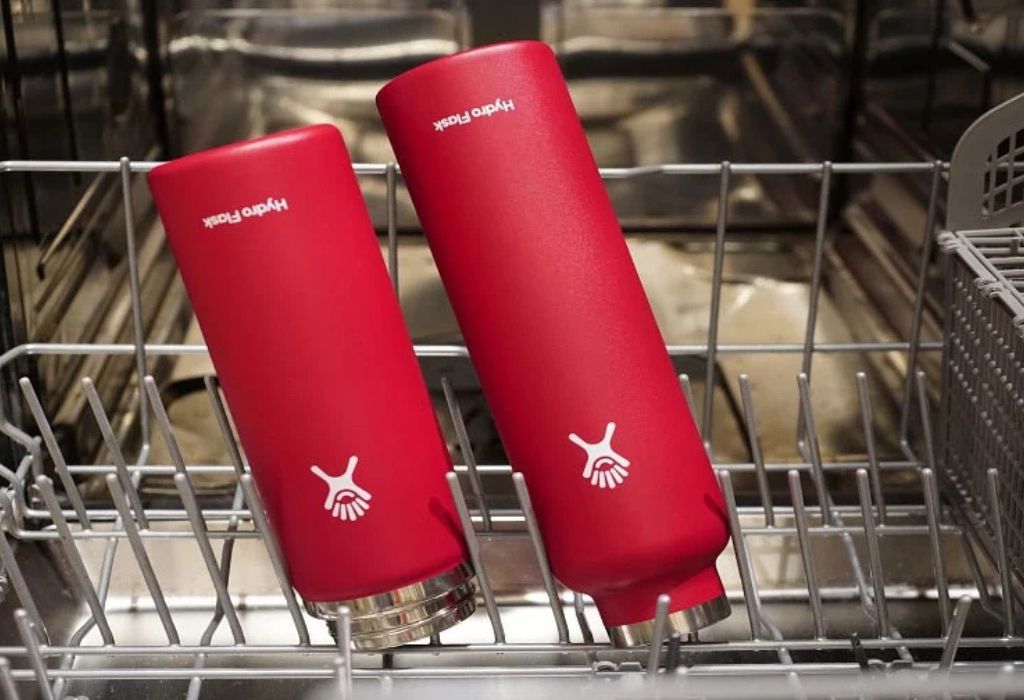
One of the most common mistakes Owala owners make is placing their bottles on the bottom rack. The bottom rack faces direct exposure to heating coils and high-pressure water jets.
On stainless bottles, this leads to expansion and contraction that destroys vacuum insulation. On plastic models, it can cause deformation. The top rack, however, receives a gentler wash with evenly dispersed water and lower heat intensity.
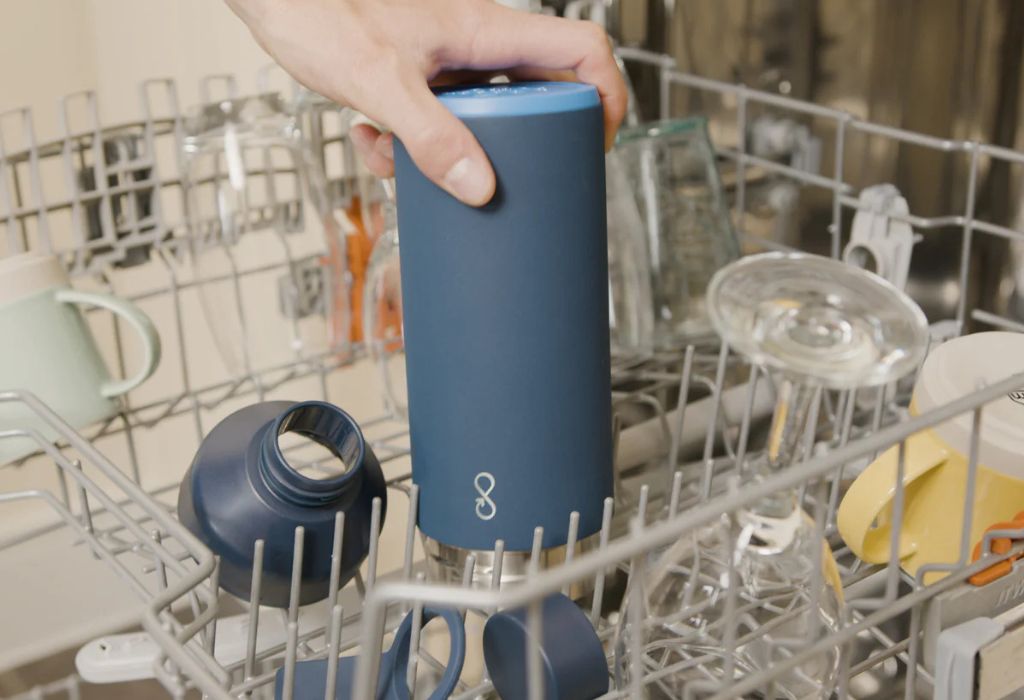
Always disassemble your bottle before placing it on the top rack. Put the lid, straw, and spout separately in the utensil tray or mesh basket. Never force-fit a tall bottle on a closed rack — the spinning spray arm could hit and crack it.
Position the bottle upside down to allow complete draining. Avoid the heat-dry function, and instead open the dishwasher door after the rinse cycle to air-dry all parts naturally.
Following these steps ensures your Owala remains clean without compromising its structure or finish.
Are all Owala bottles dishwasher safe?
No. Only plastic Owala bottles are fully dishwasher safe. Stainless steel bottles should be hand washed.
What happens if I accidentally wash my stainless bottle in the dishwasher?
It may lose insulation effectiveness or develop cosmetic damage to the paint or seal.
Can I put the lid and straw in the dishwasher?
Yes, all Owala lids and straws are top-rack safe.
Why does Owala recommend top-rack only?
The top rack exposes parts to less heat, reducing the risk of warping and seal deformation.
Is the kids’ Owala dishwasher safe?
Yes, but always confirm it’s the Tritan plastic version — stainless variants require hand washing.
The Science Behind Stainless Steel Care
Stainless steel is designed for endurance, but it’s not immune to damage. Owala’s stainless bottles feature vacuum-sealed insulation, where air is removed between two steel layers. When subjected to dishwasher heat, expansion weakens this vacuum.
Once compromised, the bottle loses its ability to maintain cold temperature for long periods. You might notice condensation forming on the outer surface or beverages warming faster.
Furthermore, dishwasher detergents are alkaline-based, and while effective on ceramics, they corrode steel finishes over time. Paint and logos fade, especially with strong chemical detergents.
The correct cleaning method is hand washing with mild dish soap and a soft brush. Avoid abrasive pads or metallic sponges that scratch the surface. Rinse with warm water and let it air dry upside down.
Caring manually for your stainless steel Owala doesn’t just maintain its shine — it preserves performance.
Tritan Plastic Bottles — Durable but Still Vulnerable
Tritan plastic is the hero of dishwasher-safe design, but even it has limits. Engineered by Eastman, Tritan is a BPA-free copolyester known for clarity and toughness.
It can resist temperatures up to 230°F (110°C), but constant exposure near heating elements eventually causes micro-scratches and opacity.
Dishwashing detergents, especially those with high alkalinity, slowly dull the surface, giving it a cloudy look. While this doesn’t affect safety, it reduces visual appeal.
To prevent wear, place the bottle on the top rack, and avoid harsh cleaners like bleach or ammonia. Using mild, eco-friendly detergents helps extend clarity.
Additionally, Tritan can absorb flavors from coffee or fruit-infused drinks if not cleaned regularly. For deep cleaning, soak it in warm water with baking soda and rinse thoroughly.
These small habits ensure your Tritan Owala remains clear, odor-free, and safe for years.
Step-by-Step: Proper Dishwasher Loading for Owala Bottles
Correct dishwasher loading ensures cleanliness without risk. Follow these steps:
- Disassemble all parts — lid, straw, gasket, and handle.
- Rinse off debris to prevent clogging the dishwasher filter.
- Place small parts like straws and gaskets in a mesh bag.
- Position the bottle top-down on the top rack for full drainage.
- Skip heated dry, instead open the door and let air circulate.
- Reassemble after drying completely to prevent trapped moisture.
Avoid loading near heavily soiled cookware, as grease can redeposit onto plastic surfaces. Keep distance from sharp cutlery that could scratch or dent parts.
Proper placement doesn’t just protect your Owala — it keeps the dishwasher itself cleaner and more efficient.
Why avoid heated dry?
It can melt seals or warp lids due to prolonged high temperatures.
Can I use pods or tablets for washing?
Yes, but ensure they’re free of bleach or harsh degreasers that can damage plastic finishes.
Should I leave the straw connected during washing?
No. Detach it to ensure all internal surfaces are cleaned and rinsed thoroughly.
Is vinegar safe for Owala bottles?
Yes, diluted vinegar (1:3 ratio) helps remove stains and odor naturally.
Can I sanitize Owala bottles in boiling water?
No. Boiling can deform parts and destroy seals; use warm soapy water instead.
Why Hand Washing Remains the Preferred Method
While Owala plastic bottles are dishwasher safe, hand washing ensures maximum longevity. Manual cleaning allows you to control temperature, detergent concentration, and contact pressure.
Using a bottle brush with mild dish soap cleans interior corners where residue collects. This also prevents microbial buildup that dishwashers sometimes miss, especially under straws and spouts.
For daily cleaning, rinse immediately after use to avoid staining or odor absorption. For weekly maintenance, disassemble the parts and soak in a baking-soda solution.
Hand washing doesn’t take long — two minutes of care ensures your Owala remains sanitary and vibrant for years.
The Role of Heat and Detergent in Bottle Wear
The combination of high heat and detergent concentration determines how materials age. Owala’s official cleaning guidance is based on ASTM safety testing, which confirms that repeated exposure above 160°F accelerates wear.
Heat causes expansion and contraction, which leads to paint chipping or vacuum seal failure in insulated bottles. Detergent residues can build up under seals, causing sticky closure or mold.
The best cleaning practice is a balance: warm water (not hot), soft detergent, and thorough rinsing. This prevents residue accumulation while preserving material strength.
Following these principles mimics lab-grade cleaning while remaining practical for everyday use.
Common Mistakes That Shorten Your Bottle’s Life
- Placing the stainless bottle in the dishwasher — breaks insulation.
- Using bleach-based detergents — corrodes metal and fades plastic.
- Skipping daily rinsing — causes mold and lingering odors.
- Leaving it sealed when wet — traps moisture and breeds bacteria.
- Storing near heat sources — weakens seals and paint finishes.
Avoiding these mistakes ensures long-term durability. Think of your Owala as performance equipment — it thrives on proper maintenance.
Why does my bottle smell even after washing?
Residual moisture under seals or straws breeds bacteria; air-dry fully after cleaning.
How can I remove discoloration?
Soak in a mix of vinegar and warm water for one hour, then rinse thoroughly.
Can I wash Owala bottles with cutlery or pans?
Avoid it. Metal utensils may scratch or chip bottle coatings.
How often should I deep clean?
Weekly, especially if using for juices, coffee, or flavored drinks.
Is the Owala paint coating food safe?
Yes, it’s tested for safety, but only when properly maintained and kept away from harsh chemicals.
Comparing Owala Cleaning With Other Premium Bottle Brands
Owala bottles often get compared with popular competitors like Hydro Flask, Yeti, and Stanley. While all these brands promote durability, they differ in how they handle dishwashing. Owala’s Tritan plastic bottles stand out for being entirely top-rack dishwasher safe, unlike Hydro Flask’s fully hand-wash-only policy.
Yeti bottles, though built from thick stainless steel, also lose insulation if repeatedly dishwashed. Owala strikes a balance by combining dishwasher-safe components with user convenience. For professionals who value both design and hygiene, following Owala’s cleaning guidance ensures longer life and consistent insulation performance.
If you’re switching from another brand, understanding these distinctions prevents costly damage and helps maintain product warranties.
How to Deep Clean Owala Bottles Without a Dishwasher
Even if your Owala is top-rack safe, a monthly deep cleaning is essential to remove buildup from flavored drinks or mineral-rich water. To deep clean safely:
- Fill your bottle with warm water and one tablespoon of baking soda.
- Let it sit for at least 20 minutes to loosen residue.
- Scrub with a soft bottle brush, focusing on the neck and base.
- Rinse thoroughly, then air dry upside down.
For stainless steel bottles, add a teaspoon of white vinegar to dissolve scale without harming the coating. Avoid boiling water or bleach, as both can compromise seals and finishes.
Deep cleaning keeps your Owala odor-free, bacteria-free, and ready for everyday hydration.
Recognizing Signs of Heat Damage After Dishwashing
Many Owala users don’t realize when their bottle has sustained dishwasher-related damage until it’s too late. Early detection helps prevent full failure.
Look for bubbling or fading paint, loose insulation sounds (a faint rattle), or leaks around the lid. On plastic bottles, check for subtle warping that makes the lid screw unevenly. These are signs of prolonged heat exposure or detergent corrosion.
If you detect early signs, stop using the dishwasher immediately. Switching to gentle hand washing can often prevent worsening and extend usability.
Understanding these indicators ensures your investment in Owala remains protected and functional.
Safe Storage Practices for Longevity
Proper storage is just as important as cleaning. Always store your Owala with the lid off to prevent moisture buildup. Keeping it sealed while damp encourages mold and odors.
Store stainless bottles in a cool, dry place away from direct sunlight, as UV rays and heat weaken paint and insulation. Plastic bottles should be kept away from greasy surfaces that can transfer odor.
If you use your Owala daily, rotate between two bottles. This allows one to dry completely before reuse and significantly extends lifespan.
These small storage habits can preserve your bottle’s structure and hygiene for years.
Owala’s Sustainability Commitment and Why Care Matters
Owala’s brand mission focuses on sustainability — reducing single-use plastics through high-quality reusable bottles. Every Owala bottle can replace hundreds of disposable bottles annually.
However, if cleaning practices shorten its lifespan, the sustainability cycle breaks. Proper care ensures fewer replacements, less waste, and better environmental outcomes.
By maintaining your bottle correctly — whether through careful dishwashing or manual cleaning — you align with Owala’s eco-conscious philosophy. Responsible ownership ensures the brand’s purpose translates from design to daily use.
Ultimately, each refill and each mindful wash makes a small but meaningful environmental difference.
Environmental Impact of Proper Bottle Care
Proper cleaning isn’t just about aesthetics — it extends lifespan and reduces waste. A single Owala bottle replaces hundreds of disposable plastic bottles each year. Improper washing shortens its life, forcing early replacement and increased waste.
Choosing manual or top-rack cleaning also saves electricity and water compared to full-cycle dishwashing. Eco-friendly detergents further reduce microplastic pollution.
Caring correctly for your Owala supports sustainability — one of the brand’s core principles. When you maintain it properly, you extend both its performance and environmental contribution.
Conclusion
The Owala bottle was designed to make hydration effortless, sustainable, and stylish — but even the best-engineered products depend on proper care.
Understanding whether your Owala is dishwasher safe isn’t just about cleaning convenience; it’s about preserving the technology inside that keeps drinks fresh, cold, and safe to consume.
Plastic Owala bottles, made from BPA-free Tritan, can handle the dishwasher’s top rack with ease, provided you disassemble all parts and skip the heated-dry function.
Stainless steel versions, however, need extra attention. Their double-wall insulation and painted coating react poorly to heat and detergent, and one careless bottom-rack wash can permanently damage their performance.
Caring for your bottle by hand takes only minutes. Gentle soap, warm water, and air-drying preserve the brilliance of its finish, the strength of its seals, and the precision of its insulation.
More importantly, mindful cleaning ensures your Owala continues to meet hygiene and safety standards while preventing bacterial buildup that can form when moisture lingers inside.
Every well-maintained Owala bottle replaces hundreds of single-use plastic bottles each year. By treating yours properly, you extend its life and reinforce its environmental mission, reducing waste, saving water, and minimizing the energy used in production and cleaning.
In the end, being “dishwasher safe” isn’t just about convenience. It’s about responsibility — balancing modern technology with sustainable habits.
When you clean your Owala the right way, you protect not only your health and investment but also the planet’s most essential resource: clean water.

I’m Emma J. Caldwell, the founder, lead writer, and home-cooking enthusiast behind KitchenGuideCo.com. With a background in culinary arts and over a decade of cooking experience in both professional and personal kitchens, I created this platform to demystify recipes, offer smart kitchen gadget reviews, and guide readers through meal prep with confidence and clarity.