You open your dishwasher expecting clean, dry plates — but instead, you find a pool of dirty water sitting at the bottom. The smell is unpleasant, and your first thought is that something’s wrong. Water backup in a dishwasher can feel frustrating, especially after a wash cycle that should have drained everything.
This issue can happen suddenly or worsen over time. Sometimes it’s a small clog that grows unnoticed; other times, the problem lies deeper in your plumbing system. No matter the cause, leaving standing water too long can lead to bad odors, mold, and even leaks.
Fortunately, fixing water backup is often easier than you think. With some understanding of how your dishwasher drains and a few basic tools, you can identify the cause and restore smooth water flow.
This guide explains every reason water might back up, how to troubleshoot step by step, and when to call a professional plumber. By the end, you’ll know how to keep your dishwasher clean, efficient, and free from stagnant water.
How a Dishwasher Drain System Works
Before fixing a drainage issue, it helps to understand how water moves through your dishwasher. Each cycle begins with water entering from the supply line, washing dishes, and then draining through a hose into your sink’s plumbing or garbage disposal.
A small drain pump pushes the dirty water out during the drain cycle. From there, it passes through a check valve to prevent backflow and into the drain hose connected under your sink.
If your home has a garbage disposal, the dishwasher line attaches directly to it. When both systems work together properly, water exits smoothly without returning.
Many dishwashers also have an air gap — a small metal or plastic fitting near the sink faucet. This prevents dirty sink water from siphoning back into the dishwasher.
When any part of this path becomes clogged or misaligned, water can’t drain correctly. It collects at the bottom of the tub, making it appear as though your dishwasher is flooded.
Understanding each component’s role helps you identify where to start checking when you see water backing up.
Common Reasons Water Backs Up in a Dishwasher
The most common cause of water backup is a clogged drain hose. Food particles, grease, and soap residue can accumulate over time and block the flow of water.
If your dishwasher connects to a garbage disposal, leftover food inside the disposal can prevent proper drainage. Running the disposal before starting a cycle often fixes this problem.
Another frequent culprit is a blocked air gap. When debris or grease enters it, water can’t flow freely through the hose, leading to backup.
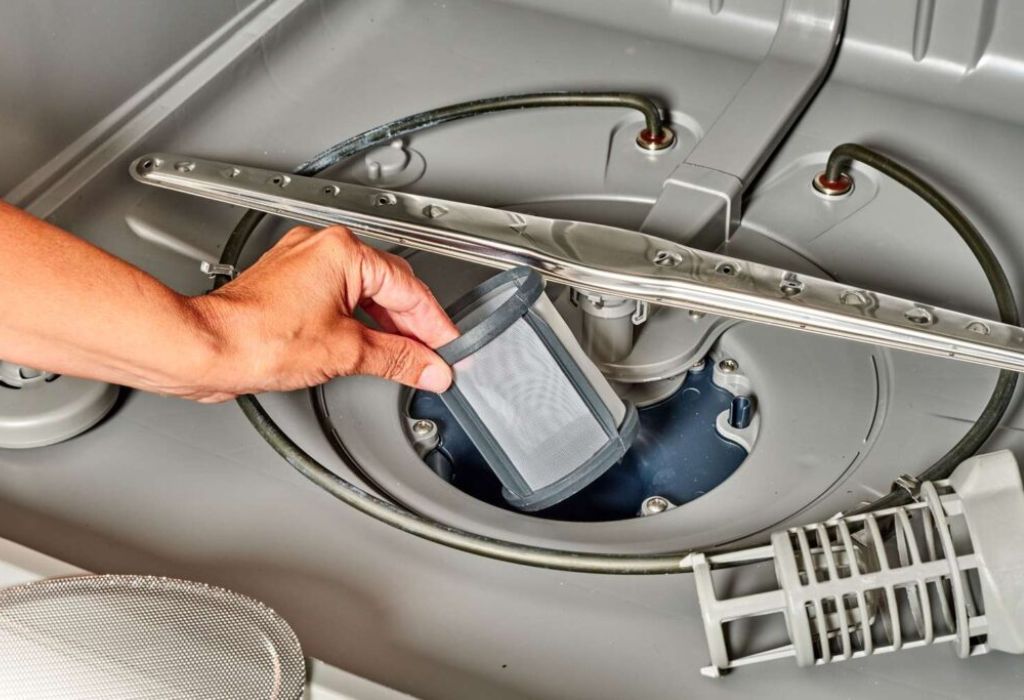
Sometimes the issue lies within the dishwasher’s filter or drain basket. These collect debris from each wash, and if not cleaned regularly, they restrict water movement.
A faulty check valve may also cause dirty water to flow back into the dishwasher tub. The valve’s job is to allow drainage in one direction only, so when it fails, backflow happens easily.
Lastly, plumbing blockages in your sink’s drainpipe can send water from the sink into the dishwasher. This often happens when both appliances share the same drainage line.
Identifying which of these issues applies to your situation will determine your best repair approach.
Step-by-Step Troubleshooting to Stop Water Backup
Start by turning off the dishwasher and cutting power at the circuit breaker. Never inspect or clean drains while the machine is active.
Next, remove the bottom dish rack to access the standing water. Use a cup or towel to soak up most of it before beginning.
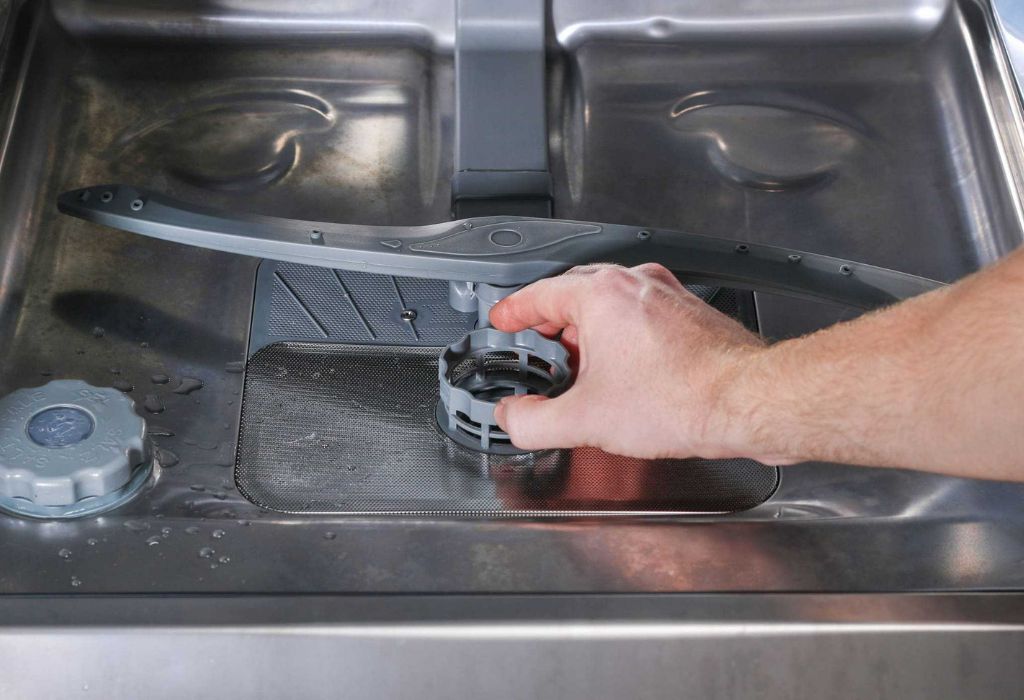
Clean the drain filter and basket. Unscrew or lift them out, rinse under warm water, and scrub away grease or trapped food particles.
Check the garbage disposal if connected. Run it with cold water for 30 seconds to clear internal debris that may block the shared drain line.
Inspect the air gap near your sink faucet. Twist off the cap, remove any buildup, and rinse it thoroughly. This small cleaning step often solves the problem.
Detach the drain hose from under the sink and flush it with hot water or compressed air. You can also snake it gently to remove stubborn blockages.
Finally, run a short rinse cycle to test drainage. If the water clears smoothly, the issue is resolved. If not, move on to checking internal components or the household plumbing.
Checking Internal Components for Clogs
If basic cleaning doesn’t solve the backup, inspect deeper components inside your dishwasher. Begin with the drain pump, located near the bottom of the tub.
Unplug the machine and remove the toe kick panel to access the pump. Check for debris or buildup blocking the impeller blades. Cleaning them restores pressure and flow.
Look at the check valve next to the pump. If it’s stuck open or blocked with residue, replace it. It prevents dirty water from returning after each cycle.
Inspect the drain hose connection for kinks or bends. Even a small twist can reduce drainage efficiency dramatically.
Make sure the float switch — a small sensor that detects water level — isn’t jammed. If stuck in the “up” position, it can prevent the dishwasher from entering its drain cycle.
Once all parts are cleaned and realigned, reassemble and test with a short cycle. Most backups stop once the pump and check valve function properly again.
Regular maintenance of these components keeps your dishwasher running smoothly and prevents future water stagnation.
Plumbing Problems That Cause Dishwasher Backups
Sometimes the issue isn’t inside the dishwasher but in your kitchen’s plumbing. Dishwashers typically share a drain with the sink, so a clog there can push water back into the machine.
If water bubbles up into the sink when the dishwasher drains, your sink trap or drainpipe may be partially blocked. Using a plunger or drain snake often clears it.
Another culprit could be the garbage disposal inlet where the dishwasher hose connects. If the disposal is new, make sure the plastic knockout plug was removed during installation.
Grease buildup, coffee grounds, and fibrous foods can easily block narrow drain pipes. Flushing them with hot water and baking soda helps clear minor clogs naturally.
Older plumbing systems with corroded or narrow pipes may require professional attention. A plumber can use high-pressure jetting tools to remove deep blockages.
Ignoring shared drain problems allows water to keep flowing backward into your dishwasher, even if the appliance itself is clean and functional.
Checking your kitchen plumbing is an essential step when troubleshooting repeated water backups.
Preventing Future Water Backups in Your Dishwasher
Prevention begins with regular cleaning habits. Rinse off large food particles before loading dishes, especially pasta, rice, and coffee grounds that stick easily.
Clean the dishwasher filter weekly. It traps debris that could otherwise clog hoses or the pump. A quick rinse keeps water flowing freely.
Run hot water in the sink for 30 seconds before starting your dishwasher. This sends warm water to the machine, improving detergent action and preventing grease buildup.
Once a month, run an empty cycle with vinegar or a commercial dishwasher cleaner. This dissolves grease and soap residue inside hoses and pumps.
Inspect the drain hose occasionally for bends or cracks. Replace old hoses every 5–7 years to avoid hidden leaks or obstructions.
Keep the air gap cap clean and check that the vent hole isn’t blocked. This small part plays a huge role in preventing backflow.
By following these maintenance steps, your dishwasher will stay odor-free and drain smoothly for years.
Fixing Dishwasher Backflow – Your Questions Answered
Why is water pooling at the bottom of my dishwasher after a cycle?
It usually means the drain hose or filter is clogged, preventing proper drainage.
Can a clogged garbage disposal cause dishwasher water to back up?
Yes. When the disposal is blocked, it restricts the shared drain line, forcing water into the dishwasher.
What does the air gap do in a dishwasher system?
It prevents dirty sink water from siphoning back into your dishwasher during drainage.
How often should I clean the dishwasher filter?
At least once a week to avoid grease and food buildup that restricts water flow.
Can I use a plunger to fix dishwasher drainage problems?
No. Plungers are for sinks and toilets — instead, clean filters, hoses, and the air gap.
Does standing water mean my dishwasher is broken?
Not necessarily. It’s often a simple clog that can be fixed with cleaning and inspection.
Why does my sink fill up when the dishwasher drains?
This happens when the sink’s drainpipe or trap is clogged, causing water to flow backward.
What’s the easiest way to clear a drain hose?
Detach it and flush it with hot water or compressed air to remove blockages.
Can I pour drain cleaner into my dishwasher?
Never. Drain cleaners can damage plastic parts, hoses, and seals inside your appliance.
What temperature should water be to clear grease clogs?
Run hot water around 120 °F to soften and flush away grease buildup safely.
Why does my new dishwasher back up with water?
The disposal knockout plug may not have been removed during installation — check it first.
Can I run the dishwasher if there’s standing water?
No. Always fix the clog first to avoid damaging the pump or motor.
What happens if I ignore standing water?
Bacteria and mold can grow, and water can leak into electrical components.
Why does water come from the air gap during drainage?
It means there’s a blockage downstream in the hose or sink drain that needs cleaning.
When should I call a plumber for dishwasher backup issues?
If cleaning filters, hoses, and drains doesn’t solve the issue, call a plumber to inspect deeper blockages.
Conclusion – Stop the Backup Before It Starts
Water backing up in your dishwasher can turn a simple cleanup routine into a frustrating problem. But most causes are easy to fix once you understand how drainage works.
Cleaning filters, air gaps, and drain hoses removes the most common blockages. Checking your sink plumbing ensures water can exit freely without returning to the dishwasher.
Regular maintenance like running hot water before cycles, rinsing filters, and using vinegar monthly keeps your machine fresh and clog-free.
If backups keep returning despite cleaning, call a professional plumber to inspect for deeper issues inside your pipes.
A few minutes of preventive care can save hours of messy cleanup later. Keep your dishwasher healthy, and it will return the favor with spotless, odor-free dishes every time.

I’m Emma J. Caldwell, the founder, lead writer, and home-cooking enthusiast behind KitchenGuideCo.com. With a background in culinary arts and over a decade of cooking experience in both professional and personal kitchens, I created this platform to demystify recipes, offer smart kitchen gadget reviews, and guide readers through meal prep with confidence and clarity.