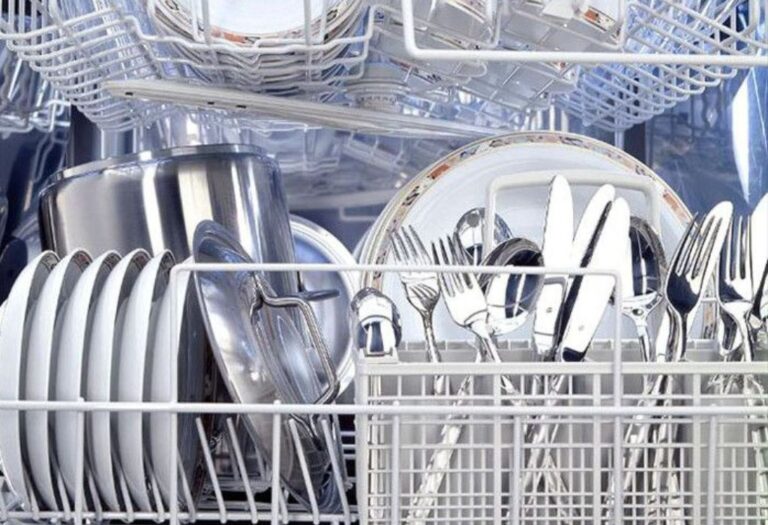
You open your dishwasher after a long cycle, expecting gleaming glassware and spotless plates. Instead, you’re greeted by cloudy cups, dull silverware, and streaked dishes that look worse than before. You wipe them with a towel, but faint white spots still remain.
These marks aren’t dirt — they’re water spots, caused by minerals left behind after evaporation. It’s one of the most common complaints among dishwasher users, especially in areas with hard water.
The good news is, you can easily prevent water spots with the right techniques and maintenance habits. In this guide, you’ll learn exactly what causes them, how to eliminate them, and how to keep your dishes sparkling clean after every wash.
What Causes Water Spots on Dishwasher Dishes
Water spots form when mineral-rich droplets dry on the surface of your dishes before they’re completely rinsed away. The main culprits are calcium and magnesium — two minerals abundant in hard water.
As the water evaporates, these minerals remain behind, leaving a white, chalky film. The hotter your drying cycle and the slower the evaporation, the more visible these deposits become.
Using the wrong detergent or skipping rinse aid can worsen the problem. Detergent alone isn’t enough to break down mineral residue, especially when your water hardness level is high.
Improper loading, like stacking dishes too close together, also traps moisture and reduces airflow during drying. That’s why even powerful dishwashers can leave spots if the dishes aren’t spaced correctly.
Finally, the type of finish on your dishware matters — glass and stainless steel show spots more clearly than ceramic or plastic.
Do water spots mean my dishwasher isn’t working?
No, it’s usually a water hardness or drying issue, not a mechanical failure.
Can filtered water reduce spotting?
Yes, filtration removes minerals before they reach your dishwasher, minimizing residue.
Why do glass dishes spot more than others?
Glass surfaces show mineral buildup more clearly because of their transparency and smooth texture.
Check and Use Rinse Aid Correctly
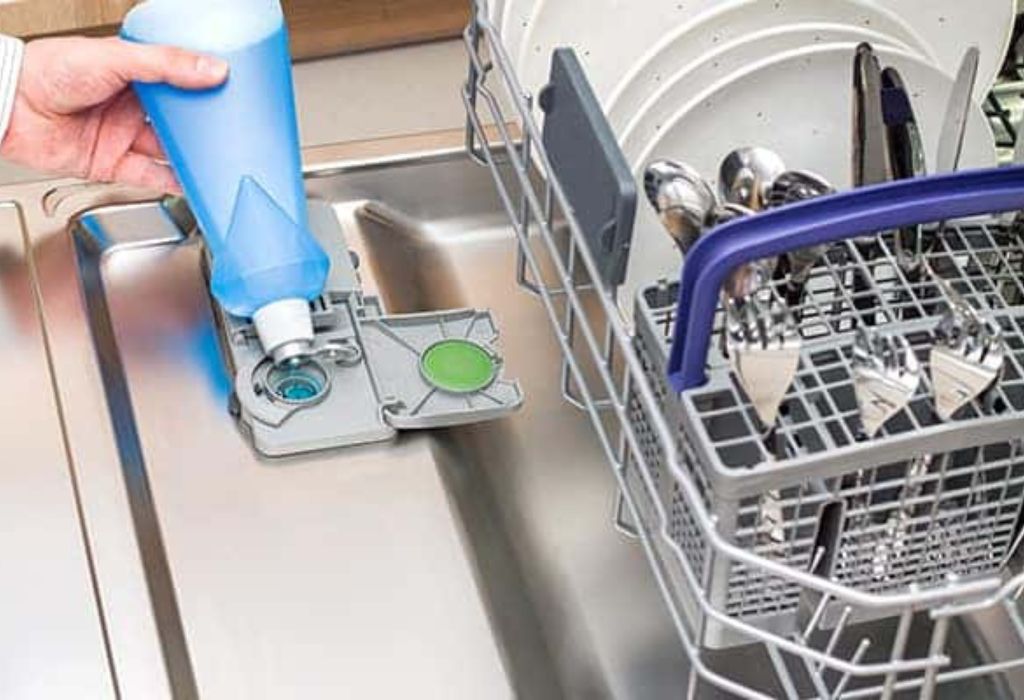
Rinse aid is the number one solution for preventing water spots, yet many people don’t use it or forget to refill it. This liquid breaks surface tension, allowing water to sheet off dishes instead of forming droplets.
Without rinse aid, water clings to the surface and leaves minerals behind as it evaporates. Using it ensures faster drying and fewer visible marks.
Most dishwashers have a dedicated rinse aid compartment near the detergent dispenser. Check it regularly and refill whenever the indicator light comes on.
Adjust the dispenser setting based on your water hardness — higher settings release more rinse aid per cycle, which helps in areas with mineral-heavy water.
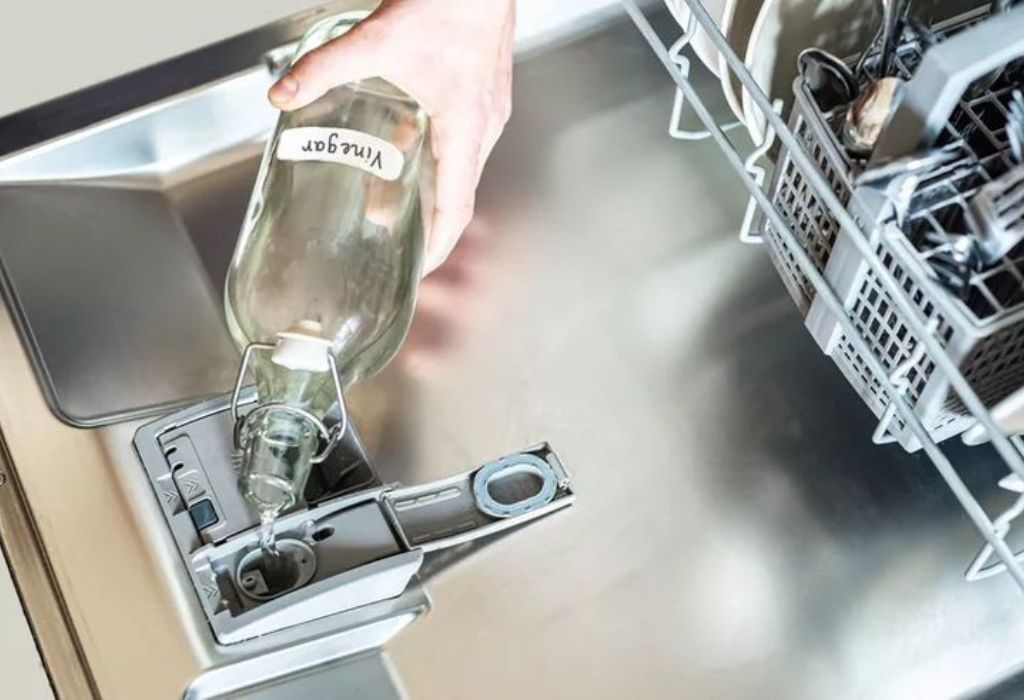
If you prefer natural alternatives, white vinegar works as a mild rinse aid substitute. Just pour a small amount into a dishwasher-safe cup and place it on the top rack during the wash cycle.
Can I use vinegar instead of commercial rinse aid?
Yes, but avoid overusing it — vinegar’s acidity can degrade rubber seals over time.
How often should I refill rinse aid?
Usually every 3 to 4 weeks, depending on dishwasher usage and settings.
Is rinse aid safe for glass and stainless steel?
Yes, it’s specifically designed to enhance shine and prevent spotting on all finishes.
Load Dishes Properly for Better Drying
How you load your dishwasher affects how well your dishes dry — and how likely they are to develop spots.
Overcrowding blocks spray arms and traps moisture between items. Each dish needs space for hot air and water to circulate freely during the rinse and drying phases.
Place plates vertically with slight gaps, cups upside down, and utensils in alternating directions for better coverage. Avoid nesting bowls or stacking items tightly.
Glassware should go on the top rack away from heating elements to prevent etching and excessive spotting. Heavier items like pots and pans belong on the bottom rack.
Always face the dirtiest surfaces toward the spray arms. This ensures detergent and rinse aid reach all areas evenly, reducing leftover minerals.
Can overloading cause water spots?
Yes, poor airflow and trapped moisture prevent complete drying.
Should plastic items go on the top rack?
Yes, they’re lighter and dry better when kept away from heating elements.
Why do utensils come out spotted?
They often touch each other, trapping water. Spread them out or alternate handles for even drying.
Use the Right Detergent for Your Water Type
Choosing the right dishwasher detergent plays a major role in preventing spots. Some detergents work better in soft water, while others are formulated for hard water.
If you have hard water, look for detergents labeled “hard water formula” or “with water softeners.” These contain additives that neutralize minerals and prevent buildup.
Avoid using too much detergent — excess soap can leave its own residue. A tablespoon or less is enough for most cycles. Using too much can cause cloudy films instead of removing them.
Powder detergents dissolve quickly but may leave residue in hard water. Gel and tablet forms work more evenly, especially when paired with rinse aid.
Finally, check the expiration date. Old or clumpy detergent loses its effectiveness and may cause streaking.
Can I mix powder and liquid detergent?
No, they’re formulated differently and can reduce each other’s cleaning power.
Is more detergent better for cleaner dishes?
No, too much detergent increases film buildup and spotting.
Do pods prevent water spots better than powder?
Yes, they contain pre-measured softeners and rinse agents for consistent results.
Check Water Temperature and Hardness
Your dishwasher’s performance depends on water quality and temperature. Water that’s too cold won’t dissolve detergent completely, while water that’s too hard leaves minerals behind.
The ideal water temperature for dishwashers is around 120°F (49°C). If it’s lower, the drying process slows, allowing more spotting to occur.
You can test water temperature by running your kitchen tap for a minute and using a thermometer. Adjust your water heater if necessary.
For water hardness, use a simple home test strip or request a report from your local water supplier. If your water measures over 120 ppm (7 gpg), consider installing a softener system.
A softener removes calcium and magnesium, replacing them with sodium or potassium ions that don’t form white spots.
Does hot water reduce water spots?
Yes, it helps rinse away minerals more effectively before drying.
Can hard water damage my dishwasher?
Over time, yes. It causes buildup in spray arms and heating elements, affecting performance.
Do portable dishwashers need softeners too?
Yes, water hardness affects all models equally, regardless of size.
Choose the Right Drying Cycle
Your drying method directly impacts whether spots form. Many modern dishwashers offer several drying options — heated dry, air dry, or condensation dry.
Heated dry uses an internal element to evaporate water quickly, minimizing mineral residue. Air dry saves energy but allows droplets to dry naturally, which can cause spotting in hard water.
Condensation drying (found in Bosch and Whirlpool models) relies on residual heat from the wash cycle combined with cool stainless steel walls to draw moisture away. It’s energy-efficient and reduces spotting when used with rinse aid.
If you prefer air drying, open the dishwasher door slightly at the end of the cycle. This allows steam to escape and prevents droplets from drying in place.
Is heated dry worth using?
Yes, it reduces spots and speeds drying, though it uses more energy.
Should I open the door right after the cycle ends?
Wait a few minutes first — opening too early releases too much heat and slows drying.
Does condensation drying work without rinse aid?
Not effectively. Rinse aid is essential for that process to work properly.
Clean and Maintain the Dishwasher Interior
A clean dishwasher prevents spots and enhances overall performance. Grease, detergent residue, and mineral buildup inside the tub can redeposit on dishes during drying.
Run an empty cycle once a month using dishwasher cleaner or a cup of vinegar on the top rack. This breaks down residue and keeps water jets clear.
Remove and clean the filter regularly, as trapped debris interferes with rinsing. Wipe the door gasket with a damp cloth to prevent residue from forming around the edges.
Also check the spray arms and drain area. Even small clogs can disrupt water flow, leaving dirty spots or streaks.
Keeping the interior spotless ensures rinse aid and detergent work effectively, reducing the chance of residue drying on your dishes.
Can vinegar damage dishwasher parts?
No, occasional use is safe — just avoid undiluted vinegar on rubber seals frequently.
How often should I deep-clean my dishwasher?
Once a month keeps it in top condition.
Why do I smell musty odors after washing?
Food particles in the filter or drain cause buildup. Cleaning eliminates the smell and improves results.
Add a Water Softener or Filter System
If you live in a hard-water region, even the best detergent and rinse aid may not completely stop water spots. Installing a water softener or filter can make a big difference.
A whole-house softener treats all incoming water, protecting not just your dishwasher but also faucets, pipes, and appliances. It replaces minerals with sodium ions, preventing calcium buildup entirely.
If you prefer a smaller investment, consider an inline filter attached directly to your dishwasher’s water line. It’s easier to install and specifically targets mineral particles.
Filtered or softened water also extends the lifespan of your appliance and reduces the need for frequent descaling.
Does a softener affect dishwashing detergent performance?
Yes, it allows detergent to foam properly and rinse cleaner.
Can I use both a softener and rinse aid?
Absolutely — they complement each other for spotless, shiny dishes.
Is a water filter enough for very hard water?
In extreme cases, a full softener system works best for lasting results.
Conclusion
Water spots might look harmless, but they can dull your dishes and frustrate you after every cycle. The key to spotless results is understanding what causes them and adjusting your dishwasher habits accordingly.
Using rinse aid, proper detergent, and correct loading methods solves most spotting problems instantly. Combine that with the right water temperature, occasional vinegar cleaning, and regular maintenance, and your dishes will stay clear and gleaming.
If you live in a hard-water area, investing in a softener or filter system ensures long-term shine and protection for your dishwasher. With a few smart changes, you can enjoy that crystal-clear sparkle every time you open the door.

I’m Emma J. Caldwell, the founder, lead writer, and home-cooking enthusiast behind KitchenGuideCo.com. With a background in culinary arts and over a decade of cooking experience in both professional and personal kitchens, I created this platform to demystify recipes, offer smart kitchen gadget reviews, and guide readers through meal prep with confidence and clarity.