You load the dishes, press start, and wait for that familiar hum of your dishwasher doing its job. But instead of calm, you hear gurgling from the kitchen sink. Within minutes, dirty water starts bubbling up into the basin. Now, instead of clean dishes, you’re left with a flooded sink and a confusing problem.
This scenario frustrates countless homeowners. It looks like your sink and dishwasher are at war, yet they’re actually connected — and that’s why this happens. Both appliances share the same drain line, so when water can’t move freely through it, pressure sends it backward into the sink.
Understanding why this occurs is key to fixing it for good. In this guide, we’ll explore every possible cause of sink backup during dishwasher cycles, show you how to troubleshoot safely, and help you prevent it from happening again.
Why the Sink Fills With Water When Dishwasher Runs
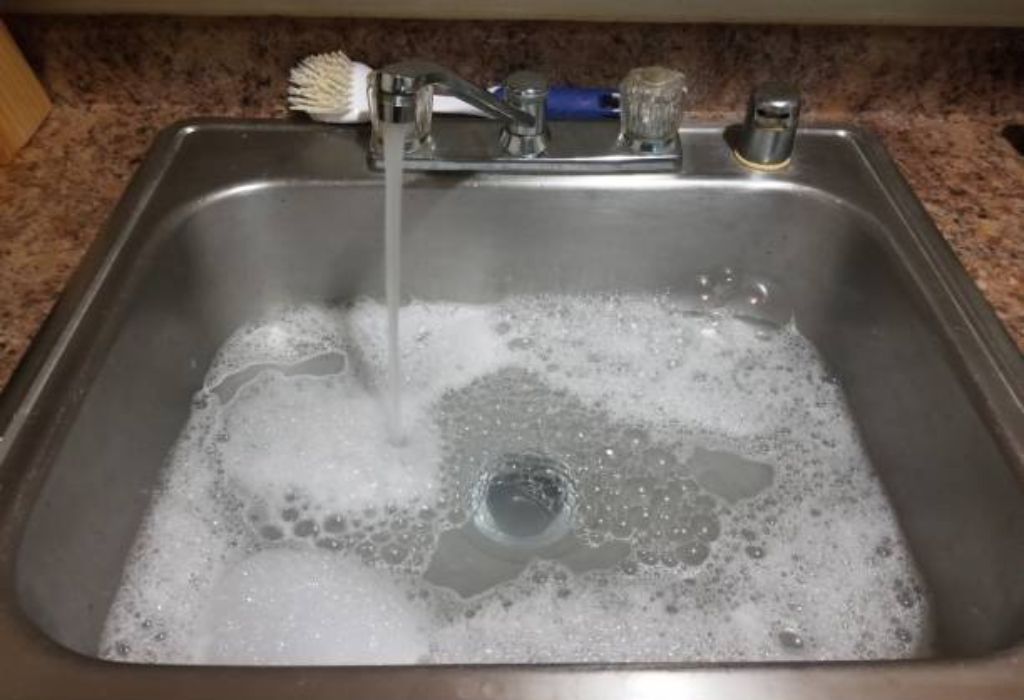
The sink fills when the dishwasher drains because both share a common line leading to the garbage disposal or main drainpipe. If that line is clogged or blocked, the dishwasher’s wastewater has nowhere to go. It forces its way up the path of least resistance — the sink.
Over time, food scraps, grease, soap scum, and coffee grounds accumulate in the pipes. The buildup restricts water flow, creating pressure during draining cycles. The result: water backing up into the sink instead of going down the drain.
Sometimes the blockage sits at the garbage disposal inlet. When that happens, the dishwasher pumps water into a partially blocked drain, which pushes it right into the sink basin. If you recently installed a new disposal and didn’t remove the knockout plug where the dishwasher hose connects, the same problem occurs.
Even if the drain appears clear, buildup inside deeper pipes or venting issues can cause similar symptoms. That’s why visual inspection isn’t always enough — you may need to check the entire drainage system to locate the restriction.
Is this problem dangerous?
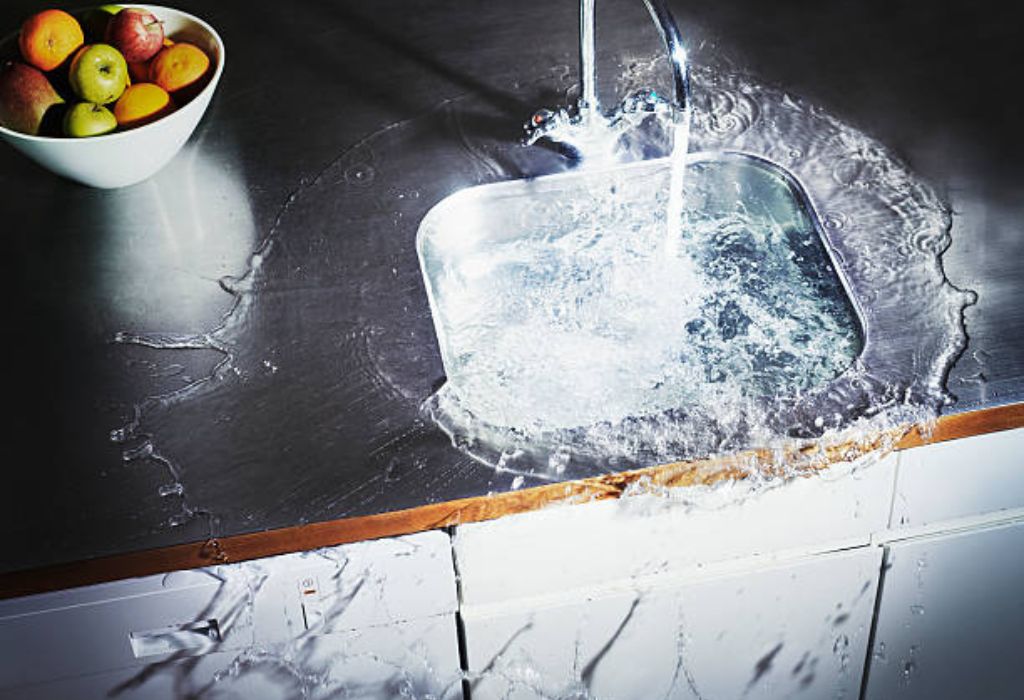
Not usually, but it can cause overflows and damage cabinets if left unresolved.
Does it mean the dishwasher is broken?
No, the issue is almost always a drain blockage, not a mechanical failure.
Can air bubbles indicate blockage?
Yes, bubbling or gurgling in the sink suggests trapped air and water pressure imbalance.
Should I stop using the dishwasher immediately?
Yes, avoid running it until you’ve cleared the clog to prevent flooding.
Can the backup contaminate dishes?
Yes, if water flows backward, it may carry food residue or bacteria from the sink drain.
Common Causes of Sink Backup During Dishwasher Drain
Dishwasher water backing up into the sink has several possible causes, from simple clogs to plumbing design flaws. Understanding these will help you fix the root problem, not just the symptoms.
The most common reason is a clogged garbage disposal. Food particles often collect at the dishwasher drain inlet inside the disposal. If this inlet is partially blocked, water from the dishwasher cannot pass through, so it flows into the sink.
Another culprit is grease buildup in pipes. When hot water from your dishwasher cools down, grease solidifies inside the drain walls, restricting flow over time.
A blocked air gap or high-loop failure can also cause backflow. The air gap (a small cylinder next to your faucet) prevents wastewater from re-entering the dishwasher. If clogged, it fails to stop water from backing up into the sink.
Lastly, improper plumbing installation, especially with new dishwashers, can create poor drainage angles that trap water and cause repeated sink backups.
How to Fix a Sink Filling With Water From Dishwasher
Fixing this issue depends on what’s causing it, but you can often solve it without calling a plumber. Start with simple steps first.
If your sink has a garbage disposal, run it for at least 30 seconds while flushing with cold water. This clears food debris that might be blocking the dishwasher inlet. Then, disconnect the dishwasher drain hose from the disposal and inspect for buildup.
Next, try plunging the sink. Use a sink plunger (not a toilet plunger) and cover the other drain hole with a wet cloth. Pump vigorously for 30–40 seconds, then run hot water to see if the clog moves.
If water still backs up, remove the P-trap under the sink. Place a bucket underneath and unscrew the connectors. Clear any sludge or debris inside, then reattach and test the system again.
If all else fails, you may need to snake the drain line or call a professional to inspect for deeper blockages.
Can baking soda and vinegar fix the clog?
Yes, pour half a cup of each down the drain and flush with boiling water after 15 minutes.
Should I use chemical drain cleaners?
Avoid them — they can damage pipes and rubber seals.
How long should I plunge the drain?
About 30 seconds per attempt; if no improvement, move to the next method.
Do I need to unplug the dishwasher first?
Yes, always disconnect power before touching hoses or plumbing parts.
Will a plumber’s snake reach far enough?
A 10–15-foot hand auger usually clears blockages between the dishwasher and sink.
Checking the Garbage Disposal and Knockout Plug
If your sink fills with water every time the dishwasher drains, your garbage disposal might be to blame. New disposals come with a small knockout plug in the dishwasher inlet port. If the plug isn’t removed during installation, the water from the dishwasher can’t enter, forcing it into the sink instead.
To check, disconnect the dishwasher hose from the disposal and inspect the port. If you see a solid plastic plug inside, gently punch it out with a screwdriver and hammer. Be sure to retrieve the piece so it doesn’t wash into your pipes.
If the knockout plug is already removed, the issue may be buildup or a clog inside the disposal. Run water and turn on the disposal while the dishwasher drains — if water clears easily, the clog is gone. If not, cleaning or replacement might be necessary.
Proper installation and maintenance of the disposal are crucial to keeping both appliances draining correctly.
Inspecting the Air Gap and Drain Hose
Your dishwasher’s drain system relies on air flow to prevent water from siphoning backward. That’s where the air gap or high loop setup comes in.
The air gap, usually a small chrome or plastic cylinder near your sink faucet, creates space between the dishwasher hose and the drain line. This gap allows air to enter, breaking suction that could otherwise pull wastewater back into the dishwasher.
If it becomes clogged with food debris, soap scum, or grease, drainage slows, and water may back up into the sink. Remove the cap, clean the inside with a small brush, and flush with water.
If your system uses a high loop instead of an air gap, ensure the hose is mounted higher than the sink drain. Gravity helps prevent backflow this way.
Preventing Sink Backups When Using the Dishwasher
The best solution to this problem is prevention. Regular maintenance keeps both your sink and dishwasher draining freely.
Avoid dumping grease, coffee grounds, or fibrous food scraps down the sink. These harden or tangle inside pipes and cause slow drainage.
Once a week, flush your sink drain with hot water and a tablespoon of baking soda followed by vinegar. This keeps pipes clear and eliminates odors.
Run your dishwasher with a full load only. Partial loads waste water and increase pressure inside the drain lines, which can force buildup loose and clog the system faster.
Lastly, clean your air gap or high loop connection monthly and inspect the garbage disposal inlet for debris.
Can a clogged vent pipe cause sink backup?
Yes, roof vent blockages trap air and cause slow or reverse drainage.
Should I replace my drain hose regularly?
Every 5–7 years or sooner if it shows kinks or residue buildup.
Does running cold water help during dishwasher cycles?
Yes, it solidifies grease and pushes debris through instead of letting it cling.
Will a drain filter help prevent clogs?
Absolutely. Mesh filters catch debris before it enters the pipe.
Can professional drain cleaning stop future issues?
Yes, hydro-jetting clears buildup and keeps drains flowing freely for months.
Conclusion
A sink that fills with water while your dishwasher runs isn’t a sign of failure — it’s a plumbing warning. The drain lines are simply overloaded or obstructed, and water finds the only way out: back into your sink.
The solution is usually straightforward. Start by cleaning the disposal inlet, checking the air gap, and clearing any pipe clogs. Regular maintenance — weekly hot-water flushing and monthly vinegar rinses — keeps everything running smoothly.
By understanding how your sink and dishwasher share the same plumbing, you can prevent future backups and protect your kitchen from messy, smelly overflows. With a little attention, you’ll have a clean drain, clean dishes, and a stress-free kitchen once again.

I’m Emma J. Caldwell, the founder, lead writer, and home-cooking enthusiast behind KitchenGuideCo.com. With a background in culinary arts and over a decade of cooking experience in both professional and personal kitchens, I created this platform to demystify recipes, offer smart kitchen gadget reviews, and guide readers through meal prep with confidence and clarity.