You finish your morning coffee and get ready to toss your Yeti tumbler into the dishwasher. Just before you press start, a small doubt creeps in, are Yetis really dishwasher safe? Many owners hesitate because they don’t want to damage their expensive drinkware.
When Yeti first released its rugged stainless-steel cups and bottles, the brand didn’t clearly state whether dishwashers were safe. People assumed hand washing was the only option to protect the insulation and coating. Over time, that assumption turned into a myth among loyal Yeti users.
However, today’s Yeti drinkware is built with far more advanced materials. The company now guarantees that all Rambler products, from tumblers to bottles, are safe to wash in any standard dishwasher. The stainless-steel body and powder-coated finish can easily withstand high heat and detergent.
Even with that assurance, washing your Yeti correctly still matters. Small mistakes, such as placing it near the heating coil or using harsh detergent, can reduce its lifespan. Knowing the right method ensures your cup looks and performs like new.
In this detailed guide, we’ll uncover which Yeti products are dishwasher safe, how to clean them properly, and what to avoid. You’ll also learn professional care tips that keep your drinkware spotless for years. Let’s dive in and separate facts from myths once and for all.
Understanding Yeti Drinkware Materials
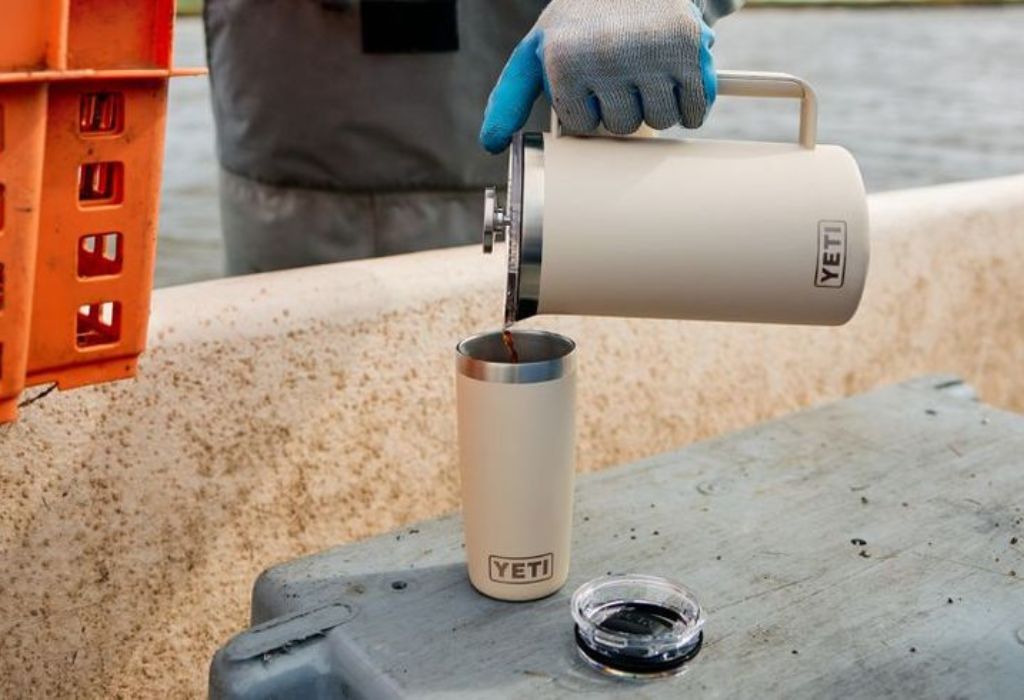
Yeti drinkware is built from premium 18/8 stainless steel, known for its durability and corrosion resistance. This material can handle extreme temperatures and still maintain its shape and finish. It’s the same quality used in commercial kitchens and professional cookware.
The inner walls of Yeti cups and bottles feature smooth electropolished steel. This polished surface prevents odor buildup and makes cleaning easier after every use. It also ensures that flavors from coffee or other drinks do not linger.
Most Yetis have a powder-coated exterior that provides a comfortable grip and bold color. This protective layer is fade resistant and scratch resistant, keeping your drinkware looking new for years. It also helps prevent fingerprints and stains.
Inside the double walls, a vacuum layer maintains temperature stability. This insulation technology keeps hot drinks hot and cold drinks cold for long periods. The strong construction allows Yetis to perform in both freezing and scorching environments.
Every Yeti component, from lid to base, is designed for daily wear and tear. Whether you take it hiking, to the office, or on a fishing trip, it withstands impact without losing efficiency. That rugged design is what makes Yeti one of the most trusted drinkware brands worldwide.
Understanding how each material works helps you appreciate why Yetis are dishwasher safe. The stainless steel and coating are engineered to survive high heat and detergent without losing shine or performance.
Are Yeti Cups and Bottles Dishwasher Safe
Yes, Yeti cups, bottles, and tumblers are officially dishwasher safe. The company confirmed that all Rambler series drinkware can withstand the heat and pressure of a standard dishwasher. This includes stainless steel, powder-coated, and colored versions.
The 18/8 stainless steel used in Yetis resists warping, rusting, and cracking. Whether you wash them daily or weekly, the metal remains shiny and intact. The insulation layer between the steel walls also remains sealed and unaffected by heat.
Yeti’s powder coating, known as Duracoat, is specially formulated to survive frequent cleaning. It does not fade or peel even after many dishwasher cycles. This ensures your colored tumblers and bottles keep their original look and texture.
The company’s MagSlider lids and accessories are also safe for dishwasher cleaning. These parts are made from BPA-free plastic that resists distortion from heat. However, removing the small magnetic slider before washing helps achieve a deeper clean.
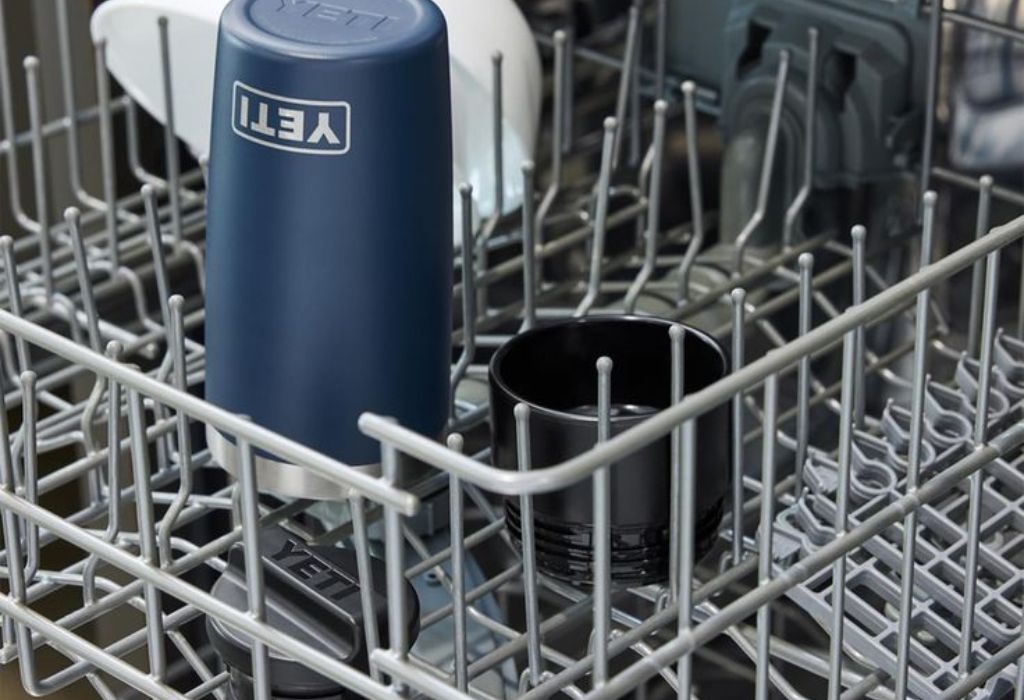
You can place your Yeti on the top rack of the dishwasher for the best results. The top rack provides gentle cleaning pressure and avoids direct heat exposure from the bottom element. This keeps your drinkware safe and spotless after every wash.
Following these simple cleaning practices ensures your Yeti maintains its durability and performance for many years. The brand’s dishwasher-safe guarantee is a testament to its engineering quality and consumer focus.
How to Wash Yeti Cups and Bottles in the Dishwasher
Before washing your Yeti in the dishwasher, always remove the lid, gasket, and straw if it has one. Separating the parts ensures that water and detergent can reach every surface. This prevents trapped residue and lingering odors.
Place your Yeti cup or bottle on the top rack of the dishwasher. The top rack keeps it away from the heating element and reduces exposure to direct heat. This position also allows for even water coverage during the cleaning cycle.
If your Yeti has a colored powder coating, rest assured it will stay intact. The coating is designed to resist fading even after many washes. Keeping it on the top rack helps preserve its shine and prevents scratches.
Always use a mild detergent for cleaning. Strong chemicals or harsh cleaners can weaken rubber seals and reduce their flexibility. A normal dishwasher cycle with warm water is perfect for daily washing.
After the wash cycle ends, remove the Yeti immediately and let it air dry. Leaving it in the steamy dishwasher for too long can trap moisture around the gasket or lid. Wiping it with a soft towel helps prevent water spots and keeps the surface glossy.
Cleaning your Yeti correctly not only removes stains and smells but also maintains its insulation quality. Following this simple method ensures your drinkware stays clean and durable for many years.
Can I wash my Yeti cup every day in the dishwasher?
Yes, daily dishwasher cleaning is completely safe for all Yeti drinkware and will not affect its insulation or finish.
Should I place the Yeti upside down or upright?
Always place it upside down on the top rack for the best water flow and drainage during cleaning.
Can hot dishwasher water damage the stainless steel?
No, Yeti’s 18/8 stainless steel easily withstands high temperatures and will not warp or rust.
Is it okay to leave my Yeti in the dishwasher overnight?
It’s better to remove it after the cycle to air dry, as trapped steam can cause moisture around the gasket.
Do I need a special detergent for Yetis?
No, a mild regular dishwasher detergent works perfectly and will not harm the coating or metal.
Can I wash multiple Yetis together in one load?
Yes, as long as they are spaced apart and not touching heavy utensils to prevent scratches.
Should I remove the lid before every wash?
Always remove the lid and accessories to allow complete cleaning and avoid moisture buildup inside.
When to Hand Wash a Yeti Instead
Even though Yetis are dishwasher safe, some situations still call for hand washing. Hand washing can help protect decorative coatings, older models, and rubber components. It also allows for more detailed cleaning in hard-to-reach areas.
If your Yeti has custom prints, logos, or laser engraving, hand washing is best. Dishwashers can cause the color to fade or the design to wear off over time. A gentle hand wash helps preserve those personalized details.
Older Yeti models made before 2015 were not tested for dishwasher safety. Their insulation seals and coatings may not handle high heat as well as modern versions. Using warm water and mild soap keeps them clean without damage.
To hand wash, fill your sink with warm water and a few drops of dish soap. Use a soft sponge or bottle brush to scrub the interior thoroughly. Avoid abrasive pads, which can scratch the metal surface.
After cleaning, rinse the cup or bottle well with warm water. Dry it upside down on a clean towel to prevent water spots. Always ensure the gasket and lid are completely dry before reassembling.
Hand washing takes a few extra minutes, but it keeps your Yeti in perfect shape for years. Alternating between dishwasher cycles and manual cleaning is the best balance for long-term care.
Why should I hand wash older Yeti models?
Older Yetis made before 2015 may not have the upgraded coating and seal tested for dishwasher heat.
Can hand washing remove tough coffee stains?
Yes, warm water, mild soap, and a soft sponge easily remove stains without damaging the surface.
Is it okay to use vinegar for deep cleaning?
Yes, mixing vinegar with warm water helps remove lingering odors and restores freshness.
Can I use a bottle brush for narrow Yeti bottles?
Absolutely, a soft nylon brush works best to reach deep corners and clean without scratching.
How long should I soak my Yeti while hand washing?
About ten minutes is enough to loosen residue before gently scrubbing.
What kind of sponge is safe for cleaning Yetis?
A soft or non abrasive sponge is ideal because it won’t scratch the metal or coating.
Is hand washing better for printed or custom Yetis?
Yes, custom printed or engraved Yetis should always be hand washed to protect the design.
Common Mistakes to Avoid When Cleaning Yetis
Cleaning a Yeti might seem simple, but a few small mistakes can shorten its lifespan. Using harsh detergents, high heat, or the wrong cleaning tools can damage the finish and seals. Avoiding these errors keeps your drinkware looking new for longer.
Never place your Yeti on the bottom rack of the dishwasher. The heat source under that rack is too strong for the rubber gaskets and plastic parts. Always use the top rack, where the temperature is milder.
Avoid using bleach, chlorine, or abrasive cleaners. These chemicals can corrode the stainless steel surface and weaken the insulation seal. Mild dish soap is always the safest choice for cleaning.
Do not use steel wool or rough scrubbing pads. These materials can scratch the powder-coated exterior and dull the shine of the metal. A soft sponge or microfiber cloth is ideal for both washing and drying.
Leaving your Yeti closed while it is wet is another common mistake. Moisture trapped inside can lead to mold or unpleasant odors over time. Always let your Yeti air dry completely before sealing it again.
Lastly, never soak your Yeti for long hours in boiling water or strong cleaning solutions. Extended exposure to extreme temperatures can damage the rubber gasket and weaken the magnetic lid. Gentle care and timely cleaning are the keys to a long-lasting Yeti.
Can I wash my Yeti on the bottom rack of the dishwasher?
No, the bottom rack gets too hot and can damage gaskets or plastic components over time.
Is bleach safe for cleaning the inside of a Yeti?
No, bleach can corrode stainless steel and break down the internal seals.
Can I scrub the exterior with a steel pad?
Never use metal pads because they scratch the powder coating and dull the finish.
Why does my Yeti still smell after washing?
Odors may be trapped under the gasket or lid; remove and clean those parts separately.
Can I wash my Yeti with other cookware?
Yes, but avoid contact with sharp metal utensils or pans that can cause small dents or scratches.
Does the dishwasher affect the vacuum insulation?
No, the insulation is sealed between two steel walls and remains unaffected by water or detergent.
Why is my lid leaking after cleaning?
The gasket might be misplaced or not reattached tightly after washing; ensure it sits evenly before use.
Can the Yeti Lid, Straw, and Accessories Go in the Dishwasher
Yes, Yeti lids, straws, and accessories are all safe to clean in the dishwasher. The materials used in these parts are BPA free and designed to handle both hot and cold wash cycles. Keeping them clean regularly helps maintain hygiene and performance.
Before placing the lid in the dishwasher, always separate the magnetic slider if your model has one. Tiny crumbs or residue can hide beneath the magnet over time. Removing it ensures every part gets a deep and thorough clean.
Place the lid and small accessories on the top rack for best results. The top rack has gentler water pressure that prevents small parts from bending or loosening. It also helps them dry faster without warping.
Yeti straws can be washed in the dishwasher too, but it is better to place them in the utensil basket. This keeps them from falling through the rack and ensures they stay in place during the wash. Rinse them right after use to prevent buildup before putting them in the machine.
Rubber gaskets and seals are also dishwasher safe, but it is best to remove them first. Cleaning them separately helps remove any trapped liquid or bacteria. Make sure they are completely dry before reattaching to prevent mold.
Taking a few minutes to separate and wash each piece ensures your Yeti accessories stay in perfect condition. Regular cleaning prevents odors and keeps your drinkware fresh every time you use it.
How to Clean Yeti Gasket and Lid Properly
The gasket and lid are the most important parts to clean because they collect residue and moisture. A dirty gasket can lead to unpleasant smells and even mold growth. Regular deep cleaning ensures your Yeti stays hygienic and odor free.
Start by removing the rubber gasket from the lid gently with your fingers. It usually slides out easily without tools. Cleaning the gasket separately helps remove coffee or juice stains trapped underneath.
Soak the gasket and lid in warm, soapy water for ten to fifteen minutes. Use a soft brush or cloth to scrub around the edges and small crevices. This helps remove residue that simple rinsing might miss.
Rinse both parts thoroughly under warm running water. Make sure no soap remains on the rubber or plastic areas. Leftover detergent can affect the taste of your next drink.
Let the parts air dry completely before reassembling. Reattaching the gasket while it is damp can trap moisture and cause mildew. A completely dry gasket ensures a perfect seal every time you close your Yeti.
Cleaning these components regularly keeps your drinkware fresh and safe. It also prevents leaks and extends the life of the lid and rubber materials.
How to Remove Stains and Odors from Yetis
Even the best drinkware can develop stains or odors over time. Coffee, tea, and smoothies often leave marks that are hard to remove with soap alone. Using natural cleaners can help restore your Yeti’s brightness and freshness.
Mix baking soda and water to form a gentle cleaning paste. Apply it to the stained areas and scrub using a soft bottle brush. The mild abrasiveness of baking soda removes residue without scratching the steel.
For stubborn odors, fill your Yeti with equal parts vinegar and warm water. Let it sit for about thirty minutes, then rinse thoroughly. The vinegar neutralizes smells and disinfects the interior naturally.
Lemon juice also works well as a freshening agent. Its acidity breaks down residue and leaves a pleasant scent. You can combine it with salt for an extra polishing effect.
Avoid using bleach or chemical odor removers because they can damage the coating. Natural solutions are safer, cheaper, and more effective. Regular deodorizing helps keep your Yeti tasting fresh every day.
Following these steps once a week will keep your Yeti spotless and smelling clean. Consistent maintenance prevents buildup and keeps your drinks pure and enjoyable.
How Long Do Yeti Cups Last with Proper Care
One of the biggest advantages of owning a Yeti is its long lifespan. These drinkware products are made to last for many years when properly maintained. With a little care, they can serve you perfectly for more than a decade.
The stainless steel construction is resistant to rust, corrosion, and physical impact. Even after daily use, it holds its shape and shine. Proper cleaning prevents minor scratches that could dull its appearance.
Regularly checking the lid, gasket, and insulation helps ensure full functionality. Replacing worn out parts keeps your Yeti working like new. Small repairs are far cheaper than buying a replacement.
Dishwasher safe materials make it easy to clean without reducing durability. However, alternating with gentle hand washing helps extend its life even further. Balanced care protects both the coating and internal seals.
Avoid dropping your Yeti or exposing it to open flames. Extreme heat can damage the vacuum insulation, reducing temperature control. Storing it safely after use adds years to its performance.
With regular maintenance and proper cleaning habits, a Yeti can last nearly a lifetime. The combination of strong materials and smart care practices guarantees value far beyond its initial cost.
Why Yeti Recommends Dishwasher Safety
Yeti’s decision to label its drinkware as dishwasher safe came after years of testing and research. The company wanted to ensure that every cup and bottle could handle repeated high heat and strong detergents. These tests proved that Yeti products could maintain their strength and appearance even after hundreds of washes.
The 18/8 stainless steel used in Yetis is non reactive and corrosion resistant. This means it will not rust, warp, or lose its polish even after many dishwasher cycles. The material easily withstands the temperature and pressure of modern dishwashers.
Yeti’s powder coat finish is also designed for durability. It does not peel or fade when exposed to heat or water. This makes it ideal for customers who prefer easy cleaning without sacrificing looks.
The BPA free plastic lids and accessories are made from materials that resist heat deformation. They keep their shape and clarity even in long cleaning cycles. This combination of strength and flexibility makes every Yeti part safe for dishwasher use.
By officially approving dishwasher cleaning, Yeti made maintenance much simpler for customers. It ensures hygiene without compromising performance or insulation.
This convenience is one of the main reasons Yeti remains a top choice among premium drinkware users.
Dishwasher safety also reassures customers that their investment is protected. Every Yeti is built to last, and the ability to handle daily cleaning adds long term value. The company’s focus on convenience and durability reflects its commitment to quality and innovation.
Why did Yeti start recommending dishwasher cleaning for its products?
Yeti approved dishwashers after testing their stainless steel and coatings under high heat and strong detergents to confirm durability.
Does repeated dishwasher use affect the Yeti’s insulation?
No, the insulation is sealed between steel walls and remains unaffected by water or temperature changes.
Can dishwasher cleaning damage the Yeti’s powder coating?
No, the Duracoat finish is heat resistant and specifically designed to maintain its color and texture even after many cycles.
Why is dishwasher cleaning better than hand washing for some users?
Dishwashers save time, ensure thorough cleaning, and sanitize with high heat, making them ideal for daily use.
Did Yeti test its lids and accessories for dishwasher safety too?
Yes, every lid, straw, and MagSlider component was tested to handle heat and pressure without warping or losing fit.
Extra Tips for Keeping Your Yeti Clean
Keeping your Yeti clean is simple when you follow a few consistent habits. Rinsing it after every use prevents residue buildup and makes deep cleaning easier. A quick rinse with warm water helps remove sugar, milk, or coffee stains before they dry.
Once a week, deep clean your Yeti using natural ingredients like baking soda and vinegar. Pour a teaspoon of baking soda into the cup and add warm water to create foam. Let it sit for a few minutes, then rinse thoroughly to remove stains and odors.
Avoid storing your Yeti with the lid closed when it is still damp. Moisture trapped inside can lead to mold or musty smells. Always let it dry upside down with the lid off before storing.
Inspect the rubber gasket every few weeks. If it becomes loose or cracked, replace it to maintain a proper seal. New gaskets keep your Yeti leak proof and free from bacteria buildup.
If your Yeti develops a cloudy interior, use a mixture of lemon juice and warm water to polish it. The acid in the lemon removes mineral deposits and restores shine. This method keeps your drinkware looking as good as new.
Lastly, avoid leaving coffee, tea, or soda inside for long hours. These drinks can stain or affect the taste of the next beverage. Regular cleaning and immediate rinsing keep your Yeti fresh and ready for daily use.
Conclusion
Yes, Yetis are completely dishwasher safe, but cleaning them properly is what keeps them in top condition. From stainless steel tumblers to MagSlider lids, every component is built to handle modern dishwasher cycles. Following the correct washing method ensures your Yeti stays spotless and functional for years.
Even though dishwashers make cleaning easier, alternating between machine and hand washing helps extend durability. Regular care prevents odor buildup, scratches, and wear on rubber parts. Proper maintenance keeps your Yeti performing as strongly as the day you bought it.
A quick rinse after each use and gentle cleaning habits go a long way. Avoid harsh detergents and always let your Yeti dry completely before closing the lid. These small steps maintain shine, hygiene, and insulation efficiency.
When cared for correctly, a Yeti becomes more than a simple cup or bottle. It remains a dependable companion for coffee lovers, travelers, and outdoor enthusiasts everywhere. Clean it well and enjoy perfect drinks every time, without worry or hassle.

I’m Emma J. Caldwell, the founder, lead writer, and home-cooking enthusiast behind KitchenGuideCo.com. With a background in culinary arts and over a decade of cooking experience in both professional and personal kitchens, I created this platform to demystify recipes, offer smart kitchen gadget reviews, and guide readers through meal prep with confidence and clarity.