Imagine finishing a big family dinner, the table piled high with greasy plates and sticky glasses. Instead of scrubbing for hours, you load everything into your dishwasher, press a button, and walk away. Minutes later, the same dishes emerge spotless and warm, ready to use again.
But have you ever wondered what happens inside that stainless-steel box during those magical minutes?
A dishwasher is more than a simple cleaning appliance. It’s a smart machine that uses a mix of water pressure, precise heat, and chemistry to eliminate even the toughest food stains.
The process involves several carefully timed stages, each designed to clean efficiently while saving both water and energy.
From the moment you close the door, sensors, valves, pumps, and spray arms begin a synchronised performance to bring your dishes back to life.
Over the years, dishwashers have evolved from bulky mechanical tools into sleek, intelligent helpers that think for you. They can measure how dirty your plates are, adjust water temperature automatically, and even notify you when detergent is running low.
Understanding how your dishwasher works not only satisfies curiosity but also helps you maintain it better and save money on repairs.
In this detailed guide, we’ll open the door to your dishwasher’s inner workings. You’ll learn what each component does, how the cleaning cycle unfolds, and how modern technology ensures spotless dishes every time. Get ready to discover the fascinating science that turns grime into shine.
The Basic Components of a Dishwasher
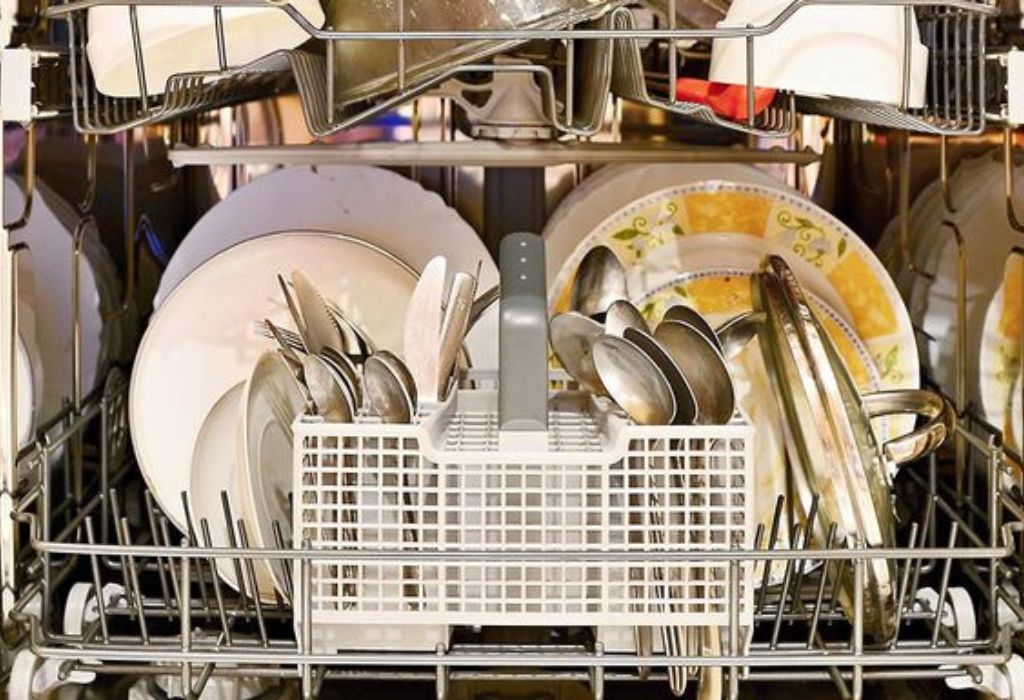
A dishwasher might look simple from the outside, but inside it’s a complex combination of mechanical, electrical, and hydraulic systems. Each component plays a vital role in ensuring that every dish comes out clean and dry.
Understanding these internal parts helps you troubleshoot issues and appreciate the machine’s efficiency.
At the heart of every dishwasher lies the pump, which acts as the machine’s circulatory system. It forces water from the bottom reservoir through spray arms to clean your dishes with high pressure.
Once the cycle is over, the same pump reverses its function to drain out the dirty water through the outlet hose.
The spray arms are equally crucial, rotating at high speed and distributing pressurised water evenly. These arms contain tiny holes that shoot streams of hot water to dissolve food particles and grease.
Depending on the model, there might be two or three spray arms placed strategically for full coverage.
Next comes the filter system, responsible for trapping leftover food particles. The primary filter catches large debris, while a finer mesh collects smaller bits to prevent clogs. Cleaning this filter regularly ensures your dishwasher runs smoothly and maintains water flow.
Another essential part is the heating element, which heats the water during washing and drying. It’s typically located at the bottom and works alongside sensors to maintain ideal temperatures for different cycles.
Without it, detergent wouldn’t dissolve properly, and drying performance would drop significantly.
The detergent dispenser releases soap at a precise stage in the wash cycle. It’s designed to open automatically once the water reaches the right temperature and pressure. Modern machines use electronic timers to control this with pinpoint accuracy.
Finally, modern dishwashers come equipped with smart sensors that detect water temperature, load size, and soil levels.
These sensors optimise cleaning performance by adjusting time and energy use. This automation makes dishwashers more efficient and eco-friendly than ever before.
How the Cleaning Cycle Begins
The cleaning cycle begins the moment you load your dishes and close the dishwasher door. While this seems simple, several precise processes start working together in perfect coordination. From water filling to pre-heating, every step is carefully timed to ensure spotless cleaning.
It all starts with loading the dishes correctly, which determines how efficiently the water can reach each surface.
Plates and bowls should face inward toward the spray arms, while cups and glasses belong on the top rack. If items are stacked improperly, water jets can’t reach hidden areas, leaving spots or residue.
Once the door is securely closed, the dishwasher’s safety latch activates to prevent leaks. You press the start button, and the control board immediately signals the inlet valve to open.
This allows the right amount of water to enter the bottom basin, usually pre-measured based on the selected wash program.
The inlet valve acts like a controlled gateway, ensuring only a specific volume of water fills the tub. If it allows too much or too little water, the cleaning performance suffers.
This valve works in sync with sensors that detect pressure and stop the filling process automatically once the ideal level is reached.
As water enters, the circulation pump activates, pushing it through the spray arms. Before detergent is added, the initial rinse helps loosen light food debris and prepare the dishes for deeper cleaning. This pre-rinse phase reduces the chance of baked-on grime later in the cycle.
During this stage, the dishwasher’s control system monitors time and temperature. It decides when to move from filling to washing, ensuring everything stays perfectly synchronised. A tiny misstep here could lead to an incomplete wash or wasted energy.
The cycle’s beginning might be quiet, but it sets the foundation for all cleaning stages that follow. Every drop of water, every spin of the spray arm, and every pulse of the pump is part of a sequence that transforms dirty dishes into sparkling ones.
Water Heating and Detergent Dispensing Process
Once the dishwasher fills with water, the next critical stage is heating it to the right temperature. This step is essential because hot water dissolves grease, activates detergent enzymes, and sanitises dishes effectively. Most dishwashers heat water between 120°F and 160°F to achieve optimal cleaning.
The heating element, located at the bottom of the tub, is responsible for raising the temperature.
It works under the control of a thermostat that ensures the water doesn’t get too hot or too cold. This balance ensures your dishes are cleaned safely without warping plastics or dulling glassware.
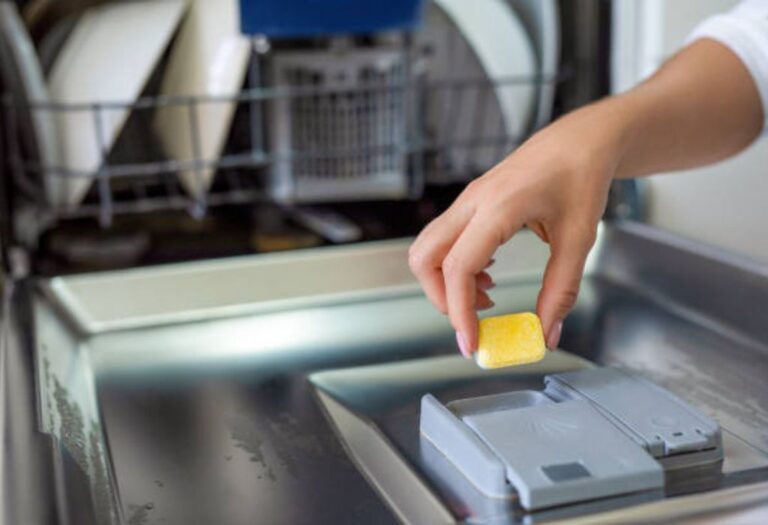
When the water reaches the perfect temperature, the dishwasher’s detergent dispenser comes into action. It opens automatically to release detergent pods or powder into the washing chamber. The timing is crucial because releasing it too early or late would reduce cleaning performance.
The detergent then mixes with hot water to create a soapy solution that breaks down oils and food particles.
The spray arms distribute this solution evenly across all racks, ensuring that every surface gets proper exposure. The powerful combination of pressure, temperature, and chemistry begins to loosen stuck-on debris.
Modern dishwashers use electronic control systems to determine the exact moment for detergent release. These systems rely on sensors that measure water clarity, temperature, and wash phase. As a result, the detergent is only dispensed when it will be most effective.
Some high-end dishwashers also use pre-wash detergent compartments, allowing a small amount to release early for heavily soiled loads. This dual-phase process ensures even stubborn stains get dissolved before the main wash. The precision of this mechanism showcases how advanced modern dishwashers have become.
By the end of this stage, the water is fully heated, detergent is dispersed, and all surfaces are coated in cleaning solution. The dishwasher is now ready to move on to the most dynamic part of its cycle, the powerful spray and cleaning mechanism.
The Spraying and Cleaning Mechanism
This stage is where the dishwasher truly comes alive, turning hot, detergent-filled water into high-pressure jets that blast away grime.
The cleaning mechanism relies on powerful circulation pumps, rotating spray arms, and precise water distribution. Together, they make sure every dish gets thorough attention.
The circulation pump acts like the heart of the dishwasher, pushing water upward with significant pressure. This water moves through channels connected to the spray arms, which rotate rapidly to reach every corner.
The consistent water pressure ensures that grease and dried food residues are loosened from surfaces.
Each spray arm is designed with tiny nozzles that release jets of water in multiple directions. The bottom arm targets large pots and pans, while the top arm focuses on cups, glasses, and delicate utensils. Some models even feature a third mini arm at the top for superior coverage and faster rinsing.
As the spray arms rotate, water and detergent mix continuously, scrubbing every plate and glass without manual effort.
The powerful jets can remove baked-on food, dried sauce, and even light grease layers. It’s a high-speed, water-driven cleaning process that mimics hand scrubbing but with far more consistency.
The control board plays an important role during this stage, managing pump speed and spray direction.
Some modern dishwashers alternate water flow between the upper and lower racks to conserve water. This intelligent distribution ensures both racks get equally cleaned without wasting energy.
Sensors inside the dishwasher monitor water turbidity, which measures how cloudy the water becomes from dirt. If it detects heavy soil, it extends the cleaning duration automatically. This adaptive mechanism ensures optimal performance for both light and heavily soiled loads.
By the end of this phase, the water inside the dishwasher is cloudy with dissolved food particles. The machine then prepares to filter and drain this dirty water before moving to the rinse phase. What follows next is the crucial process that removes all that dirt for good.
How Dirty Water Is Filtered and Drained
Once the washing phase finishes, the dishwasher must remove all the dirty, soapy water before rinsing can begin.
This process involves an efficient system of filters, pumps, and hoses working in perfect coordination. Together, they ensure the water leaving the machine is free from debris and grease.
At the bottom of the dishwasher sits the filter assembly, which captures food particles and prevents them from recirculating.
Most models use a two-part filter system: a coarse filter for large debris and a fine mesh for smaller residues. Cleaning these filters regularly keeps the water flow smooth and prevents foul odours.
After filtration, the drain pump takes over to push the dirty water out of the machine. This pump is powerful enough to move both water and small food particles through the drain hose. It typically connects to your sink’s plumbing or a dedicated drain line, ensuring proper disposal.
The drain hose plays a critical role in this stage, guiding wastewater away from the dishwasher. It must be positioned correctly with a high loop to prevent backflow. Incorrect installation can cause dirty water to return into the dishwasher, leading to unpleasant smells or unclean dishes.
Modern dishwashers are equipped with check valves, which act like one-way doors for water. They prevent used water from flowing back once it’s drained. This simple yet effective mechanism ensures hygiene and prevents contamination during subsequent cycles.
Some high-end models feature self-cleaning filters, using high-pressure bursts of water to flush away debris.
This reduces the need for manual maintenance and keeps the dishwasher performing at peak efficiency. Regularly inspecting the filter and drain area still helps extend the machine’s lifespan.
By the end of this phase, all dirty water has been drained away, leaving the tub clean for the next step. The dishwasher now prepares to refill with fresh water for rinsing and drying, ensuring every dish is spotless and residue-free.
The Rinse and Drying Phases
Once the dirty water is completely drained, the dishwasher starts its rinse phase with a fresh supply of clean water. This step removes any remaining detergent, food particles, or grease left from the previous wash. It ensures that your dishes come out sparkling and safe for use.
During rinsing, the spray arms are reactivated, but this time they distribute clean water instead of a soapy mixture.
The jets rinse every corner of your dishes with precision, ensuring no residue is left behind. This phase may repeat more than once depending on the selected wash program.
The final rinse usually involves heated water, which serves two purposes — sanitising and aiding in faster drying. The high temperature kills bacteria and helps water droplets evaporate more quickly. It’s a key factor that determines the final shine and cleanliness of your dishes.
Most modern dishwashers include a rinse aid dispenser, which releases a small amount of liquid during this stage.
The rinse aid reduces surface tension, allowing water to slide off easily instead of forming droplets. This prevents water spots, streaks, and cloudy finishes on glassware.
After the rinse, the dishwasher transitions to the drying phase. There are several drying methods used in modern machines, including heated drying, fan-assisted drying, and condensation drying.
Each system works differently, but all aim to remove as much moisture as possible from your dishes.
The heating element plays a key role once again during drying. It warms the air inside the dishwasher, causing moisture to evaporate and condense on the cooler walls. The fan then circulates the warm air to ensure even drying across all items.
Some energy-efficient models skip the heating process and use residual heat drying, which relies on the natural heat from the rinse water.
This method saves electricity and is gentler on delicate plastics. Regardless of the method used, the result is always the same, perfectly dry and gleaming dishes ready for the cupboard.
Sensors and Automation in Modern Dishwashers
Modern dishwashers are far more advanced than the early mechanical versions. They rely on smart sensors and automated systems to optimise cleaning, water usage, and power consumption.
These innovations make dishwashers not only efficient but also intelligent household companions.
One of the most important features is the soil sensor, which measures how dirty the water becomes during washing.
If it detects heavy soil, the dishwasher automatically extends the wash time or increases water temperature. This ensures that even the dirtiest dishes come out spotless without user intervention.
The turbidity sensor works similarly by checking the clarity of the water throughout the cycle. When the water becomes clear, the dishwasher knows the dishes are clean and moves to the next stage. This prevents over-washing and saves both energy and time.
Temperature sensors are another vital component that control heating efficiency. They make sure the water remains at the perfect level, hot enough to clean, yet safe for delicate materials.
This precise monitoring prevents overheating, which could damage plastic utensils or glassware.
Many dishwashers now feature load sensors, which determine how many items are inside the machine. The appliance adjusts water volume, spray pressure, and cycle length accordingly.
This makes small loads more eco-friendly and large loads more powerful without wasting resources.
Advanced models also include automatic detergent dosing systems. These sensors calculate the right amount of detergent based on load size and dirt level. As a result, there’s no need to guess how much soap to use, and residue buildup is significantly reduced.
Some dishwashers are even Wi-Fi enabled, allowing remote control through mobile apps. Users can start or schedule a wash, monitor energy consumption, and receive maintenance alerts.
This level of automation transforms dishwashing from a routine task into a smart, hands-free process.
Through these innovations, modern dishwashers have become self-adjusting and highly efficient machines. They think, measure, and act independently to ensure flawless cleaning results with minimal human input.
Understanding Dishwasher Detergents and Rinse Aids
Detergent and rinse aid are the unsung heroes of every dishwasher cycle. Without them, even the most advanced appliance couldn’t achieve spotless, streak-free results.
These cleaning agents work hand in hand with hot water and pressure to dissolve grease, remove stains, and add shine.
Dishwasher detergents come in three main forms — powder, liquid gel, and pods or tablets. Each has its own advantages depending on load size, water hardness, and personal preference.
Pods are the most convenient, delivering precise amounts of detergent for consistent results every time.
The chemistry behind detergent is fascinating. It contains surfactants that break down fats and oils, enzymes that digest food residues, and builders that soften hard water. Together, these components create a powerful solution that can clean even baked-on grime.
Using the right amount of detergent is crucial for effective cleaning. Too much detergent can leave white film or residue, while too little may not remove stains properly. Modern dishwashers often feature pre-measured dispensers or sensors that release just the right amount.
Rinse aid plays a different but equally important role in the cleaning process. It’s a liquid solution that helps water slide off dishes smoothly, preventing water spots and streaks. The result is crystal-clear glassware and a mirror-like shine on plates.
During the final rinse phase, the dishwasher’s rinse aid dispenser automatically releases a few drops into the water. This reduces surface tension, allowing droplets to drain off instead of clinging to surfaces. For people living in hard-water areas, rinse aid is particularly essential.
Modern detergents often combine both cleaning and rinse aid functions in a single tablet. However, separate rinse aids still provide better results in high-performance dishwashers.
Understanding how these products work together allows you to fine-tune your dishwasher for maximum brilliance.
Energy and Water Efficiency Explained
Dishwashers have evolved to become some of the most energy and water-efficient appliances in modern homes.
What once consumed gallons of water and hours of power now operates with remarkable precision and sustainability. Understanding how this efficiency is achieved helps you save both money and resources.
At the core of energy efficiency is smart water management. Most modern dishwashers use between three and five gallons of water per cycle, compared to over twenty gallons used in hand washing. Sensors measure load size and soil level to ensure only the necessary amount of water is used.
The heating element and temperature sensors also play a major role in energy conservation. Instead of constantly heating water, the sensors maintain optimal temperatures and shut off heating once the target is reached. This method reduces electricity use without compromising cleaning quality.
Many models now feature Eco or Energy-Saving modes, which operate at lower temperatures and longer cycles. Although these programs take more time, they significantly cut down on energy and water consumption. They’re ideal for lightly soiled dishes and everyday loads.
Water recycling systems in some advanced dishwashers take efficiency even further. These systems filter and reuse a portion of the rinse water for the next wash cycle. This reduces overall consumption while maintaining hygiene through controlled heating.
Dishwashers with inverter motors also contribute to energy savings. These motors adjust their speed based on load requirements, using only the amount of power needed at each stage. This intelligent adjustment reduces wear and noise while saving electricity.
Lastly, modern dishwashers carry Energy Star certifications, confirming their compliance with strict efficiency standards. Choosing an Energy Star-rated appliance can save hundreds of kilowatt-hours annually and reduce utility costs significantly.
By combining advanced sensors, efficient heating, and smart water usage, today’s dishwashers prove that powerful cleaning doesn’t have to mean wastefulness. They stand as an example of how technology and sustainability can work hand in hand in everyday life.
Cleaning, Maintenance, and Performance FAQ for Dishwashers
How does a dishwasher know when the dishes are clean?
Dishwashers use soil or turbidity sensors to detect how dirty the water is. When the water runs clear, the machine knows the dishes are clean and automatically moves to the next phase.
Can I open the dishwasher during a cycle?
Yes, but it’s best to avoid doing so frequently. Opening the door mid-cycle can release hot steam and interrupt the wash sequence, which may affect cleaning performance.
Why do my dishes sometimes come out cloudy?
Cloudiness is usually caused by hard water or excess detergent. Using a rinse aid and ensuring the correct detergent dosage can help eliminate this problem.
Is it better to rinse dishes before putting them in the dishwasher?
No, most modern dishwashers are designed to handle light food residue. Pre-rinsing wastes water and can even reduce cleaning efficiency by confusing soil sensors.
What temperature does a dishwasher use to clean dishes?
Most dishwashers heat water between 120°F and 160°F. This range is hot enough to dissolve grease and kill bacteria without damaging dishes.
Why is my dishwasher not draining properly?
A clogged filter or blocked drain hose is the most common cause. Cleaning the filter and checking the hose for kinks usually fixes the issue.
How often should I clean my dishwasher filter?
Ideally, you should clean it once every two to four weeks. Regular cleaning ensures smooth water flow and prevents bad odours.
Can I use regular dish soap instead of dishwasher detergent?
No, regular dish soap produces too many suds and can cause leaks or overflow. Always use detergent specifically designed for dishwashers.
Why does my dishwasher smell bad?
Food residue trapped in filters or seals can cause unpleasant odours. Cleaning the filter, running a hot wash with vinegar, and leaving the door open after use helps prevent this.
Do all dishwashers have heating elements?
Most do, but some newer models rely on hot water supplied directly from your home. Others use heat from the final rinse for energy-efficient drying.
What should I do if my dishwasher leaves residue on dishes?
Check if the spray arms are clogged or the detergent dispenser isn’t opening properly. Cleaning these parts and using rinse aid usually resolves it.
Can plastic items go in the dishwasher?
Yes, but only if they’re labelled dishwasher-safe. Place them on the top rack to avoid warping from the heating element at the bottom.
Why do dishwashers take so long to finish?
Longer cycles use less water and lower temperatures, making them more energy-efficient. Modern machines balance time with energy savings and cleaning performance.
How much electricity does a dishwasher use per cycle?
On average, it uses around 1 to 2 kilowatt-hours per load. Energy-efficient models consume even less, helping lower electricity bills.
Can I run the dishwasher overnight?
Yes, running it overnight is perfectly safe and even economical. Many people prefer it because of off-peak electricity rates and quieter environments.
Conclusion
A dishwasher is more than just a modern kitchen convenience — it’s a masterpiece of engineering and efficiency.
What seems like a simple process of washing dishes is actually a sequence of precise steps involving sensors, pumps, heating elements, and intelligent automation.
From filling and heating to spraying, rinsing, and drying, each stage plays a vital role in achieving spotless, hygienic results.
Understanding how your dishwasher works helps you make better use of its features and maintain it properly. Regular filter cleaning, correct detergent use, and choosing the right cycle can dramatically extend its lifespan.
When maintained well, a dishwasher doesn’t just clean your dishes; it saves water, energy, and time every single day.
Over the years, innovations like soil sensors, eco-friendly wash cycles, and Wi-Fi connectivity have transformed dishwashers into smart household assistants. They now adapt to your needs automatically, optimising every wash for performance and sustainability.
This evolution proves how technology continues to simplify everyday chores while protecting the environment.
Whether you’re loading your dishwasher after a busy dinner or starting it before heading to bed, remember the complex process working silently behind the scenes.
Every click, spray, and hum contributes to the final sparkle on your plates and glasses. The more you understand its inner workings, the more you’ll appreciate the effortless brilliance it delivers.

I’m Emma J. Caldwell, the founder, lead writer, and home-cooking enthusiast behind KitchenGuideCo.com. With a background in culinary arts and over a decade of cooking experience in both professional and personal kitchens, I created this platform to demystify recipes, offer smart kitchen gadget reviews, and guide readers through meal prep with confidence and clarity.