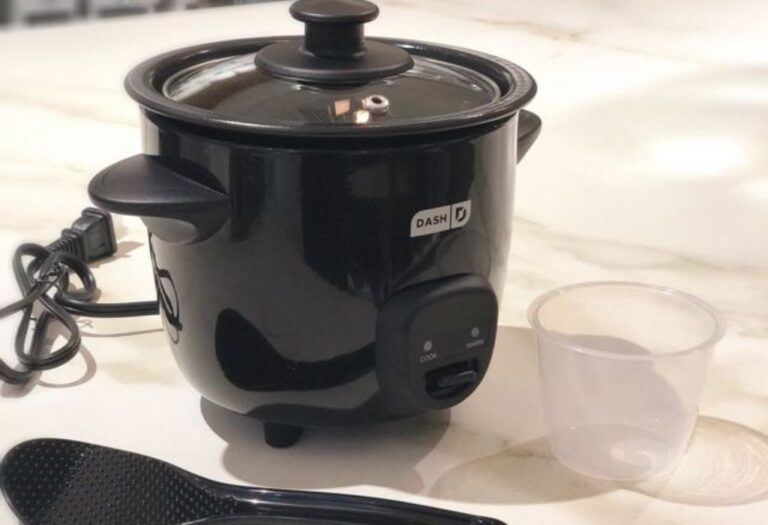
Silicone has become one of the most popular materials in modern kitchens. From baking mats and spatulas to food storage lids and cupcake moulds, it’s everywhere because of its flexibility, heat resistance, and durability. But one question confuses many people — can silicone actually go in the dishwasher?
The short answer is yes, but with a few important precautions. Silicone is generally dishwasher-safe because it can withstand both high heat and strong water pressure without warping or melting.
However, not all silicone products are created equal, and improper cleaning can still reduce their lifespan.
Understanding how to properly wash silicone items helps you keep them clean, odour-free, and long-lasting. Whether you’re cleaning reusable silicone bags, baking trays, or kitchen tools, knowing the right method will save time and protect your cookware.
In this guide, you’ll learn how to safely wash silicone in the dishwasher, common mistakes to avoid, and expert tips for keeping it looking new. Let’s dive into the facts behind silicone’s dishwasher safety.
What Is Silicone and Why It’s Popular in Modern Kitchens
Silicone is a synthetic rubber-like material made from silicon, oxygen, carbon, and hydrogen. It’s known for being flexible, heat-resistant, and non-toxic, making it perfect for a wide range of kitchen products. Its unique composition allows it to remain stable even at extreme temperatures.
In the kitchen, silicone is used for baking mats, ice cube trays, spatulas, lids, moulds, and food storage bags. It doesn’t react with food or absorb flavours, making it ideal for both hot and cold uses. This versatility explains why it has replaced plastic and metal tools in many modern homes.
Another reason silicone is so popular is its non-stick property. Food easily peels away from silicone surfaces, reducing the need for oil or butter during baking. It also makes cleaning simpler, since residue doesn’t cling as stubbornly as it does on metal cookware.
Silicone can handle temperatures from -40°F to 450°F (or even higher in some cases). That means you can safely move it from the freezer straight into a hot oven without damage. This resilience also makes it suitable for dishwashers, where hot water and drying heat are common.
Because it’s BPA-free and food-grade, silicone is safe for cooking and storing meals. It’s a great eco-friendly alternative to single-use plastics, helping reduce waste while maintaining convenience.
Overall, silicone’s combination of safety, flexibility, and durability makes it an indispensable part of today’s kitchen essentials.
Can All Types of Silicone Go in the Dishwasher
While most silicone items can safely go in the dishwasher, there are a few exceptions you should know about.
The dishwasher’s high heat and water jets can be too strong for certain silicone-coated or low-quality products. Recognising which types are safe helps prevent damage and ensures long-term use.
Pure food-grade silicone is 100% dishwasher-safe. This includes baking mats, spatulas, lids, and moulds made entirely of silicone. These items are designed to withstand both heat and pressure from dishwasher cycles without losing their shape.
However, silicone-coated items — such as baking trays or utensils with metal cores — need extra caution. The silicone layer may peel or crack if the product isn’t bonded properly. Always check the manufacturer’s label before cleaning these items in a dishwasher.
Items that combine silicone with plastic components (like suction bases or handles) should be placed on the top rack only. The top rack is farther from the heating element and provides gentler cleaning. This prevents melting or distortion of plastic parts.
If your silicone item has printed logos, decals, or paint, it’s best to hand wash it. Repeated dishwasher cycles can fade printed designs over time. Similarly, silicone baking moulds with intricate designs may hold on to soap residue if not rinsed well.
In summary, solid food-grade silicone can go in the dishwasher safely, but mixed-material items deserve extra care. When in doubt, hand wash delicate or decorative pieces to maintain their quality.
Step-by-Step Guide to Washing Silicone in the Dishwasher
Washing silicone in the dishwasher is simple if you follow the right process. Proper loading and detergent use ensure your items come out spotless and long-lasting.
Start by rinsing off any visible food residue under warm water. This prevents excess grease or crumbs from circulating in the dishwasher and sticking to other dishes. For sticky residue, soak the silicone briefly in warm soapy water before loading.
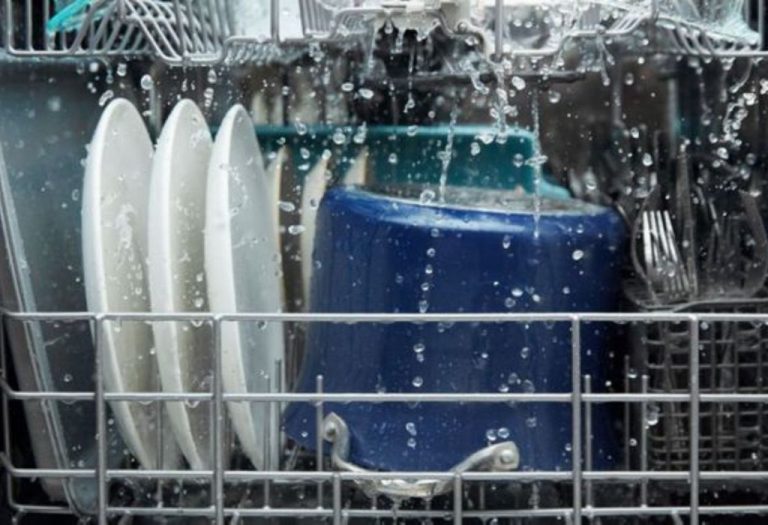
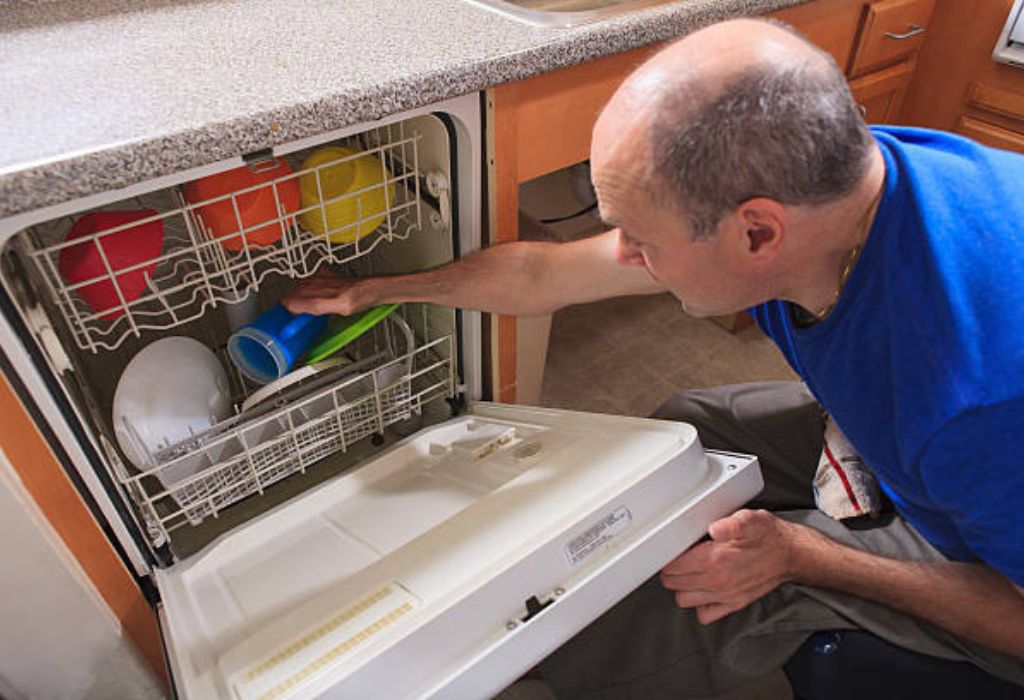
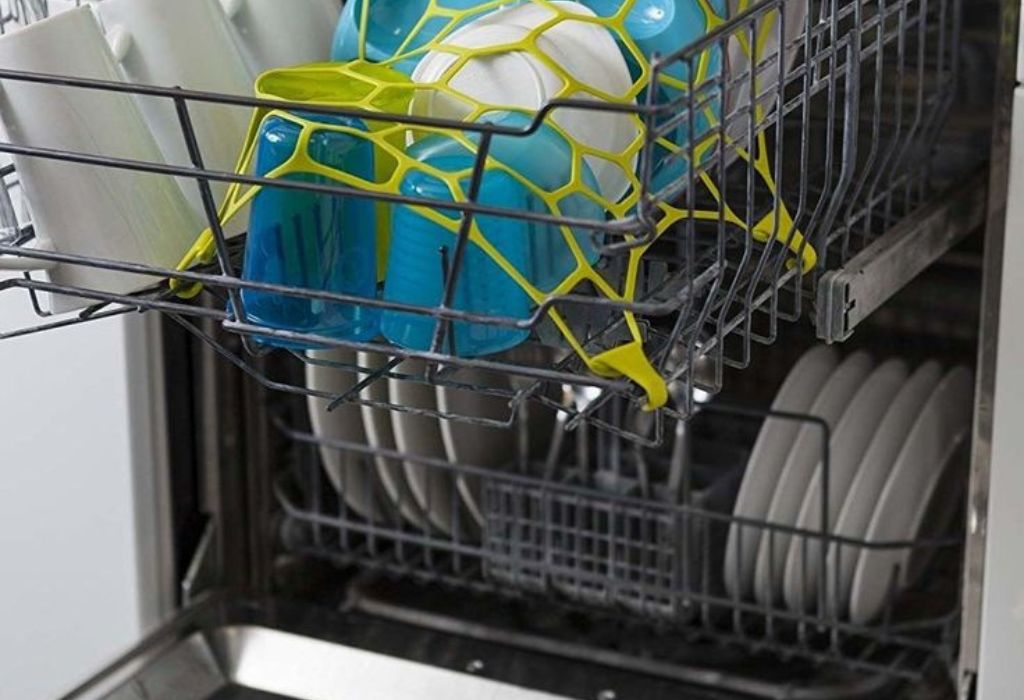
Next, place the silicone item on the top rack whenever possible. The top rack gets gentler spray pressure and less heat exposure, which helps protect delicate shapes or coatings. Flat items like baking mats can be rolled loosely or laid over the rack without blocking spray arms.
Add your regular dishwashing detergent — liquid, tablet, or pod — as usual. Silicone doesn’t require special cleaners, but avoid products with added bleach or harsh chemicals. These can leave residue or degrade the material over time.
Choose a normal or gentle wash cycle with medium heat. Extremely hot sanitising cycles can cause discolouration or oily buildup on silicone surfaces. If your dishwasher has an eco-friendly setting, that’s a perfect choice.
Once the cycle finishes, air dry your silicone items or towel dry them. Although silicone can handle heat, high drying cycles can sometimes leave a white film caused by detergent residue. Air drying eliminates this issue entirely.
Inspect each piece for remaining stains or grease spots. If needed, wash again or wipe with a vinegar-water mix to restore shine. With this simple process, your silicone tools will come out clean, fresh, and ready for use.
Common Mistakes to Avoid When Cleaning Silicone
Even though silicone is durable, certain cleaning habits can shorten its lifespan or affect performance. Avoiding these common mistakes helps your kitchen tools last longer and stay safe.
One of the biggest mistakes is using abrasive scrubbers or metal sponges on silicone. These can scratch or tear the surface, especially on thin baking mats or lids. Always use soft sponges or cloths for manual cleaning.
Avoid harsh chemical detergents that contain bleach, ammonia, or alcohol. These chemicals can break down silicone’s surface layer, causing it to lose flexibility and shine. Stick to mild dish soaps or standard dishwasher tablets.
Don’t place silicone directly over or near the dishwasher’s heating element. Prolonged exposure to extreme heat can cause warping or slight melting. The top rack is the safest place for most silicone products.
Many people make the mistake of overloading the dishwasher, which blocks water flow. Silicone needs proper circulation to get fully cleaned. Overcrowding can also cause some pieces to trap soap residue or develop odours.
Another common issue is not rinsing before dishwashing. Dried grease or oil forms a sticky layer that even dishwashers can struggle to remove. A quick pre-rinse prevents this buildup.
Finally, avoid storing silicone while still damp. Moisture encourages mould and musty smells. Always dry your silicone completely before putting it away. Following these small steps keeps your kitchen tools hygienic and long-lasting.
How to Remove Grease and Odour from Silicone
Even after a dishwasher cycle, silicone can sometimes retain grease or odour. This happens when oils build up on the surface, creating a slightly sticky feel. Luckily, removing these residues is simple with a few household tricks.
Start by soaking the silicone in warm water mixed with white vinegar. Vinegar helps break down oils naturally without damaging the material. Let it sit for 15–20 minutes before rinsing thoroughly.
If the stickiness persists, sprinkle baking soda on the silicone and scrub gently with a soft sponge. Baking soda’s mild abrasiveness removes stubborn residue and deodorises at the same time. Rinse well afterward.
Another effective method is to bake the silicone at low heat (around 250°F) for 10–15 minutes. This evaporates oil residues embedded in the surface. Make sure the item is completely dry before doing this, and never use this method for silicone with plastic parts.
Dishwashing with a small amount of lemon juice or vinegar in the rinse cycle can also help eliminate lingering smells. Natural acids neutralise odours and restore freshness.
Avoid using strong degreasers or scented sprays, as they can leave chemical residues. Simple natural methods are safer and more effective. Regular deep cleaning every few weeks keeps silicone fresh and free from build-up.
When to Hand Wash Silicone Instead of Using Dishwasher
While the dishwasher is convenient, there are times when hand washing silicone is the better option. Certain designs, coatings, or delicate attachments can be damaged by high-pressure sprays or strong detergents.
If your silicone item has decorative coatings, printed logos, or metallic finishes, hand wash it with warm soapy water. The dishwasher can fade prints or cause peeling after repeated cycles.
Thin silicone moulds or baking cups with intricate shapes may trap detergent residue in corners. Hand washing ensures you can clean these details properly without leaving soap behind.
Items that combine silicone with wood or metal handles should never go in the dishwasher. Water can cause the handle materials to swell, rust, or loosen. Instead, clean only the silicone portion carefully by hand.
When dealing with sticky silicone mats or grease buildup, pre-soaking and manual cleaning are more effective than dishwashing. It allows you to target tough areas without subjecting the item to unnecessary heat.
Lastly, if your dishwasher tends to leave a white film or residue on silicone, hand washing is the safest solution. A quick scrub with mild soap and warm water keeps your tools spotless and long-lasting.
Choosing between hand washing and dishwasher cleaning depends on the product type and condition. Knowing when to switch methods ensures better care for your kitchenware.
Can Silicone Go on the Bottom Rack of a Dishwasher
Many people wonder whether it’s safe to put silicone items on the bottom rack of the dishwasher. While silicone is heat-resistant, the bottom rack is exposed to more direct heat and stronger water jets. This can sometimes cause discolouration or shorten the lifespan of certain silicone products.
The bottom rack sits closest to the heating element, which can reach very high temperatures during the drying cycle.
Although silicone won’t melt, repeated exposure to intense heat may cause it to lose flexibility or develop a sticky texture over time. For that reason, the top rack is generally safer for long-term care.
Large and sturdy silicone pieces, such as baking mats, muffin trays, or oven mitts, can usually handle the bottom rack if placed properly.
However, lightweight or thin items like stretch lids, straws, or spatulas should always go on top. The force of the water jets can move or deform smaller pieces.
If you decide to use the bottom rack, make sure to disable the heated dry cycle. Air drying eliminates the risk of overexposure to heat. You can open the dishwasher door after the wash finishes and let the silicone items cool naturally.
Avoid letting silicone sit directly above or near the heating coil. Even though the material can withstand temperatures up to 450°F, the localised heat near the coil is far more intense than normal dishwasher conditions. Keeping at least two inches of distance ensures safety.
For the best results, mix your approach — sturdy silicone bakeware can go on the bottom, while smaller or coloured pieces stay on top. This balance protects both the durability and appearance of your kitchen tools.
When in doubt, always follow the manufacturer’s recommendations. Many brands specifically mark their items as “top-rack only,” meaning prolonged heat exposure might void warranties or damage coatings.
How to Tell If Your Silicone Is Dishwasher Safe
Not all silicone kitchenware is made equally, and some lower-quality products may not hold up well in dishwashers. Learning how to identify dishwasher-safe silicone helps you protect your investment and avoid accidental damage. Fortunately, there are easy ways to check.
Start by reading the label or packaging when you first buy the product. Most reputable brands clearly mention “dishwasher-safe” or “top-rack safe.” If the label doesn’t specify, assume it’s safer to hand wash until confirmed.
Another clue lies in the texture and flexibility of the silicone. High-quality food-grade silicone feels smooth, dense, and elastic. Low-grade silicone feels sticky or flimsy and may give off a strong chemical smell — both are signs it could degrade in a dishwasher.
Look for temperature resistance markings on the product. Dishwasher-safe silicone is typically rated between -40°F and 450°F or higher. If your item lacks this rating, it might soften or warp during high-heat cycles.
Examine any attachments or mixed materials. Silicone combined with wood, cheap plastic, or paint-coated handles should never go in the dishwasher. Only pure silicone products or those with stainless-steel reinforcements are safe for repeated machine washing.
A quick home test also works well. Submerge the silicone item in boiling water for a few minutes, if it keeps its shape and texture afterward, it’s durable enough for the dishwasher. Any sticky residue or deformation means it’s best to hand wash.
Lastly, trust your senses. If your silicone turns cloudy, smells burnt, or feels rough after a dishwasher cycle, it’s not fully heat-safe. Stick to manual cleaning for those items to maintain quality and longevity.
How to Keep Silicone Looking and Performing Like New
Proper care and maintenance can extend the life of your silicone products for years. Regular cleaning, correct storage, and occasional deep treatment help keep them soft, odour-free, and stain-resistant.
After each wash, dry your silicone thoroughly with a towel or air dry it completely before storing. Storing while damp can cause odour and bacterial buildup. This is especially important for storage bags and lids that trap moisture.
Avoid exposing silicone to sharp utensils or knives, as these can puncture or tear it. Always handle silicone mats and moulds gently, especially when removing baked goods.
For long-term freshness, deep clean silicone monthly with baking soda and warm water. This removes invisible oil layers that dishwashers sometimes leave behind. A vinegar rinse afterward helps maintain shine.
When storing, keep silicone away from direct sunlight and strong heat sources. Continuous UV exposure can cause discolouration and reduce flexibility. Store items flat or loosely rolled to prevent permanent creases.
Lastly, avoid using silicone for non-recommended purposes, such as open flame cooking. Although heat-resistant, it’s not meant for direct contact with fire or stovetops. With proper use, your silicone tools can stay like new for many years.
Common Silicone Cleaning Questions Answered
Can silicone melt in the dishwasher?
No, food-grade silicone can withstand high temperatures up to 450°F. However, keep it on the top rack away from the heating element.
Why does my silicone still feel greasy after washing?
Silicone can retain oil film from cooking. Wash it with baking soda or vinegar to remove the sticky residue completely.
Is it safe to wash silicone baby products in the dishwasher?
Yes, most silicone baby bottles, teethers, and utensils are dishwasher-safe. Always check the label and place them on the top rack.
Can silicone bakeware go in both oven and dishwasher?
Absolutely. Silicone baking pans are safe for ovens, freezers, and dishwashers, making them highly versatile.
Does silicone get damaged by dishwasher detergent?
Not typically, but strong chemicals or bleach-based detergents can dull the surface. Use mild, non-abrasive soaps.
Why does my silicone have a white residue after dishwashing?
That’s usually detergent film or mineral buildup. Wipe with vinegar or lemon water to restore the shine.
Can I use the heated drying cycle for silicone?
It’s best to avoid it. Air drying or towel drying prevents spots and prolongs the material’s life.
Do coloured silicone items fade in the dishwasher?
High-quality silicone resists fading, but low-grade products may lose colour after repeated hot cycles.
Is it safe to clean silicone lids and stretch covers in the dishwasher?
Yes, but ensure they’re secured properly on the top rack to avoid tangling with spray arms.
Can silicone absorb dishwasher smells?
Sometimes, yes. A vinegar rinse or baking soda soak can eliminate any lingering odours.
Why do some silicone items become cloudy?
This happens due to mineral buildup from hard water. Soak in vinegar to make them clear again.
Can I wash silicone spatulas with wooden handles in the dishwasher?
No, wooden handles can warp or crack. Hand wash only the silicone portion to keep it intact.
Is medical-grade silicone dishwasher-safe?
Yes, but always follow manufacturer guidelines. Some medical products require sterilisation instead.
Can I stack silicone bakeware in the dishwasher?
Avoid stacking to ensure proper water flow. Wash large pieces individually for best results.
How long does silicone kitchenware last?
With proper care, silicone tools can last over a decade. Regular cleaning and correct storage keep them in top condition.
Conclusion
Silicone is one of the most dishwasher-friendly materials in your kitchen. Its flexibility, heat resistance, and non-toxic nature make it ideal for effortless cleaning. However, understanding how to load, wash, and dry it properly ensures it lasts for years without losing quality.
Most food-grade silicone items can safely go in the dishwasher, but always avoid extreme heat, overcrowding, and abrasive detergents. When maintained correctly, silicone doesn’t absorb odours or lose colour — it stays clean, smooth, and durable.
For items with coatings, printed designs, or mixed materials, gentle hand washing remains the best choice. Treating your silicone tools with care preserves both their beauty and performance.
By following these tips, you’ll keep your silicone bakeware, utensils, and storage items in pristine condition. It’s proof that even busy kitchens can stay eco-friendly and spotless with just a bit of mindful care.

I’m Emma J. Caldwell, the founder, lead writer, and home-cooking enthusiast behind KitchenGuideCo.com. With a background in culinary arts and over a decade of cooking experience in both professional and personal kitchens, I created this platform to demystify recipes, offer smart kitchen gadget reviews, and guide readers through meal prep with confidence and clarity.