Dishwasher pods have completely changed how people clean dishes. They are quick, easy to use, and guarantee the right amount of detergent for every cycle.
But many users still wonder if these small cleaning capsules are truly safe for their dishwashers, their health, and the environment.
Over the years, concerns have grown about the chemicals inside pods and how they affect machine components.
Some claim that pods can leave behind residue that harms dishwashers or makes dishes unsafe to use. Others believe that when used correctly, pods clean more efficiently than powder or liquid detergents.
The truth is that dishwasher pods are generally safe when used as intended. Problems only arise when the wrong type of pod, incorrect temperature, or poor loading practices are involved.
Understanding how they work and how to use them properly is the key to getting spotless results without risk.
In this in-depth guide, you will learn everything about dishwasher pods, what they are made of, whether they are bad for your dishwasher, their environmental effects, and how to use them safely for years of worry-free cleaning.
What Are Dishwasher Pods and How Do They Work
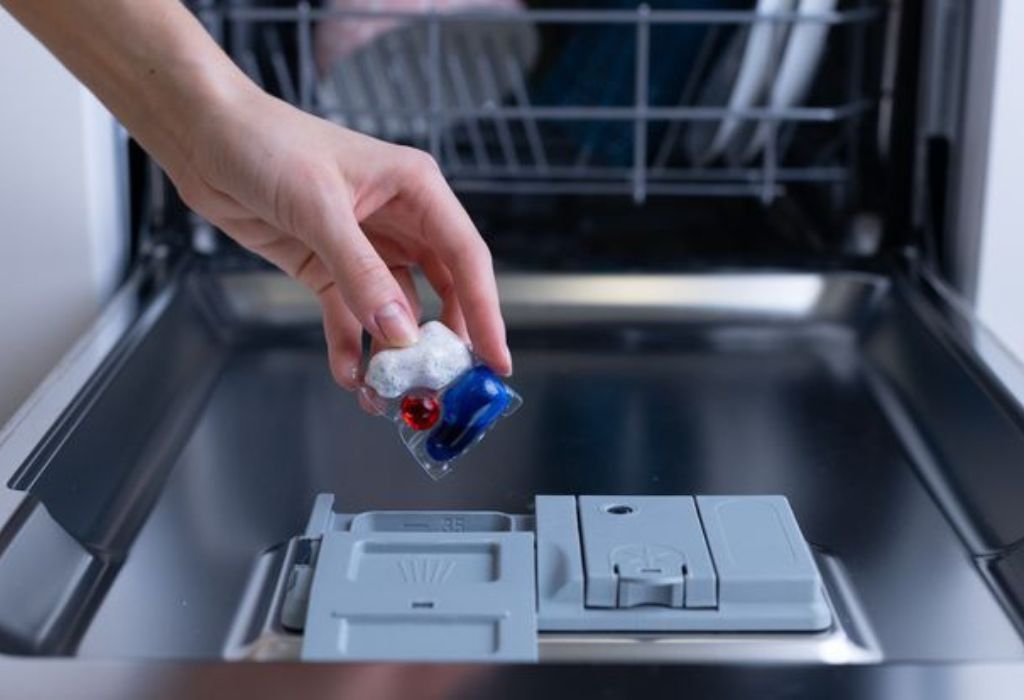
Dishwasher pods, often called detergent tablets, combine all the essential cleaning elements in one pre-measured capsule. Inside each pod are three main ingredients: detergent for cleaning, rinse aid for shine, and water softeners for preventing limescale buildup.
The capsule’s thin film dissolves completely during the wash, releasing each component at the perfect stage of the cycle.
The detergent removes grease and food particles through powerful enzymes and surfactants. These enzymes break down protein and starch molecules, while surfactants lift oils off dishes and glassware. The rinse aid then reduces water spots, leaving dishes clean and sparkling.
Unlike powder or liquid detergents, pods prevent users from over-measuring. Too much detergent can damage dishes, while too little leaves them dirty. Pods ensure the right dosage every time, making them ideal for energy-efficient dishwashers that use precise water levels.
The outer layer, known as PVA film, is water-soluble and biodegradable. When exposed to warm water, it dissolves instantly without leaving residue. Inside, the concentrated formula works quickly to clean even baked-on stains without the need for pre-rinsing.
However, pods perform best under specific conditions. They require sufficient water pressure and temperature to dissolve fully. When used in cold cycles or overloaded machines, pods may not release all their detergent, causing cloudy dishes or buildup.
Are Dishwasher Pods Bad for Your Dishwasher
Dishwasher pods are safe for most modern dishwashers, but they can cause problems when misused. Because the detergent is concentrated, it needs adequate water and heat to dissolve properly.
If conditions are not right, leftover detergent may stick to internal parts and affect performance.
The most common issue is incomplete dissolution. When pods fail to dissolve, residue builds up around the dispenser door, filters, or spray arms. Over time, this can clog openings, reduce spray efficiency, and leave streaks on dishes.
Another issue involves rubber seals and gaskets. Some pods contain alkaline ingredients that can slowly wear down soft rubber when overused. This is rare, but repeated exposure to high-strength chemicals may cause premature seal cracking in older machines.
Heat also plays a role. In older dishwashers, high temperatures combined with concentrated detergent can cause plastic racks to fade or warp. Newer models, however, are designed to handle such detergents safely.
To protect your dishwasher, always place pods in the detergent dispenser, not directly on the bottom. The dispenser ensures timed release when water pressure is highest. Using one pod per cycle, along with regular monthly cleaning, keeps your machine efficient for years.
When used correctly, dishwasher pods are no more harmful than any other detergent — in fact, they often clean better and require less product.
Are Dishwasher Pods Harmful to the Environment
The environmental impact of dishwasher pods largely depends on the brand and formula. Modern eco-friendly pods have improved dramatically compared to early versions, but not all products are equally safe for the planet.
The main concern lies in the chemical composition. Traditional pods contain phosphates and synthetic surfactants that can harm aquatic life once released into wastewater. Phosphates promote algae growth in rivers and lakes, which depletes oxygen and affects ecosystems.
Fortunately, most reputable brands have moved to phosphate-free formulas. These use plant-based or enzyme-based cleaners that biodegrade quickly and safely. When shopping, look for certifications such as “EPA Safer Choice” or “EcoLabel.”
Another concern is plastic packaging. Many pods come in thick plastic tubs that are not always recyclable. Choosing refill packs or cardboard packaging helps reduce waste. Some newer companies even use compostable containers.
The pod’s PVA film is water-soluble and breaks down naturally, but it still requires proper wastewater treatment to decompose fully. In homes with septic systems, it’s best to use minimal quantities.
By selecting biodegradable brands and avoiding pods with harsh chemicals, you can enjoy the convenience of pods without harming the planet. Responsible use and proper disposal make a big difference.
Are Dishwasher Pods Toxic to Humans or Pets
Dishwasher pods are safe for normal household use but can be dangerous if swallowed or mishandled.
The highly concentrated detergent inside each pod is designed to break down grease and food — which means it’s harsh on skin, eyes, and internal organs if accidentally ingested.
Pods are especially risky for young children and pets. Their bright colours and candy-like appearance make them tempting to touch or bite. Ingesting a single pod can cause nausea, burns, or breathing difficulties, requiring immediate medical attention.
Always store pods in their original container and keep them in a high, dry cabinet out of reach. Never transfer them into open jars or bags. The packaging is designed to resist moisture and accidental opening.
Even adults should handle pods carefully. Wet or damp hands can weaken the dissolvable film, causing it to leak detergent. If contact occurs, wash the area with soap and water immediately.
When used properly inside the dishwasher, pods are completely safe. They dissolve, rinse away, and leave no residue on dishes. The danger lies only in exposure to the concentrated liquid before washing.
In summary, dishwasher pods are not inherently toxic but require responsible handling. Treat them as cleaning chemicals, not household toys.
Common Problems Caused by Dishwasher Pods
Although convenient, dishwasher pods can create certain maintenance issues if used incorrectly. The most frequent complaint is residue or streaks on dishes after washing. This usually means the pod didn’t dissolve completely.
Low-temperature cycles, short wash settings, or overloaded racks can prevent full dissolution. When the film or detergent remains intact, it sticks to utensils or glassware. Running a high-temperature rinse cycle often fixes this problem.
Another issue is oversudsing. Pods are formulated for controlled foam, but placing them directly at the bottom of the dishwasher exposes them to too much water too early. The result is excess foam that may leak or reduce cleaning power.
Clogged detergent compartments can also occur. When pods become wedged inside or water spray is blocked by dishes, they fail to release properly. Always load the machine so that water can reach the dispenser door.
Sometimes users experience lingering odours inside the dishwasher. This happens when detergent residue mixes with leftover food particles. Cleaning filters monthly and running a vinegar rinse cycle helps eliminate the smell.
Finally, using multiple pods in one cycle can cause soap buildup on the heating element or door gasket. One pod per load is sufficient, regardless of how dirty the dishes appear.
Understanding these common issues and correcting small mistakes ensures your dishwasher continues performing at its best.
How to Use Dishwasher Pods Safely and Effectively
Using dishwasher pods correctly guarantees both safety and spotless results. The process is simple, but attention to detail makes a big difference.
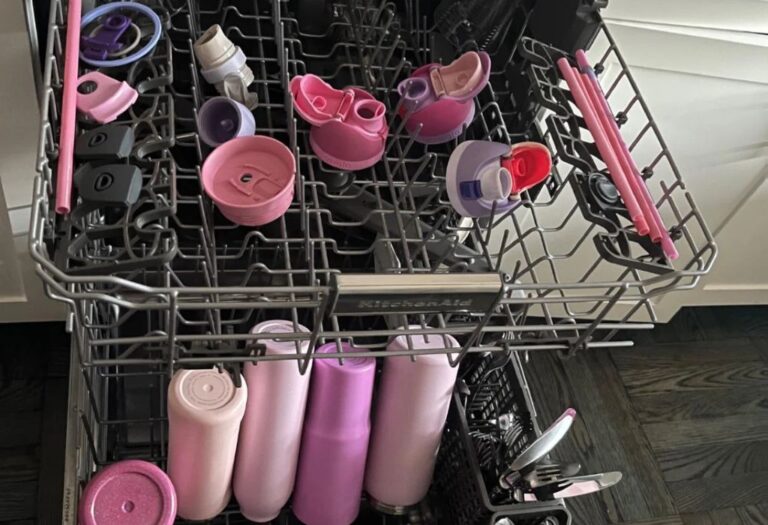
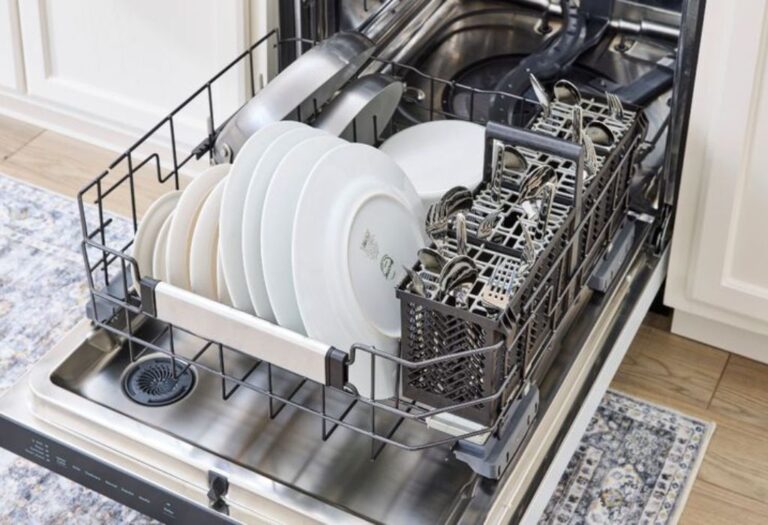
Start by loading your dishwasher properly. Avoid blocking the detergent compartment with large plates or utensils. Pods rely on direct water flow to dissolve evenly.
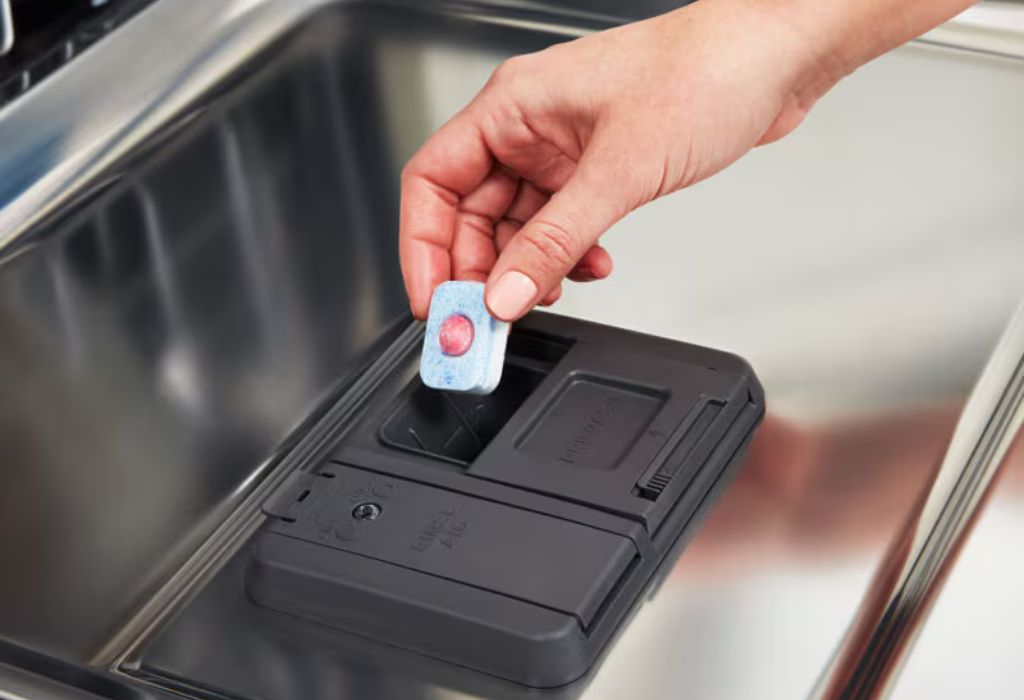
Always place the pod inside the detergent dispenser, not in the bottom of the machine. The dispenser releases detergent at the ideal time during the cycle. If dropped directly inside, it dissolves too early and reduces cleaning efficiency.
Use only one pod per load, regardless of size. More detergent does not mean cleaner dishes — it can cause residue or etching on glassware.
Select a hot water cycle or temperature above 120°F to ensure full dissolution. Cold or eco modes may leave a thin film. If you prefer energy-saving settings, choose quick-dissolve pods designed for lower temperatures.
After the wash, open the door slightly to allow steam to escape. This prevents moisture from settling and helps dishes dry faster.
Once a month, run an empty cycle with vinegar or baking soda to keep your dishwasher clean and free from detergent buildup.
With proper use, pods are a safe, efficient, and modern alternative to traditional detergents.
Alternatives to Dishwasher Pods
If you prefer avoiding pods altogether, several effective alternatives exist. Each option has its pros and cons depending on your needs, budget, and environmental priorities.
Liquid dishwasher detergent is versatile and dissolves easily in all temperatures. It’s gentle on glassware and offers flexible dosing for different load sizes. However, using too much can lead to excess foam and residue.
Powder detergent remains the most economical option. It’s powerful against hard-water stains but can clump if exposed to moisture. Storing it in an airtight container preserves freshness.
Homemade dishwasher detergent is another choice for eco-conscious users. A mix of baking soda, washing soda, and a few drops of lemon essential oil cleans effectively without synthetic chemicals. Though less powerful for heavy grease, it’s safe and natural.
You can also use dishwasher detergent sheets, a newer innovation. They dissolve quickly and come in plastic-free packaging. These are ideal for sustainable living while offering performance similar to pods.
Lastly, some people use vinegar and baking soda as a natural rinse aid combination. While not a full replacement, this method enhances shine and removes odour.
Choosing the right detergent depends on convenience, cost, and your personal cleaning standards.
Common Questions About Dishwasher Pods
Are dishwasher pods better than liquid detergent?
Pods provide consistent results because they contain pre-measured detergent. Liquids can be more flexible but require accurate dosing.
Why do pods sometimes leave residue?
They may not dissolve fully if water temperature is too low or dishes block the dispenser door.
Can dishwasher pods damage glassware?
Yes, overuse can cause etching on delicate glass if you use multiple pods or hot cycles too frequently.
Do pods work in all dishwasher models?
Most modern dishwashers are designed for pods, but older models may require powder detergent for best results.
Should I remove the pod wrapper?
No, the film dissolves automatically during the wash. Never remove or puncture it.
Can pods be used in short or eco cycles?
Yes, but choose pods labeled for quick dissolving. Standard pods may leave streaks in low-temperature washes.
What should I do if a pod gets stuck?
Clean the detergent compartment and ensure nothing blocks the dispenser door.
Do pods expire?
Yes, after about 12 months, the film and detergent lose effectiveness. Store them in a cool, dry place.
Can dishwasher pods go bad if wet?
Moisture can make them clump or dissolve early. Keep them sealed tightly.
Are pods septic-safe?
Most are safe for septic systems if phosphate-free. Always check the label.
Is it okay to break a pod in half?
No, each pod is precisely measured. Splitting it affects performance and could release detergent prematurely.
Do pods cause foam overflow?
Only if placed incorrectly or if multiple pods are used. Always load them in the dispenser.
Can I wash baby bottles with pods?
Yes, but run an extra rinse cycle to remove all detergent traces. Choose fragrance-free pods for safety.
Are dishwasher pods recyclable?
The pod film dissolves, but the container may not be recyclable everywhere. Choose eco-packaged brands.
What temperature works best for pods?
Between 120°F and 140°F ensures full dissolution and best cleaning results.
Conclusion
Dishwasher pods have simplified kitchen cleaning and made spotless dishes easier than ever. When used correctly, they are safe, effective, and environmentally responsible. The concerns about damage or toxicity mostly arise from improper handling, incorrect cycles, or low-quality brands.
Modern dishwasher pods are engineered with biodegradable films, powerful enzymes, and phosphate-free ingredients. They clean efficiently without harming dishwashers or the environment.
However, using too many pods, low water temperatures, or leaving residue uncleaned can reduce your appliance’s lifespan.
Safety begins with understanding how pods work. Store them securely, use only one per load, and follow manufacturer instructions for best results. For households with children or pets, safe storage and responsible handling are essential.
If you prefer eco-friendly choices, look for biodegradable, plant-based pods or switch to liquid or powder detergents with natural ingredients. Responsible use ensures the same sparkling clean while reducing waste.
In the end, dishwasher pods are not bad, they are simply powerful cleaning tools that require smart use. By following the right steps, you can enjoy convenient, efficient, and safe dishwashing every single day.

I’m Emma J. Caldwell, the founder, lead writer, and home-cooking enthusiast behind KitchenGuideCo.com. With a background in culinary arts and over a decade of cooking experience in both professional and personal kitchens, I created this platform to demystify recipes, offer smart kitchen gadget reviews, and guide readers through meal prep with confidence and clarity.