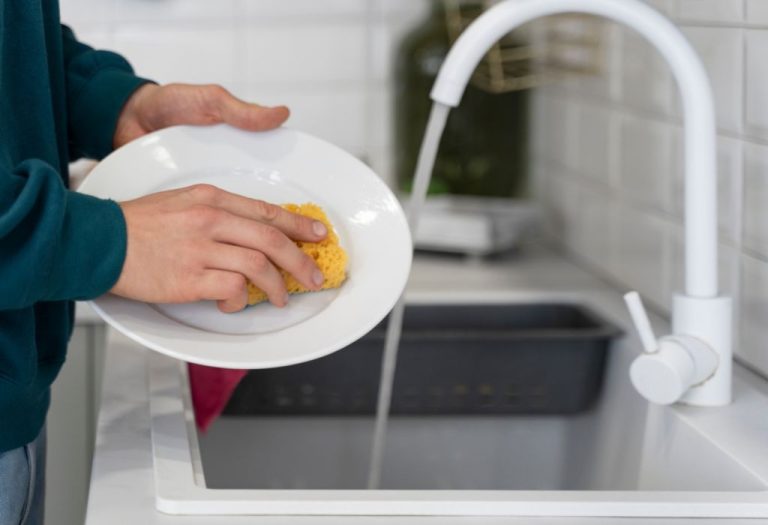
Hydro Flask bottles have become a daily essential for millions worldwide. Whether you use them for hiking, workouts, or your morning coffee, they keep beverages at the perfect temperature for hours.
But after a long day outdoors or a week of commuting, cleaning becomes inevitable, and that’s when the big question arises: are Hydro Flasks dishwasher safe?
It might seem like a simple yes or no, but the truth depends on which Hydro Flask you own and how you wash it. Newer models are labeled dishwasher safe, while older ones are not.
Using the wrong cleaning method can dull the finish, damage the vacuum insulation, or even affect flavor retention.
Dishwashers are powerful, using high heat, strong detergents, and steam to sanitize. While convenient, that same power can be harsh on powder-coated bottles or lids with silicone gaskets.
Understanding how Hydro Flask materials respond to dishwasher cycles helps you make the right cleaning choice.
In this guide, you’ll learn which Hydro Flasks can safely go in the dishwasher, what parts should always be hand-washed, and how to maintain that signature smooth finish for years.
By the end, you’ll know exactly how to clean your Hydro Flask without compromising its performance, durability, or appearance.
Are Hydro Flasks Dishwasher Safe?

The short answer is: it depends on the model. Hydro Flask redesigned their bottles in 2020 to include an updated powder coating and base construction, making them fully dishwasher safe. However, older models made before that date were not designed for machine cleaning.
Newer Hydro Flasks feature a “Color Last” powder coating that resists heat and detergent damage. This coating maintains its matte finish even after repeated dishwasher cycles. Meanwhile, the interior stainless steel remains unaffected by the high temperatures used during washing.
Older bottles, however, used a different coating that could fade, peel, or lose texture under the dishwasher’s heat. Their vacuum seals were also less resistant to expansion and contraction, which could reduce insulation performance over time.
If you’re unsure which version you own, check the logo at the bottom. Bottles with the newer Hydro Flask font and logo are dishwasher safe. Those with the older, smaller logo should be hand-washed only.
Are all Hydro Flasks dishwasher safe now?
Only bottles made in or after 2020 are fully dishwasher safe.
Can I put my Hydro Flask lid in the dishwasher?
Yes, but place it on the top rack to avoid warping the silicone seal.
What happens if I put an old Hydro Flask in the dishwasher?
The coating may peel, and insulation performance could weaken.
How do I tell if my bottle is an older version?
Check the logo — older bottles use the smaller stick-figure design.
Should I wash the straw lid separately?
Yes, hand-wash straw lids to remove bacteria and residue buildup.
What Happens When You Put a Hydro Flask in the Dishwasher
Dishwashers clean using powerful water jets, high heat, and strong detergents. For older Hydro Flasks, this process can be too harsh. The combination of heat and vibration may weaken the vacuum seal, while detergent abrasion can dull or discolor the powder coating.
When the inner and outer stainless steel layers expand at different rates under heat, the vacuum seal can loosen slightly. This doesn’t always cause leaks, but it can reduce how long your drink stays hot or cold.
The exterior finish also suffers when detergent with bleaching agents interacts with the paint. Over several washes, the once-smooth matte coating can feel chalky or rough.
The dishwasher’s drying cycle adds another layer of stress. Prolonged exposure to high-temperature air may warp plastic lids or soften silicone seals. That’s why Hydro Flask recommends air-drying all parts after washing.
If you accidentally washed your Hydro Flask once or twice, don’t panic. One cycle won’t ruin it — but regular machine washing will eventually take a toll.
How to Clean Hydro Flask Bottles Safely
Hand-washing remains the best and safest way to clean any Hydro Flask. All you need is warm water, mild dish soap, and a soft bottle brush. Avoid abrasive sponges or metal scrubbers that can scratch the coating or interior steel.
Fill the bottle halfway with warm soapy water, close the lid, and shake vigorously. For tough stains or lingering odors, add a teaspoon of baking soda or vinegar and let it sit for 15 minutes. Then rinse thoroughly and let it air dry upside down.
For straw lids, use a thin cleaning brush to scrub inside the straw. Mold and bacteria often hide in these narrow areas. Regular cleaning keeps your drink fresh and odor-free.
Avoid soaking the entire bottle for long periods — water can get trapped between layers or under the base cap. Always dry immediately to maintain insulation efficiency.
Dishwasher-Safe Hydro Flask Parts
Not every part of a Hydro Flask reacts the same way to dishwasher cycles. Most lids, straws, and boots can handle the top rack safely, but it’s important to separate them first.
The Flex Cap, Wide Mouth Straw Lid, and Press-In Lid are generally dishwasher safe. Place them on the top rack, away from the heating element, to prevent silicone gaskets from stretching. The Flex Straw Cap should always be taken apart before washing to remove any trapped residue.
Hydro Flask’s silicone boots, used to protect the bottom from dents, are also dishwasher safe. However, removing them before washing helps prevent water from collecting underneath.
For best results, run a gentle cycle and avoid harsh detergents. Allow all components to air dry fully before reassembling.
Common Mistakes to Avoid When Cleaning Hydro Flasks
Many users unintentionally damage their bottles with small but costly cleaning mistakes. The most common is placing an older model in the dishwasher thinking “it’ll be fine.” Unfortunately, repeated cycles can weaken the vacuum seal over time.
Another mistake is using bleach or chlorine-based cleaners. These chemicals corrode stainless steel and can leave behind harmful residues. Similarly, scrubbing with steel wool or hard brushes scratches the enamel coating.
Over-tightening lids before the bottle fully dries can also trap moisture, leading to mold or rust formation around the rim. Always store bottles open until completely dry.
Finally, never put Hydro Flasks directly on the dishwasher’s bottom rack near the heating coil. The intense heat from that area can melt gaskets and distort the lid shape.
Can I wash my Hydro Flask with boiling water?
No, boiling water can stress the insulation layer and damage seals.
Is it safe to use vinegar for cleaning?
Yes, vinegar naturally removes stains and odors without harming the bottle.
Can I put stickers on my Hydro Flask before dishwashing?
No, stickers will peel or melt during the heat cycle.
Does scrubbing remove the powder coating?
Yes, abrasive tools can scratch or dull the finish permanently.
What’s the safest way to disinfect the inside?
Use diluted vinegar or mild soap, rinse well, and air dry upside down.
How Heat Affects Hydro Flask Insulation
Hydro Flask bottles rely on double-wall vacuum insulation to maintain temperature. When exposed to extreme heat, like that in dishwashers, the metal layers expand and contract. Over time, this can compromise the vacuum seal and reduce insulation efficiency.
Even minor temperature fluctuations can affect how long your bottle keeps drinks hot or cold. If you notice that your Hydro Flask doesn’t stay cold as long as before, it might be due to repeated exposure to high temperatures.
The powder-coated exterior is also sensitive to heat. While it won’t melt, it can fade or become rough after hundreds of dishwasher cycles.
Always wash your Hydro Flask with lukewarm water instead of hot. It’s gentler on both the coating and the internal vacuum chamber.
If you use your bottle for both hot and cold drinks, rotate between them gradually instead of switching suddenly, this helps the vacuum adjust naturally and last longer.
How to Remove Odor and Residue from Hydro Flasks
Odor buildup is common in insulated bottles, especially if you leave drinks inside for long periods. Dishwashing alone often doesn’t eliminate stubborn smells from coffee, protein shakes, or tea.
To deep-clean, fill your Hydro Flask with warm water and add two tablespoons of baking soda. Let it sit overnight, then rinse thoroughly in the morning. Baking soda neutralizes odor-causing bacteria and restores a clean scent.
For heavy stains, mix equal parts vinegar and water, pour into the bottle, and let it sit for an hour. Vinegar’s acidity dissolves residue while deodorizing naturally.
Rinse well and dry completely with the lid off. Storing the bottle sealed while damp is one of the fastest ways to cause odor or mold buildup.
Can Hydro Flasks Rust or Corrode in the Dishwasher
Hydro Flasks are made of 18/8 pro-grade stainless steel, which resists corrosion under normal use. However, exposure to harsh dishwasher detergents or high humidity for long periods can cause small rust spots to appear near the rim or threads.
These spots are usually surface-level oxidation, not structural rust. A gentle rub with a paste of baking soda and water removes them easily.
Always ensure the bottle is dry before storing. Trapped moisture between the lid and neck encourages oxidation. If rust reappears, wash the bottle by hand only and use a towel to dry the threads thoroughly.
Hydro Flasks that are consistently dishwashed without drying properly are more likely to show corrosion near the mouth or cap threads, especially if you live in humid climates.
How to Extend the Life of Your Hydro Flask
To make your Hydro Flask last for years, adopt a balanced cleaning routine. Use the dishwasher occasionally for convenience but hand-wash most of the time. This keeps both the coating and insulation in peak condition.
Never store beverages inside for days at a time, especially sugary or acidic liquids. These can corrode the interior over time.
Inspect seals, straws, and gaskets regularly. If they feel loose, replace them promptly — Hydro Flask sells affordable replacements for most models.
Avoid dropping or denting your bottle, as even small dents can disrupt insulation performance. Keep silicone boots attached for protection.
When traveling, rinse with plain water daily to prevent buildup. With consistent care, a Hydro Flask can easily last a decade or more.
Can I put sparkling water in a Hydro Flask?
Yes, but don’t shake it — pressure can build up.
Do dents affect insulation?
Yes, even minor dents can weaken vacuum efficiency.
Can I store milk or smoothies inside?
Yes, but clean immediately afterward to avoid sour odors.
How often should I replace gaskets or lids?
Every 6–12 months depending on use.
Can I freeze my Hydro Flask?
No, freezing may expand liquids and damage the insulation layer.
Caring for Hydro Flask Lids and Accessories
Lids, straws, and gaskets often get neglected, yet they’re the parts that trap the most bacteria. Whether dishwasher safe or not, these components need separate, detailed cleaning.
Remove silicone gaskets before washing to ensure thorough sanitation. You can clean them with warm soapy water or place them on the top rack of the dishwasher. Always allow them to air dry fully before reattaching.
If you use a straw lid, run a thin cleaning brush through the straw daily. Moisture inside the straw is the most common cause of mold growth and odor.
Hydro Flask lids are durable, but plastic weakens over time with repeated heat exposure. Replacing lids once every couple of years keeps your bottle leak-proof and hygienic.
Best Practices for Dishwasher Use with Hydro Flasks
If you decide to use the dishwasher for convenience, follow a few golden rules to protect your bottle. Place it on the top rack to minimize heat exposure and ensure it doesn’t rattle against other items.
Avoid using high-temperature “sanitize” modes, which exceed 160°F and stress both the insulation and paint. Always remove silicone boots and lids before washing.
After the cycle, leave the bottle upside down to drain and dry naturally. Never seal it immediately while warm or damp.
Running a gentle or eco cycle with mild detergent works best. Remember, even if your Hydro Flask is dishwasher safe, treating it gently guarantees a longer lifespan.
The Science Behind Hydro Flask Insulation
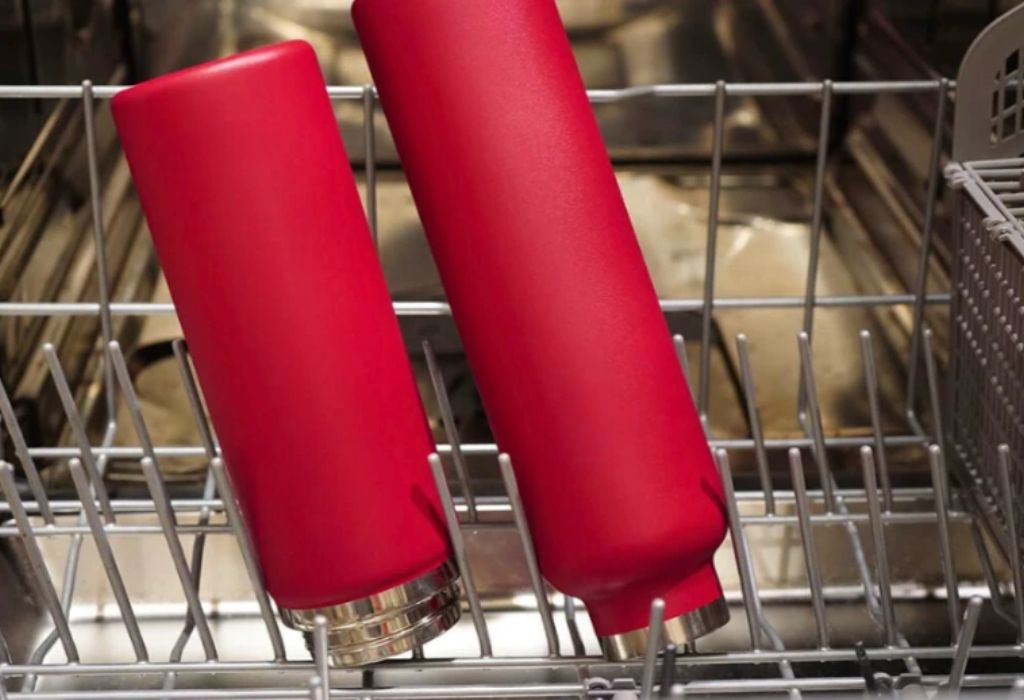
Hydro Flask bottles are built on one of the simplest yet most effective principles in physics — vacuum insulation. Each bottle features two stainless steel walls separated by a vacuum, meaning there’s no air to conduct heat. This design keeps cold drinks cold and hot drinks hot far longer than traditional bottles.
However, this delicate vacuum layer is sensitive to extreme heat. Prolonged exposure, like during high-temperature dishwasher cycles, can cause the metal walls to expand slightly.
Over time, these micro-expansions reduce the vacuum’s efficiency and make the bottle less effective at maintaining temperature.
Dishwashers also use steam drying, which introduces rapid heating and cooling phases. These temperature fluctuations put stress on the weld points that seal the vacuum chamber. Even if damage isn’t visible, the bottle may begin to lose its thermal consistency.
Understanding this science helps explain why Hydro Flask originally discouraged dishwashing. Their engineers wanted to protect the integrity of the vacuum insulation above all else. The new dishwasher-safe models are reinforced for this, but even they perform best when cleaned gently.
Differences Between Hydro Flask Finishes and Their Dishwasher Safety
Not all Hydro Flask bottles are finished the same way. The company offers several types — from powder-coated matte finishes to limited-edition glossy and special textured coatings. Each reacts differently to dishwasher heat and detergent exposure.
The standard Color Last powder coating found on modern Hydro Flasks is the most durable. It resists fading, scratching, and peeling even after dozens of washes. This coating is cured at a high temperature during manufacturing, making it more stable against dishwasher heat.
Older finishes, especially the classic matte or rough-textured versions, weren’t made with this advanced coating process. Detergent chemicals and friction from other dishes can cause these surfaces to lose their smoothness or fade unevenly.
Special edition designs with printed logos or metallic gradients also require caution. The dishwasher can dull printed details and leave spots that permanently alter the look.
To maintain the bottle’s vibrant color, wash gently with warm water and mild soap. This small adjustment helps preserve both the look and feel of the finish for years of daily use.
How to Store and Maintain Hydro Flask After Washing
Proper storage is just as crucial as proper cleaning. A clean Hydro Flask that’s not dried or stored correctly can still develop odors or bacterial buildup. The first rule is to always let it air dry completely before sealing.
After washing, leave the bottle upside down on a drying rack for several hours. Ensure the lid, straw, and gasket are removed so moisture can escape fully. Closing it too soon traps humidity inside, which can lead to musty smells or mold.
Store Hydro Flasks with their lids off when not in use. This allows airflow and keeps the interior fresh. For long-term storage, place the bottle in a cool, dry place away from direct sunlight.
Avoid storing Hydro Flasks filled with liquids for extended periods — even water. Stagnant moisture can degrade the inner coating over time.
If your Hydro Flask is used daily, rinse it thoroughly every evening, even if it doesn’t look dirty. Consistent cleaning and proper storage are the simplest ways to ensure it stays spotless, odor-free, and efficient for years.
Should I store my Hydro Flask with the lid on?
No, always keep it open to prevent moisture and odor buildup.
Can I dry my Hydro Flask with a towel?
Yes, but use a soft microfiber cloth to avoid scratching the coating.
Is it okay to store Hydro Flasks in the fridge?
Yes, but avoid freezing — expansion can damage the vacuum seal.
Can I keep coffee inside overnight?
No, it can stain the interior and create lingering smells.
What’s the best way to keep the bottle fresh between uses?
Rinse daily, air dry, and store uncapped in a clean, dry place.
Conclusion
So, are Hydro Flask bottles dishwasher safe? Yes — but only the newer models made in or after 2020. These feature durable powder coating and insulation designed to withstand heat and detergent.
Older models, however, should always be hand-washed to preserve their performance and appearance.
The dishwasher won’t ruin a Hydro Flask overnight, but repeated exposure to high heat, harsh detergents, and vibration can slowly wear down its vacuum seal. Hand-washing remains the safest and most effective cleaning method for long-term durability.
If convenience matters, occasional dishwasher use is fine for newer bottles, provided you follow basic precautions: use mild detergent, avoid high heat, and dry thoroughly afterward. Treat your Hydro Flask like an investment — with a bit of care, it will serve you flawlessly for years.
Whether you’re sipping icy water on a mountain hike or hot coffee on your commute, a well-maintained Hydro Flask keeps every drink tasting fresh and pure — proof that the simplest habits often make the biggest difference.

I’m Emma J. Caldwell, the founder, lead writer, and home-cooking enthusiast behind KitchenGuideCo.com. With a background in culinary arts and over a decade of cooking experience in both professional and personal kitchens, I created this platform to demystify recipes, offer smart kitchen gadget reviews, and guide readers through meal prep with confidence and clarity.