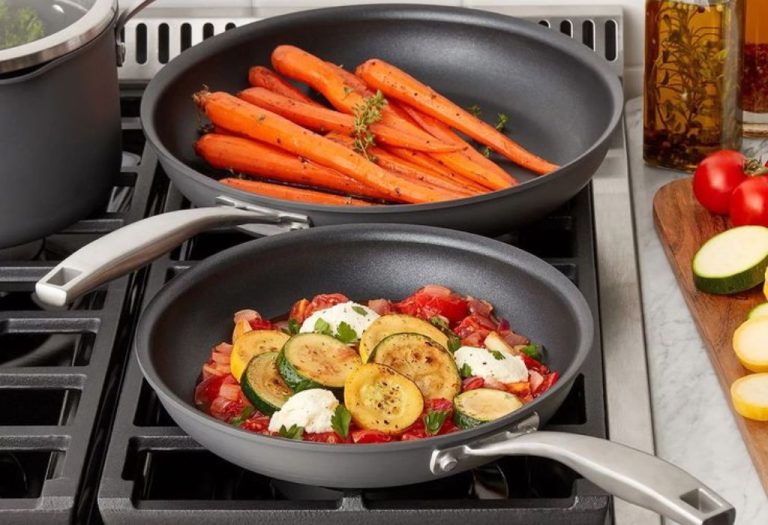
Every kitchen has a favorite pan, the one that makes perfect eggs, crisp vegetables, or golden-brown pancakes. But when it’s covered in grease and burnt bits after dinner, the temptation hits: can you just toss it into the dishwasher?
It’s one of the most common kitchen questions. Dishwashers are convenient, fast, and promise spotless results. Yet not every pan is built to handle the combination of hot water, powerful detergent, and high-pressure spray.
The truth is that while some pans are completely dishwasher safe, others can warp, discolor, or lose their non-stick coating.
Knowing the difference can save both your cookware and your wallet. Stainless-steel pans may come out shining, but cast-iron skillets or copper pots can rust or tarnish after just one cycle. Even dishwasher-safe pans benefit from proper placement and gentle detergent choices.
In this complete guide, you’ll learn exactly which pans belong in the dishwasher, which don’t, and how to clean each material the right way.
Whether your kitchen is filled with non-stick, ceramic, or heavy-duty cast-iron cookware, this guide will help you keep every pan performing like new, without risking damage.
Are All Pans Dishwasher Safe?
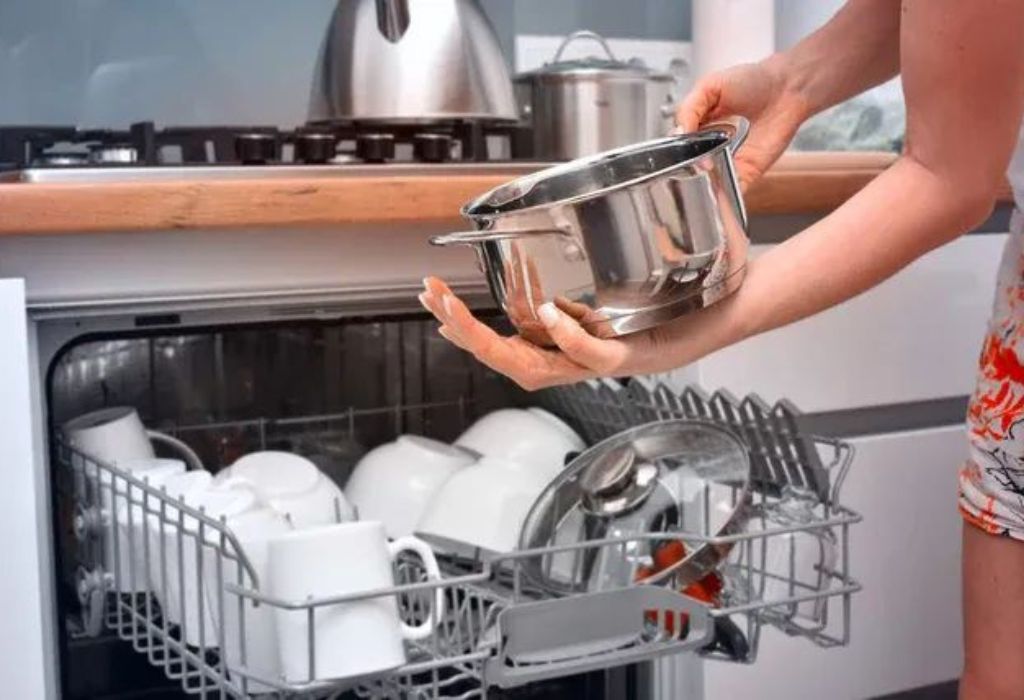
No — not all pans are created equal. The term “dishwasher safe” depends on the material, coating, and even the pan’s construction. While stainless-steel and aluminum pans may tolerate the dishwasher, non-stick and cast-iron pieces usually do not.
Manufacturers label many modern pans as dishwasher safe to appeal to busy cooks, but long-term exposure to heat and detergent often shortens their lifespan. High temperatures can warp thin pans, loosen rivets, and dull polished finishes.
Always read the care label or manufacturer’s guide. If the label simply says “dishwasher safe,” it means the pan won’t be destroyed immediately — not that it’s immune to wear. When in doubt, hand washing remains the safest method.
Can I put any pan in the dishwasher?
No, only materials labeled dishwasher safe should go inside.
Do dishwashers ruin pans?
They can, especially non-stick, cast-iron, or copper pans.
Why do some pans warp in the dishwasher?
Rapid heating and cooling cause metal expansion and bending.
What happens to non-stick pans in the dishwasher?
The coating breaks down, reducing slickness and releasing flakes.
Is it OK to put lids and handles in too?
Yes, if they’re stainless or heat-resistant; wood and silicone may degrade.
How Dishwashers Affect Cookware
Dishwashers clean aggressively. Jets of scalding water, combined with alkaline detergent, strip food quickly — but they also strip protective coatings. Over time, this leads to discoloration, pitting, or dullness.
For stainless steel, detergents remove natural oils that give the surface shine. For non-stick pans, the dishwasher’s heat weakens the coating’s bond to the metal base. Copper and aluminum react chemically with detergent, leading to spots and color changes.
The heat-dry cycle amplifies these effects. When metal expands during heating and contracts as it cools, it stresses joints, rivets, and bonded layers. These invisible stresses shorten the lifespan of even high-quality cookware.
If you love your pans, treat the dishwasher like a last resort, not a habit.
Can You Put Non-Stick Pans in the Dishwasher?
Non-stick pans are among the most delicate kitchen tools. Their smooth coating allows effortless cooking, but it’s easily damaged by heat and chemicals. Manufacturers often advertise dishwasher safety, yet frequent washing reduces their lifespan dramatically.
The detergent’s alkaline salts slowly erode the non-stick layer, making food stick and coatings flake. The pan may also develop a dull gray color after repeated cycles.
If you must use the dishwasher occasionally, choose a gentle or eco cycle, skip heat-drying, and use mild detergent. Place the pan away from the heating coil to prevent warping.
For best results, hand wash with warm water, soft sponges, and mild soap. It takes seconds and keeps your non-stick coating smooth and effective for years.
Are Stainless-Steel Pans Dishwasher Safe?
Stainless steel is the toughest and most dishwasher-friendly material. It resists rust, tolerates high temperatures, and doesn’t absorb odors. However, it’s not completely immune to water spots or detergent film.
If you place stainless-steel pans in the dishwasher, space them apart to allow full rinsing. Avoid contact with aluminum or cast-iron items — mixing metals can cause corrosion through electrolysis.
To prevent rainbow discoloration, wipe pans with vinegar after washing. For polished finishes, hand drying with a soft cloth restores shine. Though stainless steel can survive the dishwasher daily, alternating with gentle hand washing preserves its mirror surface longer.
Can You Put Cast-Iron Pans in the Dishwasher?
Absolutely not. Cast-iron pans are never dishwasher safe. Their surface relies on a layer of oil seasoning that protects against rust and creates a natural non-stick barrier. Dishwashers strip this coating instantly, leaving the pan dull, sticky, and vulnerable.
When exposed to detergent and moisture, cast iron rusts within hours. Once rusted, restoring it requires sanding and re-seasoning.
To clean cast iron, simply wipe with a paper towel or scrub lightly using coarse salt and a damp cloth. After drying, apply a thin layer of oil and heat it briefly to maintain protection.
The dishwasher is the single fastest way to ruin a perfectly seasoned pan — always avoid it.
What About Aluminum and Copper Pans?
Aluminum pans react poorly to dishwasher detergents. The combination of heat, moisture, and high-alkaline soap creates oxidation, leading to dull gray patches. Anodized aluminum fares slightly better but still loses its sheen over time.
Copper cookware looks stunning but tarnishes instantly in dishwashers. Detergents strip the protective lacquer, leaving dark stains and rainbow hues. Polishing afterward is nearly impossible to restore the original shine.
For both materials, hand washing with gentle soap and a soft sponge is the only safe option. Dry immediately to prevent spotting. These metals may look sturdy, but in dishwashers, they’re among the most fragile.
Dishwasher-Safe Pans: How to Load Them Properly
If your pans are labeled dishwasher safe, placement still matters. The top rack is safest for lightweight pans, while sturdier stainless-steel pieces can sit on the bottom rack.
Keep pans angled so water drains easily. Avoid overcrowding — water jets must reach every surface. Mixing large pans with small utensils blocks spray circulation, leaving residue.
Never stack pans or overlap handles. Friction during washing causes scratches, especially on polished or non-stick surfaces.
Once the cycle ends, open the door slightly to release steam. Let pans air dry completely before storing to prevent moisture marks or rust.
Can stacking pans cause damage?
Yes, vibration during washing scratches or chips coatings.
Should I remove detachable handles before washing?
Yes, if they’re wood or silicone-covered.
Can I wash lids with pans together?
Yes, but separate glass lids to prevent cracking.
Why do water spots form on my pans?
Hard water leaves mineral residue; use vinegar to remove.
Is it safe to use rinse aid?
Yes, it prevents streaks and speeds up drying.
Common Mistakes When Washing Pans
Many people unintentionally shorten their pans’ lifespan through cleaning errors. The biggest mistake is using harsh detergents or abrasive scrubbers. These strip protective coatings and create permanent scratches.
Another is washing hot pans immediately. Rapid temperature change from hot to cold causes warping, especially in aluminum and copper pans. Always let cookware cool before washing.
Avoid leaving pans soaking overnight. Prolonged moisture leads to corrosion or loosens handles and rivets.
And never mix dissimilar metals — cast-iron residue can stain stainless steel, while copper may cause pitting in aluminum pans.
Can I soak pans before washing?
Only briefly; long soaks cause rust or loosened coatings.
Can I use steel wool on pans?
Only on uncoated stainless steel, never on non-stick.
Why does my pan smell metallic after dishwashing?
Detergent residue reacting with metal — rinse and air dry.
Should I pre-rinse pans before the dishwasher?
Yes, scrape off burnt bits for better results.
Is baking soda safe for cleaning?
Yes, it removes stains without scratching.
Eco-Friendly Ways to Clean Pans Without Dishwasher
If you prefer avoiding the dishwasher altogether, you can still clean pans quickly and sustainably. Baking soda and vinegar make excellent natural cleaners that cut grease and remove stains.
Mix one tablespoon of baking soda with warm water and scrub using a soft sponge. For tougher grime, sprinkle salt and add vinegar — the fizz loosens residue instantly.
For non-stick or delicate pans, soak briefly in warm water with mild soap. Avoid boiling water or aggressive scrubbing.
Rinse thoroughly and dry with a soft towel to maintain shine. This method not only saves your pans but also reduces detergent waste and water use.
How to Maintain Pans After Washing
Proper drying and storage keep cookware looking new. Always dry pans immediately with a soft towel to prevent water spots or rust rings. For cast-iron, follow with a thin coat of oil before storing.
Stack pans carefully with paper or cloth liners between them to prevent scratches. Hanging stainless-steel pans keeps them spotless and avoids friction marks.
For copper or aluminum, polish occasionally with lemon juice and salt to restore luster.
Avoid storing damp cookware in cabinets — trapped moisture leads to odors or corrosion. A few seconds of care after cleaning keeps pans pristine for years.
When to Replace Damaged Pans
Even high-quality pans don’t last forever. Signs of damage include peeling coatings, warped bottoms, and stubborn discoloration.
A warped pan heats unevenly, causing food to burn in spots. Non-stick coatings that flake or bubble can release harmful particles into food.
If you notice these issues, it’s safer to replace the pan. Stainless steel can often be polished or reconditioned, but non-stick and aluminum pans should be replaced once coatings wear thin.
Regular inspection ensures you’re cooking safely and efficiently.
How Dishwasher Detergent Affects Pan Surfaces
Dishwasher detergent is powerful — formulated to cut through grease, starch, and burnt food. But the same ingredients that make it effective can also harm delicate cookware surfaces.
Most detergents contain alkaline salts, surfactants, and bleaching agents that react with metal and coatings over time.
Non-stick pans are especially vulnerable. The detergent breaks down the polymer surface, causing dullness and microscopic cracks that grow after repeated washing. Once this happens, food begins sticking, and the coating eventually peels.
Even stainless steel, which seems invincible, can lose its mirror polish. Over time, harsh detergent compounds remove the protective chromium oxide layer, leading to a rainbow-like discoloration. Though it’s cosmetic, it signals surface wear.
Copper and aluminum react chemically with detergent, creating black streaks and dulling their natural sheen. This oxidation is difficult to reverse and permanently affects appearance.
If you must use the dishwasher, choose a mild or eco-friendly detergent labeled “metal-safe.” These formulas clean effectively without stripping the finish. A quick vinegar rinse afterward restores shine and neutralizes leftover detergent residue.
Should You Use the Dishwasher’s Heat Dry for Pans?
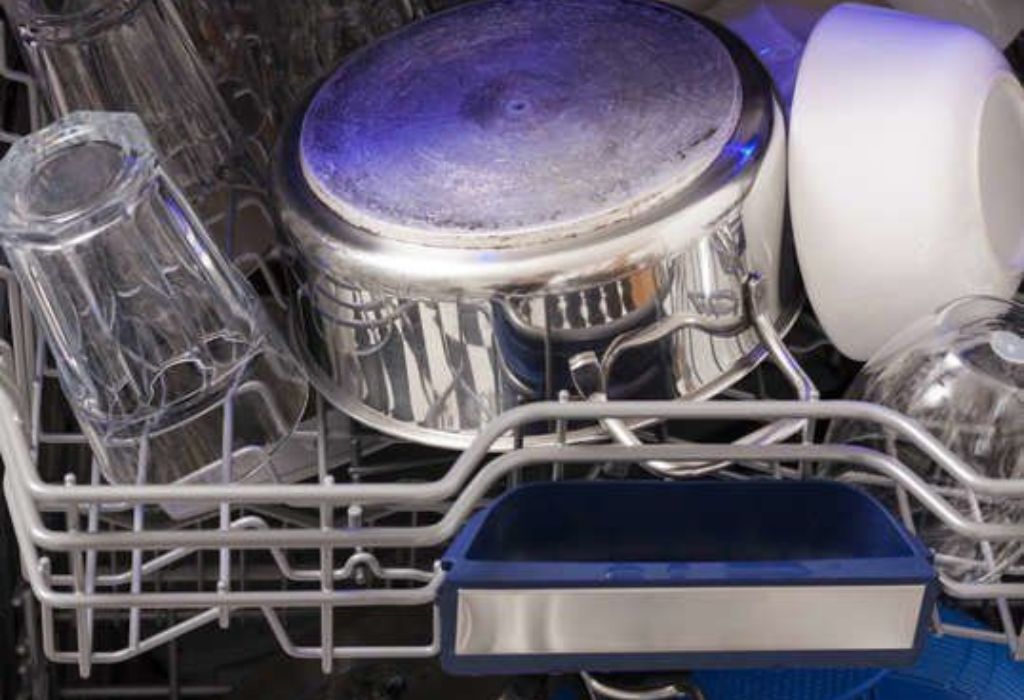
The heat-dry cycle in dishwashers speeds up drying but can be harmful to cookware. It uses air temperatures exceeding 160°F to evaporate water, which may damage coatings or cause metal expansion. For pans with multiple layers or bonded materials, this stress can loosen the base or warp the shape.
Non-stick and anodized pans suffer the most under prolonged heat exposure. The coating expands unevenly compared to the metal base, leading to flaking or bubbling after several washes. Heat can also melt silicone grips or soften epoxy-painted handles.
Stainless-steel pans tolerate heat drying better but often emerge with mineral spots. These spots result from hard water residue crystallizing under high heat. A simple towel dry or open-door air drying prevents this completely.
To extend cookware lifespan, disable the “heated dry” setting and let pans air dry naturally. Not only does this save energy, but it also protects coatings and handles from unnecessary stress.
Can heat drying damage non-stick pans?
Yes, it can cause flaking or loss of coating elasticity.
Why do stainless pans show spots after heat drying?
Hard water residue bakes onto the surface.
Is air drying better for pans?
Yes, it’s gentler and prevents thermal stress.
Can heat drying melt plastic handles?
Yes, lower-quality handles or knobs may soften.
Does skipping heat drying reduce dishwasher efficiency?
Slightly, but it greatly increases cookware longevity.
Eco-Friendly Alternatives to Dishwashing Pans
You don’t need a dishwasher to clean pans efficiently or sustainably. With the right ingredients, hand washing can be faster, safer, and better for the environment. The best part? These natural solutions use items already in your kitchen.
For grease-heavy pans, mix baking soda with warm water and let it sit for 10 minutes. The mild alkalinity breaks down oil without scratching the surface. Adding vinegar afterward cuts through residue and restores shine.
For burnt food, sprinkle coarse salt, pour hot water, and let it soak briefly. Use a soft sponge to lift grime gently, no need for harsh chemicals. This trick works wonders for cast-iron and stainless-steel cookware.
Avoid dishwashing altogether for delicate pans made of copper, ceramic, or carbon steel. Hand washing not only saves water but also prevents detergent buildup that dulls surfaces.
For an extra shine, rub pans with lemon juice or a drop of olive oil before storing. These natural ingredients maintain the protective layer and keep cookware looking brand new.
Conclusion
So, can you put pans in the dishwasher? Sometimes, but not always. Stainless-steel pans handle dishwashers well, while non-stick, cast-iron, copper, and aluminum should stay far away from them.
The dishwasher’s heat and detergent are powerful enough to remove grease but harsh enough to ruin coatings, warp metal, or strip polish. For convenience, occasional dishwasher use is fine on labeled items, but regular hand washing guarantees longer life.
Always check your cookware’s material, use mild detergent, and avoid heat-dry settings. Treat your pans like an investment, because they are. With thoughtful care, your cookware will stay spotless, non-stick, and reliable for years of perfect meals ahead.

I’m Emma J. Caldwell, the founder, lead writer, and home-cooking enthusiast behind KitchenGuideCo.com. With a background in culinary arts and over a decade of cooking experience in both professional and personal kitchens, I created this platform to demystify recipes, offer smart kitchen gadget reviews, and guide readers through meal prep with confidence and clarity.