Clamp jars have become a kitchen favorite for storing dry goods, spices, coffee, homemade sauces and even fermented foods. Their airtight seal and vintage design make them both useful and attractive on any shelf.
But when it is time to clean them, many people pause and wonder whether clamp jars are actually safe to put in the dishwasher.
Some users worry that the strong metal hinge might rust or weaken under high heat. Others fear that the rubber gasket might dry out, crack or lose its sealing strength after repeated dishwasher cycles. These concerns make it difficult to know the safest cleaning method.
Imagine finishing a big cooking session and finding your clamp jars sticky from sugar, honey or sauce residue. The dishwasher feels like the fastest way to clean everything at once. But the thought of damaging the hinges or rubber parts makes you hesitate.
Glass is normally very safe in dishwashers, but clamp jars are not just glass. They include multiple materials that react differently to heat and detergent. Understanding how each part behaves makes it easier to avoid long term damage.
Some people report that their clamp jars survive years of dishwasher use without any problems. Others say their rubber seals shrink or the clamps lose tension after only a few months. These conflicting experiences make the truth confusing.
This guide explains everything you need to know about cleaning clamp jars in the dishwasher. From what manufacturers recommend to how heat affects gaskets and hinges, each section offers clear and practical advice.
By the end, you will know exactly how to wash your clamp jars safely and protect their airtight strength.
WHY PEOPLE ASK WHETHER CLAMP JARS ARE DISHWASHER SAFE
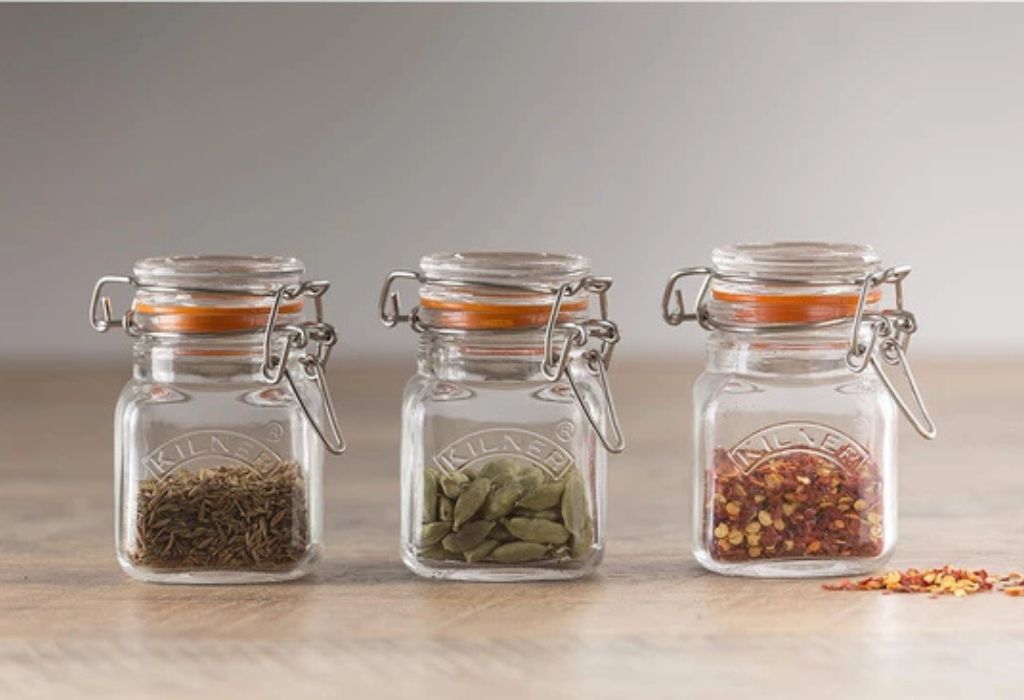
Clamp jars are popular because they look beautiful and create a strong airtight seal that keeps food fresh for long periods.
Their combination of glass, metal and rubber makes them unique among storage containers. This mixture of materials creates confusion about whether they can safely go in the dishwasher.
Many people worry about the metal hinge rusting when exposed to strong dishwasher detergents. Metal components react differently to heat and moisture than glass. These concerns make owners think twice before cleaning clamp jars in the dishwasher.
Rubber gaskets create another layer of uncertainty. The gasket is essential for creating the airtight seal, but rubber can crack or dry out from repeated high heat. This makes people worry about weakening the sealing ability.
Glass is usually safe in dishwashers, but clamp jars are not just glass. Their moving parts can loosen or wear out over time. Dishwasher pressure may also force water into small gaps.
Online opinions make the situation even more confusing. Some people say they wash clamp jars daily without problems, while others complain that their gaskets shrank or their hinges rusted. These mixed testimonials create doubt for new users.
People also worry about hygiene. Because clamp jars store food, cleaning them improperly could leave residue in the hinge or gasket area. This increases the need for safe and effective cleaning practices.
The desire to protect their jars while maintaining convenience is why many people ask this question. They want a reliable cleaning method that preserves the airtight seal. Understanding how clamp jars respond to dishwashing solves this confusion.
WHAT MANUFACTURERS SAY ABOUT DISHWASHER CLEANING
Manufacturers usually say that the glass body of clamp jars is dishwasher safe. Glass can handle high heat and strong detergents without structural problems. This makes the jar itself safe for regular washing.
However, the metal hinge is a different story. Many brands advise hand washing the metal components to prevent rusting. Metal parts may lose shine or strength after repeated dishwasher cycles.
Rubber gaskets also require special care. Some manufacturers warn that rubber seals can shrink or crack when exposed to high heat. They recommend removing the gasket before dishwashing.
Temperature guidelines vary across brands. Some jars can tolerate higher heat than others. Users are advised to check the specific instructions for their jar model.
Manufacturers also provide guidance on detergent types. Strong or abrasive detergents can weaken metal and rubber components faster. Mild detergent is recommended for safe long term cleaning.
Warranty notes often mention that damage caused by dishwashers is not covered. This places the responsibility on the user to follow cleaning guidelines. Knowing this helps prevent accidental wear.
Manufacturers prioritize long term durability when making cleaning recommendations. Following these instructions ensures clamp jars remain healthy and airtight. This protects both the jar and the food stored inside.
HOW DISHWASHERS AFFECT GLASS, HINGES AND RUBBER GASKETS
High dishwasher heat can cause expansion and contraction in clamp jar materials. Glass handles these changes well because it expands evenly. Metal and rubber, however, respond differently to temperature cycles.
Metal hinges may rust when exposed to moisture and detergent over long periods. The detergent can strip protective coatings from the hinge. Once exposed, the metal becomes vulnerable to corrosion.
Rubber gaskets dry out faster in dishwashers. Repeated heat cycles remove natural moisture from rubber. This leads to cracking or shrinking over time.
Glass stays structurally safe but may develop cloudiness with harsh detergents. Cloudiness is cosmetic and does not weaken the glass. However, it can make jars look older.
Springs in the metal clamp may weaken under constant heat. They may lose some of their tension and holding strength. This affects the airtight seal of the jar.
Detergents can collect in small gaps around the hinge. This residue may require extra rinsing after washing. Failure to do so may affect food storage hygiene.
Dishwashers mainly affect the metal and rubber parts, not the glass. Understanding these effects helps users avoid long term damage. Careful cleaning prevents unnecessary wear.
HOW TO SAFELY WASH CLAMP JARS IN THE DISHWASHER
Start by removing the rubber gasket from the lid. Gaskets can shrink or crack if washed in high heat. Washing them separately in warm soapy water protects their flexibility.
Wash the glass jar in the dishwasher without the metal clamp attached. This reduces strain on the hinge. It also prevents metal parts from hitting the walls of the dishwasher.
Place the glass jar on the top rack for gentler cleaning. The top rack protects it from intense heat. This helps keep the jar safe while washing.
If you choose to wash the metal hinge, place it in a utensil holder. This prevents it from bouncing around during the wash cycle. Keep it away from the heating element to avoid discoloration.
Use mild detergent for all parts. Harsh detergent may damage rubber and metal. Mild formulas keep the jar components safe.
Let the washed parts air dry fully. Moisture trapped in the hinge may cause rust. Drying the gasket separately helps maintain its sealing ability.
Reassemble only after all parts are completely dry. A dry gasket sticks better and seals correctly. This prevents mold and odor buildup inside the jar.
COMMON MISTAKES PEOPLE MAKE WHEN CLEANING CLAMP JARS
One common mistake is washing the gasket while still attached. Gaskets must be removed to prevent cracking or shrinking. Attached gaskets also trap moisture.
Another mistake is using hot dry cycles. High heat accelerates gasket wear. It may also weaken the metal hinge.
Using harsh detergents can damage clamp jar components. Strong chemicals strip metal coatings. They also age rubber seals faster.
Some people place jars near the dishwasher heating element. This exposes the glass and hinge to extreme heat. Excess heat shortens the lifespan of the clamp mechanism.
Overloading the dishwasher is another issue. Crowded racks increase the chance of glass hitting metal. This leads to chips or scratches.
People often ignore small rust spots on hinges. Rust spreads quickly when left untreated. Early cleaning prevents serious damage.
Letting wet jars stay closed after washing causes mold. Moisture trapped inside gaskets encourages bacterial growth. Air drying solves this problem.
WILL DISHWASHERS DAMAGE CLAMP JARS OVER TIME
Dishwashers may dry out rubber gaskets, causing them to lose flexibility. A stiff gasket cannot form a proper airtight seal. This affects the jar’s ability to store food safely.
Metal hinges may rust with repeated exposure to moisture and detergent. Rust weakens the clamp mechanism. It also affects the smooth opening and closing of the lid.
Springs inside the clamp can lose tension over time. Weakened springs do not hold the lid tightly. This compromises the airtight function.
Glass may develop a cloudy appearance with harsh detergent. While this does not affect functionality, it reduces visual appeal. Mild cleaners help maintain clarity.
Repeated dishwasher cycles may loosen screws or hinge components. Metal can warp slightly under frequent heat. This affects long term performance.
Rubber gaskets may shrink if exposed to extreme heat. A shrunken gasket does not sit correctly in the lid. This results in poor sealing.
Despite these risks, careful use makes dishwashing safe for occasional cleaning. Alternating between hand washing and dishwasher use extends the jar’s lifespan. This balance protects the clamp mechanism.
HAND WASHING VS DISHWASHER FOR CLAMP LID JARS
Hand washing is gentler on rubber gaskets. Warm soapy water keeps the rubber soft and flexible. This helps maintain the airtight seal longer.
Dishwashing provides convenience. It cleans the glass jar thoroughly without much effort. This is ideal for busy households.
Hand washing reduces stress on metal components. It avoids harsh detergent and heat cycles that damage hinges. This method preserves metal strength.
Dishwashing cleans glass very effectively. The strong spray removes food residue quickly. Glass maintains its clarity well under gentle dishwasher settings.
Hand washing allows detailed cleaning of small corners. The hinge and gasket areas need careful attention. Brushes help reach tight spaces.
Dishwashing may weaken the clamp mechanism over time. Heat affects springs and rubber parts. Using dishwashers occasionally solves this issue.
Both methods are useful depending on the situation. Hand washing is best for preserving longevity. Dishwashing works for quick cleaning when needed.
HOW TO DEEP CLEAN CLAMP JARS SAFELY
Use baking soda to remove stains and sticky residue. A baking soda paste works well on glass surfaces. It removes grime without scratching.
Vinegar soaks help eliminate mineral buildup. This method clears hard water stains from glass. It also freshens the jar.
Rubber gaskets need gentle cleaning. Warm soapy water removes oils and residue. Avoid stretching the gasket during cleaning.
Metal hinges require special care. Use a small brush to remove dirt from the hinge. Dry thoroughly to prevent rust.
Odors trapped in jars can be removed with lemon water. This natural method leaves the jar smelling clean. Rinsing well finishes the process.
Stubborn stains need extra cleaning time. Let the jar soak overnight if necessary. This loosens tough residue.
Monthly deep cleaning keeps jars fresh. It preserves both the glass and metal components. Regular care extends the jar’s lifespan.
SIGNS YOUR CLAMP JARS NEED REPLACEMENT
Cracked or hardened gaskets cannot seal properly. If the gasket no longer bends easily, replacement is needed. Proper sealing is essential for food storage.
Rust on metal hinges shows corrosion damage. Severe rust weakens the clamp. Rusty components may break under pressure.
Loose springs indicate wear. If the clamp no longer closes tightly, the mechanism is failing. This reduces airtight performance.
Cloudy or chipped glass indicates structural wear. Chips can spread and cause cracks. Replacing chipped jars prevents breakage.
Persistent odors that do not wash out indicate trapped bacteria. If cleaning does not fix the issue, the jar may be compromised. Odor problems affect food safety.
Misshaped gaskets lose their sealing ability. If the shape changes, the gasket cannot sit properly. This requires immediate replacement.
Leaking lids show the jar is no longer airtight. This defeats the purpose of clamp jars. Replacing damaged parts restores function.
FINAL CARE AND MAINTENANCE TIPS FOR CLAMP JARS
Remove gaskets regularly for gentle cleaning. Keeping them flexible preserves the airtight seal. Rubber lasts longer with proper care.
Dry all parts completely before reassembling. Moisture causes rust and mold. Air drying prevents long term issues.
Store jars with the lid open. This allows airflow inside the jar. Closing jars while wet increases odor risk.
Use mild detergents for all cleaning. Strong chemicals damage rubber and metal. Gentle formulas maintain durability.
Avoid extreme heat exposure. High heat stresses glass and rubber. Cool temperatures protect materials.
Inspect hinges regularly for rust. Early treatment prevents damage. Clean and dry metal parts carefully.
Regular maintenance helps clamp jars last for years. Proper cleaning and care protect both functionality and appearance. This ensures your jars remain airtight and safe for daily use.
Helpful Maintenance FAQs for Glass Clamp Storage Jars
Are clamp jars fully dishwasher safe?
The glass portion is usually dishwasher safe, but the metal hinge and rubber gasket are not recommended for high heat. These parts can weaken or rust over time. Washing them separately protects their durability.
Can the rubber gasket on clamp jars go in the dishwasher?
Rubber gaskets should not be washed in the dishwasher. Heat can cause shrinking, cracking or hardening. Cleaning them gently with warm soapy water is best.
Will the metal hinge rust if I put clamp jars in the dishwasher?
Yes, the metal hinge is at risk of rust when exposed to strong detergent and moisture. Rust weakens the clamp mechanism. Hand washing metal parts helps prevent corrosion.
Why did my clamp jar stop sealing tightly after dishwashing?
The gasket may have shrunk or dried out from dishwasher heat. When rubber loses flexibility, it no longer creates an airtight seal. Replacing the gasket usually solves the problem.
Is it safe to wash clamp jars on the bottom rack?
The bottom rack exposes jars to stronger heat and pressure. This increases stress on the hinge and gasket. Using the top rack is a safer option.
Can dishwasher detergent damage clamp jar components?
Strong detergents can dull metal, dry out rubber and cause cloudiness on glass. Mild detergents reduce this risk. Using gentle cleaning products protects all parts.
Why does my clamp jar have water trapped inside the hinge after washing?
Dishwasher spray pushes water into small hinge gaps. If not dried completely, moisture stays trapped and causes rust. Air drying helps prevent this issue.
Can I leave the gasket attached while dishwashing the jar?
Leaving the gasket attached exposes it to heat that can make it brittle. It can also trap moisture underneath. Removing it before washing is important.
Why is the glass on my clamp jar turning cloudy?
Cloudiness comes from mineral deposits or strong detergent. This does not weaken the glass but affects appearance. A vinegar soak can often restore clarity.
How often should I replace clamp jar gaskets?
Rubber gaskets should be replaced when they stiffen, shrink or lose shape. Frequent dishwasher use may shorten their lifespan. Checking them regularly ensures airtight sealing.
Conclusion
Clamp jars are a convenient and attractive way to store food, but understanding how to clean them safely helps maintain their airtight performance.
While the glass portion can usually handle dishwasher cleaning, the metal hinge and rubber gasket need extra care to prevent wear. Knowing how each component reacts to heat and detergent makes cleaning decisions much easier.
Dishwashers offer great convenience for everyday kitchen cleanup, especially for families who use clamp jars frequently.
However, repeated exposure to strong detergent and high temperatures can weaken the hinge or dry out the rubber gasket. These effects do not show immediately but can reduce long term durability.
Hand washing gives you more control over the cleaning process. It protects the rubber seal and prevents the metal parts from rusting or discoloring. This helps maintain the tight and reliable seal that clamp jars are known for.
Small cleaning habits also make a big difference. Removing the gasket before washing, drying parts fully and using mild detergent all help preserve the jar’s airtight function. These simple steps extend the life of every component.
Deep cleaning helps keep the jar fresh and hygienic. Using baking soda, vinegar or warm soapy water keeps odors and stains under control. Regular maintenance ensures that clamp jars remain safe for storing dry goods, spices and homemade foods.
Clamp jars can last for many years with proper care. Understanding the effects of dishwashing helps you choose the safest cleaning method for each part. With the right routine, your jars stay beautiful, functional and completely airtight.

I’m Emma J. Caldwell, the founder, lead writer, and home-cooking enthusiast behind KitchenGuideCo.com. With a background in culinary arts and over a decade of cooking experience in both professional and personal kitchens, I created this platform to demystify recipes, offer smart kitchen gadget reviews, and guide readers through meal prep with confidence and clarity.