Wooden spoons have been a staple in kitchens for generations, loved for their gentle touch on cookware and their natural, rustic charm. They feel warm in the hand, glide smoothly across pots and pans and never scratch delicate surfaces.
Because of this timeless usefulness, many home cooks reach for them every day without thinking twice.
After a long cooking session, the dishwasher feels like the fastest way to clean up. It promises convenience, speed and a break from scrubbing sticky sauces or oily residue.
But when it comes to wooden spoons, many people hesitate and wonder if the dishwasher is truly safe for such a natural material.
Wood reacts very differently from metal, silicone or plastic. It absorbs water, expands with moisture and releases it unevenly when exposed to heat. These reactions create uncertainty for people who want to protect their utensils while keeping their cleaning routine simple.
Imagine cooking a hearty stew or sautéing vegetables and then seeing the wooden spoon coated with spices and oil.
Dropping it into the dishwasher feels tempting because it seems like the easiest solution. Yet stories of cracking, splitting or losing the smooth finish make you pause and reconsider.
Some people claim they have washed their wooden spoons in the dishwasher for years without issues. Others say their spoons cracked after just one cycle. With such conflicting experiences, it becomes difficult to know which advice to trust.
This guide explains exactly what happens when wooden spoons go through the dishwasher and why hand washing is the safest method. From moisture damage to detergent effects, each section gives clear and practical details.
By the end, you will know how to clean wooden spoons properly and protect their quality for years to come.
WHY PEOPLE ASK WHETHER WOODEN SPOONS ARE DISHWASHER SAFE
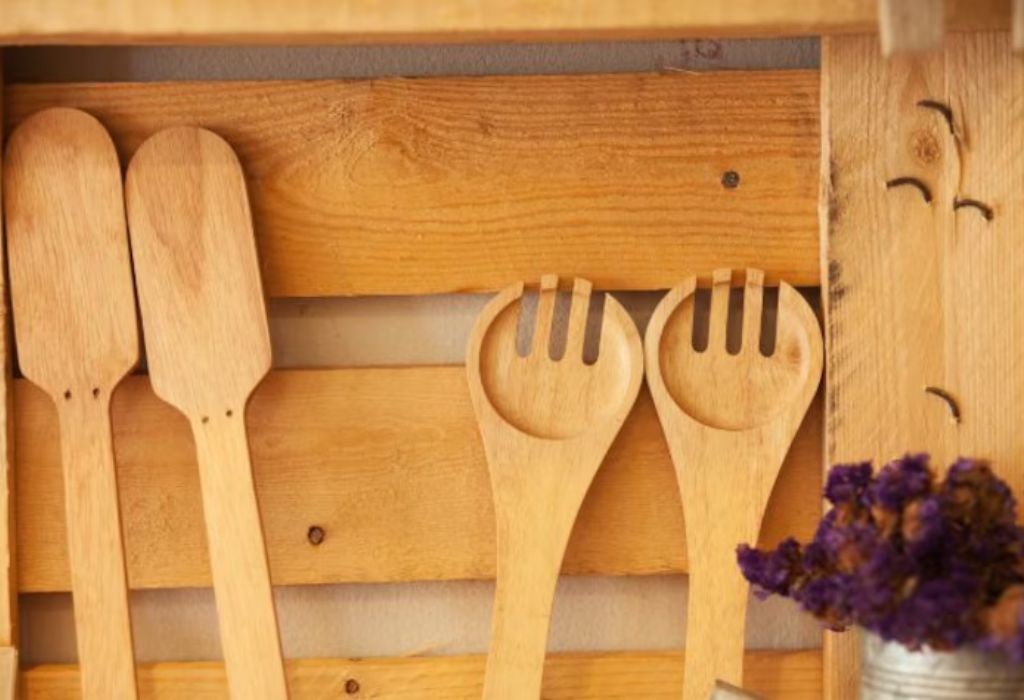
Wooden spoons are loved for their natural beauty and durability, but their unique material makes people unsure about how to clean them safely. Unlike metal or silicone, wood absorbs water, heat and detergent differently. This raises questions about whether dishwashers are safe for wooden utensils.
Many people want the convenience of dropping everything into the dishwasher after cooking. Wooden spoons often get coated with sauces, oils and spices, which makes cleaning by hand feel time consuming. This makes dishwasher cleaning seem attractive.
However, wood has pores that react to moisture quickly. Absorbing too much water can cause swelling or cracking. This reaction creates concern for many users.
Heat also affects wooden utensils. Dishwashers expose spoons to very high temperatures during washing and drying cycles. These conditions may weaken the wood fibers.
Detergent is another issue. Strong dishwasher detergents can strip away natural oils that protect the wood. This leaves spoons dry and brittle.
Online advice is often conflicting. Some people say they put wooden spoons in the dishwasher with no issues, while others report cracking within a few cycles. These mixed experiences leave many confused.
Because wooden spoons are used directly with food, people want to clean them thoroughly without damaging them. Understanding how dishwashers affect wood helps clarify the safest method. This knowledge protects both the spoon and the food it touches.
WHAT HAPPENS WHEN WOODEN SPOONS GO IN THE DISHWASHER
Wood absorbs water inside the dishwasher quickly. When the wood expands from moisture, it loses its original shape. This swelling weakens the spoon over time.
Heat from the dishwasher makes the spoon dry too quickly after swelling. Rapid drying causes the fibers to contract suddenly. This contraction often leads to cracking or splitting.
Steam inside the dishwasher worsens the problem. High humidity softens the wood and allows more water to enter. Once the cycle ends, the spoon dries unevenly.
Dishwasher detergent strips away natural oils from the wood. These oils act as a protective barrier that keeps the spoon smooth and strong. Without them, wood becomes dull and fragile.
Spoons may also develop a rough texture. Loss of oils exposes the grain of the wood. This creates splinters that can be unsafe during cooking.
Repeated dishwasher cycles shorten the lifespan of wooden utensils dramatically. Even if the spoon survives the first few cycles, long term exposure causes permanent damage. Understanding this helps avoid costly mistakes.
Wooden spoons simply cannot handle dishwasher conditions safely. Their natural material reacts too strongly to moisture, heat and detergent. This is why hand washing is recommended.
WHY DISHWASHERS ARE NOT SAFE FOR WOODEN UTENSILS
Dishwashers expose wooden spoons to harsh detergent. These chemicals remove protective oils that keep the wood healthy. Once stripped, the wood becomes brittle.
High heat inside the dishwasher damages the wood structure. Wood does not handle rapid temperature changes well. This heat stress weakens the fibers.
Prolonged water exposure saturates the wood. When soaked for too long, the wood swells unevenly. This creates surface cracks.
Steam inside the dishwasher penetrates the pores of the wood. Steam forces moisture deeper than normal washing. This moisture becomes trapped inside.
Drying cycles cause the spoon to shrink rapidly. As water evaporates too quickly, the wood loses strength. Shrinkage also leads to warping.
Dishwashers cannot protect wooden utensils from wear. The combination of heat, moisture and detergent creates a damaging environment. Even high quality wood is vulnerable.
Hand washing keeps wooden spoons strong. Washing gently protects the natural oils. This method ensures long term durability.
HOW TO PROPERLY CLEAN WOODEN SPOONS WITHOUT A DISHWASHER
Rinse wooden spoons under warm water immediately after use. Quick cleaning prevents food from drying onto the surface. This makes hand washing easy.
Use a mild dish soap and a soft sponge. Gentle scrubbing removes grease and residue without damaging the wood. Abrasive tools should be avoided.
Do not soak wooden spoons for long periods. Excess moisture weakens the wood and encourages cracking. A brief rinse is enough.
Rinse thoroughly to remove all soap. Soap residue dries out the wood over time. Clean surfaces stay healthier.
Dry wooden utensils immediately with a towel. Allowing them to air dry with water sitting on them causes swelling. Towel drying protects the shape.
Let the spoon finish drying upright. Airflow prevents trapped moisture. This avoids warping.
Apply oil occasionally to maintain the wood. Food safe oils help keep the wood nourished and flexible. Regular oiling extends the spoon’s lifespan.
COMMON MISTAKES PEOPLE MAKE WHEN CLEANING WOODEN SPOONS
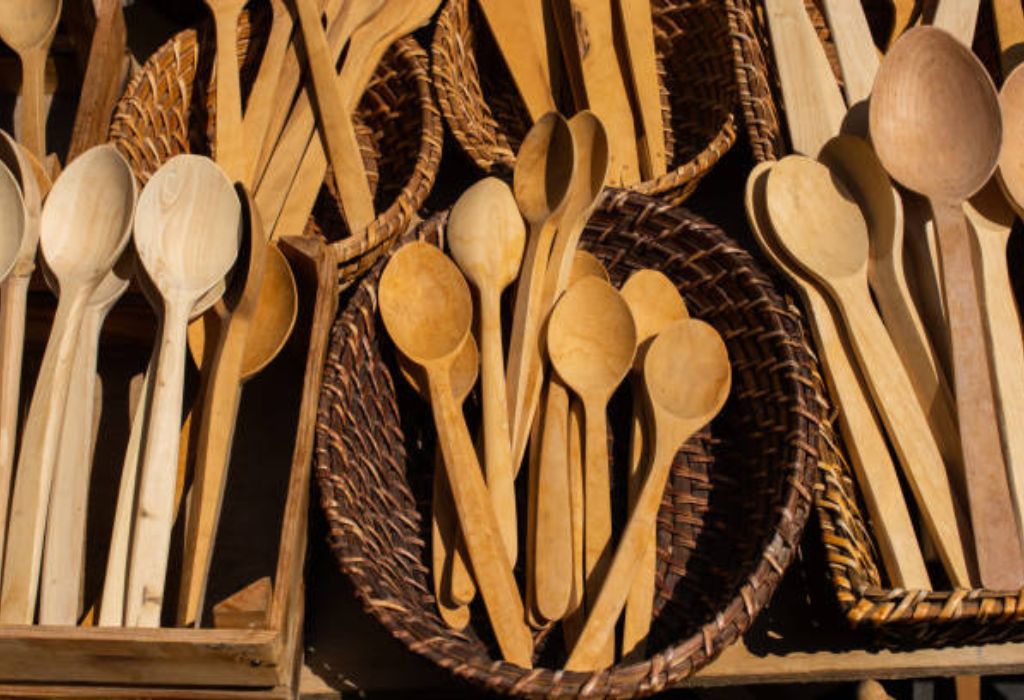
A common mistake is soaking wooden spoons in water. Extended soaking causes swelling that leads to cracking later. Wood should never sit in water.
Some people use bleach or strong detergents to clean wooden spoons. These chemicals strip oils from the wood. This causes dryness and splintering.
Placing wooden spoons near a heat source while drying is another mistake. Excess heat removes moisture too quickly. This leads to warping.
Scrubbing with metal pads damages the wood surface. Harsh scrubbing creates scratches that trap bacteria. Soft sponges are safer.
Forgetting to oil wooden utensils weakens them. Wood needs moisture to stay strong. Proper oiling prevents premature aging.
Air drying spoons flat on a surface causes moisture buildup. Trapped water encourages bacteria growth. Standing upright improves airflow.
People often clean wooden spoons less thoroughly because they fear damaging the wood. Safe hand washing keeps utensils clean without harm. Consistent care prevents long term issues.
WHAT TO DO IF YOU ACCIDENTALLY PUT A WOODEN SPOON IN THE DISHWASHER
Remove the spoon immediately after the cycle. Quick action helps reduce further damage. Inspect it carefully for cracks.
Dry the spoon thoroughly with a towel. Wood absorbs moisture quickly, so fast drying matters. Heat the spoon gently to remove hidden water.
Feel the surface for roughness. Dishwasher detergent may leave the wood dry and sharp. Sanding lightly can smooth the surface.
Check for warping. If it has bent, you may not be able to restore its shape. Severe warping means the spoon should be replaced.
Apply food safe oil generously. Oil helps restore lost moisture. Let the spoon absorb oil overnight.
Repeat oiling if the spoon still feels dry. Rehydrating wood often takes more than one application. Proper maintenance can save slightly damaged utensils.
If cracks appear, retire the spoon. Cracked wooden utensils can harbor bacteria. Replacing them is safer.
ARE ALL TYPES OF WOODEN SPOONS AFFECTED THE SAME WAY
Hardwood spoons are more durable than softwood spoons. Hardwoods resist dents and scratches better. However, they still react strongly to dishwasher conditions.
Softwood spoons absorb water more quickly. They swell and crack faster. This makes them even more vulnerable.
Bamboo utensils behave slightly differently. Bamboo is a grass, not wood, and absorbs less water. Still, dishwashers can still weaken bamboo structures.
Olive wood and beechwood are common spoon materials. Both are strong but sensitive to heat and detergent. Hand washing keeps them beautiful.
Walnut and maple spoons last long with proper care. Their dense structure resists warping. But dishwashers still shorten their lifespan.
Spoons with decorative carvings are more fragile. Moisture collects in carved areas. This increases the risk of splitting.
Regardless of the wood type, dishwashers remain unsafe. Hand washing preserves both function and appearance. This ensures wooden utensils stay strong.
HOW TO DEEP CLEAN AND SANITIZE WOODEN SPOONS SAFELY
Use a paste made of baking soda and water. This mixture removes stains without harming the wood. Scrub gently with a soft brush.
Lemon juice helps remove odors. Rubbing the spoon with lemon freshens the wood. The acidity helps disinfect.
White vinegar works well for sanitizing. A quick wipe removes bacteria naturally. Do not soak the spoon in vinegar.
Salt scrubs remove stubborn residue. Salt acts as a gentle abrasive. It helps restore a smoother surface.
Boiling water can sanitize wooden spoons briefly. Pour hot water over the spoon, not the other way around. Avoid prolonged exposure.
Hydrogen peroxide may be used for deep sanitation. Apply lightly and rinse thoroughly. This method removes lingering bacteria.
Oiling after deep cleaning is important. Cleaning removes natural oils, so replenishing is necessary. This step keeps the wood healthy.
SIGNS YOUR WOODEN SPOONS NEED REPLACEMENT
Cracks in the wood mean the spoon is no longer safe. Cracks collect bacteria and weaken the utensil. Replacement is necessary.
Splinters on the surface show damage. Splintering makes the spoon unsafe to use with food. Sanding may help, but severe splinters require replacement.
If the spoon smells bad even after cleaning, it may be time to retire it. Persistent odors indicate deep contamination. This makes it unsafe.
Dark stains may indicate mold. Mold grows in wood grain when moisture gets trapped. A spoon with mold should not be used.
Warping reduces the effectiveness of the spoon. Bent utensils do not perform well in cooking. They are difficult to fix.
A rough texture suggests worn wood. When oiling no longer restores smoothness, the spoon is aging. Replacement keeps your kitchen safe.
Loose handles or cracked joints on multi part utensils are dangerous. They can break during use. New utensils are safer and stronger.
BENEFITS OF HAND WASHING WOODEN SPOONS
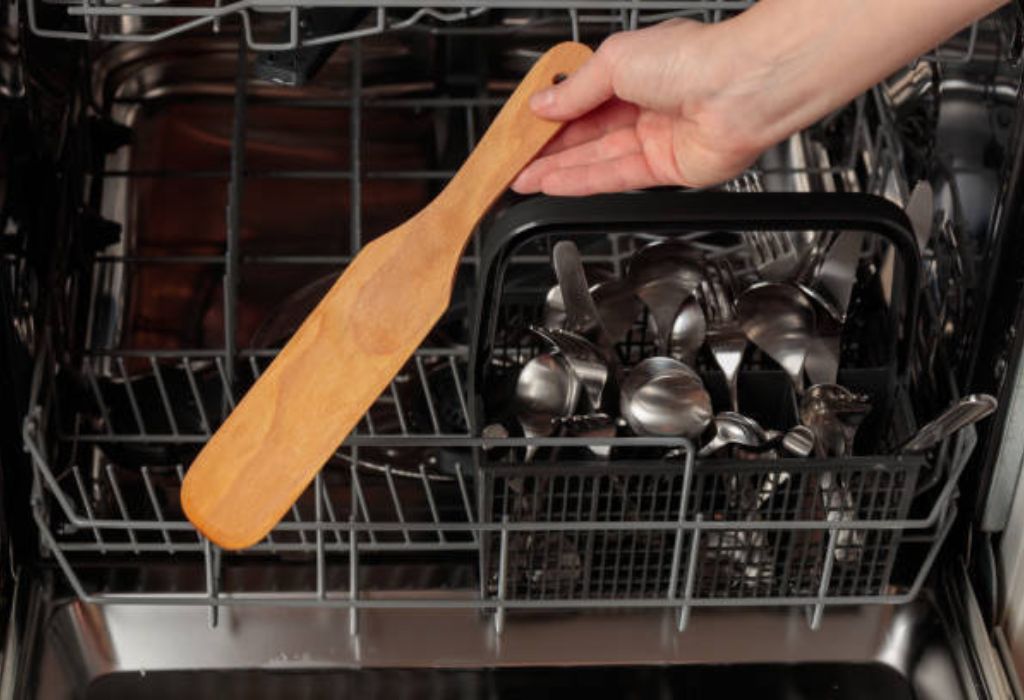
Hand washing protects the natural oils in wooden utensils. This keeps the wood strong and flexible. It helps the spoon last longer.
Gentle cleaning prevents surface damage. Soft sponges maintain the smooth texture. This preserves the spoon’s comfort and usability.
Hand washing reduces exposure to harsh chemicals. Mild soap is safer for wood than dishwasher detergents. This maintains the spoon’s natural finish.
Proper drying prevents warping. Towel drying and upright positioning protect the shape. This reduces long term structural problems.
Hand washing avoids extreme heat changes. Wood remains stable under warm water. This reduces stress on the fibers.
It also allows careful inspection. Users can spot cracks or stains early. This helps maintain hygiene.
Consistent hand washing supports long term durability. With good care, wooden spoons can last for many years. This makes them a reliable kitchen tool.
Common Questions About Washing Wooden Spoons
Can wooden spoons go in the dishwasher?
No, wooden spoons should never go in the dishwasher. Heat and detergent damage the wood. Hand washing is the safest method.
What happens if wooden spoons go in the dishwasher?
They may crack, warp or become rough. Detergent strips protective oils. Moisture weakens the fibers.
Why do wooden spoons crack after dishwashing?
Rapid drying causes the wood to shrink too quickly. This creates splits along the grain. Cracks make spoons unsafe.
Can dishwashers cause wooden spoons to smell bad?
Yes, trapped moisture inside the wood can cause odor. Rough surfaces hold bacteria. Proper drying prevents this.
Is it safe to keep using a wooden spoon after dishwasher damage?
If cracks or splinters appear, it is unsafe. Damaged wood collects bacteria. Replacement is recommended.
Can I repair a warped wooden spoon?
Minor warping may improve with oiling. Severe warping cannot be fixed. Replacement is the best choice.
How do I sanitize wooden spoons safely?
Use baking soda, vinegar or lemon. These natural cleaners are effective. Avoid long soaking.
Do bamboo utensils react the same way as wood?
Bamboo is more resistant but still vulnerable. Dishwashers weaken bamboo over time. Hand washing is still better.
Why does my wooden spoon feel rough after washing?
Loss of natural oils causes dryness. Oiling restores moisture. Sanding may be needed for severe roughness.
How often should I oil wooden spoons?
Oil them monthly or when they look dry. Regular oiling prevents cracking. It also maintains smoothness.
Conclusion
Wooden spoons are reliable kitchen tools, but they require gentle cleaning to stay strong and safe.
Dishwashers expose wooden utensils to harsh detergent, high heat and long periods of moisture, which causes cracking, warping and loss of protective oils. These changes make the spoons unsafe and shorten their lifespan greatly.
Hand washing wooden spoons protects their natural structure. Using mild soap, warm water and immediate drying helps maintain the wood’s smooth texture and durability. This method also ensures the spoon stays free from cracks and bacteria buildup.
Moisture control is one of the most important aspects of wooden spoon care. Drying the spoon right after washing prevents swelling and splitting. Proper drying also keeps odors and stains away.
Deep cleaning methods help maintain hygiene. Baking soda, vinegar or lemon can remove stains and disinfect safely. Regular oiling afterwards strengthens the wood again.
Wooden spoons last much longer when they are treated kindly. By avoiding dishwashers and following simple hand washing habits, you can protect their quality for many years. These utensils become more comfortable and reliable with each use.
Caring for wooden spoons is simple and rewarding. With the right cleaning routine, they remain safe, beautiful and durable in any kitchen. Good maintenance ensures they continue to serve you well during daily cooking.

I’m Emma J. Caldwell, the founder, lead writer, and home-cooking enthusiast behind KitchenGuideCo.com. With a background in culinary arts and over a decade of cooking experience in both professional and personal kitchens, I created this platform to demystify recipes, offer smart kitchen gadget reviews, and guide readers through meal prep with confidence and clarity.