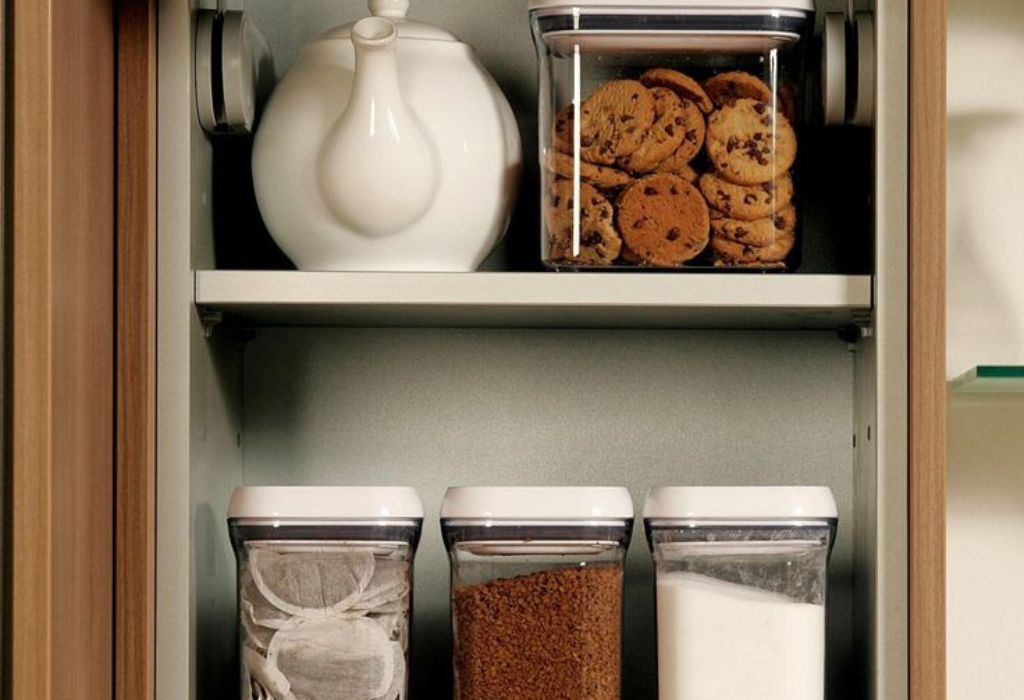
OXO containers are found in countless kitchens because they keep dry foods fresh, stack neatly and make pantries look organized.
People rely on them daily for storing flour, sugar, snacks and cereals, and the airtight seal keeps everything crisp. But a common question comes up when it is time to clean them, especially after storing something sticky or fragrant.
People start wondering if OXO containers are actually dishwasher safe or if putting them into the dishwasher could damage the seals or cause the lids to stop working.
This question usually appears right when someone finishes cooking or baking and the containers are covered in flour dust or sticky residue. The dishwasher seems like the easiest solution because it saves time and avoids hand scrubbing.
Yet the fear of ruining an expensive container set makes people hesitate. They worry that heat might warp the plastic, or that the seal might lose its tightness.
Understanding whether each part of an OXO container can handle dishwasher temperature makes cleaning easier. The base, the lid and the silicone gasket each react differently to heat, pressure and detergent. Learning the difference helps homeowners avoid accidental damage.
This article explains which parts of OXO containers are dishwasher safe, how high heat affects their parts, and the safest ways to wash them.
With the right steps, OXO containers last longer and keep their airtight performance for years. Knowledge makes kitchen cleaning both easier and more confident.
Are OXO Containers Dishwasher Safe Or Not
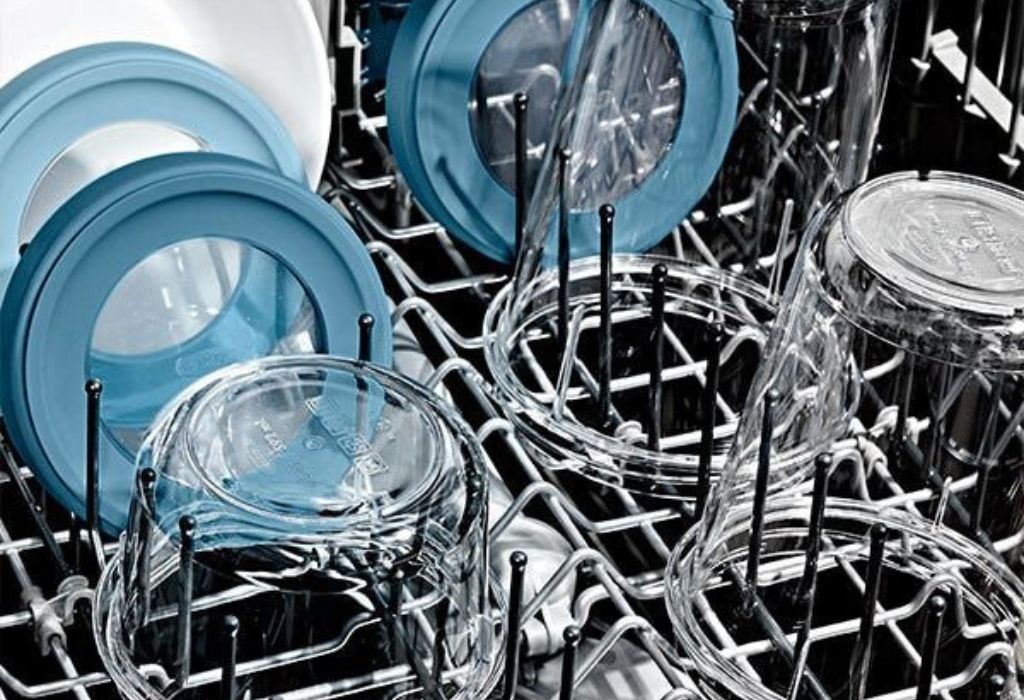
OXO containers are made from durable plastic that can handle dishwasher cleaning when used correctly. The container bases are generally safe for the dishwasher because they tolerate heat and pressure well. The top rack is the preferred place for washing them.
The lids require more careful handling. Most OXO lids can be washed in the dishwasher, but only when placed on the top rack. High heat from the bottom of the machine can warp certain components.
The silicone gaskets inside the lids need extra care. These gaskets create the airtight seal that OXO containers are known for. Washing them gently preserves their flexibility.
Dishwasher detergent may affect the lifespan of the gasket. Strong detergent can wear the material down gradually. Handwashing protects the seal more effectively.
The push button mechanism inside some OXO lids contains small parts. These parts are not ideal for the dishwasher because water pressure can push them out of alignment. Gentle handwashing keeps the mechanism intact.
Understanding these differences helps owners maintain container performance long term. Washing the right parts safely preserves both function and durability.
Which OXO Container Parts Are Dishwasher Safe
The container bases are dishwasher safe because they are made from sturdy materials. These materials resist heat, water and detergent without deforming. Their structure remains stable through repeated washing.
Most OXO lids are also top rack dishwasher safe. The top rack protects plastic from the highest heat levels. This keeps the lids from bending or warping.
The silicone gasket can withstand dishwasher temperatures. However, it lasts longer when washed by hand because it avoids direct detergent exposure. Preserving its softness helps maintain the airtight seal.
The inner mechanism of the push button is not designed for dishwasher cleaning. Water pressure may loosen small components. Handwashing prevents accidental damage.
OXO POP lids should never be placed on the bottom rack. The heating element heats the bottom area intensely. Excess heat risks melting or warping the lid.
Knowing each part’s safe wash zone makes cleaning efficient and worry free. This protects your investment in long lasting containers.
Can the bases go on the bottom rack?
Yes, bases tolerate bottom rack heat safely.
Should lids go on the bottom rack?
No, use only the top rack for lids.
Is the gasket dishwasher safe?
Yes but handwashing is gentler for long term care.
Can the push button go in the dishwasher?
No, small parts may loosen.
Does detergent affect the gasket?
Strong detergent may reduce elasticity over time.
How Heat From Dishwashers Affects OXO Containers
Dishwashers use high heat to clean and sanitize dishes. While OXO bases withstand these temperatures, lids are more sensitive. Excess heat may cause bending.
Heat from the bottom of the dishwasher is the strongest. This is why OXO recommends placing lids only on the top rack. The top rack reduces direct heat exposure.
Plastic expands when heated and contracts as it cools. Repeating this cycle too often may weaken lids. This eventually affects the locking performance.
The silicone gasket may become dry if heated too frequently. Dry gaskets lose flexibility and may not seal properly. Avoiding excess heat keeps them soft.
The push button mechanism inside the lid contains multiple parts. Heat can cause these parts to loosen. This weakens the airtight locking system.
Managing dishwasher heat protects containers from long term damage. Proper placement ensures durability.
How To Safely Wash OXO Containers In The Dishwasher
Start by separating all parts of the container. Remove the gasket and push button if possible. Each part should be cleaned individually.
Place the container bases securely on the lower or upper rack. The base can handle heat and water pressure well. Be sure they are stable before starting the cycle.
Put the lids on the top rack. The top rack protects them from intense heat. This keeps their structure intact.
Wash the silicone gasket by hand for best results. Rinse it with mild soap and warm water. This preserves the elasticity.
If the push button cannot be removed, handwash the entire lid. Water jets may enter small openings. This risks loosening parts.
Using mild detergent reduces wear on plastic. Strong detergents accelerate aging. Gentle products maintain container quality.
Should I fully disassemble the lid?
Disassembling helps clean hidden areas.
Can bases go with heavy pots?
Yes, the bases are sturdy enough.
Do I need the hottest cycle?
Warm cycles are usually enough.
Is mild detergent better?
Yes, it protects plastic over time.
Do lids need prewashing?
Rinsing helps remove dry residue.
Can All OXO Lines Go In The Dishwasher
OXO POP containers are top rack safe for lids and fully safe for bases. These are the most common containers used for pantry storage. Their bases are thick and durable.
OXO Good Grips containers also handle dishwasher washing well. Their lids require the same top rack care. The bases tolerate heat without deformation.
Glass OXO containers are dishwasher safe on both racks. The lids should still stay on the top rack. Heat affects lid plastic differently than glass.
OXO Steel containers vary depending on design. Some lids contain metal components. Handwashing is safer for mixed materials.
OXO baking storage containers follow similar rules. Bases are safe but lids need top rack placement. Silicone seals benefit from gentle cleaning.
Checking individual product labels helps avoid damage. Not all lines have identical material composition.
Do OXO Containers Warp In Dishwashers
Warping happens when plastic experiences extreme heat. Dishwasher bottom racks reach high temperatures that may bend lids. Bases tolerate heat better.
Leaving containers near the heating element increases risk. Heat exposure accelerates plastic expansion and contraction. This weakens structural integrity.
Repeated high heat cycles slowly soften certain plastics. Over time, lids lose their shape. They may not close as tightly.
The silicone gasket can deform if exposed to extreme heat repeatedly. A deformed gasket may not seal properly. This affects storage freshness.
The push button may loosen if warped plastic changes alignment. Loose parts compromise the airtight mechanism. Handwashing prevents this issue.
Avoiding bottom rack placement for lids minimizes warping risk. Proper care extends container life.
How Dishwasher Detergent Affects OXO Plastic
Strong detergent formulas can wear plastic surfaces gradually. This wear becomes noticeable after many cycles. Gentle detergents preserve container clarity.
Detergent residue sometimes collects in lid crevices. Removal is harder when the push button remains in place. Rinsing helps avoid buildup.
Some detergents contain harsh chemicals. These chemicals react with silicone over time. This reduces gasket flexibility.
Cloudiness may appear on plastic bases from detergent exposure. This does not affect safety but changes appearance. Handwashing reduces this effect.
Detergent pods dissolve quickly. The sudden detergent release may hit lids directly. This increases wear on delicate sections.
Choosing mild dishwasher detergent protects OXO containers. Softer formulas maintain quality longer.
Can harsh detergents damage the gasket?
Yes, strong chemicals reduce gasket softness.
Do pods cause faster wear?
Direct detergent bursts may affect lids.
Does cloudiness mean damage?
No, it is only cosmetic.
Should I rinse before washing?
Rinsing removes debris that reacts with detergent.
Is mild soap enough?
Mild soap protects both plastic and silicone.
How To Keep OXO Containers Airtight After Washing
Dry the gasket thoroughly before reinstalling it. Moisture underneath the gasket prevents a tight seal. Drying restores strong performance.
Inspect the gasket before placing it back. Look for cracks or dryness. Condition early signs with mild cleaning.
Reattach the gasket firmly into the lid groove. A misaligned gasket weakens the seal. Proper placement ensures airtight closure.
Ensure the push button mechanism stays aligned. Misalignment affects pressure distribution. Cleaning gently helps preserve alignment.
Avoid twisting the lid while closing. Twisting stresses lid plastic. Smooth pressing maintains function.
Allow lids and bases to cool before storage. Heat changes shape temporarily. Cooling prevents improper sealing.
Signs Your OXO Container Should Not Go In The Dishwasher
If a lid has visible bending, the dishwasher may worsen it. Warped lids lose structure. They do not lock properly.
If the gasket feels rough or brittle, avoid the dishwasher. Heat and detergent dryness may worsen the condition. Handwashing keeps it safe.
If the push button loosens easily, dishwasher pressure may dislodge parts. Handwashing protects delicate components.
If cloudiness appears on the base surface, it may be reacting to detergent. Switching to handwashing preserves clarity.
If the lid has tiny cracks, dishwasher heat may expand them. Cracks slowly weaken closure. Handwashing prevents further damage.
Knowing these signs helps prevent permanent container damage. Careful washing extends product life.
How Dishwasher Cycles Affect OXO Container Durability
Different dishwasher cycles expose OXO containers to varying levels of heat and pressure. High temperature cycles push plastic closer to its tolerance level, especially around the lid and gasket. Repeated exposure to extreme heat can slowly weaken these sensitive components.
Sanitize cycles are the most intense and reach temperatures much higher than normal wash cycles. While bases can usually handle this heat, lids may begin to show subtle warping. This affects how firmly the airtight mechanism operates over time.
Normal cycles use moderate heat that is safer for the lids. Plastic remains stable under these conditions and the risk of bending decreases significantly. The gasket remains soft and flexible with moderate temperature exposure.
Eco cycles use lower temperatures and less water pressure. These gentler settings are ideal for preserving the structural integrity of OXO lids. The components remain secure, and the container lasts longer.
Quick wash cycles finish faster but sometimes spike heat briefly at the end. This sudden burst of heat can cause minor stress on thin parts of the lid. While usually safe, repeated quick washes may affect durability.
Choosing the right cycle improves overall safety. For long term health of OXO containers, gentler cycles keep the plastic strong and the lid functioning properly.
Can sanitize cycles damage OXO lids?
Yes, sanitize cycles use very high heat that may warp lids over time.
Is the eco cycle safest for OXO containers?
Yes, eco cycles use lower heat and pressure, which protects plastic parts.
Do quick wash cycles raise durability issues?
Occasional quick cycles are fine, but repeated heat spikes may stress thin areas.
Can the wrong cycle weaken the airtight seal?
Strong heat can dry or bend gasket areas, reducing sealing power.
Is the normal cycle safe for everyday washing?
Yes, normal cycles balance cleaning power and heat, making them safe for regular use.
How Hard Water Impacts OXO Containers In Dishwashers
Hard water contains minerals like calcium and magnesium that accumulate inside dishwashers. These minerals attach to plastic surfaces and create cloudy buildup over time. OXO containers exposed to hard water may show dullness or film after many cycles.
Hard water deposits settle inside lid crevices. The gasket area is especially vulnerable because minerals settle under the seal. This affects airtight performance if not cleaned regularly.
Dishwasher detergent reacts differently in hard water. It may leave residue that clings to plastic surfaces. When this residue dries, it makes containers appear older than they are.
The push button mechanism can also collect mineral deposits. Deposits slow down its movement and affect how smoothly it opens or closes. Over time, this reduces the pressure needed for a tight seal.
Handwashing delicate parts helps remove mineral particles. Gaskets stay cleaner and more flexible when rinsed with soft water. Regular hand cleaning keeps the entire lid system responsive.
Using rinse aid in the dishwasher reduces mineral spotting. Rinse aid helps water slide off surfaces more cleanly. This protects the clarity of the bases and prolongs container life.
Why Some OXO Containers Last Longer Than Others
Longevity depends on how each container is used and washed. Containers washed on gentle dishwasher cycles show fewer signs of stress. Harsh cycles reduce lifespan more quickly.
Frequent disassembly preserves the gasket and mechanism. Cleaning each part separately prevents buildup that weakens functionality. Containers maintained this way last noticeably longer.
Storage habits also influence lifespan. Lids that are closed tightly while still warm may lose shape faster. Allowing containers to cool fully protects structure.
Material thickness varies across OXO lines. Thicker plastic withstands heat better than thinner models. Lightweight lids may show wear earlier.
Frequency of use affects durability too. Containers used daily undergo more wash cycles than those used occasionally. More cycles mean more exposure to heat and detergent.
Proper washing and handling significantly improve longevity. With careful cleaning routines, OXO containers maintain airtight performance for years.
How To Remove Odors From OXO Containers After Washing
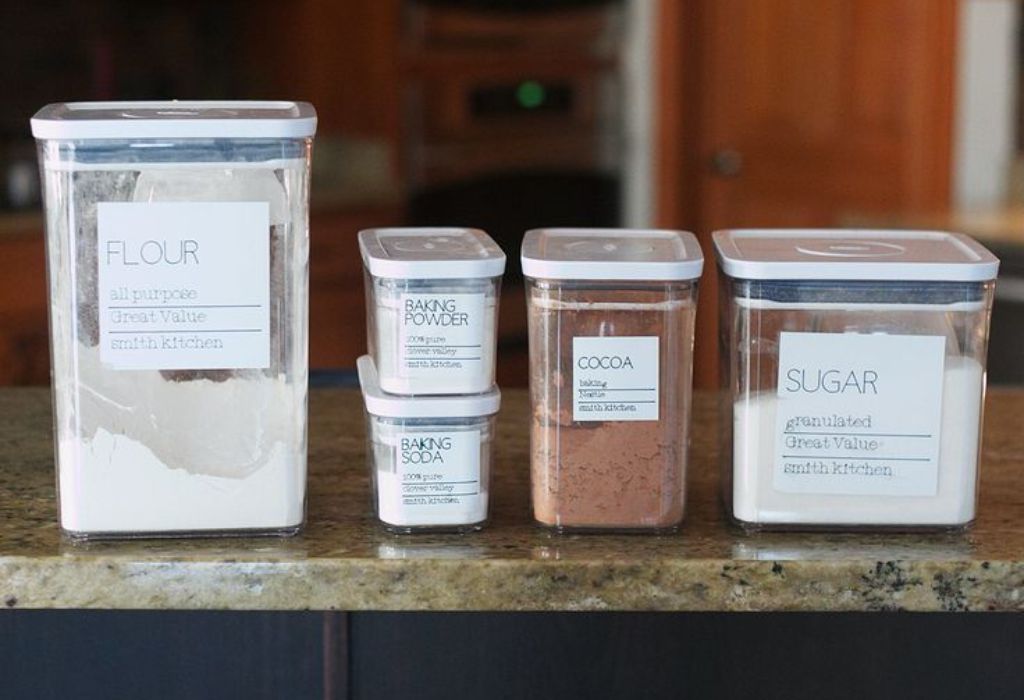
Sometimes OXO containers retain odors after storing strong smelling foods. Dishwashers remove surface debris but may not eliminate deep odors fully. Additional steps help restore freshness.
Rinsing containers with warm water and mild soap removes lingering scent oils. Scent molecules cling to plastic, especially after long storage. Gentle cleaning releases them.
Allowing containers to air dry in sunlight helps reduce odors. Sunlight warms the plastic lightly and helps neutralize trapped smells. Fresh air circulation lifts remaining odors from corners.
Removing the gasket before cleaning allows deeper odor removal. Gaskets trap moisture and scent particles easily. Cleaning underneath restores neutral smell.
A mixture of baking soda and warm water helps absorb stubborn odors. Baking soda attaches to scent molecules and pulls them from plastic. Rinsing afterwards leaves the container fresh.
Letting the lid stay open after washing prevents trapped moisture. Moisture encourages smells to return. Airflow keeps the container fresh between uses.
Conclusion
OXO containers are safe for the dishwasher when cleaned correctly, especially the sturdy bases that tolerate heat and pressure well. Most lids are also top rack safe, but they need gentle treatment to maintain their airtight performance. The silicone gasket and push button mechanisms require more careful cleaning to stay flexible and functional.
Understanding how heat, detergent and placement affect each part of the container helps homeowners clean confidently without damaging expensive storage sets. Small habits like using the top rack, choosing gentle detergent and handwashing delicate parts protect the container from long term wear.
With the right cleaning practices, OXO containers last for years while keeping food fresh, dry and well protected. Proper care ensures you get the most out of every container and maintain the airtight quality that makes OXO products so dependable.

I’m Emma J. Caldwell, the founder, lead writer, and home-cooking enthusiast behind KitchenGuideCo.com. With a background in culinary arts and over a decade of cooking experience in both professional and personal kitchens, I created this platform to demystify recipes, offer smart kitchen gadget reviews, and guide readers through meal prep with confidence and clarity.