Many people run out of laundry detergent at the most inconvenient moment. It could happen late at night, right before work or during a busy day when there is no time to visit the store. In that moment of urgency, the bright bottle of dishwashing liquid sitting near the sink suddenly looks like a convenient backup option. Because dishwashing liquid is known for cutting grease and removing stubborn food stains, many assume it might clean clothing just as effectively.
But doubts begin to rise almost immediately. Will dishwashing liquid produce too many suds? Could it damage the washing machine? Will the fabric lose color or softness? The uncertainty becomes even stronger when someone remembers that dishwashing liquid is designed for hard, smooth surfaces like plates and pans, not delicate fibers.
Still, the idea feels tempting, especially when faced with a pile of sweaty gym clothes, food spills or last minute laundry emergencies. Understanding how dishwashing liquid behaves with fabrics and washing machines helps people make safer choices.
This article explains whether dishwashing liquid can be used for washing clothes, when it is safe, when it is risky and how to use it properly without harming your clothes or washer. With the right precautions, laundry emergencies become easier to handle.
Can You Wash Clothes With Dishwashing Liquid Or Not
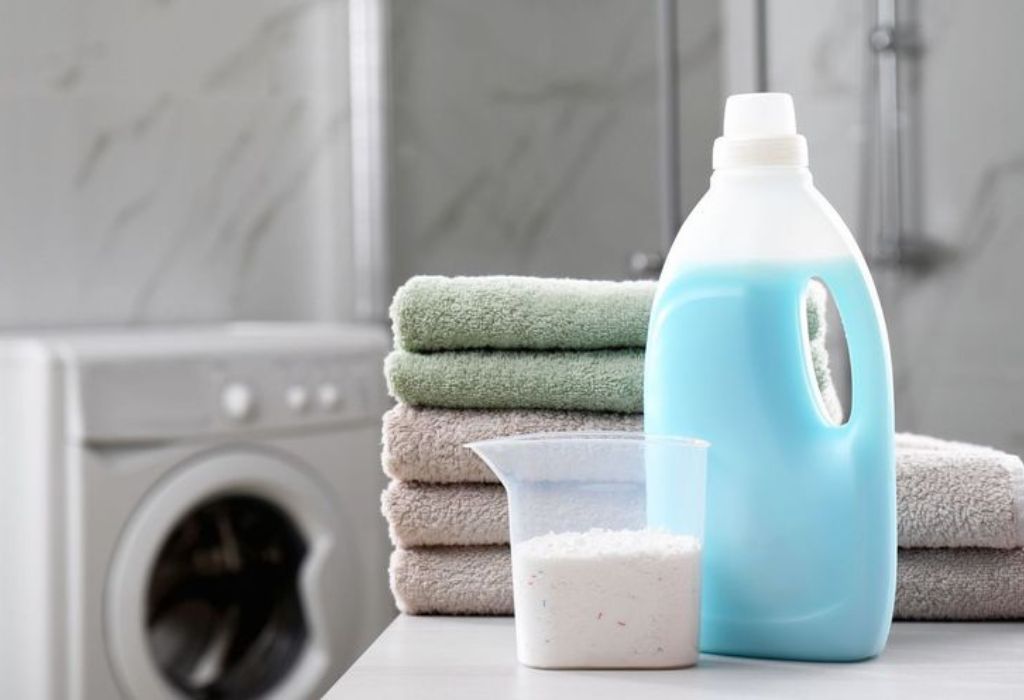
Dishwashing liquid can clean clothes in emergencies, but it must be used extremely carefully. It produces far more suds than laundry detergent, and too much foam can overflow in both front load and top load washers.
Fabric fibers react differently to dish soap compared to laundry detergent. Dishwashing liquid is stronger and may remove natural oils from fabric, causing roughness over time.
Using a very small amount reduces risk. Even a teaspoon is enough for a full load. Anything more creates excessive foam.
Handwashing with dishwashing liquid is safer than machine washing. The soap dissolves easily in warm water and cleans without stressing fabric.
Colored clothes may fade if dish soap contains strong degreasers or fragrances. Delicate fabrics are more sensitive to harsh formulas.
Understanding these limitations prevents accidental damage during laundry emergencies.
Is dishwashing liquid safe for machine wash?
Only if used in a tiny amount.
Why does it create so much foam?
Dish soap is designed to produce high suds.
Can it fade colored fabric?
Strong formulas may cause fading over time.
Is handwashing safer?
Yes, it gives more control.
Can it damage the washer?
Too much foam may overflow and affect sensors.
How Dishwashing Liquid Affects Fabric
Dishwashing liquid is designed to break down food grease quickly. This strong degreasing action can strip fabric oils, making clothes feel dry or rough.
Cotton and wool absorb detergents deeply. Dish soap residues may remain trapped inside fibers if not rinsed thoroughly.
Synthetic fabrics like polyester tolerate dishwashing liquid better. They do not hold residues as strongly and resist harsh chemicals.
Fragrance additives in dishwashing liquids may irritate sensitive skin when left on clothing. Rinsing multiple times removes leftover soap.
Stain removal works well with dish soap, especially on oil based stains, but using it regularly weakens fabric texture.
Choosing mild, unscented dish soap helps protect clothing during emergency washing.
How Much Dishwashing Liquid Should You Use
A tiny amount is enough for effective cleaning. Dishwashing liquid foams aggressively even in cold water.
Front load washers require the least amount due to low water levels. A pea sized drop cleans an entire load.
Top load washers can handle slightly more water volume, but too much soap still creates foam buildup.
For handwashing, one or two drops mixed with a bowl of water is sufficient. Adding more slows rinsing.
If clothes still feel soapy after rinsing, soak them in clean water for a few minutes. This removes trapped detergent.
Measuring correctly prevents damage to both clothing and the washer.
How much for a front loader?
A pea sized drop.
How much for a top loader?
Around half a teaspoon.
Can too much cause issues?
Yes, it creates excessive suds.
Is rinsing important?
Extra rinsing removes residue.
Should I add fabric softener?
Yes, it helps restore softness.
Can Dishwashing Liquid Damage Washing Machines
High foam levels put stress on machine components. Sensors in modern washers misread excessive bubbles as water blockage.
Dish soap suds may overflow through the detergent drawer or lid edges. This causes wet floors and potential electrical risks.
Foamy residue may clog drain pumps. Pumps are designed for low suds detergents and become sluggish when filled with bubbles.
Front load washers are more vulnerable due to airtight design. Suds have nowhere to escape.
Minor use during emergencies does not permanently damage machines if rinsed properly. Long term use is unsafe.
Proper usage keeps washers functioning smoothly.
Is Dishwashing Liquid Safe For Handwashing Clothes
Handwashing is the safest way to use dishwashing liquid on clothes. It offers complete control over the amount of soap and water.
Warm water helps dissolve dish soap quickly. Mixing before adding clothes avoids direct fabric contact with concentrated soap.
Gentle rubbing removes stains without stressing fabric. Dish soap works well for spot cleaning and oily stains.
Rinsing takes longer because dish soap clings to cloth fibers. Multiple rinses ensure no residue remains.
Drying under sunlight removes smells and ensures freshness.
Handwashing reduces the risk of excessive suds and machine damage.
Is dish soap good for spot cleaning?
Yes, especially for grease stains.
Can I use warm water?
Yes, warm water dissolves it better.
Does handwashing protect fabric?
It is much gentler.
Will residue remain?
Extra rinsing removes it.
Is it better than machine washing with dish soap?
Yes, safer and more controlled.
When You Should Never Use Dishwashing Liquid On Clothes
Avoid dish soap on delicate fabrics like silk or wool. These fibers are sensitive to strong degreasers.
Do not use dishwashing liquid on waterproof jackets. It removes protective coating.
Avoid it for baby clothes because fragrance additives may irritate skin.
Do not use dish soap with bleach or whitening agents. Chemical reactions may weaken fabric.
Never mix dish soap with hot water above safe levels. This activates strong foam very quickly.
Understanding these limitations protects both clothing and skin.
Best Way To Wash Clothes Using Dishwashing Liquid Safely
Use only mild, unscented dishwashing liquid for laundry emergencies. Strong formulas may damage fabric color.
Dissolve dish soap fully in water before adding clothes. This avoids harsh contact spots.
Wash with warm water for effective cleaning. Warm water breaks down oils and food stains.
Rinse clothes at least twice. Residue causes stiffness and skin irritation.
Let clothes air dry completely. Sunlight reduces leftover smells and keeps fabrics fresh.
Following these steps ensures safe emergency washing.
Should I mix the soap in water first?
Yes, always dilute before using.
Is warm water recommended?
It helps dissolve soap better.
Can dish soap remove tough stains?
It works well on oily stains.
Do I need extra rinsing?
Yes, dish soap leaves residue easily.
Is air drying better?
Air drying removes leftover moisture and smell.
Can Dishwashing Liquid Replace Laundry Detergent
Dishwashing liquid is not a long term substitute for laundry detergent. It is too strong and produces excessive foam.
Laundry detergents are formulated for fabric safety. They contain softeners and enzymes that preserve fiber strength.
Dish soap lacks fabric conditioners. Long term use results in rough texture and faded color.
Laundry detergent rinses out easily. Dish soap needs multiple rinses.
Use dishwashing liquid only when regular detergent is unavailable.
Choosing appropriate cleaners preserves fabric quality.
Does Dish Soap Cause Skin Irritation From Clothing
Residues left on fabric after washing may irritate sensitive skin. Dish soap formulas contain fragrances and degreasing agents.
Children and people with allergies react more strongly to leftover chemicals. Extra rinsing reduces this risk.
Unscented or mild dish soap causes fewer problems. Always rinse twice to remove any film.
Wearing clothes washed with dish soap for long periods may cause itchiness. Washing again with detergent solves the issue.
Using correct quantities keeps clothing safe for daily wear.
How To Remove Dish Soap Residue From Clothes
If clothes come out feeling sticky or stiff, dish soap residue may still be present. Rewashing solves this problem.
Run a short rinse cycle with clean water. This flushes out remaining soap.
Adding a little baking soda during rinsing helps neutralize detergent.
Hand soaking in warm water removes stubborn residue. The heat dissolves trapped soap.
Drying clothes thoroughly improves softness and freshness.
Proper rinsing leaves fabric clean and comfortable.
How To Keep Washing Machines Safe After Using Dishwashing Liquid
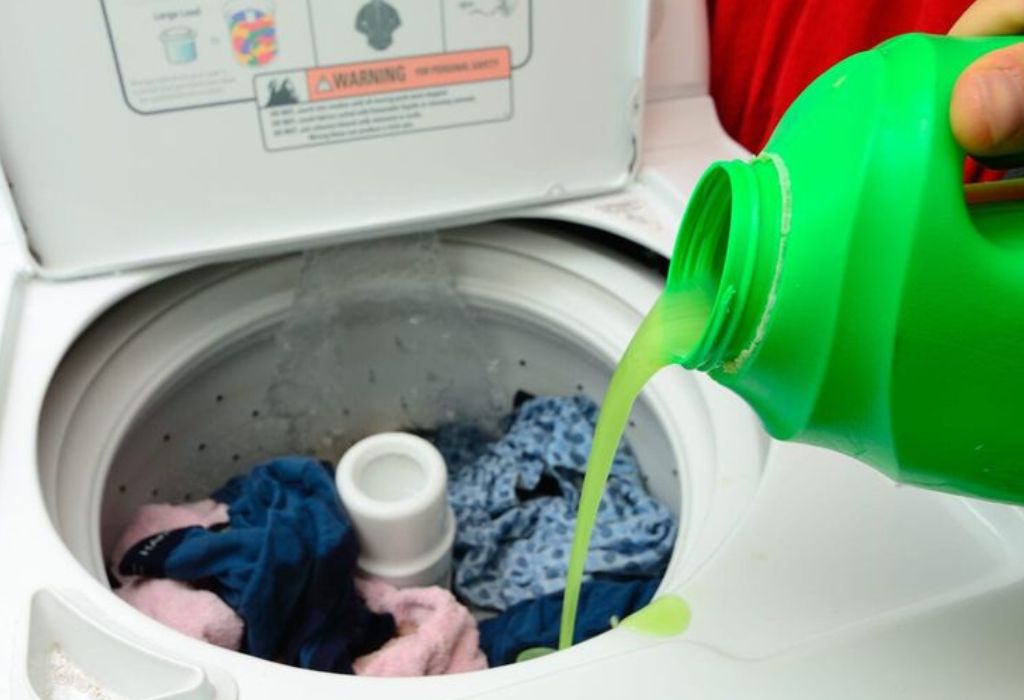
Run an empty rinse cycle to remove leftover foam. This cleans internal hoses.
Add warm water to dissolve hidden residue.
Avoid using dish soap again soon. Give the machine time to clear out suds.
Clean the detergent drawer to remove sticky film.
If the washer smells like detergent, run another rinse cycle.
Keeping the washer clean ensures proper future washing.
Can leftover suds harm the machine?
Yes, they may clog drains.
Should I run an empty cycle?
It clears residue.
Does dish soap stay inside hoses?
Sometimes, extra rinsing removes it.
Can it affect sensors?
Excess foam may cause sensor errors.
Is one time use harmful?
No, if rinsed well afterward.
Conclusion
Dishwashing liquid can clean clothes during emergencies, but it must be used in very small amounts and with extra care. It creates far more foam than laundry detergent, and too much suds can affect both clothing and washing machines. Fabrics may feel rough if dish soap is used regularly, and colored clothes may fade due to strong degreasing ingredients.
Handwashing is the safest method, while machine washing requires tiny amounts and multiple rinses to prevent residue. Delicate fabrics, waterproof materials and baby clothes should never be washed with dish soap because they react strongly to its chemicals.
Understanding how dishwashing liquid interacts with fabric and washers helps avoid mistakes. With careful use, it works well as a temporary solution until you can restock laundry detergent. Proper dilution, gentle cycles and thorough rinsing protect both clothing softness and machine performance.

I’m Emma J. Caldwell, the founder, lead writer, and home-cooking enthusiast behind KitchenGuideCo.com. With a background in culinary arts and over a decade of cooking experience in both professional and personal kitchens, I created this platform to demystify recipes, offer smart kitchen gadget reviews, and guide readers through meal prep with confidence and clarity.