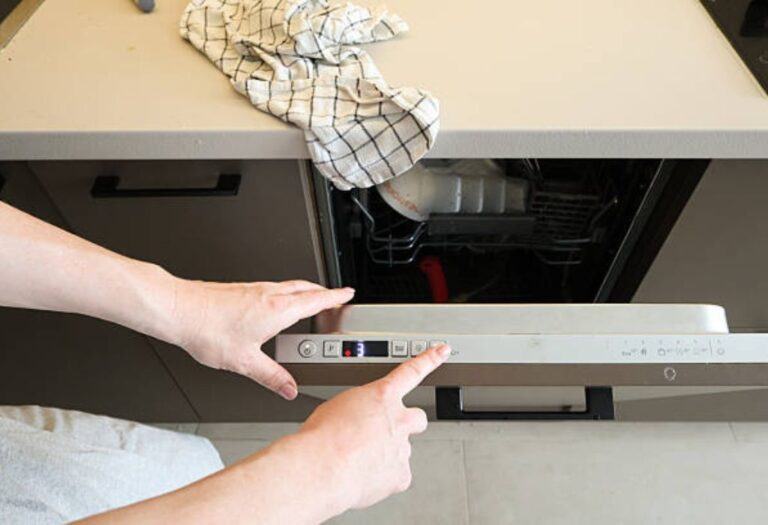
A dishwasher is supposed to make your dishes cleaner, not fill your kitchen with a foul fishy smell. Yet many homeowners suddenly notice a strong odor coming from inside the dishwasher even when no fish was washed.
This becomes confusing and frustrating because the appliance looks clean from the outside. People run extra cycles, add more detergent or try scented pods, but the smell still returns.
Fishy odors often come from hidden places where food debris collects and begins to break down. Once residue sticks to filters, hoses or heating elements, it creates strong smells.
The odor becomes most noticeable when the dishwasher heats up, causing trapped grease to release unpleasant fumes. This makes the smell appear worse during or after a wash cycle.
Some users worry the smell means the dishwasher is broken. Others fear mold or plumbing problems.
Understanding the causes and cleaning solutions helps restore a fresh smelling dishwasher completely.
Why Dishwashers Smell Like Fish
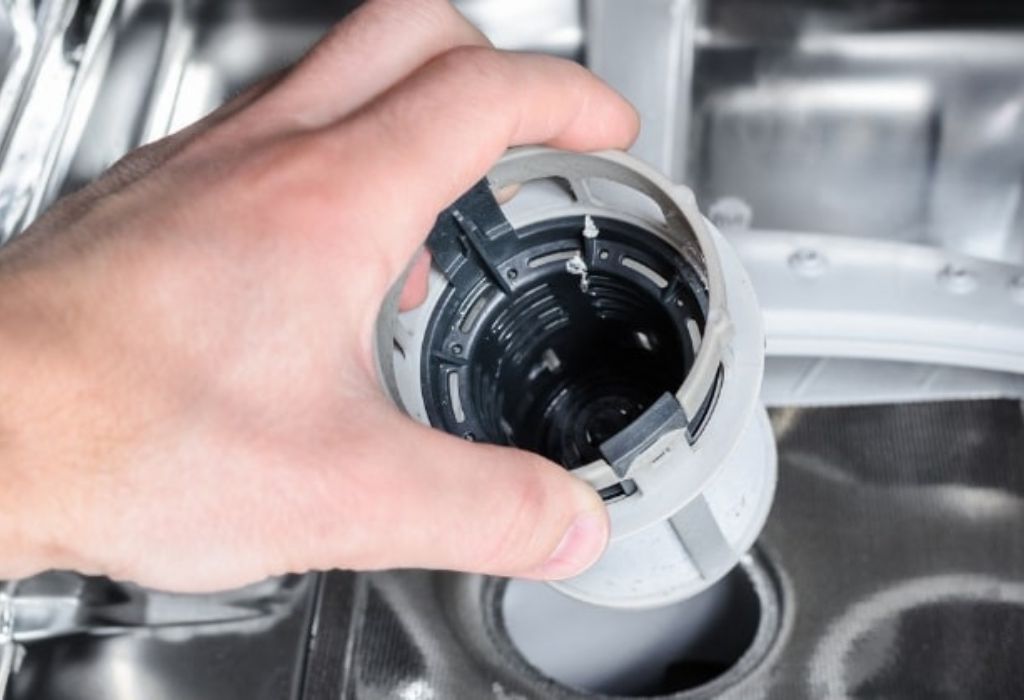
Dishwashers smell like fish when food particles break down inside the appliance. These particles often get trapped in the filter or stuck to internal surfaces.
As the dishwasher heats up during a wash cycle, the trapped residue begins to release a strong odor. Heating intensifies the smell and pushes it into the kitchen.
Even tiny pieces of seafood or protein rich foods produce powerful odors after decomposition. The dishwasher interior creates warm and moist conditions that speed up this process.
Grease from previous meals also sticks to spray arms, hoses and pumps. When mixed with leftover food, this creates a strong fishy scent.
Many dishwashers hide buildup under areas that users rarely inspect. Regular cleaning prevents the smell from developing.
Can a dishwasher smell like fish without washing fish
Yes, decomposed food residue creates similar odors.
Is heat a factor in the smell
Heat releases trapped scents from old residue.
Does grease cause fishy odors
Grease combines with food bits to create strong smells.
Can tiny food particles make a big smell
Even small bits produce powerful odors.
Is this a common dishwasher issue
Yes, many homes experience fishy dishwasher smells.
Food Particles Stuck In The Filter
The dishwasher filter sits at the bottom of the appliance and catches food debris. When it becomes clogged, odors begin to develop.
Fishy smells often come directly from the filter because it traps protein rich particles. As these break down, they release strong scents.
Most people forget to clean the filter regularly. A dirty filter collects grease, oils and tiny food bits that rot over time.
A clogged filter also slows water drainage. Slow drainage creates standing water that smells unpleasant.
Cleaning the filter removes the source of many fishy odors quickly and effectively.
Grease Buildup In The Spray Arms
Spray arms distribute water throughout the dishwasher, but they can also trap grease inside their openings. Grease mixed with food residue creates a strong fishy smell.
Over time, the water jets become partially blocked. Blocked jets reduce cleaning performance and allow more food particles to remain in the dishwasher.
Grease hardens and traps odors that only release during hot cycles. This makes the smell appear suddenly.
Removing the spray arms and rinsing them under hot water helps eliminate buildup. A deep cleaning restores both performance and freshness.
Spray arms require regular maintenance for odor prevention.
Do spray arms trap debris
Yes, small food bits collect inside the holes.
Can blocked spray arms cause odor
Reduced cleaning leaves more residue behind.
Do they need periodic cleaning
Monthly cleaning keeps them fresh.
Does heat worsen trapped odors
Heat melts grease and releases bad smells.
Is removal easy
Most spray arms twist off by hand.
Standing Water Inside The Dishwasher
Standing water at the bottom of the dishwasher creates unpleasant smells. This water contains food particles that deteriorate quickly.
When the drain system becomes partially blocked, old water remains after each cycle. The moisture becomes warm and produces a fishy odor.
Debris in the drain pump or drain hose slows water flow. This debris includes grease, seeds, pasta and vegetable skins.
Leftover water begins to grow bacteria. Bacteria release gases that smell like fish.
Clearing the drain restores proper flow and eliminates standing water odors.
Dirty Dishwasher Seal And Interior Walls
The door gasket or rubber seal around the dishwasher traps moisture and food residue. This area often goes unnoticed during cleaning.
Grease and grime collect along the seal and begin to break down. Bacteria feed on the residue and produce fishy smells.
Interior walls also catch splashes of food oils. When these oils harden, they trap odors inside the dishwasher.
Hot water cannot always reach the seal area, so residue remains after washing. Manual cleaning is necessary to remove buildup.
Keeping the seal clean stops odors from forming and spreading into the kitchen.
Can the door seal cause a fishy smell
Yes, it collects moisture and food residue.
Do walls need deep cleaning
Grease on the walls absorbs odors.
Is this area ignored by most users
Many people never clean the seal.
Does heat release odors from the seal
Warm cycles intensify trapped smells.
Can cleaning solve the issue quickly
Yes, wiping the seal removes most odors.
Drain Hose Contamination
The drain hose carries wastewater from the dishwasher to the household plumbing. Food particles often settle inside the hose over time.
When these particles decay, they emit a fish like smell. This smell travels back into the dishwasher during new cycles.
A partially clogged hose slows drainage. The stagnant water inside becomes a breeding ground for bacteria.
Long hoses with sharp bends collect more debris than short straight ones. This increases odor formation.
Cleaning or replacing the hose removes the worst smells.
Garbage Disposal Issues Affect Dishwasher Odor
Dishwashers connected to garbage disposals often experience fishy odors when the disposal is dirty. Food buildup in the disposal can push smells into the dishwasher drain line.
When the disposal blade area collects old grease, the odor transfers easily. Running the dishwasher pulls air backward through the shared drain.
Grinding large amounts of food without flushing the disposal causes particles to stick. These particles rot and create strong scents.
Hot dishwasher water can loosen old disposal residue. This forces the odor back into the appliance.
Cleaning the disposal often removes dishwasher smells instantly.
Can a dirty garbage disposal affect dishwasher smell
Yes, shared drains allow odors to travel.
Do disposals require cleaning
Regular cleaning prevents odor transfer.
Can dishwasher cycles worsen disposal smells
Hot water loosens residue inside the disposal.
Does grinding food cause buildup
Large scraps often stick inside the drain.
Is flushing important
Running water clears debris after grinding.
Using The Wrong Detergent
Using low quality or incorrect detergent can cause fishy dishwasher smells. Cheap detergents may not dissolve thoroughly.
When detergent leaves residue, food particles also remain on dishes. Leftover residue becomes a source of odor.
Some detergent pods may stick to dirty filters or walls. These stuck pods trap unpleasant smells.
Detergent buildup becomes sticky and attracts bacteria. Bacteria then produce fishy odors.
Choosing the right detergent improves cleaning and reduces smells.
Low Rinse Aid And Poor Drying
Poor drying leaves moisture inside the dishwasher. Moist areas create ideal conditions for bacteria growth.
Bacteria feed on leftover food particles and release fishy odors over time. Moisture accelerates this process quickly.
Low rinse aid levels keep water from evaporating fast. Slow drying leaves droplets that trap smells.
Glassware and plastic bowls with standing drops hold odors until the next cycle. Moist odors spread across the dishwasher air.
Improving drying performance removes most lingering smells.
Does low rinse aid cause bad smell
Poor drying creates bacterial growth.
Do wet dishes smell worse
Moist surfaces hold onto odors easily.
Can better drying prevent smells
Dry surfaces resist odor buildup.
Is rinse aid important
Yes, it speeds evaporation significantly.
Does moisture encourage bacteria
Warm wet conditions help bacteria thrive.
Mold And Bacterial Growth
Warm temperatures inside dishwashers make them perfect environments for bacteria. When bacteria mix with food residue, they produce strong fish like odors.
Mold may also grow in hidden corners. Mold leaves a damp, earthy and fishy scent during the dry cycle.
Bacteria thrive in stuck food, clogged filters and damp seals. Regular cleaning stops bacterial colonies from spreading.
Running short cold cycles does not kill bacteria. Warm cycles with detergent reduce microbial growth.
Bacteria and mold often cause the strongest smells inside dishwashers.
Incorrect Loading And Blocked Spray Patterns
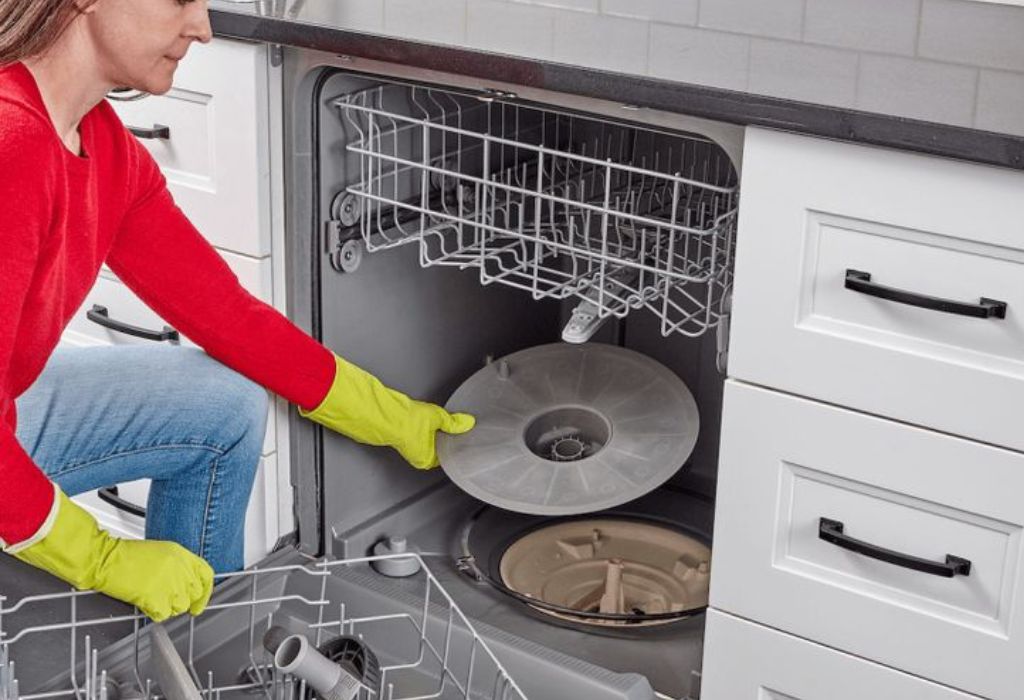
Improperly loading the dishwasher can prevent water from reaching dirty areas. Blocked spray arms allow food to remain on dishes after the cycle.
Leftover food becomes trapped again in the filter or seals. This trapped material breaks down and smells like fish.
Overloaded racks restrict water flow. Poor circulation increases leftover debris inside the appliance.
Plastic containers placed incorrectly may block the spray arm. Lack of cleaning coverage increases odor buildup.
Correct loading prevents many odor problems.
Can loading errors cause smell
Yes, blocked water flow leaves food behind.
Do crowded racks reduce cleaning power
Overloading restricts spray movement.
Can misaligned items trap food
Improper placement blocks spray patterns.
Should dishes face the water jets
Correct orientation improves cleaning.
Is spacing important
Space allows water to reach all surfaces.
How To Remove Fishy Smells From The Dishwasher
Start by cleaning the filter thoroughly under hot running water. Removing trapped food immediately reduces odor.
Next, remove and rinse spray arms to clear grease and debris. This restores proper water flow.
Scrub the door seal with warm soapy water. This removes hidden residue that produces strong smells.
Run an empty dishwasher with vinegar or a dishwasher cleaner tablet. This deep clean removes internal buildup.
Flush the garbage disposal and drain line to stop odors from returning.
How To Prevent Fishy Smells From Returning
Clean the filter weekly to prevent food buildup. Filters capture the most odor causing debris.
Rinse dishes lightly before loading if they contain sticky or heavy food. This reduces large particles.
Use the correct detergent and keep rinse aid filled. Strong cleaning prevents residue.
Run the dishwasher on hot cycles regularly. Heat reduces bacteria and mold growth.
Clean the spray arms monthly to maintain fresh dishwasher performance.
Can regular cleaning prevent odor
Yes, maintenance keeps smells away.
Do hot cycles help
Heat reduces bacterial buildup.
Is filter cleaning essential
The filter is the biggest odor source.
Does rinse aid help odor control
Dry dishes reduce moisture related smells.
Should I wash spray arms
Cleaning spray arms improves freshness.
Conclusion
A fishy smell in the dishwasher almost always comes from food buildup, grease, slow drainage or bacterial growth. These issues develop in hidden areas like filters, spray arms, seals and drain hoses.
As food decomposes, it releases strong odors that become more noticeable during hot cycles. Understanding where residue collects helps eliminate the source quickly.
Cleaning the filter, rinsing spray arms, scrubbing seals and improving drainage removes most fishy odors instantly. Regular maintenance prevents the smell from returning and keeps the dishwasher performing at its best.
With proper care, a dishwasher stays fresh, sanitary and odor free for years.
A clean dishwasher ensures dishes come out spotless, safe and ready for everyday use.

I’m Emma J. Caldwell, the founder, lead writer, and home-cooking enthusiast behind KitchenGuideCo.com. With a background in culinary arts and over a decade of cooking experience in both professional and personal kitchens, I created this platform to demystify recipes, offer smart kitchen gadget reviews, and guide readers through meal prep with confidence and clarity.