A dishwasher is supposed to sanitize your dishes with hot water and powerful cleaning cycles, so finding mold inside feels confusing and frustrating. Many people assume that something designed to clean should never grow mold, yet dishwashers provide the perfect environment for mold to thrive.
Warm temperatures, leftover food particles and standing moisture create ideal conditions for mold growth. Even when dishes come out clean, mold may still hide in corners, seals and filters.
Once mold appears, the dishwasher may start to smell musty or even release odors into the kitchen. These odors often worsen during hot cycles when mold spores become disturbed.
Mold not only affects smell but can also impact cleanliness because spores spread onto dishes during a wash cycle. This makes solving the problem important for both health and hygiene.
Some homeowners try running multiple hot cycles, but mold returns because the hidden areas were never properly cleaned. Dishwashers contain small spaces that trap moisture where mold continues to grow.
Knowing where mold hides and how to remove it completely restores the dishwasher to its original freshness.
Why Dishwashers Develop Mold
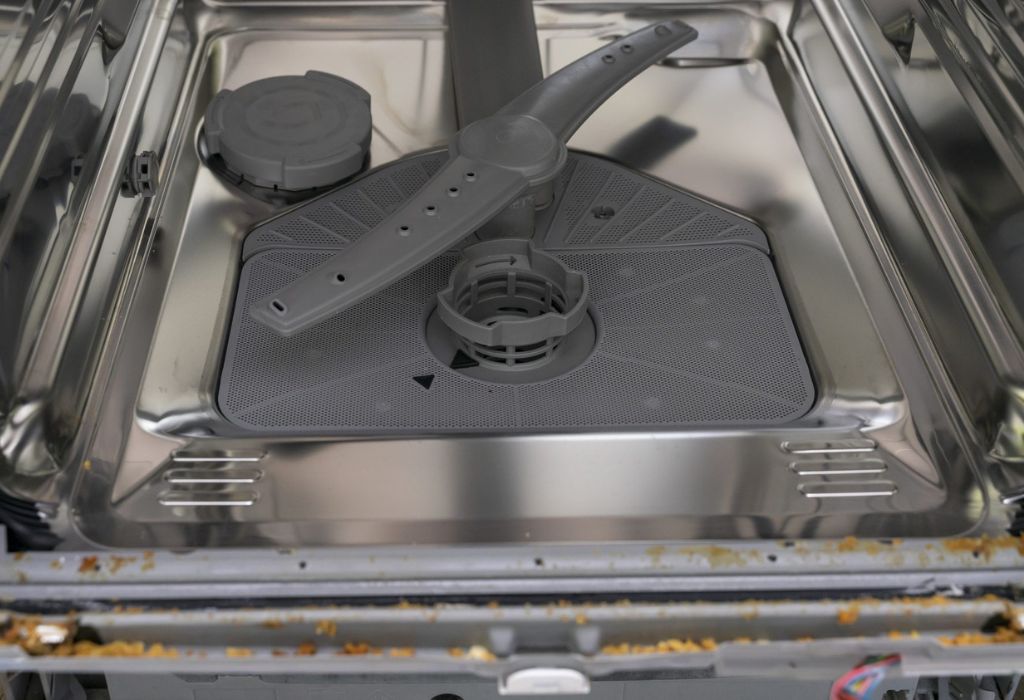
Dishwashers remain warm and damp long after cycles finish. Mold thrives in environments with moisture and warmth.
Food particles left behind in the filter or on the walls feed mold growth. Even small bits become a food source for spores.
Standing water at the bottom of the dishwasher creates the perfect breeding ground. This water often remains unnoticed.
Rubber seals trap moisture in tiny folds. These folds are rarely cleaned and become hotspots for mold.
Short wash cycles may not reach high enough temperatures to kill mold completely.
Can mold grow even in hot dishwashers
Yes, moisture and leftover food allow mold to survive.
Does trapped water cause mold
Standing water encourages fast mold growth.
Are seals a common mold source
Moist rubber seals easily harbor spores.
Does mold feed on food residue
Even small bits support mold colonies.
Can hot cycles kill mold
Only extremely hot water eliminates spores effectively.
Hidden Spots Where Mold Grows Inside The Dishwasher
Mold tends to hide in the filter first because it traps food particles. Filters stay moist and collect organic material.
The spray arms contain small holes where water circulates. These holes trap food bits and bacteria that lead to mold.
The door gasket or rubber seal collects moisture between its folds. Mold grows quickly in these dark, wet spaces.
Drain hoses may grow mold if water flows slowly or backflows. Mold spreads from hoses into the dishwasher interior.
The detergent dispenser stays damp between cycles, making it another hidden mold spot.
Cleaning The Dishwasher Filter To Remove Mold
The filter is responsible for trapping food debris during each wash. When it becomes clogged, moisture and residue collect inside.
Removing the filter and rinsing it under hot water eliminates most mold instantly. Brushing it gently removes thick buildup.
Dishwasher filters often have multiple layers that trap grease. Mold colonizes these layers easily when not cleaned regularly.
Soaking the filter in warm soapy water loosens stubborn residue. This prevents mold from returning quickly.
Cleaning the filter weekly prevents food related mold issues.
Should filters be cleaned regularly
Weekly cleaning prevents mold growth.
Does soap remove mold
Soapy water loosens debris effectively.
Can filters trap organic residue
Yes, organic material supports mold colonies.
Do clogged filters cause odors
Moldy filters release musty smells.
Is filter removal simple
Most dishwashers have twist out filters.
How To Clean Mold From Dishwasher Spray Arms
Spray arms can hold mold inside their small openings. These openings trap water and food residue.
Removing the spray arms and flushing them with hot water eliminates mold quickly. The pressure pushes mold out of the holes.
A toothpick or soft brush helps remove buildup from each hole. Clearing these holes improves water flow during cleaning cycles.
Spray arms with heavy mold require soaking in warm vinegar. Vinegar kills mild mold growth safely.
Monthly spray arm cleaning keeps mold away long term.
Cleaning The Dishwasher Door Gasket And Seal
The door gasket collects moisture between its folds. Mold grows rapidly in these hidden areas.
Wiping the gasket with warm soapy water removes surface mold. A soft toothbrush reaches deeper folds.
For stubborn mold, a mixture of vinegar and warm water breaks down spores. The vinegar solution removes odor and residue.
Drying the gasket afterward is important. Moisture trapped inside the folds leads to fast mold return.
Keeping the gasket clean improves dishwasher hygiene.
Can mold grow in the door seal
Yes, moisture remains trapped in the folds.
Does vinegar clean mold
Vinegar kills light mold growth safely.
Should seals be dried after cleaning
Dry seals prevent mold regrowth.
Is brushing helpful
A soft brush removes hidden mold.
Does gasket cleaning reduce odor
Yes, moldy seals produce strong smells.
Running A Deep Cleaning Cycle To Kill Mold
A deep cleaning cycle removes mold from areas you cannot reach manually. Hot water weakens mold colonies internally.
Running the dishwasher empty with a cup of white vinegar on the top rack dissolves residue and kills mold. Vinegar reaches hidden corners.
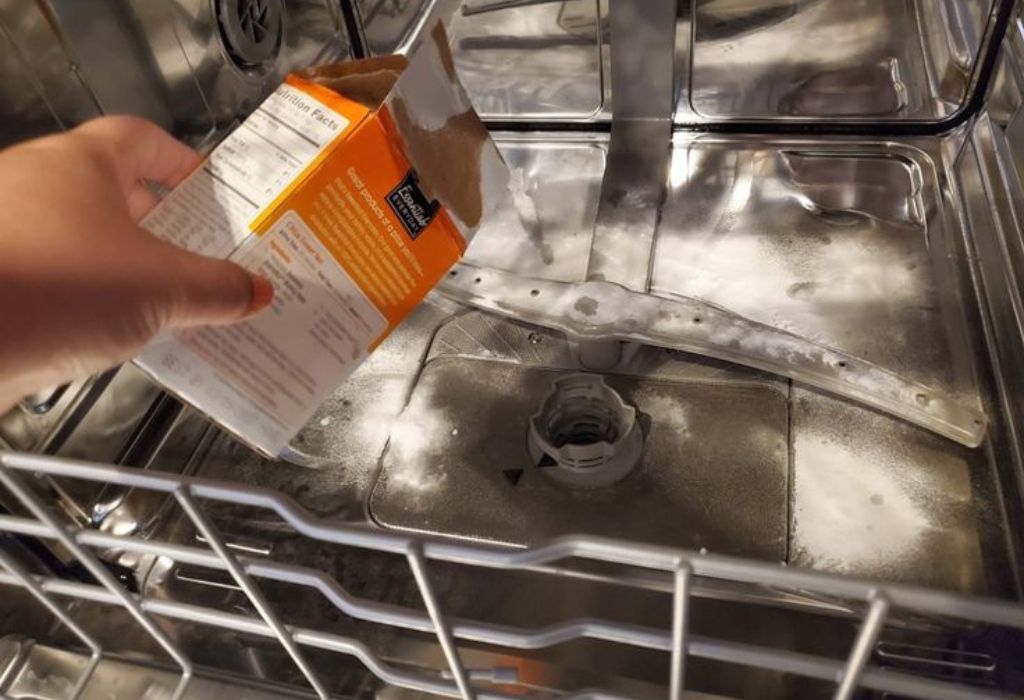
After the vinegar cycle, running a baking soda cycle neutralizes odor and removes stains. Baking soda absorbs mold related smells.
Using dishwasher cleaner tablets also kills mold effectively. These tablets break down grease and organic buildup.
Deep cleaning cycles restore freshness inside the dishwasher.
Improving Drainage To Prevent Mold Growth
A slow draining dishwasher leaves standing water that supports mold. Fixing drainage issues eliminates stagnant water.
Cleaning the drain pump removes debris that blocks water flow. The drain pump must stay clear for proper performance.
Checking the drain hose for bends or clogs ensures fast water movement. Hose blockages often cause hidden mold.
Running a garbage disposal before starting the dishwasher helps clear the shared drain. This reduces backflow risks.
Proper drainage keeps the dishwasher dry after cycles.
Can poor drainage cause mold
Standing water encourages mold formation.
Do hoses clog easily
Food bits and grease block hoses over time.
Is pump cleaning important
A clean pump improves water removal.
Does disposal cleaning matter
Clearing the disposal improves drainage.
Does drainage affect mold prevention
Better drainage reduces moisture.
Increasing Dishwasher Ventilation
Mold thrives when moisture remains trapped inside the dishwasher. Proper ventilation removes this excess moisture faster.
Keeping the door slightly open after each cycle helps fresh air circulate. This prevents dampness from lingering inside.
Newer dishwashers often include built in vent systems. These systems release steam during drying cycles.
If the dishwasher has no vent, opening the door manually ensures faster drying. Leaving the door closed traps steam.
Good ventilation dramatically reduces mold growth.
Using The Right Detergent And Rinse Aid
Using high quality detergent improves cleaning performance. Better cleaning means fewer food particles left behind.
Detergent that dissolves completely prevents residue buildup. Undissolved detergent becomes mold food over time.
Keeping rinse aid filled improves drying speed. Drying prevents mold from forming in damp areas.
Eco detergents and rinse aids are safe but must be used correctly. Using too little detergent leaves organic matter behind.
Proper detergent usage keeps the dishwasher clean.
Can poor detergent use cause mold
Leftover residue feeds mold.
Does rinse aid improve drying
It speeds water evaporation.
Can eco detergent cause buildup
Incorrect use may leave residue.
Do pods prevent mold
Pods dissolve consistently.
Does detergent quality matter
High quality detergent reduces food residue.
Mold Prevention Tips To Keep Your Dishwasher Fresh
Clean the filter weekly to prevent food buildup. Filters catch the most residue.
Run the dishwasher on the hottest cycle regularly. Hot water destroys mold spores.
Allow the dishwasher to dry completely after each use. Leaving the door cracked helps moisture escape.
Clean the door seal monthly to remove trapped moisture. These folds are prime mold spots.
Avoid leaving dirty dishes sitting for days before washing. Decaying food encourages mold.
Conclusion
Mold in a dishwasher forms when moisture, warmth and leftover food combine inside hidden spaces. Mold thrives in filters, seals, drain hoses and spray arms where water collects between cycles.
Removing mold requires cleaning each affected part, improving drainage and running deep cleaning cycles with vinegar or dishwasher cleaners. With proper cleaning, the dishwasher becomes fresh, sanitary and odor free again.
Preventing mold is as important as removing it. Keeping the dishwasher dry, cleaning filters regularly and maintaining proper ventilation stops mold from returning.
With consistent care and attention to moisture control, your dishwasher stays mold free and continues to clean dishes effectively for years.
ChatGPT can make mistakes. Check important info.

I’m Emma J. Caldwell, the founder, lead writer, and home-cooking enthusiast behind KitchenGuideCo.com. With a background in culinary arts and over a decade of cooking experience in both professional and personal kitchens, I created this platform to demystify recipes, offer smart kitchen gadget reviews, and guide readers through meal prep with confidence and clarity.