Most dishwashers work quietly in the background every day, and people only notice the heating element when something feels wrong.
Plates come out wet, dishes feel cold or the dishwasher starts leaving moisture on glasses, and suddenly the heating element becomes the main suspect.
This moment often makes homeowners wonder whether replacing the heating element is difficult or something they can handle themselves.
Some people call a technician immediately because the thought of dealing with electrical parts feels intimidating.
Others take a closer look under the dishwasher and realize it might not be as complicated as they imagined. This curiosity leads many to search for clear instructions that explain the process safely and simply.
Dishwashers rely on the heating element to dry dishes, heat water and improve cleaning performance. When the element fails, the dishwasher cannot produce the necessary heat and begins showing signs like poor drying, lukewarm cycles or persistent condensation.
Understanding how the heating element works helps identify problems faster and prepare for replacement.
Replacing a heating element requires patience and careful steps rather than advanced technical skills. With the right tools and clear instructions, many people discover that the job is manageable.
Learning the safe way to replace the heating element helps avoid electrical risks and ensures the machine performs properly again.
Why Dishwasher Heating Elements Fail Over Time
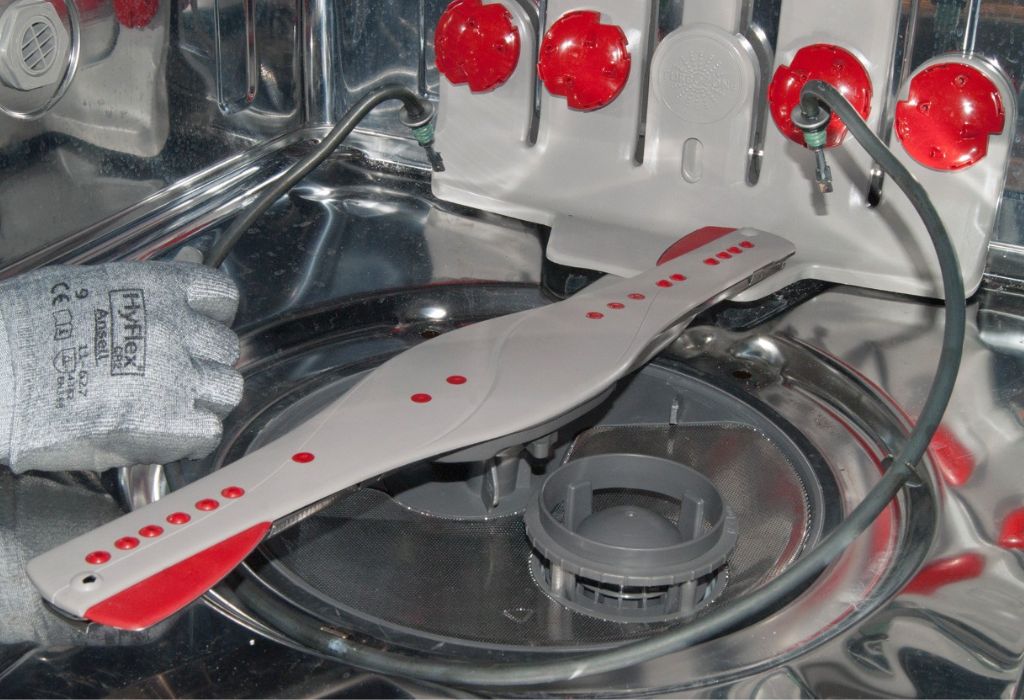
Heating elements operate through repeated cycles of heating and cooling, which puts stress on the metal. Over time this constant temperature change weakens the element and creates small fractures. These fractures eventually break the internal wiring and cause failure.
Hard water deposits also play a major role in damaging heating elements. Mineral buildup collects on the surface and creates a thick layer that forces the element to overheat. This overheating speeds up wear and reduces lifespan significantly.
Detergent chemicals interact with the element when they sit for long periods. These chemicals cause corrosion around metal curves where water settles after each wash. Corrosion slowly eats away at the metal and leads to cracks.
The heating element can also fail if the dishwasher experiences sudden power surges. High voltage spikes burn internal wiring quickly. Once burned, the element cannot heat properly at all.
Incorrect loading of pots and pans sometimes leads to accidental bending of the element. When heavy items press against the metal, they weaken its shape and reduce its efficiency. This bending eventually causes uneven heating.
Older dishwashers naturally experience wear after years of use. Heating elements are designed to withstand thousands of cycles but eventually reach their limit. When this limit is reached, replacement becomes necessary.
Moisture trapped under the dishwasher can also affect the element connection. This moisture can short the terminals and interrupt electrical flow. Proper installation and maintenance help prevent this type of failure.
Signs Your Dishwasher Heating Element Needs Replacement
One of the most common signs is dishes coming out consistently wet even after a full heated dry cycle. When the element stops producing enough heat, moisture stays on the surface. This problem becomes more noticeable with plastic items.
If the dishwasher runs but the water inside never feels hot, the heating element may not be functioning. Warm water improves detergent activation and cleaning efficiency. Without heat, the dishwasher cannot perform at full strength.
Some dishwashers display error codes related to temperature or drying performance. These codes appear when sensors detect the water is not reaching expected heat levels. Checking the manual helps confirm whether the error relates to the heating element.
A visible burn mark or crack on the heating element is an immediate sign of damage. These marks indicate the internal wire has snapped or overheated. Once damaged, the element cannot repair itself.
A tripped breaker or fuse may also signal a failing heating element. Electrical shorts occur when the element breaks down internally. Repeated tripping means the component must be inspected carefully.
Unusual smells during the drying cycle suggest the element is overheating. These smells often resemble burning metal or plastic. Overheating indicates the element is struggling to function safely.
If the dishwasher takes longer than usual to complete a cycle, the heating process may be delayed. Heating elements help control timing because many dishwasher cycles rely on hot water to progress. A slow cycle hints at heating failure.
Safety Precautions Before Replacing a Dishwasher Heating Element
Always disconnect the dishwasher from its electrical supply before starting any repairs. Working with live wiring increases the risk of electric shock. Unplugging ensures complete safety during the process.
Turn off the circuit breaker that powers the dishwasher for extra protection. Dishwashers often run on dedicated circuits that must be shut off manually. Confirm that the power is off before touching any internal parts.
Shut off the water supply connected to the dishwasher to avoid accidental leaks. Water flowing through hoses can spill onto the floor when moving the appliance. Isolating the water line keeps the work area dry and safe.
Wear insulated gloves to protect hands from sharp metal edges. Dishwashers have internal parts that may cut or scratch skin easily. Gloves provide a barrier against these hazards.
Use safety goggles when working underneath or behind the dishwasher. Dust, debris or loose parts sometimes fall during repair. Eye protection prevents injury.
Place towels or cardboard on the floor before pulling the dishwasher out. This protects the floor from scratches and catches any small water drips. A protected workspace makes repairs easier.
Make sure the dishwasher is cool before touching the heating element. Heating elements remain hot for several minutes after a cycle finishes. Waiting ensures safe handling of all parts.
Tools and Materials You Need to Replace a Heating Element
A screwdriver set is essential because dishwashers use different screw types for panels and brackets. Flathead and Phillips screwdrivers handle most models. Having both ensures easy access to all sections.
A nut driver or socket wrench is often required to remove heating element nuts. These nuts secure the element terminals beneath the dishwasher. Using the correct size prevents stripping.
Needle nose pliers help disconnect electrical wiring gently. These pliers grip small connectors firmly without damaging them. They are useful for tight or hidden spaces.
A replacement heating element designed for your specific dishwasher model is necessary. Heating elements vary in shape, size and connector style. The correct part ensures proper fit and heating performance.
Towels or rags help clean any water that spills during the repair. Some dishwashers release a small amount of water when moved. A dry workspace prevents slipping.
A flashlight improves visibility under the dishwasher. Many components sit in dark spaces where natural light cannot reach. A clear view makes the job safer and faster.
Owner manuals or diagrams provide guidance for locating specific parts. Different brands place heating elements in slightly different positions. Diagrams help identify connections easily.
How to Remove the Old Heating Element Properly
Start by opening the dishwasher door and removing the bottom rack. This allows access to the heating element inside the tub. Removing the rack makes the entire workspace open.
Locate the ends of the heating element where they pass through the dishwasher base. These ends connect to terminals beneath the machine. Identifying these points helps map the removal process.
Tilt the dishwasher slightly forward if needed to access the bottom panel. This panel must be removed to reach the wiring and nuts. Most dishwashers have a removable kick plate secured with screws.
After removing the panel, locate the heating element terminals at the bottom. Two wires attach to the terminals and must be disconnected. Use pliers to detach them carefully.
Next remove the nuts or brackets holding the heating element in place. These anchors keep the element secure during wash cycles. Loosening them allows the element to be pulled upward.
Return to the inside of the dishwasher and lift the heating element gently from the tub. Pull slowly so the terminals slide smoothly out of the base. Avoid twisting to prevent damaging surrounding parts.
Inspect the old element before discarding it. Burn marks, cracks or broken wires confirm it was faulty. This inspection helps understand the cause of failure.
How to Install the New Heating Element Correctly
Place the new heating element inside the dishwasher tub and align it with the holes at the base. Ensure both ends slide through evenly. Proper alignment prevents future leaks and loose connections.
Go underneath the dishwasher and reattach the securing nuts or brackets. These fasteners hold the element firmly in place. Tighten them enough to secure but avoid over tightening.
Reconnect the electrical wires to the new terminals. Each wire snaps into place with a snug fit. Proper connection ensures stable power flow to the element.
Double check the connection for tightness before closing the bottom panel. Loose wires cause intermittent heating or electrical shorts. Secure wiring ensures safe operation.
Reinstall the bottom kick plate and tighten any removed screws. The lower panel must be closed properly to prevent dust or debris from entering. A sealed panel improves dishwasher longevity.
Return to the inside of the dishwasher and reposition the heating element evenly. Make sure it is seated correctly and not touching any interior walls. Proper positioning enhances heating consistency.
Slide the bottom rack back into place once satisfied with alignment. The heating element should sit below the rack rods without interference. This ensures dishes can be loaded normally.
Testing the Dishwasher After Installing the New Heating Element
Restore power by turning on the breaker and plugging the dishwasher back in. This reactivates the electrical system safely. Only reconnect power once all parts are reassembled.
Run a short wash cycle to test the new heating element. Listen for unusual sounds or clicking noises during the wash. These sounds may indicate misaligned parts or loose connections.
Open the dishwasher mid cycle to check water temperature. Warm or hot water confirms the element is functioning. If the water remains cold there may be an electrical issue.
Allow the dishwasher to complete the drying phase and observe the final results. Dry dishes indicate the element is heating correctly. Moist or cold dishes suggest further troubleshooting is needed.
Inspect the area beneath the dishwasher for leaks. Improperly seated terminals sometimes allow water to escape. A dry floor means the installation is secure.
Check for error codes on electronic control panels. Some models provide diagnostic messages for heating problems. If codes appear, consult the manual to confirm whether the element is installed properly.
Repeat another full cycle if needed to monitor performance. Consistent results ensure the dishwasher is working properly again. A steady heating pattern confirms successful installation.
How to Troubleshoot a Heating Element Before Replacing It
Testing the heating element before replacement helps avoid unnecessary repairs. Many dishwashers show symptoms similar to heating element failure even when the part is still functional. Troubleshooting saves time and ensures the correct part gets replaced.
Start by checking whether the dishwasher is receiving proper power. A tripped breaker or loose plug can stop the heating cycle completely. Restoring the electrical connection sometimes solves the problem instantly.
Examine the element for visible damage such as cracks, burn marks or warped metal. These signs indicate that the internal coil has failed. If the element looks damaged, replacement is usually necessary.
Use a multimeter to test the heating element’s continuity. Remove the wires from the terminals and place the probes on each connector. A lack of continuity confirms that the element is burnt out.
Inspect the thermostat or high limit switch because these parts control the heating cycle. If they malfunction, the dishwasher may not allow the element to activate. Testing these components ensures the heating system works as a whole.
Check for excessive mineral buildup around the element area. Hard water prevents the element from heating properly by insulating its surface. Cleaning the deposits may restore its performance temporarily.
Observe the dishwasher’s behavior during a wash cycle. If the cycle stalls or pauses during heating phases, the issue may be related to sensors instead of the element. This observation helps identify deeper electrical problems.
Tips to Increase the Lifespan of Your Dishwasher Heating Element
Use dishwasher detergent recommended by the manufacturer to avoid chemical buildup. Mild detergents prevent residue from coating the element. Cleaner surfaces reduce overheating risks.
Regularly run a dishwasher cleaning cycle to remove mineral deposits. Hard water creates a layer of scale that weakens the element. Cleaning cycles protect heating efficiency.
Avoid overloading the dishwasher because restricted water flow increases heating strain. When dishes crowd around the element, heat cannot disperse properly. Balanced loading improves performance.
Rinse large food particles before loading dishes. Food debris can burn onto the heating element during drying cycles. Preventing buildup helps maintain clean operation.
Check the heating element visually every few months for early signs of wear. Identifying small cracks early helps avoid sudden failure. Regular inspection improves appliance longevity.
Run hot water in the sink before starting the dishwasher. This primes the system with warm water and reduces heating time. Less strain means longer element lifespan.
Consider installing a water softener if you have hard water. Softened water reduces mineral buildup inside the dishwasher. Cleaner water leads to better performance.
When to Call a Professional Instead of Replacing the Element Yourself
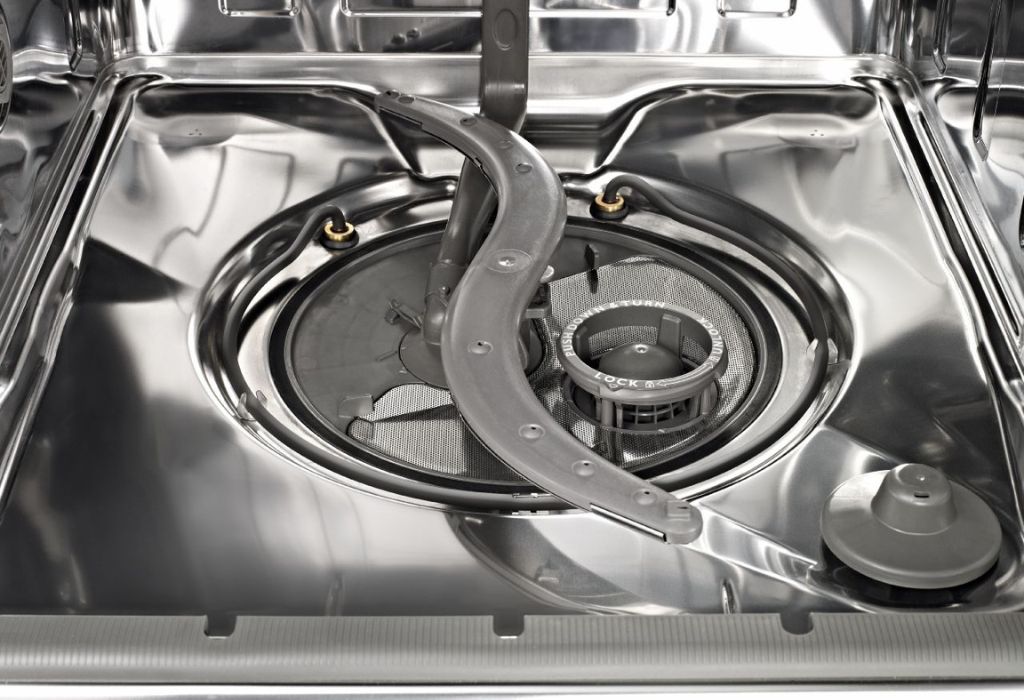
Some dishwasher problems appear to be heating element failures but actually involve complex electrical systems. Issues with the control board, sensors or wiring require advanced diagnostic tools. When these components fail, professional help becomes safer and more effective.
If you smell burning plastic or see smoke inside the dishwasher, stop the machine immediately. This type of damage may indicate internal wiring problems. Professionals are better equipped to inspect these hazards safely.
Dishwashers with built in digital diagnostics may display codes that require specialized knowledge. These codes identify hard to reach components but must be interpreted correctly. Technicians understand how to read these signals accurately.
If the dishwasher is still under warranty, replacing the heating element yourself may void the coverage. Manufacturers recommend contacting authorized repair services. Following warranty guidelines prevents unnecessary costs later.
People uncomfortable working with electrical parts should avoid attempting the repair. Replacing heating elements involves direct contact with wiring and terminal connections. Hiring a professional eliminates the risk of electric shock.
Dishwashers installed tightly under countertops are sometimes difficult to remove. Pulling the machine out requires disconnecting plumbing and electrical lines carefully. Technicians have experience handling these tight installations.
If the new heating element still does not heat water after installation, the issue may involve deeper circuitry. Control boards or temperature regulators may need replacement. A professional can diagnose and fix these advanced components reliably.
Heating Element Replacement Questions and Answers
How long does a dishwasher heating element last
Most heating elements last several years depending on usage and water quality.
Can I replace a dishwasher heating element myself
Yes with proper tools and safety steps, many homeowners replace it successfully.
Why are my dishes still wet after replacing the element
The thermostat or control board may be malfunctioning and need inspection.
Is it safe to run the dishwasher with a broken heating element
It is not recommended because it reduces cleaning efficiency and may indicate electrical failure.
How do I know the element is completely dead
Cold water, wet dishes and visible cracks usually confirm a failed element.
Can hard water damage a heating element
Yes mineral buildup causes overheating and shortens lifespan.
Do all dishwashers have heating elements
Most models do but some rely on internal dry systems or condensation drying.
Should the heating element glow red during a cycle
No dishwasher elements do not glow like oven coils even when heating properly.
Why does my dishwasher smell burnt during drying
This may indicate overheating or residue burning on the element.
Can replacing the element fix poor cleaning performance
Yes if the water was not heating properly, cleaning improves after replacement.
Conclusion
Replacing a dishwasher heating element may seem intimidating at first, but understanding the structure of the appliance makes the job much easier.
The heating element plays a vital role in heating water, improving cleaning and ensuring proper drying, so replacing it promptly keeps the dishwasher functioning efficiently.
Learning how to recognize signs of a failing element helps prevent long term damage and keeps daily kitchen tasks running smoothly.
With the right tools and careful preparation, removing the old heating element and installing a new one becomes a manageable task for many homeowners. Taking proper safety precautions such as disconnecting power and shutting off water helps create a secure working environment.
Following a step by step approach ensures the new heating element sits correctly and performs as expected.
Testing the dishwasher after installation confirms whether the repair was successful, and paying attention to maintenance increases the lifespan of the new element. Clean water flow, proper detergent and regular machine cleaning all contribute to long term durability.
With proper care your dishwasher continues operating efficiently and delivers clean, dry dishes every time.

I’m Emma J. Caldwell, the founder, lead writer, and home-cooking enthusiast behind KitchenGuideCo.com. With a background in culinary arts and over a decade of cooking experience in both professional and personal kitchens, I created this platform to demystify recipes, offer smart kitchen gadget reviews, and guide readers through meal prep with confidence and clarity.